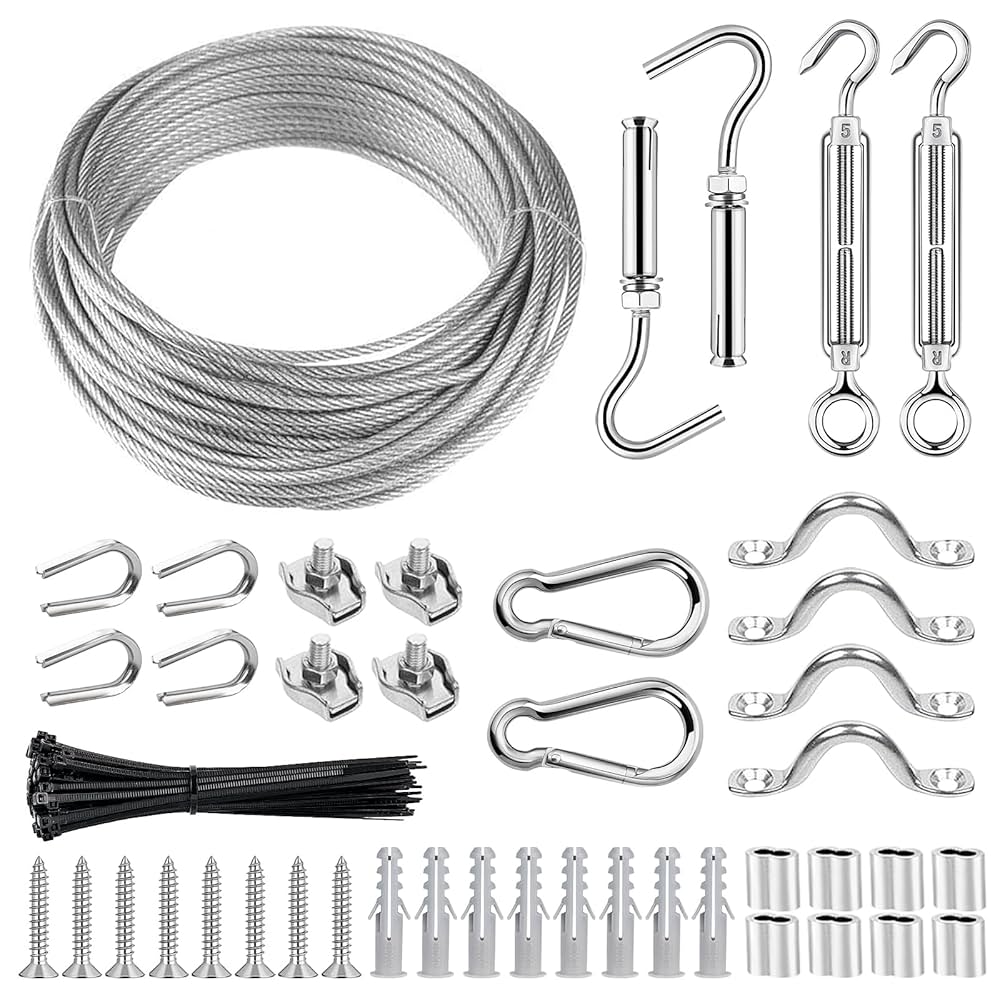
Are you looking for a strong and reliable way to hang your decorative lights? Using steel wire could be the perfect solution.
It’s sturdy, flexible, and almost invisible, making your lights shine without distractions. Imagine your space glowing warmly, with lights perfectly hung and secure. In this guide, you’ll discover simple steps to use steel wire like a pro. By the end, you’ll have the confidence to create a stunning light display that lasts.
Keep reading to transform your space with ease and style!
Credit: www.homedepot.com
Choosing The Right Steel Wire
Choosing the right steel wire is essential for safely and effectively hanging your decorative lights. The wire needs to support the weight, endure outdoor conditions, and blend well with your setup. Picking the wrong type can lead to sagging lights or even damage to your property.
Types Of Steel Wire For Hanging Lights
There are several types of steel wire you can use, each with its own benefits:
- Galvanized Steel Wire:Coated with zinc, it resists rust and is ideal for outdoor use.
- Stainless Steel Wire:Offers superior corrosion resistance and strength, perfect for long-term installations.
- Carbon Steel Wire:Strong but less resistant to rust, better for indoor or short-term use.
Ask yourself where you’ll hang the lights and for how long. This helps narrow down the right wire type that matches your environment.
Wire Gauge And Strength
Wire gauge measures the thickness of the steel wire; the lower the number, the thicker the wire. Thicker wires can hold more weight but may be less flexible.
For string lights, a wire gauge between 16 and 20 usually works well. If your lights are heavier, consider using a thicker gauge to avoid sagging or snapping.
Think about the total length and weight of your lights. Could the wire handle a strong wind or accidental tugs? Choosing a wire with a strength margin protects your setup.
Corrosion Resistance Options
Exposure to rain, humidity, or salty air can cause steel wire to corrode. This weakens the wire and risks your lights falling down.
Galvanized and stainless steel wires are popular because they resist corrosion well. Stainless steel lasts longer but usually costs more.
If you are on a budget but want decent protection, galvanized wire offers a good balance. Consider your local weather and how often you want to replace the wire.

Credit: www.amazon.com
Preparing Your Materials
Preparing your materials is a crucial step in hanging decorative lights with steel wire. It sets the foundation for a smooth and successful installation. You’ll need to gather the right tools, measure your space accurately, and prioritize safety. Let’s dive into each aspect to ensure your project shines brightly.
Gathering Tools And Supplies
Start by collecting the essential tools and supplies. You’ll need a spool of steel wire, wire cutters, and a tape measure. A pair of sturdy gloves can protect your hands from sharp ends.
- Steel Wire:Choose a gauge that supports the weight of your lights without sagging.
- Wire Cutters:Invest in a quality pair for clean cuts.
- Tape Measure:Accurate measurements prevent miscalculations.
- Gloves:Safety is key when handling steel wire.
Have you ever started a project only to realize you’re missing a crucial tool? Double-check your list to avoid this common pitfall.
Measuring And Cutting Steel Wire
Accurate measurement is vital. Measure the distance between the points where you plan to hang your lights. Add extra length for any necessary slack or adjustments.
- Use your tape measure to determine the total span of the area.
- Add a few inches to accommodate for tying and adjustments.
- Cut the wire with wire cutters, ensuring smooth ends to prevent injury.
Ever cut a piece too short and had to start over? It’s frustrating. Double-check your measurements for peace of mind.
Safety Precautions
Working with steel wire requires attention to safety. Ensure you have a clean, clutter-free workspace. Wear gloves to protect against sharp wire edges.
- Keep your work area tidy to avoid tripping hazards.
- Use gloves to handle the wire safely.
- Check the wire for any frayed or damaged sections before use.
What’s your biggest safety concern when handling steel wire? Address it now to prevent accidents later.
Being prepared not only saves time but also ensures your decorative lights are securely and safely installed. Let’s create a dazzling display that adds charm and warmth to your space!
Setting Up Anchor Points
Setting up anchor points is a key step to ensure your decorative lights hang safely and look stunning. The right anchor spots hold the steel wire firmly, preventing sagging or accidental falls. You’ll want to be thoughtful about where and how you attach these points to get a neat, even display.
Selecting Secure Attachment Spots
Look for sturdy surfaces that can support the weight of the wire and lights. Walls with solid studs, wooden beams, or metal frames work best. Avoid weak drywall or fragile surfaces that might crumble or pull away.
Think about the environment too—outdoor setups need weather-resistant spots that won’t rust or loosen. Have you checked if your chosen spots are strong enough to handle tension and occasional wind?
Installing Hooks And Eyelets
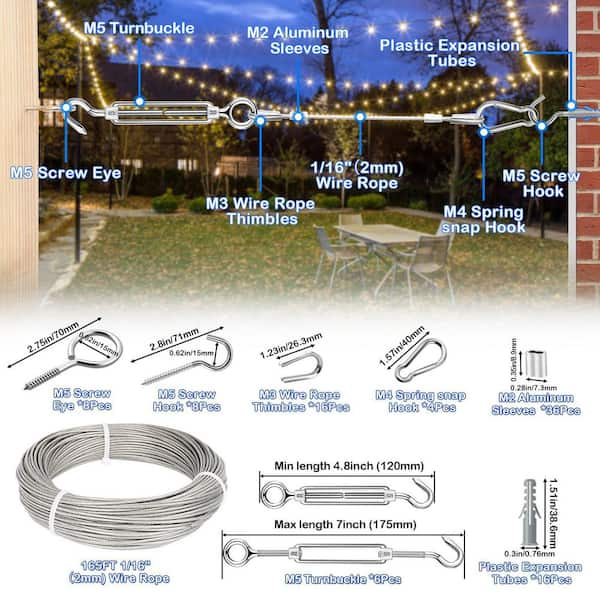
Once you pick your spots, it’s time to install hooks or eyelets. Use screws long enough to anchor deeply into wood or studs. For concrete or brick, you’ll need wall plugs or anchors to keep the hooks secure.
Make sure hooks are aligned at the same height or follow the desired curve of your lights. Test each hook by gently pulling on it to confirm it’s firmly in place before moving on.
Spacing For Even Light Distribution
Even spacing between anchor points helps your lights hang smoothly without drooping. Measure the total length of your wire and divide by the number of hooks you plan to use. This keeps the wire taut and the lights balanced.
If your lights have specific lengths between bulbs, try to match anchor points with those intervals. This prevents bulbs from clustering or stretching too far apart, giving your display a professional look.
Attaching Lights To Steel Wire
Attaching decorative lights to steel wire requires both care and technique to ensure your display looks neat and stays secure. The right approach will protect the lights and the wire, while also allowing you to adjust the setup as needed. Let’s look at how you can do this effectively without damaging your equipment.
Methods For Securing Lights
You can secure lights to steel wire using several practical options. Twist ties are a quick and reusable choice, allowing you to fasten the light string without much hassle.
Another option is using small zip ties, which offer a tighter hold but may require cutting to remove. For a gentler approach, soft fabric strips or velcro straps work well, especially if you plan to change your arrangement frequently.
- Twist ties: flexible and reusable
- Zip ties: strong and secure
- Fabric strips or velcro: gentle and adjustable
Avoiding Wire Damage
Steel wire can be durable, but it’s still important to avoid scratching or bending it in ways that reduce its strength. When fastening lights, don’t pull too tightly or use materials that could cut into the wire’s surface.
Try padding contact points with a small piece of cloth or rubber to prevent abrasion. Remember, maintaining the wire’s integrity ensures your lights stay in place and your setup lasts longer.
Adjusting Tension For Stability
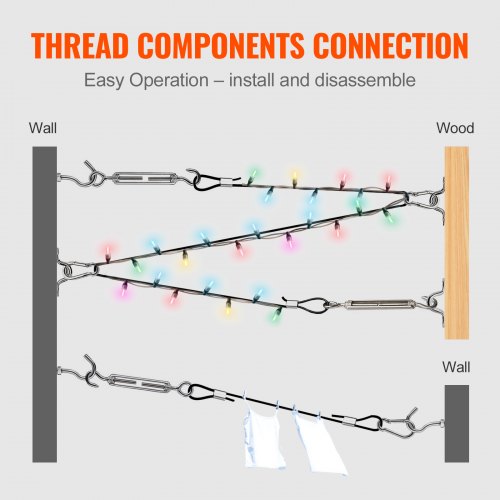
Your steel wire needs the right tension to keep lights steady without sagging or snapping. Too loose, and the lights droop; too tight, and the wire could warp or break.
Adjust tension gradually by tightening the wire in small increments. Test the stability by gently shaking the setup—does it hold firm? If not, tweak the tension until you find the perfect balance.
Maintaining And Troubleshooting
Keeping your decorative lights looking great and working well depends on regular care and quick fixes when problems pop up. Steel wire is sturdy, but over time, even the best setup needs a little attention. Let’s look at how you can maintain and troubleshoot your hanging lights to keep the glow alive.
Inspecting Wire And Lights Regularly
Make it a habit to check your steel wire and lights at least once a month. Look for rust spots, frays in the wire, or any broken bulbs that might cause safety issues or dim your display.
Don’t forget to test the lights by plugging them in to spot flickering or outages early. Catching small problems before they grow saves you time and keeps your setup safe.
Fixing Loose Or Sagging Lights
If your lights start to sag or look loose, it’s usually because the wire has stretched or the clips slipped. Tighten the wire by pulling it gently and secure it again using strong clips or ties.
Sometimes, adding a few extra supports along the wire helps distribute the weight better and keeps the lights in place. Have you noticed any spots where the wire dips more? Those are the key areas to reinforce.
Replacing Worn Wire Sections
Steel wire can wear out over time, especially if exposed to weather changes. If you find any sections with rust or breaks, replace just those parts instead of the whole wire.
Cut out the damaged area and attach a new piece of wire using proper connectors or strong twists. This quick fix keeps your lights secure without a full redo.
Credit: www.vevor.com
Frequently Asked Questions
What Type Of Steel Wire Is Best For Hanging Lights?
Galvanized steel wire is ideal for hanging decorative lights. It resists rust, is strong, and supports weight well. Choose a gauge between 16 to 18 for balanced flexibility and durability.
How Do I Safely Secure Steel Wire For Lights?
Use sturdy hooks or eye bolts to anchor the steel wire. Twist the wire tightly around anchors, ensuring no sharp ends stick out. This prevents slippage and keeps lights securely in place.
Can Steel Wire Support Outdoor Decorative Lights?
Yes, steel wire is excellent for outdoor lights. It withstands weather conditions like rain and wind. Ensure the wire is galvanized to prevent rust and maintain strength over time.
How Do I Prevent Steel Wire From Damaging Light Cords?
Wrap the steel wire with soft tape or use plastic-coated wire. This reduces friction and protects light cords from abrasion. Always avoid sharp edges to keep lights intact.
Conclusion
Using steel wire to hang decorative lights is simple and strong. It keeps lights steady in wind or rain. Measure well and attach wires tightly for best results. This method works indoors and outdoors with ease. Enjoy a bright, safe, and neat light display.
Try it yourself and see the difference. Brighten your space with confidence and style.