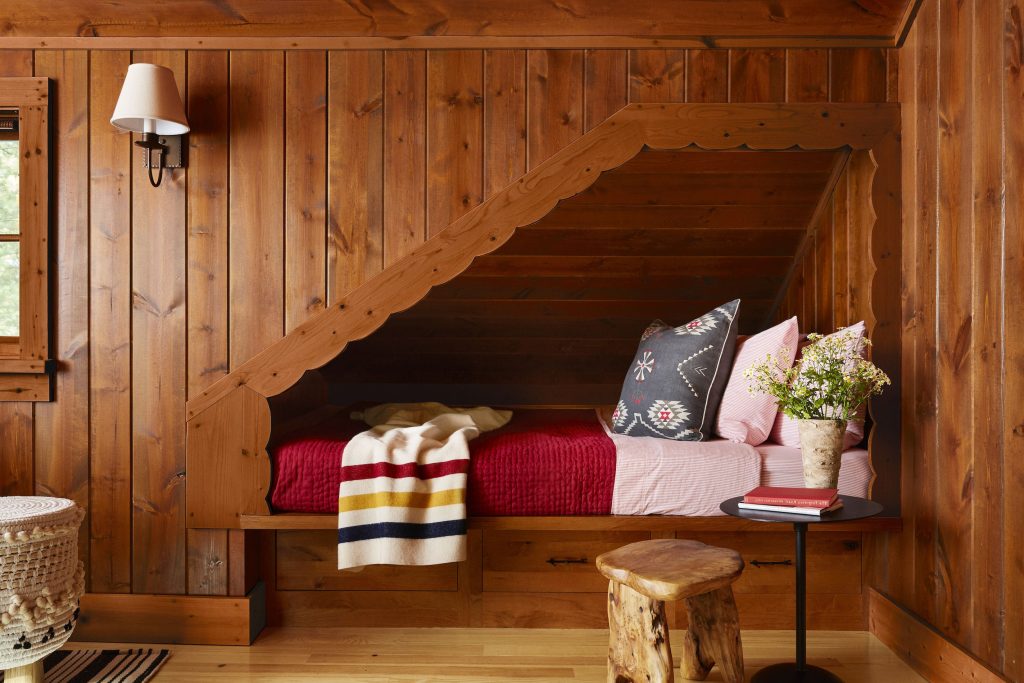
Are you looking to give your bedroom a warm, cozy makeover that feels both stylish and inviting? Decorating with wood paneling might be just the touch your space needs.
Imagine the natural texture and rich tones of wood bringing a sense of calm and character to your room. In this guide, you’ll discover simple, practical ways to use wood paneling that match your style and make your bedroom truly feel like your personal retreat.
Ready to transform your space? Let’s dive in and explore how you can create a bedroom you love with wood paneling.

Credit: www.tiktok.com
Choosing The Right Wood Paneling
Choosing the right wood paneling can transform your bedroom from bland to beautiful. The type of wood, its color, finish, and environmental impact all play key roles in how the space feels and functions. Think about what mood you want to create and how the paneling will interact with your existing decor.
Types Of Wood Panels
Wood panels come in various styles, each bringing a unique texture and character to your bedroom.
- Shiplap:Offers a clean, horizontal line that works well for modern and rustic looks.
- Beadboard:Features narrow vertical planks with a classic, cottage feel.
- Reclaimed Wood:Adds history and charm with weathered textures and colors.
- Flat Panels:Smooth and simple, ideal if you want the wood to blend without overpowering.
Consider how the panel style fits your bedroom’s vibe. Would you prefer something sleek or something with more character?
Colors And Finishes
Wood paneling color sets the tone of your room. Lighter shades like whitewashed or natural pine brighten the space and create openness.
Darker stains, such as walnut or mahogany, add warmth and coziness but can make a small room feel smaller.
- Matte finish:Gives a subtle, natural look that feels less flashy.
- Semi-gloss:Reflects light, making the wood grain pop and adding a polished touch.
- Distressed finish:Adds texture and a vintage vibe, great for rustic or farmhouse styles.
Ask yourself: Do you want your wood paneling to stand out or complement other elements quietly?
Eco-friendly Options
Choosing sustainable wood helps you care for the planet while decorating your bedroom.
Look for certifications like FSC (Forest Stewardship Council) to ensure the wood comes from responsibly managed forests.
- Bamboo panels:Fast-growing and renewable, bamboo is a strong eco choice.
- Reclaimed wood:Reuses existing materials and adds unique character.
- Low-VOC finishes:Protect your indoor air quality by choosing finishes with minimal volatile organic compounds.
Could your wood paneling choice support both style and sustainability? It’s worth considering how your design impacts the environment long-term.
Preparing Your Bedroom Walls
Clear the walls of nails and holes before adding wood paneling. Smooth surfaces help panels stick better and look neat. Sand rough spots to create an even base for decoration.
Preparing your bedroom walls for wood paneling is crucial. It sets the stage for a beautiful transformation. Proper preparation ensures the panels adhere well and look stunning.Measuring And Planning
Accurate measurements are essential. Measure your bedroom walls carefully. Use a measuring tape for precise dimensions. Plan the layout by sketching your ideas on paper. Consider the panel sizes and patterns. Create a visual guide to follow. This helps avoid mistakes and ensures a neat finish.Surface Preparation Tips
Prepare the walls thoroughly. Clean the surfaces to remove dust and grease. Inspect for any damage like cracks or holes. Repair these using filler or spackle. Sand the walls to create a smooth base. A smooth surface helps panels stick better. Ensure the walls are dry before proceeding.Tools And Materials Needed
Gather necessary tools and materials. You will need a saw for cutting panels. A level ensures straight lines. Use a hammer or nail gun for fixing panels. Get adhesive for securing panels to walls. Sandpaper smooths out rough edges. Safety gear like gloves and goggles is important. Having everything ready saves time.Installation Techniques
Installing wood paneling in your bedroom can dramatically change the space, but getting the technique right is key to a polished look. Proper installation not only enhances the room’s aesthetics but also ensures durability and ease of maintenance. Let’s dive into practical steps and tips to make your wood paneling project successful.
Step-by-step Installation
Start by measuring your walls carefully and choosing the right type of wood paneling that fits your style and room size. Prepare the surface by cleaning and smoothing any imperfections to ensure the panels adhere properly.
Use a level to mark guidelines on the wall, which helps keep the panels straight. Attach the panels with nails or adhesive, depending on your wall type and panel weight. Don’t rush; take your time aligning each panel for a seamless finish.
Handling Corners And Edges
Corners can be tricky, but cutting panels at a 45-degree angle creates neat joints that look professional. If your walls have unusual edges or curves, consider flexible trim pieces to bridge gaps without cracking.
Use corner molding to cover raw edges and protect the paneling from damage. This small detail can make a big difference in the overall look and longevity of your installation.
Maintaining Structural Integrity
Wood paneling needs a stable base. Make sure your walls are dry and free from mold or damage before starting. Installing a moisture barrier in humid climates helps prevent warping and swelling.
Secure panels firmly to studs or use furring strips to create a solid frame behind them. This support prevents sagging and keeps your wall looking smooth for years to come.

Credit: www.tiktok.com
Styling With Wood Paneling
Styling with wood paneling brings warmth and charm to any bedroom. It creates a natural backdrop that works with many design styles. Proper styling enhances the wood’s beauty without overwhelming the space. Focus on mixing elements that highlight the texture and color of the panels. This approach creates a cozy and inviting atmosphere for rest and relaxation.
Combining Textures And Fabrics
Soft fabrics balance the hard surface of wood panels. Use plush rugs, velvet cushions, or linen curtains to add comfort. Mixing smooth and rough textures creates visual interest. Layer textiles in neutral or earthy tones to keep the look calm. Patterns like stripes or florals can add personality without clashing.
Choosing Complementary Furniture
Pick furniture that matches the wood’s tone for a cohesive look. Light wood panels pair well with white or pastel furniture. Dark panels suit leather or metal pieces for contrast. Keep furniture shapes simple to let the wood remain the focus. Avoid bulky items that crowd the room or hide the panels.
Incorporating Lighting Effects
Lighting enhances the natural grain and color of wood panels. Use warm LED lights to bring out rich tones. Place lamps near walls to create soft shadows and depth. Consider string lights or sconces to add charm without harshness. Avoid bright, cold lighting that makes the wood look dull.
Creative Wood Paneling Ideas
Wood paneling offers many ways to bring warmth and style to a bedroom. It adds texture and character that paint alone cannot achieve. Creative wood paneling ideas can change the entire feel of your room. The options range from bold statements to subtle touches.
Explore these ideas to make your bedroom unique and inviting. Each choice can fit different tastes and room sizes. Wood can be classic, modern, or rustic depending on the design.
Accent Walls
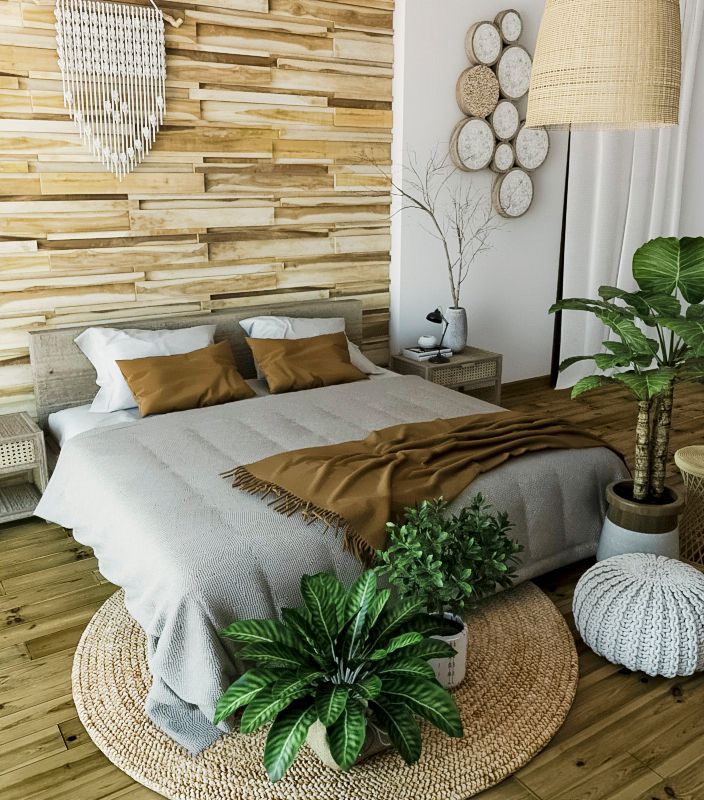
Use wood paneling on one wall to create a strong focal point. This draws attention and adds depth to the space. Choose wood with rich grain or color for more impact. Horizontal panels make the room look wider. Vertical panels add height. Mix wood tones for a dynamic look. Accent walls work well behind the bed or a reading nook.
Ceiling Panels
Wood on the ceiling brings warmth above and adds interest. It can make the room feel cozy and inviting. Use light wood to keep the space bright. Dark wood adds drama and elegance. Panel designs like shiplap or beams create texture and style. Ceiling paneling also hides imperfections and adds sound insulation.
Mixing Wood With Other Materials
Combine wood paneling with stone, brick, or painted walls for contrast. This mix adds visual layers and balance. Wood pairs well with soft fabrics and metals too. Use wood panels for the lower half of walls and paint above for variety. Shelves or furniture in matching wood tones create harmony. This blend suits modern and rustic designs alike.
Maintaining Wood Paneling
Maintaining wood paneling in your bedroom keeps it looking fresh and inviting. Regular care protects the natural beauty of the wood and extends its life. Simple habits and timely touch-ups make a big difference in preserving the warmth and character wood brings to your space.
Cleaning Tips
Dust your wood paneling often using a soft cloth or microfiber duster. This prevents dirt buildup that can dull the finish. For deeper cleaning, mix a small amount of mild soap with water and gently wipe the panels.
Avoid soaking the wood; use a damp, not wet, cloth and dry immediately. Have you tried using a wood-specific cleaner? It can enhance shine without harming the surface. Regular cleaning keeps your paneling vibrant and free from grime.
Preventing Damage
Protect your wood from scratches and dents by being mindful of furniture placement and avoiding sharp objects near the walls. Use felt pads under chairs or tables close to the paneling.
Control room humidity to prevent wood from warping or cracking. A humidifier in dry seasons or a dehumidifier in damp months can help maintain balance. What’s your room’s humidity level? Keeping it stable preserves the wood’s integrity.
Refinishing And Repairs
Over time, paneling may lose its luster or develop minor damages. Light sanding followed by a fresh coat of stain or varnish can renew its appearance. If you spot scratches or small holes, wood fillers are easy to apply and blend seamlessly.
Consider refinishing as a way to update the color or finish if your style changes. Have you thought about testing a small patch first? This helps you see the new look before committing to the whole wall.
Credit: woodywalls.com
Frequently Asked Questions
What Are The Best Wood Types For Bedroom Paneling?
Popular wood types for paneling include oak, pine, cedar, and walnut. They offer durability and aesthetic appeal. Choose wood that matches your bedroom style and budget. Proper finishing enhances wood’s natural beauty and longevity.
How To Maintain Wood Paneling In A Bedroom?
Regular dusting and gentle cleaning with a damp cloth keep paneling pristine. Avoid harsh chemicals that damage wood. Applying polish or wood conditioner every few months preserves shine and prevents drying or cracking.
Can Wood Paneling Make A Bedroom Look Bigger?
Yes, vertical wood paneling can create an illusion of height and space. Light-colored wood panels reflect light, making the room feel brighter and larger. Combining paneling with mirrors enhances this spacious effect.
Is Wood Paneling Suitable For All Bedroom Styles?
Wood paneling adapts well to rustic, modern, and traditional styles. Choose panel design and finish accordingly. Smooth, painted panels suit modern looks, while natural, textured wood fits rustic themes.
Conclusion
Wood paneling brings warmth and charm to any bedroom. It creates a cozy, inviting space you will enjoy. Choose colors and textures that match your style. Add simple decorations to keep the room balanced. Wood walls are easy to clean and last long.
Small changes can make a big difference in mood. Try mixing wood with soft fabrics for comfort. This style suits many tastes and budgets. Start with one wall and see how it feels. Your bedroom can become a calm, beautiful retreat.