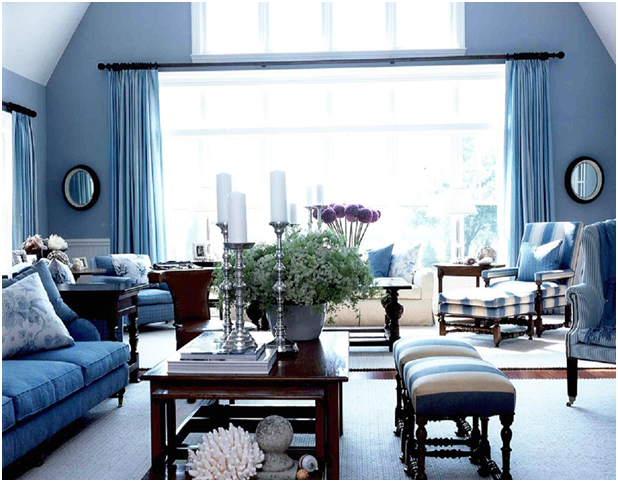
Are you wondering if light blue and dark blue can really work together in your home decor? You might think two shades of the same color could clash or look dull, but the truth is they can create a stunning and balanced space when used right.
Imagine the calm of a clear sky blending with the depth of the ocean—this contrast can bring your rooms to life in ways you never expected. Keep reading to discover how you can mix these blues to transform your space into a stylish and inviting haven.
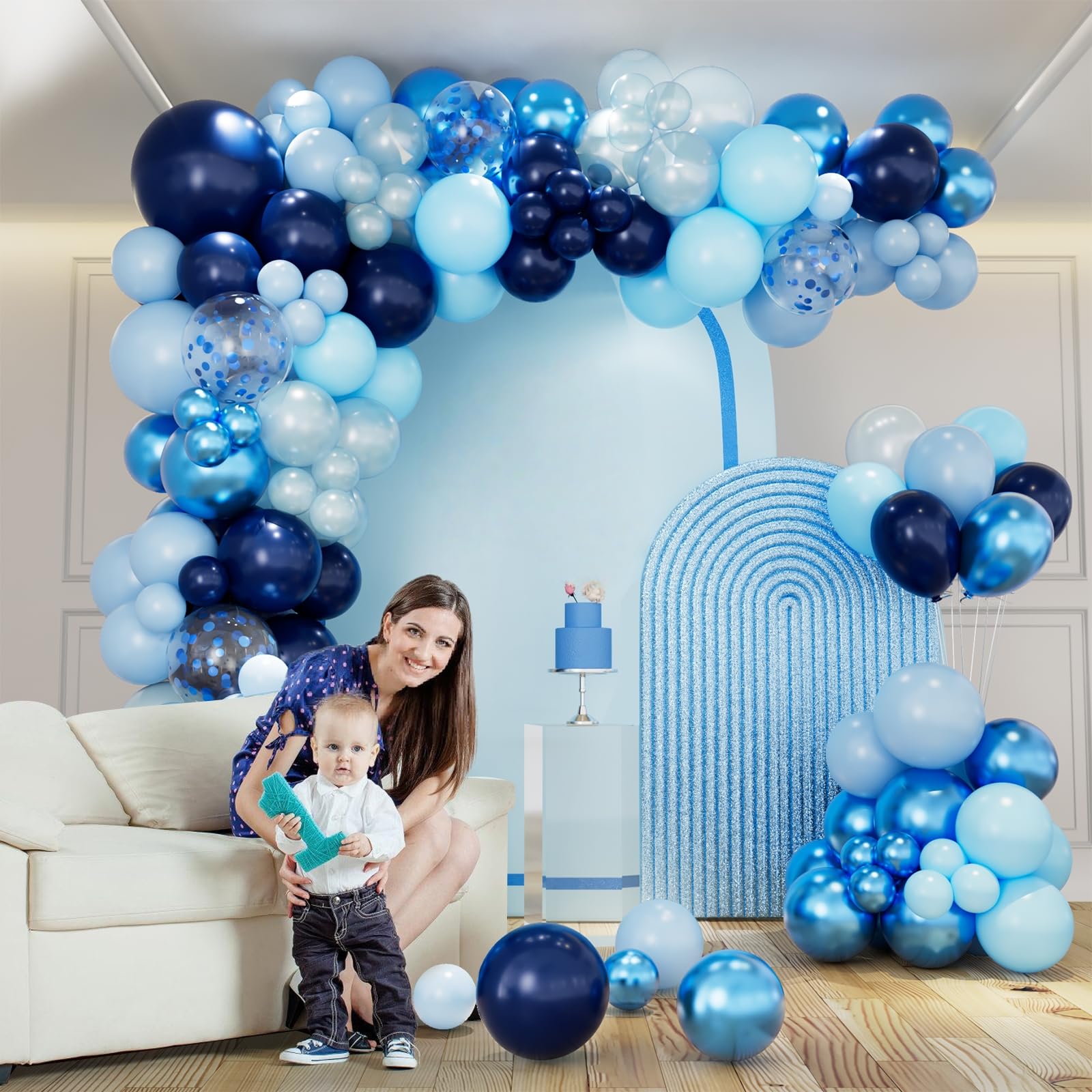
Credit: www.amazon.com
Color Harmony Between Light And Dark Blue
Combining light blue with dark blue in your decor can create a stunning visual effect that feels both refreshing and sophisticated. These two shades belong to the same color family, which naturally makes them work well together. Understanding how to balance these hues will help you design a space that feels cohesive without overwhelming your senses.
Creating Depth With Blue Shades
Using light and dark blue together adds layers to your room’s appearance. Dark blue acts like a backdrop, anchoring the space, while light blue brings in brightness and airiness. Imagine a navy sofa paired with pale blue cushions—the contrast makes each piece pop without clashing.
Try painting one wall in a deep blue and the adjacent walls in a soft, light blue. This trick gives your room dimension and invites your eyes to move around the space naturally. Have you noticed how this approach makes even smaller rooms feel more dynamic?
Balancing Cool Tones In A Room
Both light and dark blue are cool colors, which can sometimes make a room feel chilly if not handled carefully. To avoid this, balance your blues with warm elements like wooden furniture or golden accents. This mix keeps the space inviting and comfortable.
Consider adding textures like plush rugs or cozy throws in neutral tones to soften the coolness. You don’t want the blues to compete for attention—they should work together to create a calm and balanced atmosphere. What warm touches can you introduce to harmonize your blues?
Choosing The Right Light And Dark Blue Pairings
Light blue pairs well with dark blue by creating a calm and balanced look. Using both shades adds depth without clashing, perfect for many decor styles. Mixing these blues brings a fresh, cool feel to any room.
Choosing the right light and dark blue pairings can transform your space into a tranquil oasis or a bold statement room. The harmony between these shades depends on their undertones and how they interact with other elements in your decor. Mixing light and dark blues can be a delightful challenge, offering endless opportunities to express your personal style. Whether you’re aiming for a coastal vibe or a sophisticated elegance, the key lies in finding the perfect balance.Popular Light Blue Variants
Light blue comes in a variety of shades, each with its own unique charm. Sky blue is airy and refreshing, reminiscent of clear days. Powder blue offers a soft, vintage feel, ideal for creating a calming atmosphere. Baby blue is light and playful, perfect for a nursery or a space seeking a touch of innocence. Pairing these with dark blue requires considering the mood you wish to create.Rich Dark Blue Options
Dark blues exude richness and depth. Navy blue is classic and versatile, often used for a sophisticated look. Royal blue is vibrant and commanding, perfect for adding drama to a room. Indigo offers a mysterious and artistic vibe, making it ideal for creative spaces. Choosing the right dark blue can anchor your decor, giving it a grounded and cohesive feel.Matching Undertones
The secret to a successful pairing lies in matching undertones. Examine the subtle hues in your light and dark blue choices. Do they lean towards green, purple, or gray? Undertones can affect how colors are perceived, so aligning them ensures harmony. For example, a light blue with green undertones pairs beautifully with a dark teal. Consider the other elements in your room, like furniture and accessories. Are they warm or cool? Aligning these with your blues can create a seamless look. Ask yourself: What emotion do you want your space to evoke? The answer will guide you to the perfect blue pairings.Best Rooms For Light And Dark Blue Combinations
Choosing to blend light blue with dark blue creates a dynamic and soothing color scheme that can work beautifully in many parts of your home. These two shades complement each other by balancing brightness with depth, making spaces feel both lively and calm. Picking the right rooms for this combo can highlight the unique qualities of each blue and boost your room’s overall vibe.
Living Areas
Light and dark blue work wonders in living rooms and family spaces. The lighter blue can make the walls feel open and airy, while dark blue accents in furniture or pillows add richness and focus. Have you tried painting one wall dark blue while keeping the rest light? It creates a stunning backdrop without overwhelming the room.
This combination encourages relaxation yet keeps the space visually interesting. You might also add natural textures like wood or rattan to warm up the coolness of blue tones.
Bedrooms
In bedrooms, light and dark blue can create a peaceful retreat. Use light blue on walls or bedding for a calming effect that helps you unwind. Then, add dark blue with throw blankets, curtains, or rugs to introduce depth and coziness.
Think about your personal comfort: does the deep blue help you feel grounded at night? Experiment with different shades to find the perfect balance for restful sleep.
Kitchens And Bathrooms
Kitchens and bathrooms benefit from the freshness light and dark blue provide. Light blue tiles or paint can brighten these smaller spaces, making them feel cleaner and larger. Dark blue cabinets or accents add sophistication without being too bold.
Consider pairing these blues with white countertops or fixtures to keep the look crisp and modern. Does adding dark blue make your kitchen or bathroom feel more inviting or stylish to you?
Complementary Colors To Enhance Blue Decor
Choosing the right complementary colors can make your blue decor truly stand out. Light blue paired with dark blue creates a soothing, layered effect, but adding the right accents brings depth and interest. Consider how neutrals, accent colors, and metallic finishes can enhance your blue shades and transform your space.
Neutrals That Work Well
Neutral colors provide a calm backdrop that helps blue shades pop without overwhelming the room. Whites, creams, and soft grays are safe bets that balance both light and dark blue beautifully.
Think about adding a crisp white rug or pale gray curtains to soften the contrast between your blues. These neutrals give your eyes a place to rest and prevent the blues from competing with each other.
Accent Colors For Contrast
Adding accent colors can energize your blue decor and create focal points. Warm tones like burnt orange, mustard yellow, or coral offer exciting contrast to the cool blues.
Try a few throw pillows in a rich mustard or a coral vase on a dark blue shelf. These pops of color draw attention and add personality without clashing.
Metallic Finishes And Blue
Metallics bring a touch of luxury and sophistication when paired with blue tones. Gold, brass, or copper accents work especially well with dark blue, while silver or chrome pairs nicely with light blue.
Consider a brass lamp on a light blue side table or silver picture frames against a dark blue wall. These finishes reflect light and add a subtle shine that lifts the overall decor.
Tips For Using Light And Dark Blue In Furniture And Fabrics
Using light and dark blue in furniture and fabrics creates a fresh, calming space. The contrast adds depth and interest without overwhelming the room. Follow simple tips to balance these shades effectively. This balance helps the room feel cozy yet open.
Choosing Upholstery
Select upholstery in one shade to anchor the room. Dark blue works well for large pieces like sofas. It hides stains and adds richness. Light blue upholstery brightens smaller chairs or ottomans. It brings softness and contrast without clashing.
Use durable fabrics with a matte finish to avoid glare. Linen and cotton blends suit light blue well. Velvet or microfiber enhance dark blue’s luxurious feel. Keep upholstery colors solid to mix easily with patterned accents.
Curtains And Rugs
Light blue curtains let in more light and make the room airy. Choose thicker fabrics for privacy and warmth. Dark blue curtains create a bold, dramatic effect. Use them in rooms needing cozy or formal vibes.
Rugs offer a chance to blend both blues. Try rugs with light blue backgrounds and dark blue patterns. This helps tie furniture and curtains together. Choose soft textures for comfort underfoot. Wool or cotton rugs work well in living spaces.
Mixing Patterns And Textures
Mix patterns in light and dark blue for visual interest. Stripes, florals, and geometric shapes add personality. Keep patterns simple and avoid too many colors. This keeps the look clean and coordinated.
Textures break up flat color areas. Combine smooth fabrics like silk with rougher ones like jute. Soft cushions in light blue velvet contrast nicely with dark blue linen throws. This layering adds warmth and style.
Lighting Effects On Blue Shades
Lighting plays a crucial role in how blue shades appear in your space. The contrast between light blue and dark blue can shift dramatically depending on the type and amount of light. Understanding these effects helps you create a balanced, inviting atmosphere that highlights your design choices.
Natural Light Impact
Natural light changes throughout the day, influencing how blue tones look. In bright sunlight, light blue can seem vibrant and airy, while dark blue may appear richer and deeper. During cloudy days or evenings, both blues soften, sometimes blending closer together.
Have you noticed how a room painted with blue feels cooler near windows? That’s because natural light enhances blue’s calming qualities. Position your blues where they can catch daylight to keep your space feeling fresh and lively.
Artificial Lighting Choices
Your choice of bulbs affects blue shades more than you might expect. Warm lights, like incandescent or soft LED, add a golden glow that can mute the crispness of light blue and darken the dark blue. Cooler lights, such as daylight LEDs, preserve the true tone but can make the space feel colder.
Try mixing lighting types to create depth. For example, use warm accent lamps with cool overhead lights to add contrast and make blue shades pop. What kind of lighting makes you feel most comfortable in a blue-themed room?
Highlighting Blue Features
Use lighting strategically to draw attention to specific blue areas. Spotlights on a dark blue accent wall can emphasize its richness. Similarly, under-cabinet lights can brighten a light blue backsplash, making it stand out.
Adding dimmers gives you control over how intense the blues appear throughout the day. Experiment with lighting angles and brightness to see how your blues transform. Which blue feature in your space deserves the spotlight?
Avoiding Common Mistakes With Blue Decor
Using light blue and dark blue together can create a stunning and harmonious look, but it’s easy to slip into common pitfalls that weaken your design. Avoiding these mistakes will help you make the most of your blue decor and ensure your space feels balanced and inviting. Let’s look at some frequent errors and how to steer clear of them.
Overuse Of Dark Blue
Dark blue can be overpowering if used too much. It tends to absorb light and can make a room feel smaller and gloomier. Instead of covering every wall or piece of furniture in dark blue, try using it as an accent color—think cushions, rugs, or a single statement wall.
Have you noticed how a splash of dark blue can add depth without overwhelming a space? This balance keeps your room feeling cozy yet open.
Ignoring Room Size
Room size plays a big role in how blues appear. In small rooms, dark blue can quickly become oppressive, while light blue might make the space feel larger and airier. If your room is small, prioritize light blue on walls and larger surfaces, saving dark blue for smaller accents.
Ask yourself: Does the space feel cramped or spacious? Adjust your blue tones accordingly to maintain a comfortable atmosphere.
Clashing Color Combinations
Not all colors pair well with blue shades. Mixing blues with clashing or overly bright colors can disrupt the calm and cohesive feeling you want. Stick to colors that complement blue, like soft neutrals, whites, or gentle pastels.
Think about the mood you want to create. Would a bright orange or neon green enhance it, or distract from your blues? Choosing the right companions for your blues is key to a polished look.

Credit: www.goodhousekeeping.com
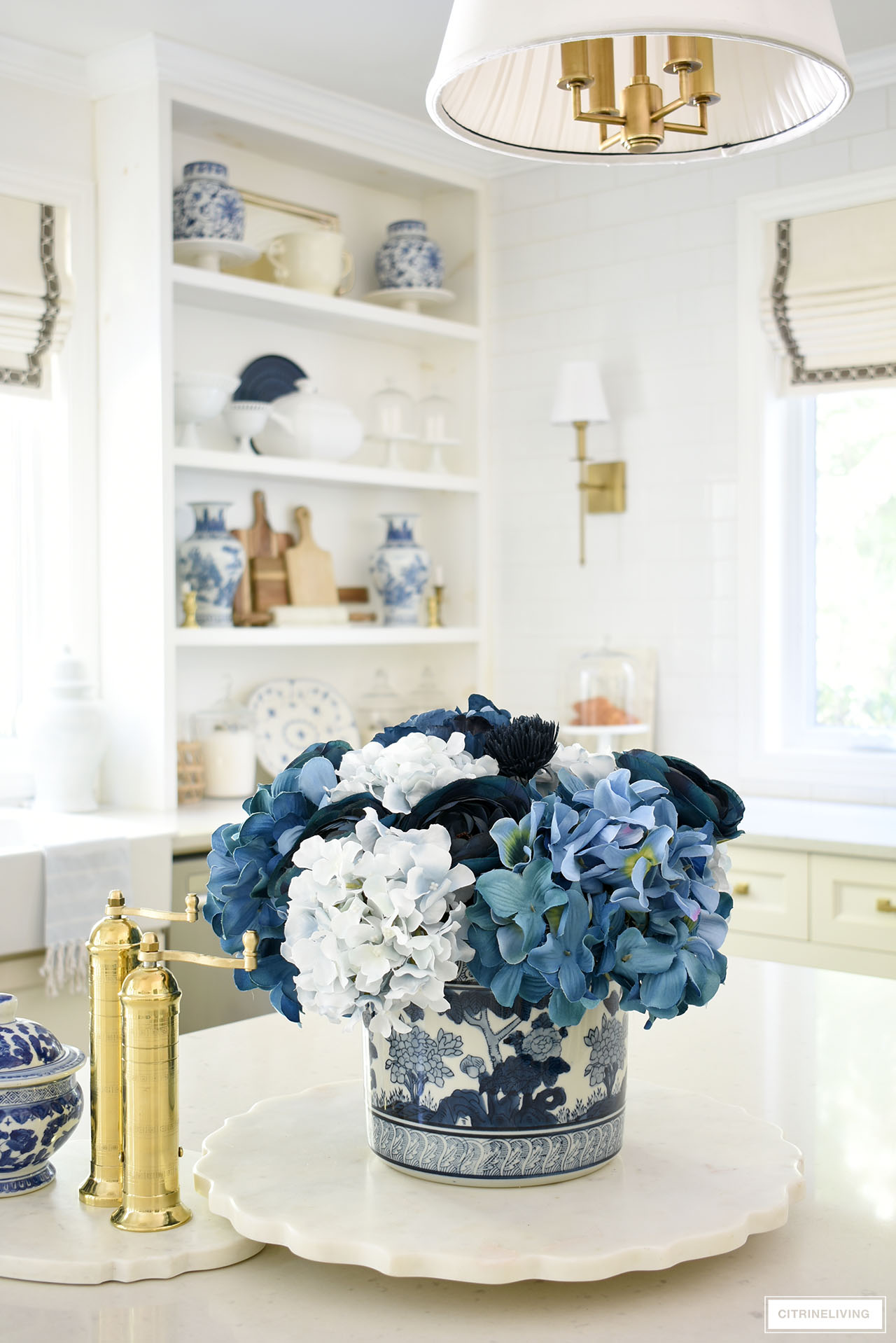
Credit: citrineliving.com
Frequently Asked Questions
Does Light Blue Complement Dark Blue In Decor?
Yes, light blue complements dark blue by creating a balanced, calming contrast. This pairing adds depth and interest to any space.
How To Combine Light And Dark Blue In A Room?
Use light blue for walls or large areas and dark blue for accents like pillows or rugs. This creates a harmonious look.
Are Light And Dark Blue Suitable For Modern Interiors?
Absolutely, these shades work well in modern designs. They add sophistication while maintaining a fresh, serene atmosphere.
Can Light And Dark Blue Be Used In Small Spaces?
Yes, light blue can make small rooms feel larger, while dark blue adds depth without overwhelming the space.
Conclusion
Light blue and dark blue create a calm and balanced space. They fit well together in many rooms. Using both shades adds depth and interest to your decor. Keep your furniture and accessories simple to highlight the blues. Mixing these colors can make your room feel fresh and cozy.
Try this combination to bring peace and style into your home. It works for walls, fabrics, and decorations. Blue shades make any space inviting and relaxing. Give it a try and enjoy the harmony it brings.