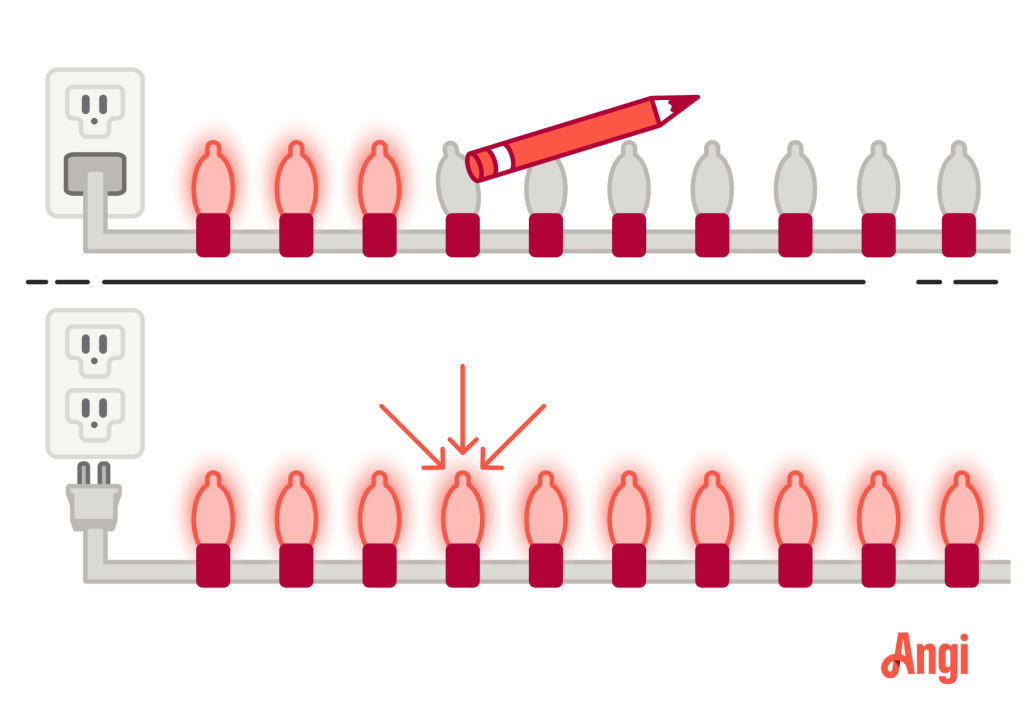
Have you ever noticed how your decorative lights behave when one bulb goes out? Do all the lights suddenly turn off, or do the others stay bright?
Understanding whether decorative lights are wired in a series circuit can change the way you handle and troubleshoot them. You’ll discover the secrets behind these glowing strings and learn how their wiring affects their performance. Keep reading to find out how this simple concept can save you time and frustration when decorating your space.
Basics Of Series Circuits
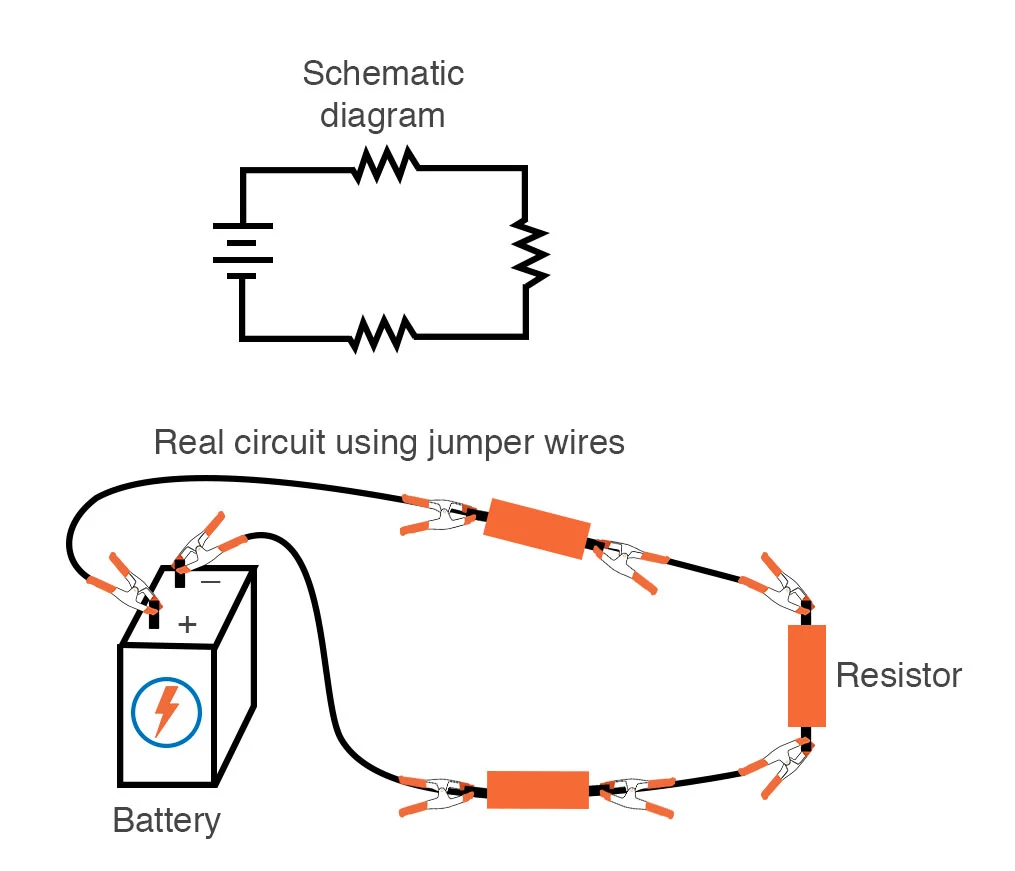
Understanding the basics of series circuits is important to know how decorative lights work. A series circuit connects electrical parts in a single path. Electricity flows through each part one after another. This simple setup affects how devices like decorative lights function.
How Series Circuits Work
In a series circuit, all components link in one line. The electric current flows through each component without splitting. If one component breaks or disconnects, the whole circuit stops working. The voltage divides among the components based on their resistance. The current stays the same through every part of the circuit.
Common Characteristics
- Only one path for current to flow
- Current is the same in all components
- Voltage is divided among components
- If one component fails, the circuit breaks
- Simple design, easy to understand and build
Types Of Decorative Light Circuits
Decorative light circuits often use series or parallel wiring. Series circuits connect lights one after another, so if one bulb fails, the whole string goes out. Understanding these types helps in choosing the right setup for decoration needs.
Types of Decorative Light Circuits Decorative lights add charm to any space. The wiring of these lights affects their performance. Understanding the types of circuits can help choose the right lights. There are three main types of circuits used in decorative lighting. Each type offers unique features and benefits.Series Circuit Lights
Series circuits are common in decorative lights. In this setup, lights connect one after another. If one bulb fails, the entire string stops working. This can be frustrating during festive seasons. Series circuits are simple and cost-effective. They are often used in holiday string lights.Parallel Circuit Lights
Parallel circuits are more reliable than series circuits. Each bulb connects independently to the power source. If one light goes out, others stay lit. This design is ideal for larger installations. It provides consistent lighting and easier maintenance. It is often found in modern decorative lights.Hybrid Circuit Designs
Hybrid circuits combine series and parallel features. They offer flexibility and reliability. Some sections are wired in series, others in parallel. This design reduces the risk of total failure. It is useful for complex lighting displays. Hybrid circuits cater to diverse lighting needs. Understanding these circuit types can enhance lighting choices. Each type has its advantages and drawbacks. Knowing them aids in selecting the perfect lights for any occasion.Signs Your Decorative Lights Are In Series
Figuring out whether your decorative lights are wired in a series circuit can save you time and frustration during setup or troubleshooting. There are clear signs that indicate a series connection, and recognizing them helps you understand how your lights will behave under different conditions. Paying attention to these clues can prevent unexpected outages and guide you in choosing the right replacement bulbs or fixes.
Effects Of A Single Bulb Failure
One of the most obvious signs your decorative lights are in series is how they react when a single bulb goes out. In a series circuit, the electricity flows through each bulb one after the other. If one bulb fails or is removed, the entire string usually goes dark.
Have you ever seen your whole string of lights turn off because one bulb was loose or broken? That’s a classic indication of a series circuit. You might notice that tightening or replacing the faulty bulb instantly restores the whole string’s glow.
Voltage And Brightness Patterns
Another clue lies in how the brightness changes along the string. In a series setup, the voltage divides evenly across all bulbs. This means each bulb gets a share of the total voltage.
If one bulb is dimmer than the others, it could suggest uneven voltage distribution or a failing bulb affecting the rest. Also, adding more bulbs in series often makes all the lights dimmer because the same voltage is split among more bulbs.
Do you see a pattern where the lights near the power source are brighter than those farther away? That’s a sign of voltage drop, which is common in series circuits. Understanding these patterns helps you troubleshoot and optimize your decorative lighting.

Credit: www.shutterstock.com
Advantages And Disadvantages Of Series Circuits
Series circuits have unique advantages and disadvantages that affect their use in decorative lights. Understanding these helps in choosing the right setup for your needs. Series circuits connect components one after another, creating a single path for current. This design offers simplicity but also brings some challenges.
Simplicity And Cost
Series circuits are easy to design and build. They require fewer wires, which lowers the cost. This makes them popular for simple decorative light strings. Installation is straightforward, saving time and effort. Fewer components also mean less chance of wiring errors.
Limitations And Risks
One big drawback is that if one bulb fails, the entire string goes out. This happens because the current path is broken. Troubleshooting can be difficult and frustrating. Series circuits also have less brightness as more bulbs are added. The voltage divides among all lights, reducing their intensity. These risks limit the use of series circuits in complex lighting setups.
How To Identify Your Decorative Light Wiring
Identifying the wiring type of your decorative lights helps understand how they work. It affects how to fix them if they break. Decorative lights usually connect in series or parallel circuits. Knowing which one you have guides safe use and repair.
Visual Inspection Tips
Start by looking at the entire string of lights. Check if each bulb is connected one after another in a single line. In a series circuit, all bulbs share one path. If one bulb is missing or broken, the entire string often goes out.
Look for these signs:
- Wires running from one bulb to the next without branching off.
- Each bulb socket connected in a chain.
- No separate wire paths to individual bulbs.
If bulbs light up even when one is removed, it suggests a parallel circuit. Series circuits do not work this way.
Using A Multimeter For Testing
A multimeter measures electrical flow and resistance in circuits. Set it to measure continuity or resistance (ohms). Touch the probes to both ends of the light string wires. If the multimeter shows low resistance, the circuit is complete.
Next, test across each bulb socket:
- In a series circuit, the multimeter shows continuity through all bulbs in a chain.
- In parallel circuits, continuity is separate for each bulb socket.
Testing bulbs one by one helps find open points in series wiring. The multimeter offers a clear way to identify wiring type safely and accurately.
Credit: www.iitianacademy.com
Troubleshooting Common Issues
Decorative lights, especially those wired in series circuits, can sometimes cause frustration when they don’t light up as expected. Troubleshooting these common issues requires a clear understanding of how the circuit works and what typically goes wrong. Knowing how to quickly identify and fix problems can save you time and keep your lights shining bright.
Fixing Burnt Out Bulbs
In a series circuit, a single burnt-out bulb can cause the entire string to go dark. This happens because the electrical path is broken at that bulb, stopping the current flow.
Start by checking each bulb carefully. Sometimes, the filaments inside look broken or blackened. If you find a damaged bulb, replace it with one of the same voltage and type.
Keep a spare set of bulbs handy. This way, you won’t waste time searching for replacements when a bulb burns out unexpectedly.
Preventing Circuit Failures
Circuit failures can occur from loose connections, damaged wires, or corrosion on bulb sockets. These issues interrupt the flow of electricity and may cause flickering or complete outages.
- Inspect all connections regularly to ensure they are tight and secure.
- Keep the sockets clean and dry to prevent corrosion, especially if your lights are outdoors.
- Avoid overloading the circuit with too many strings connected together.
Have you ever noticed a string of lights flicker only to find a loose bulb socket? Taking a moment to tighten and clean these contacts can prevent bigger problems down the line.
Choosing The Right Circuit For Your Needs
Choosing the right circuit for your decorative lights impacts both their performance and your convenience. Understanding the difference between series and parallel circuits helps you avoid common frustrations like lights going out unexpectedly. Let’s look at when a series circuit might work for you and why parallel circuits often offer more benefits.
When To Use Series Circuits
Series circuits connect lights one after another, so the current flows through each bulb in a single path. This setup is simple and can be cost-effective for short strands of lights.
If you want all your lights to turn off together, a series circuit fits the bill. It’s also easier to install when you have fewer bulbs, like in small decorative projects.
However, if one bulb burns out or is removed, the entire string goes dark. Ask yourself: Are you okay with this risk? If you don’t mind checking each bulb regularly, series wiring might suit your needs.
Benefits Of Parallel Circuits
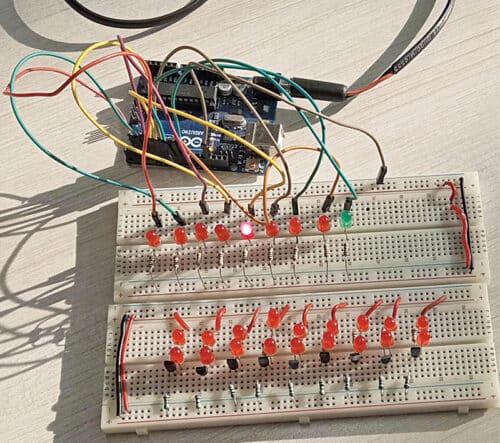
Parallel circuits supply power to each bulb independently, so one bulb failing won’t affect the others. This design is perfect for longer strands or outdoor decorations where reliability matters.
Parallel wiring keeps the brightness consistent across all bulbs because each gets the full voltage. This means your lights look evenly bright, enhancing your display.
While parallel circuits can be more complex to set up, they save you time and hassle in the long run. Consider this: Would you rather replace a single bulb or troubleshoot an entire dark string?
Credit: www.electronicsforu.com
Frequently Asked Questions
Are Decorative Lights Wired In Series Or Parallel?
Decorative lights can be wired in either series or parallel. Series wiring means one bulb affects the whole string. Parallel wiring allows bulbs to operate independently, so one bulb failing won’t turn off the entire set.
Why Do Some Decorative Lights Go Out Entirely?
If decorative lights are wired in series, one burnt-out bulb breaks the circuit. This causes the entire string to go dark. Parallel wiring prevents this, as each bulb has its own circuit path.
How Does Series Wiring Affect Decorative Light Brightness?
In series wiring, the voltage divides across bulbs. Adding more bulbs reduces brightness, as each bulb gets less voltage. Parallel wiring maintains consistent brightness, regardless of the number of bulbs connected.
Can I Mix Series And Parallel In Decorative Lights?
Yes, some decorative lights combine series and parallel wiring. This design balances brightness and reliability. It prevents the whole string from going out while keeping manufacturing costs low.
Conclusion
Decorative lights can be a series circuit, but not always. In a series circuit, all lights connect in a single path. If one light breaks, all go out. Some decorative lights use parallel circuits to avoid this problem. Knowing the type helps you fix or choose the right lights.
Always check the wiring before buying or repairing. This simple fact saves time and frustration. Understanding circuits makes decorating easier and safer. Choose wisely for bright, lasting holiday or party lights.