Have you ever noticed how the same light can feel completely different depending on the room you’re in? If you’ve wondered whether decorators actually change light colors by room, you’re not alone.
The way light interacts with your space can affect your mood, focus, and even how your furniture and colors appear. You’ll discover why professionals adjust lighting colors from room to room—and how this simple trick can transform your home’s atmosphere.
Keep reading to learn how to make your rooms feel just right with the perfect light color.
:max_bytes(150000):strip_icc()/GettyImages-1202269257-f1283f5c4a5a4a359bcc97c47257292b.jpg)
Credit: www.thespruce.com
Role Of Decorators In Lighting Choices
Decorators play a key role in choosing light colors for each room. They understand how different lights affect a room’s mood and function. Their choices help make spaces feel cozy, bright, or calm. Lighting can change how colors look and how comfortable a room feels. This is why decorators focus on picking the right light color for every area.
Impact On Room Ambiance
Decorators know light color sets the room’s mood. Warm lights create a cozy, relaxing feel. Cool lights make a space feel fresh and energetic. They adjust light colors to match the room’s purpose. For example, soft lights suit bedrooms, while bright lights work well in kitchens. The right light color can make a room inviting and pleasant.
Balancing Function And Style
Light must look good and work well. Decorators choose colors that fit the room’s style and tasks. They mix natural and artificial light for balance. Bright white lights help with reading and work. Warm yellow lights add charm and comfort. This balance makes rooms both stylish and useful every day.

Credit: food52.com
Factors Influencing Light Color Selection
Choosing the right light color for each room isn’t just about aesthetics; it’s about creating the right mood and functionality. Factors like the room’s purpose, the availability of natural light, and existing color schemes play a pivotal role in this decision-making process. Understanding these elements can transform any space, making it more inviting and efficient.
Room Purpose And Activities
The primary function of a room often dictates its light color. Think about a kitchen where precision is key—cool white light can enhance visibility, perfect for chopping and cooking. On the other hand, a living room meant for relaxation might benefit from warmer hues, fostering a cozy ambiance. Consider your daily activities and how lighting can support them.
Natural Light Availability
Natural light significantly impacts the choice of artificial light. If a room is flooded with sunlight, you might opt for cooler shades that balance the warm natural glow. Conversely, a dim room could benefit from brighter, warmer lighting to compensate for the lack of daylight. Observe the sun’s path and adjust your lighting accordingly.
Existing Color Schemes
The color palette already present in a room influences light selection. A room with bold colors may require neutral lighting to prevent clashing, whereas soft pastel walls might pair beautifully with warm lighting, enhancing the overall softness. Evaluate your current décor and choose lighting that complements rather than competes.
How Light Colors Affect Room Perception
Light colors shape how you experience a room more than you might realize. They influence your mood, your sense of space, and even how comfortable you feel. Understanding how different light colors affect room perception can help you make smarter decorating choices that suit your lifestyle and personality.
Warm Vs Cool Tones
Warm tones, like soft yellows and oranges, create a cozy and inviting atmosphere. They make large spaces feel more intimate and can encourage relaxation or social interaction. Cool tones, such as blues and greens, give a room a calm and refreshing vibe, often making small spaces appear larger and more open.
Think about your living room versus your home office. Would a warm glow help you unwind after work? Or would cool lighting boost your focus during the day? Your choice depends on the room’s purpose and how you want to feel in that space.
Psychological Effects Of Lighting
Lighting doesn’t just brighten a room—it influences your brain’s chemistry. Warm light tends to stimulate feelings of comfort and happiness, while cool light can increase alertness and concentration. This is why many people prefer warm light in bedrooms but cool light in workspaces.
Have you noticed how different lighting affects your energy levels? Adjusting light colors can help manage your mood naturally. Consider switching light tones depending on the time of day or activity to support your mental well-being and productivity.
Credit: www.drewandjonathan.com
Expert Strategies For Different Rooms
Choosing the right light color can change the feel and function of a room dramatically. Different spaces need different lighting moods to support their unique purposes. Understanding how decorators adjust light colors room by room can help you make smarter choices for your home.
Living Areas And Lounges
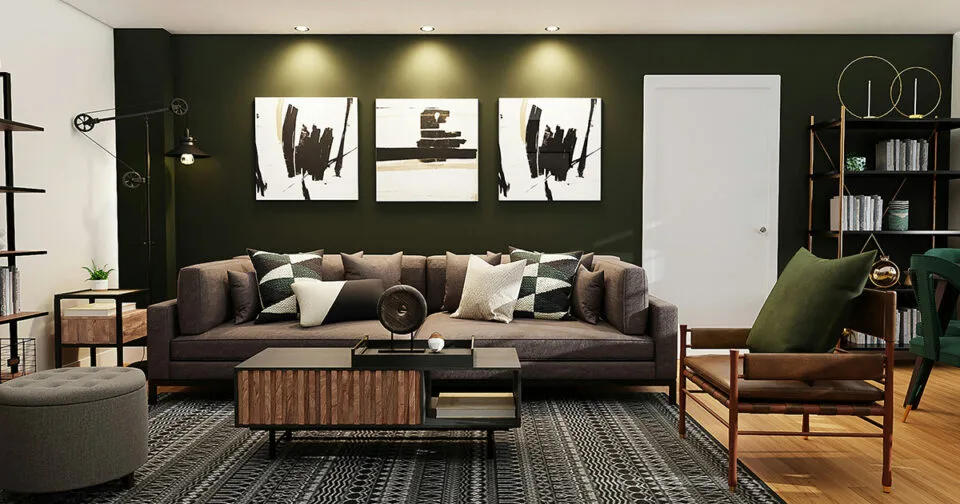
Living rooms benefit from warm, inviting light that encourages relaxation and socializing. Soft white or warm yellow hues create a cozy atmosphere where you and your guests feel comfortable. Too harsh or cool lighting can make these spaces feel sterile and unwelcoming.
Consider adjustable lighting options here. Dimmer switches or layered lighting allow you to switch from bright and lively for gatherings to soft and calm for quiet evenings. Have you ever noticed how a warm glow makes conversations flow easier?
Kitchens And Dining Rooms
Kitchens require bright, clear light to help you see what you’re cooking and keep the space safe. Cool white or daylight bulbs work well because they mimic natural light and increase alertness. But for dining areas, softer lighting enhances appetite and sets a relaxed mood.
Try combining task lighting over counters with ambient lighting around the dining table. This way, you get the functionality you need and the ambiance you want. How does your kitchen light make you feel during meal prep and dinner time?
Bedrooms And Relaxation Spaces
Bedrooms thrive with soft, warm lighting that promotes rest and calm. Cool or bright lights can interfere with your body’s natural wind-down process before sleep. Think about using lamps with warm-toned bulbs and avoid overhead lights that are too harsh.
Adding bedside lighting with adjustable brightness can help you create the perfect environment for reading or relaxing. Have you experimented with different light colors in your bedroom to improve your sleep quality?
Bathrooms And Utility Rooms
Bathrooms need bright, neutral lighting for clarity when grooming and applying makeup. Daylight bulbs are ideal because they show true colors and reduce shadows. Utility rooms also benefit from bright white light to ensure tasks are done accurately.
Consider adding mirror lights or vanity strips to enhance visibility without creating glare. Is your bathroom lighting helping you start your day confidently or making it more challenging?
Trends In Lighting Colors And Design
Lighting colors and design trends are evolving rapidly, changing how decorators approach each room. The right light color can transform a space, affecting mood and functionality. Are you curious how these trends might influence your next decorating project?
Smart Lighting Solutions
Smart lighting is more than just convenience—it lets you customize light color for each room. You can switch from warm tones in the living room to cool, energizing lights in your office with a tap on your phone. This flexibility means decorators can now tailor lighting to suit activities and times of day easily.
Imagine setting a soft, relaxing glow for your bedroom at night and bright, focused lighting for cooking in the kitchen. Smart bulbs also learn your preferences over time, making adjustments automatically. Have you tried adjusting your room’s lighting with smart tech yet?
Sustainability And Energy Efficiency
Energy-efficient lighting options are shaping design choices, with LED bulbs leading the way. These bulbs offer a wide range of colors without wasting electricity or producing excessive heat. Choosing sustainable lighting helps reduce your home’s carbon footprint while keeping your spaces beautifully lit.
Decorators now consider both aesthetics and energy consumption when selecting light colors and fixtures. You can find LEDs that mimic natural daylight or create cozy amber hues, all while saving on energy bills. Would you pick sustainability as a priority when choosing your room’s lighting?
Common Mistakes And How To Avoid Them
Choosing the right light color for each room isn’t just about aesthetics; it affects how you feel and function in that space. Many decorators make avoidable mistakes that can make a room feel off or uncomfortable. Recognizing these common errors will help you create balanced lighting that suits each room’s purpose and vibe.
Overlooking Room Function
Every room serves a different purpose, and the lighting should reflect that. Using the same light color in a kitchen and a bedroom can create awkward moods—bright whites work well for cooking but can feel harsh in a relaxing space.
Think about what you do in each room. Do you read, work, relax, or entertain? Adjust your light color to support those activities. For instance, warm lights in living rooms promote coziness, while cooler lights in home offices boost focus.
Ignoring Natural Light
Natural light changes throughout the day, affecting how your chosen light color looks. Many decorators forget to consider this and end up with lighting that clashes with daylight or looks dull after sunset.
Observe your room at different times—morning, afternoon, and evening. Does the artificial lighting complement or conflict with sunlight? Adjusting your bulbs or fixtures based on natural light can keep your space inviting all day.
Choosing Inconsistent Color Temperatures
Mixing light bulbs with different color temperatures in the same room can create visual confusion and discomfort. This mistake often happens when you replace bulbs over time without checking their color temperature.
Check the Kelvin rating on your bulbs—stick to one range per room. This consistency ensures your space looks harmonious and professional, avoiding that patchy or uneven lighting effect you might notice in some homes.
Frequently Asked Questions
Do Decorators Recommend Different Light Colors Per Room?
Yes, decorators often suggest varying light colors to suit each room’s purpose and ambiance. Warm lights create coziness in living areas, while cooler lights improve focus in workspaces. Tailoring light color enhances mood and functionality.
How Does Light Color Affect Room Appearance?
Light color impacts a room’s look by altering the perceived size, warmth, and mood. Warm tones add comfort, while cool tones make spaces feel brighter and more spacious. Proper lighting can highlight decor and improve room aesthetics.
Can Changing Light Colors Improve Room Functionality?
Absolutely. Different light colors support various activities. For example, bright white light aids concentration in offices, while soft yellow light promotes relaxation in bedrooms. Adjusting light color enhances both productivity and comfort.
Are There Popular Light Color Trends By Room Type?
Yes, trends favor warm white or soft yellow in living rooms and bedrooms for a cozy feel. Cool white or daylight tones are popular in kitchens and bathrooms for clarity and cleanliness. Trends evolve but focus on room purpose.
Conclusion
Decorators often change light colors to fit each room’s mood and use. Different rooms need different light tones for comfort and style. Warm lights make living spaces cozy and inviting. Cooler lights help kitchens and work areas feel bright and clear.
Choosing the right light color can improve how a room feels. It’s a simple way to make your home look better. Think about your needs before picking light colors. This helps create spaces that feel just right for you.