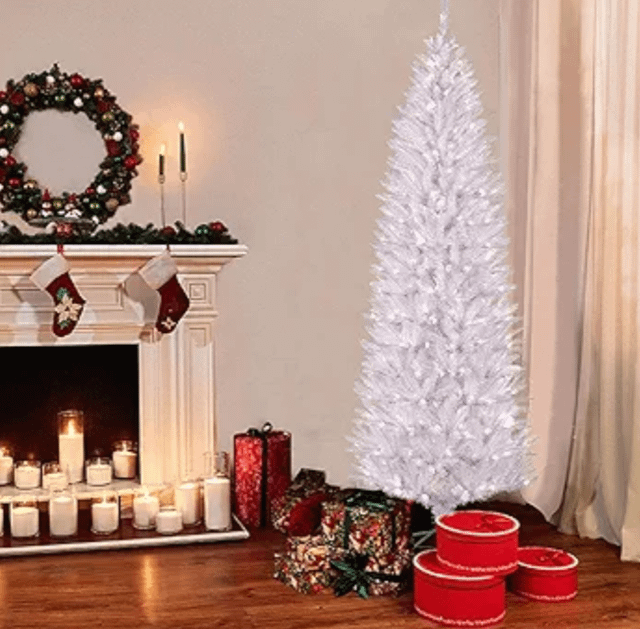
Are you wondering how many feet of lights you need to make your Christmas tree truly shine? Picking the right amount of lights can feel tricky.
Too few, and your tree looks dull. Too many, and it gets crowded and tangled. But don’t worry — this guide will help you find the perfect balance. By the end, you’ll know exactly how to light up your tree so it glows beautifully and feels just right.
Keep reading to discover the simple formula that will transform your holiday decorating!

Credit: www.tiktok.com
Choosing The Right Light Length
Choosing the right length of lights for your Christmas tree can make a huge difference in how magical your tree looks. You don’t want too few lights that leave gaps or too many that overwhelm the branches. Understanding the factors that affect light length helps you make a smarter choice and get your tree glowing just right.
Factors Affecting Light Length
Several factors influence how many feet of lights you need. The type of lights you choose—mini LEDs, larger bulbs, or rope lights—affects how much coverage you get per foot.
Consider whether you want a dense, bright look or a softer, subtle glow. Bright, dense lighting needs more feet, while a gentle twinkle requires fewer.
Think about the spacing of your lights too. Some people like wrapping lights tightly around branches, while others prefer a looser style. This decision directly changes how many feet you need.
Tree Size And Shape Considerations
Tree height is the most obvious factor. A 6-foot tree typically needs about 100 feet of lights, but shape and fullness matter just as much.
For a slim, pencil-shaped tree, fewer lights are needed compared to a full, wide tree of the same height.
If your tree is tall but narrow, focus on vertical placement rather than wrapping around thick branches. For wider trees, you’ll need extra length to cover all angles evenly.
Ask yourself: How full and bright do you want your tree to look? Your answer will guide the length of lights you buy.
Calculating Lights For Different Tree Heights
Calculating the right length of lights depends on your tree’s height. Generally, use 100 lights for every foot of tree to achieve a bright, even look. Taller trees need more feet of lights to cover all branches beautifully.
Decorating a Christmas tree with lights creates a magical holiday atmosphere. Choosing the right amount of lights ensures your tree shines brightly. Consider the height of your tree for the best results. Below, we explore how many feet of lights you need for different tree heights.Small Trees Under 4 Feet
For trees under 4 feet, less is more. Aim for 100 lights per foot. A 3-foot tree may need about 300 lights. This ensures even coverage without overwhelming. Use mini lights for a subtle glow.Medium Trees 4 To 7 Feet
Medium trees require a bit more planning. For these, estimate 100 to 150 lights per foot. A 6-foot tree might need 600 to 900 lights. This range offers flexibility for personal preference. Consider adding more lights if your tree is dense.Large Trees Over 7 Feet
Large trees make a grand statement. They need more lights for impact. Calculate 150 to 200 lights per foot. An 8-foot tree may require 1200 to 1600 lights. This ensures every branch sparkles. Use a mix of light sizes for depth. Choosing the right number of lights enhances your tree’s beauty. Consider height and density for a perfect glow. Happy decorating!Light Types And Their Impact
Choosing the right lights greatly affects the look of your Christmas tree. Different light types offer unique brightness, color, and energy use. These factors influence how many feet of lights you need for full coverage. Understanding light types helps in planning the decoration effectively.
Led Vs. Incandescent
LED lights use less energy and last longer than incandescent bulbs. They shine brighter and stay cooler to touch, making them safer for homes. Incandescent lights have a warmer glow but consume more power. LED strings are lighter, which makes wrapping easier. Choosing LED reduces electricity bills and replacement costs. Incandescent lights may cost less upfront but fade faster.
String Light Spacing
Spacing between bulbs affects how many feet of lights you require. Tightly spaced bulbs create a dense, bright effect but need more feet to cover the tree. Wider spacing uses fewer lights but may leave dark spots. Common spacing ranges from 2 to 6 inches apart. Closer spacing suits small trees or detailed looks. Wider spacing works well for large trees or subtle lighting.

Credit: www.kingofchristmas.com
Tips For Wrapping Lights Evenly
Wrapping lights evenly around your Christmas tree can transform its appearance from ordinary to stunning. It’s not just about draping strands randomly; it requires a bit of planning and technique to ensure every branch shines with the perfect glow. Here are some practical tips that will help you achieve that balanced, professional look.
Starting Point And Direction
Choose a clear starting point, usually at the base near the power outlet, to avoid awkward cord stretches. Begin wrapping the lights from the bottom of the tree and work your way up. This approach helps you cover every layer methodically without missing spots.
Decide on a wrapping direction—clockwise or counterclockwise—and stick to it. Changing directions midway can cause uneven spacing and tangled wires. Consistency in direction helps you maintain control over the light placement and gives the tree a neat, uniform glow.
Spacing Techniques
Pay attention to how you space the lights vertically and horizontally. Instead of tightly bunching the lights, leave small gaps between each loop to allow the tree’s natural shape to shine through. This also prevents the lights from looking cluttered or overwhelming.
Use your hand as a guide: for most trees, wrapping the lights about every 6-8 inches vertically creates a balanced look. Horizontally, try to weave the lights in and out of the branches rather than just wrapping around the trunk. This technique places lights deeper into the tree, adding depth and sparkle from every angle.
- Step back occasionally to check your progress and adjust spacing.
- Use additional strands if you find gaps that need filling.
- Consider using LED lights that are flexible and easier to shape around branches.
Have you ever struggled with uneven lighting on your tree despite using plenty of lights? Sometimes, it’s all about the technique, not the quantity. How might adjusting your starting point or spacing change your decorating game this year?
Safety And Energy Efficiency
Decorating a Christmas tree with lights creates a warm, festive atmosphere. Safety and energy efficiency must guide how many feet of lights to use. Proper handling prevents hazards and reduces electricity costs. Small steps ensure a bright and safe holiday season.
Avoiding Overloading Circuits
Each electrical outlet has a limit. Plugging in too many lights can cause overheating or tripped breakers. Check the wattage of your light strings before connecting them. Use multiple outlets or power strips with built-in circuit breakers. Avoid connecting more strings than the manufacturer allows. Spread out the lights to balance the load across circuits. This keeps your home safe and prevents fire risks.
Using Timers And Smart Controls
Timers save energy by turning lights off automatically. Set lights to run only during evening hours. Smart plugs and apps help control lights remotely. Adjust brightness or turn off lights without leaving your seat. These controls reduce electricity use and extend bulb life. Using timers keeps your energy bills lower and your tree shining safely.
Extra Lighting Ideas
Extra lighting can transform your Christmas tree from simple to spectacular. It adds depth, highlights special decorations, and creates a cozy atmosphere. Let’s look at some creative ways to boost your tree’s glow beyond standard string lights.
Adding Spotlights And Accents
Spotlights can make a huge difference by directing attention to your tree. Position small, focused LED lights around the base or behind the tree to create a warm halo effect. This technique emphasizes the tree’s shape and enhances its presence in the room.
You can also use tiny accent lights on branches or inside larger ornaments to make them pop. These subtle touches draw the eye and add layers to your lighting design. Have you tried placing a spotlight on your favorite ornament? It’s an easy way to make it stand out.
Incorporating Colored And Themed Lights
Mixing colored lights with traditional white ones adds personality and fun to your tree. Choose colors that match your holiday theme or room decor for a coordinated look. For example, blue and silver lights create a cool winter vibe, while red and gold offer a classic festive feel.
Themed lights, such as snowflakes, stars, or candy canes, add a playful touch. They also work well if you want to tell a story or highlight a particular holiday tradition. What themes reflect your family’s style or memories?

Credit: www.amazon.ca
Frequently Asked Questions
How Many Feet Of Lights For A 6-foot Christmas Tree?
For a 6-foot tree, use about 100 to 150 feet of lights. This ensures even coverage and a bright, festive look.
How To Calculate Lights Needed For Any Tree Height?
Multiply the tree height by 10 to 15 feet. This gives a good estimate for the number of lights needed.
Should I Use More Lights For A Fuller Tree?
Yes, fuller trees need 15 to 20 feet of lights per foot. This helps the lights shine through dense branches.
Can Led Lights Reduce The Length Needed?
LED lights are brighter and more efficient. You might need slightly fewer feet, but length depends on tree size and style.
Conclusion
Decorating a Christmas tree with lights brings joy and warmth. Choosing the right length depends on tree size and style. Use about 100 lights per foot for a bright look. Wrapping lights evenly creates a beautiful, festive glow. Remember, fewer lights can still look charming and cozy.
Enjoy the process and make your tree unique. Bright or soft, lights make holiday moments special. Have fun, and let your tree shine this season!