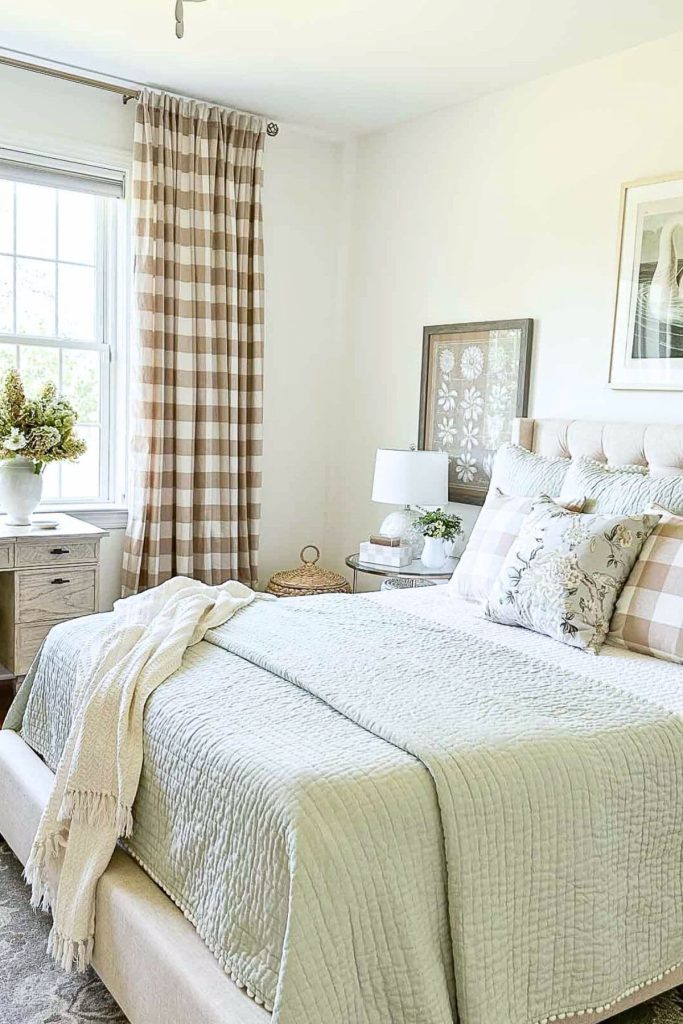
Are you struggling to create a cozy bedroom space inside your living room? Finding the perfect balance between comfort and style can feel tricky, but it doesn’t have to be.
Imagine waking up every day in a space that feels both inviting and organized, even if your bedroom shares its home with your living room. In this guide, you’ll discover simple, effective ways to decorate your bedroom within your living room—turning one room into two without losing charm or function.
Keep reading, and you’ll learn how to transform your space into a peaceful retreat you’ll love coming back to.

Credit: www.youtube.com
Choosing The Right Layout
Choosing the right layout is key when decorating a bedroom inside a living room. It helps create a clear division and keeps the space functional. A good layout balances comfort, style, and usability. It also makes the room feel larger and more inviting. Planning carefully can turn a shared space into a cozy retreat.
Zoning Your Space
Zoning separates the bedroom from the living area visually and physically. Use furniture or rugs to mark different zones. For example, place a bookshelf or a curtain between the bed and sofa. This division creates privacy and organizes the room. It also helps your eyes rest and reduces clutter.
Maximizing Square Footage
Small spaces need smart choices to save room. Choose furniture that fits well without crowding the area. Multi-use pieces like sofa beds or storage ottomans work great. Keep pathways clear for easy movement. Using vertical space with shelves frees floor space too. Every inch counts in a combined bedroom and living room.
Balancing Function And Style
Function and style should work together smoothly. Pick colors and decor that match both areas. Soft lighting can create a calm bedroom feel while bright enough for living. Mix cozy textiles with sleek furniture for comfort and beauty. A balanced space feels welcoming and practical at the same time.
Selecting Multi-functional Furniture
Transforming your living room into a cozy bedroom space can be a creative solution for small apartments or homes. One key element to consider is selecting multi-functional furniture that maximizes space without compromising comfort. By choosing pieces that serve more than one purpose, you can cleverly integrate sleeping areas into your living room.
Sofa Beds And Daybeds
Sofa beds are a classic choice for combining seating and sleeping. During the day, they offer a comfortable spot for lounging, and at night, they transform into a bed. Consider a sofa bed with a sturdy frame and a mattress that suits your comfort level. Daybeds are another versatile option. They provide a casual seating area and can easily be dressed up with pillows and throws to serve as a stylish bed.
Storage Ottomans And Benches
Storage ottomans and benches are perfect for hiding clutter while offering additional seating. Imagine the convenience of having a bench that stores your bedding, books, or even clothes. These pieces can be placed at the foot of your bed or near the sofa, keeping essentials close at hand. Opt for ones that match your decor, so they blend seamlessly into your living room.
Foldable And Modular Pieces
Foldable and modular furniture pieces are life-savers when space is tight. You can have a foldable table or desk that doubles as a workspace, or modular shelves that stack up or down based on your needs. Explore options like foldable chairs or tables that can be stored away when not in use. Are you making the most of your vertical space with modular shelving?
Choosing the right multi-functional furniture can turn your living room into a bedroom without feeling cramped. So, what’s your next step in creating a space that serves both purposes seamlessly?
Creating Visual Separation
Creating visual separation in a combined bedroom and living room setup is key to maintaining both privacy and style. Without clear boundaries, the space can feel cluttered and confusing. By defining zones, you help your mind switch between rest and activity, making the room feel more organized and peaceful.
Using Room Dividers
Room dividers are a simple and effective way to break up your space. You can choose folding screens, open shelves, or even curtain panels that double as storage or display areas.
Think about the flow of light and air when placing dividers. A solid screen can block noise and create privacy, but a slatted or transparent option keeps the room feeling open. Have you tried using a bookshelf as a divider? It adds function and style at once.
Strategic Rug Placement
Rugs do more than add color and texture—they define zones visually. Place a rug under your bed area to anchor the sleeping space, and another in the seating area to create a cozy living zone.
Choose rugs that contrast in color or pattern to clearly mark each area. This subtle change guides your eyes and mind, helping you feel like you’re in two distinct spaces even though it’s one room.
Curtains And Screens
Curtains offer a flexible way to create separation. You can pull them closed for privacy or leave them open to expand the space visually.
Sliding or hanging screens serve a similar purpose but often add a decorative touch. Have you thought about fabric type? Sheer curtains soften light and maintain openness, while heavier fabrics provide more privacy and sound dampening.

Credit: www.youtube.com
Incorporating Lighting Techniques
Lighting plays a crucial role when you want to blend a bedroom feel into your living room. It sets the mood, defines spaces, and makes the area inviting. Getting the lighting right can turn your living room into a cozy retreat without sacrificing functionality.
Layered Lighting Options
Think about lighting in layers to add depth and flexibility. Combine ceiling lights, floor lamps, and table lamps to give you control over brightness and atmosphere.
Try placing a dimmable overhead light for general illumination and adding softer lights around your seating or sleeping area. This way, you can switch from bright and lively to calm and restful with ease.
Task And Ambient Lighting
Task lighting focuses on areas where you need direct light, like reading spots or a bedside nook. A good example is a focused desk lamp or adjustable wall-mounted light.
Ambient lighting provides overall illumination and creates warmth. Soft, diffused light sources like frosted bulbs or fabric lampshades work great here. Have you experimented with combining these two types? It often changes how comfortable and functional your space feels.
Decorative Fixtures
Decorative lighting is your chance to add personality and style. Choose fixtures that reflect your taste while complementing your room’s vibe.
- Hang a statement pendant light with warm tones to draw attention.
- Use string lights or lanterns for a playful, relaxed look.
- Incorporate vintage lamps for a touch of charm and nostalgia.
Remember, the right fixture doesn’t just light the room—it becomes part of the decor itself. What kind of lighting fixture would you want to see every day?
Choosing Bedroom Decor Elements
Choosing the right bedroom decor elements is key to blending comfort with style in your living room. These elements help create a peaceful retreat without overwhelming the space. Think about what makes you feel relaxed and how those touches can fit into your living room’s vibe.
Cozy Textiles And Bedding
Start with soft, inviting textiles that instantly add warmth. A plush duvet or a lightweight quilt can define your sleeping area while keeping things cozy. Choose fabrics like cotton or linen that breathe well, especially if your living room gets a lot of sunlight.
Layering different textures can make a big difference. Combine smooth sheets with a chunky knit blanket or a velvety bedspread. This mix creates visual interest and encourages you to unwind after a long day.
Accent Pillows And Throws
Accent pillows and throws are simple but powerful tools to add personality. Pick pillows in various sizes and colors that complement your living room palette. Don’t hesitate to include bold patterns or vibrant hues for a touch of excitement.
Throws are also practical. They can be draped over the bed or a nearby sofa, making it easy to stay warm while reading or watching TV. You might even find that a well-chosen throw becomes your favorite cozy companion.
Personalized Wall Art
Wall art turns your bedroom corner into a personal sanctuary. Choose pieces that reflect your style or memories—like photos from travels or artwork from local artists. This personal touch makes the space feel truly yours.
Consider framing your art in a consistent style or color to keep the look unified. You could also create a small gallery wall that draws the eye and adds depth to the room. What story do you want your walls to tell?
Optimizing Storage Solutions
Optimizing storage solutions is crucial when decorating a bedroom within a living room. It helps keep your space neat and functional without sacrificing style. Clever storage ideas can make your dual-purpose room feel larger and more organized.
Under-bed Storage
Using the space under your bed is a smart way to store items you don’t need every day. You can use rolling bins, drawers, or even vacuum-sealed bags to keep clothes, shoes, or extra bedding out of sight.
I once struggled with clutter until I started using clear plastic bins under my bed. It made a huge difference—I could see what was inside without digging around. Have you checked what’s hiding under your bed lately?
Floating Shelves
Floating shelves add storage without taking up floor space. They are perfect for books, decorative items, or baskets that hold smaller belongings.
Try placing shelves at different heights to create visual interest. You can also use baskets or boxes on the shelves to hide clutter and keep things tidy.
Hidden Compartments
Hidden compartments are a clever way to keep valuables or less-used items out of sight. Look for furniture pieces with built-in storage, like ottomans or coffee tables with secret drawers.
Some sofas even come with storage under the cushions. Think about what you want to store and find furniture that doubles as storage—it’s like having a secret closet in your living room.
Color Schemes And Patterns
Choosing the right color schemes and patterns plays a crucial role in blending a bedroom area seamlessly into your living room. The colors you pick can either unify the spaces or create distinct zones that still feel connected. Patterns add personality and depth, helping you define your style without overwhelming the room.
Neutral Tones For Cohesion
Using neutral tones like beige, gray, and soft whites helps create a calm and cohesive look. These colors make the bedroom area feel like a natural extension of the living room. I once used a soft gray palette in my studio apartment, and it made the small space feel open and connected rather than cluttered.
Neutral shades also offer a versatile backdrop that allows you to change accent colors easily. Think about pairing your walls with neutral bedding, rugs, and curtains to tie the two areas together smoothly. This approach makes it easier to switch up your decor without a full redesign.
Bold Accents For Interest
Adding bold accents introduces energy and focus points in your shared space. Bright throw pillows, a vibrant rug, or a statement piece of art can define the bedroom corner without closing it off. Have you tried using a bold-colored blanket to instantly refresh your space?
These pops of color keep the area lively and prevent the neutral base from feeling too dull. Just be careful to pick accent colors that complement your main palette to maintain harmony. It’s a simple way to add personality without overwhelming your living room.
Mixing Textures And Prints
Texture and prints bring dimension and warmth to your living room-bedroom combo. Combining soft fabrics like velvet cushions with rougher textures such as woven baskets creates a balanced tactile experience. I found layering different textures helped my space feel cozy and inviting, not flat or sterile.
Mixing patterns can also work well if you stick to a consistent color scheme. Stripes paired with florals or geometric shapes can add visual interest without clashing. Try limiting yourself to two or three patterns to keep things from getting too busy.
Maintaining Privacy And Comfort
Creating a bedroom space within a living room requires thoughtful design to keep privacy and comfort intact. This balance helps you enjoy restful sleep and personal moments without disturbance. Simple changes can make a big difference in how private and cozy your area feels.
Soundproofing Tips
Noise can easily travel in shared spaces. Use thick rugs to absorb sound. Place bookshelves filled with books against walls to block noise. Consider adding weather stripping to doors and windows. These small steps reduce sounds from the living room and outside.
Curtains And Blinds
Heavy curtains create a visual barrier and soften light. Choose dark or blackout curtains to block daytime brightness. Blinds offer flexible light control and privacy. Layer curtains with blinds for extra comfort. This combination helps separate the bedroom area clearly.
Soft Furnishings For Warmth
Soft cushions and throws add warmth and comfort. Use plush blankets to make the bed inviting. Rugs not only reduce noise but also provide a cozy feel underfoot. These touches make the bedroom area feel like a true retreat within the living room.

Credit: www.youtube.com
Frequently Asked Questions
How Can I Separate A Bedroom In A Living Room?
Use room dividers, curtains, or bookshelves to create visual separation. These options keep spaces distinct yet open and stylish.
What Furniture Suits A Bedroom In A Living Room?
Choose multifunctional furniture like sofa beds, foldable tables, and storage ottomans. They save space and add practicality to the room.
How To Maintain Privacy In A Bedroom Within A Living Room?
Install curtains, screens, or sliding doors to block views. Soft lighting and rugs also help create a cozy, private atmosphere.
Which Colors Work Best For A Combined Bedroom And Living Room?
Opt for neutral tones with soft accents. Light colors make the space feel larger and more harmonious.
Conclusion
Creating a bedroom space in your living room can be simple and stylish. Use room dividers or curtains to separate areas. Choose furniture that fits both comfort and function. Soft lighting helps set a cozy mood. Keep colors calm and soothing for better rest.
Personal touches make the space feel like home. With these tips, your shared space can look great and work well. Enjoy your new, peaceful spot without losing living room charm. Small changes bring big comfort. Try these ideas and see the difference!