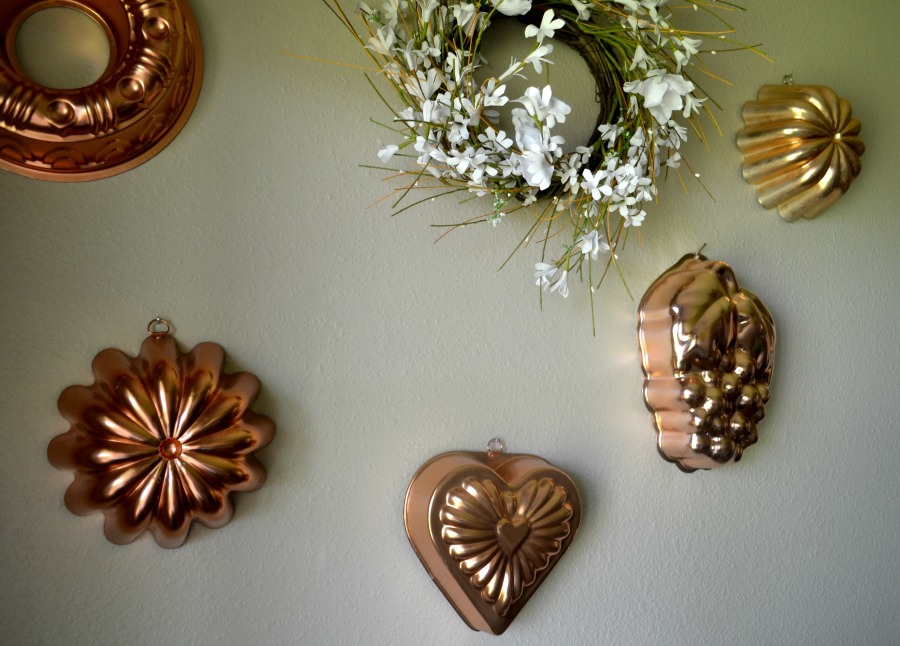
Have you ever wondered if those shiny copper molds you see are just for decoration or if you can actually use them in your kitchen? You might be surprised by how versatile they really are.
Whether you’re thinking about adding a touch of vintage charm to your home or looking for practical cookware, understanding the true purpose of copper molds can help you make the right choice. Keep reading to discover how copper molds can fit into your life—both as beautiful decor and useful kitchen tools.
Copper Molds In History
Copper molds have a rich history that blends both artistry and functionality. Their presence dates back centuries, showing how copper was valued not just for its practicality but also for its decorative appeal. Understanding their historical role can help you decide whether these molds belong in your kitchen or as part of your home decor.
Early Uses Of Copper Molds
In early times, copper molds were prized for their ability to conduct heat evenly. This made them ideal for shaping delicate foods like jellies, custards, and cakes. Copper was easier to shape than other metals, allowing artisans to create intricate designs that enhanced the presentation of dishes.
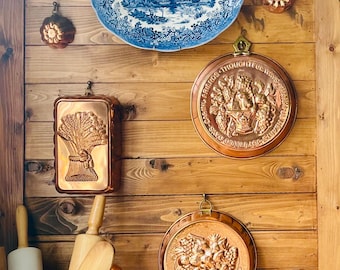
Beyond cooking, copper molds were often used as decorative pieces. Wealthy households displayed them on walls or shelves to showcase their status and taste. Have you ever noticed how some antique shops feature copper molds as wall art rather than kitchen tools? This dual purpose highlights their versatility through history.
Copper Molds In Traditional Kitchens
Traditional kitchens valued copper molds for both their utility and beauty. Cooks appreciated how quickly copper heats, giving them better control over their recipes. You might find that copper molds still offer advantages in modern cooking, especially for recipes that require precise temperature management.
At the same time, many families treated copper molds as heirlooms. These pieces were handed down through generations, often kept more for their sentimental value than frequent use. If you have a copper mold at home, think about whether it’s part of your cooking routine or a cherished decoration.
Credit: www.etsy.com
Copper Molds For Decoration
Copper molds often serve as charming decoration pieces, adding vintage style to any room. While they can be used in kitchens, many prefer them for display due to copper’s reactivity with food. Their beauty shines best when shown off rather than used for cooking.
Copper molds have found their place beyond the kitchen. These timeless pieces add charm and character to any space. Their gleaming surfaces and intricate designs make them perfect for decoration. Let’s explore how copper molds can enhance your interior design.Aesthetic Appeal And Styles
Copper molds come in various shapes and sizes. Each piece offers a unique touch. Some molds feature floral patterns. Others boast geometric designs. Their warm, reddish hue complements different decors. They suit both modern and vintage settings. Copper molds can be a focal point or a subtle accent. They add elegance and warmth to any room.How Copper Molds Enhance Interior Design
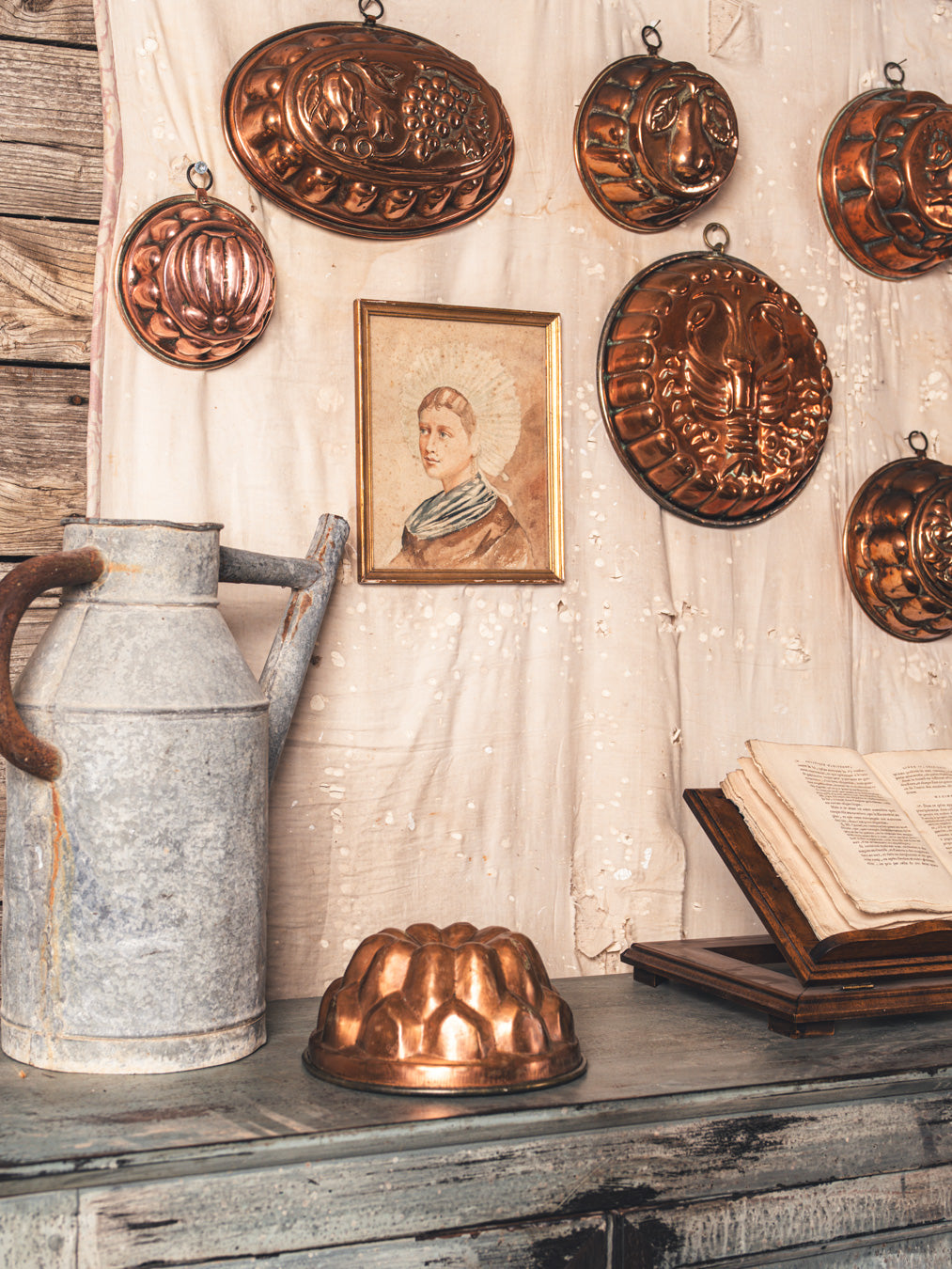
Copper molds add depth to your decor. Their reflective surfaces catch the eye. They create a sense of nostalgia and history. You can hang them on walls. Arrange them on shelves or tables. They pair well with natural materials like wood and stone. Their versatility allows creative placements. Copper molds can transform a dull space into a lively one.Collecting And Displaying Copper Molds
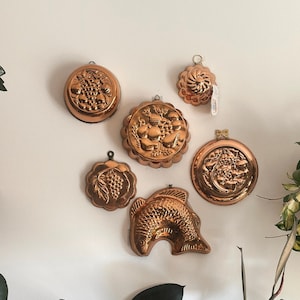
Collecting copper molds can be a rewarding hobby. Look for them in antique shops. Flea markets often have hidden gems. Displaying them is an art form. Use wall hooks for easy hanging. Group them by size or design. Mixing different styles creates visual interest. Use them as conversation starters in gatherings. Copper molds tell stories of past eras. They offer a glimpse into culinary history.Copper Molds For Kitchen Use
Copper molds aren’t just beautiful decorations hanging in kitchens—they have real, practical uses in cooking. If you’re curious whether these vintage-style molds can handle the heat of your kitchen, the answer is yes, but with some important details to keep in mind. Using copper molds in cooking offers unique benefits that can elevate your culinary creations.
Cooking Benefits Of Copper Molds
Copper is an excellent conductor of heat, which means it heats up quickly and evenly. This helps your food cook uniformly, reducing hot spots that can burn or undercook your dishes.
Because of copper’s responsiveness to temperature changes, you get more control during delicate cooking processes. Imagine making custards or jelly desserts—you’ll notice a smoother texture and consistent results.
Many chefs prefer copper molds for their ability to create perfectly shaped and detailed dishes. Your presentation improves without extra effort, impressing guests with both taste and appearance.
Common Recipes Using Copper Molds
Copper molds are traditionally used for gelatin desserts, aspics, and mousses. Their shape holds firm, making them ideal for these recipes that need to set perfectly.
You can also use them for baking small cakes or molded puddings. The even heat distribution helps these treats cook through without drying out.
People often use copper molds to create festive holiday dishes or vintage-style entrees, giving a charming touch to your table.
Care And Maintenance For Kitchen Use
Using copper molds in your kitchen means you have to take good care of them to keep their performance and shine. Avoid putting them in the dishwasher, as harsh detergents can damage the copper’s surface.
Hand wash with mild soap and dry immediately to prevent water spots. Polishing occasionally with a copper cleaner will maintain their bright look and prevent tarnish.
Remember, some copper molds have a tin lining inside—this protects food from direct contact with copper. Over time, the lining can wear out and will need professional re-tinning to keep your molds food safe.
Credit: www.etsy.com
Comparing Decorative And Functional Copper Molds
Decorative and functional copper molds may look similar but serve different purposes. Decorative molds add charm and style to home interiors. Functional molds are designed for cooking and baking. Understanding their differences helps in choosing the right one. This section compares key aspects of decorative and functional copper molds.
Material Quality Differences
Functional copper molds use high-quality, food-safe copper. They have a smooth, polished interior to prevent food from sticking. Decorative molds often use lower-grade copper or copper alloys. These may have rough surfaces or coatings not safe for food contact.
Durability And Safety Considerations
Functional molds must withstand high heat and frequent use. They are treated to resist tarnishing and corrosion. Decorative molds focus on appearance and may not handle heat well. Using decorative molds in cooking can cause damage or release harmful substances.
Cost And Availability
Functional copper molds usually cost more due to better materials and craftsmanship. They are available through specialty kitchen stores or online. Decorative molds are often cheaper and found in home decor shops. Their price reflects the lower quality and limited use.
Choosing The Right Copper Mold
Choosing the right copper mold can significantly impact both the look and function of your kitchen or decorative space. Whether you want to use it for cooking or simply as a charming piece on your wall, the key lies in matching the mold to your specific needs. Understanding the differences between molds designed for decoration and those made for kitchen use will help you avoid common pitfalls and make a choice you’ll be happy with.
Purpose-based Selection Tips
Think about what you want from your copper mold. If your goal is to create stunning desserts or gelatin dishes, focus on molds that are safe for food use. These typically have a smooth, food-grade lining like tin or stainless steel inside, which prevents copper from reacting with acidic ingredients.
On the other hand, if your interest is purely decorative, you can choose molds with intricate designs and patinas without worrying about lining. Decorative molds might show signs of aging or use, which adds character but isn’t suitable for cooking.
Ask yourself:
- Will I use this mold regularly in the kitchen?
- Do I need it to be dishwasher safe or hand-wash only?
- Is the mold lined or unlined?
- Does it have any dents or damage that could affect food safety?
These questions will guide you toward the right choice and save you from buying a mold that looks great but doesn’t serve your practical needs.
Where To Buy Authentic Copper Molds
Finding genuine copper molds can be tricky. Some shops sell copper-plated items that don’t have the same quality or durability. Look for trusted sellers who specialize in kitchenware or vintage collectibles.
Online marketplaces often have a wide selection, but always check reviews and ask about the mold’s lining and condition. Antique stores and flea markets can offer unique finds, but inspecting the mold in person is crucial to ensure authenticity.
Consider these places:
- Specialty kitchen supply stores
- Reputable online retailers with clear return policies
- Antique shops and auctions
- Local artisan markets where craftsmen sell handmade copper items
Investing time in research and asking the right questions will help you pick a copper mold that lasts and fits your intended use perfectly.
Caring For Copper Molds
Caring for copper molds ensures they stay beautiful and functional, whether you use them for decoration or kitchen tasks. Proper care not only preserves their shine but also extends their lifespan. You’ll find that a little attention goes a long way in maintaining the unique appeal of copper molds.
Cleaning Techniques
Cleaning copper molds requires a gentle touch to avoid scratching or dulling the surface. Use warm water with mild dish soap and a soft cloth or sponge for routine cleaning. Avoid abrasive pads or harsh chemicals that can damage the copper’s finish.
If you notice stubborn stains or tarnish, create a paste using equal parts of lemon juice and baking soda. Apply it gently with a soft cloth, then rinse thoroughly and dry with a clean towel. This natural method brightens copper without risking damage, unlike some commercial cleaners.
Preventing Tarnish And Damage
Tarnish develops when copper reacts with air and moisture, so keeping your molds dry is crucial. After washing, dry them immediately and store in a dry place away from humidity. You might also consider lining storage areas with anti-tarnish paper or cloth to reduce exposure to air.
Applying a thin coat of mineral oil or beeswax helps protect the surface from oxidation and finger marks. Do you find your copper molds losing their luster faster in humid environments? A simple protective layer can make a noticeable difference in preserving their shine.
Remember, avoid placing copper molds in the dishwasher or exposing them to extreme temperatures. These conditions can cause discoloration and warping, reducing both their decorative charm and kitchen usefulness.
Credit: www.chezpluie.com
Frequently Asked Questions
Are Copper Molds Safe For Kitchen Use?
Yes, copper molds can be used in the kitchen if they have a food-safe lining. Untreated copper can react with acidic foods, so lined molds are best for cooking and baking.
Can Copper Molds Be Used Solely For Decoration?
Absolutely, many copper molds are designed for decorative purposes only. Their intricate designs and patina make them popular as wall art or kitchen decor.
How To Identify If A Copper Mold Is Food-safe?
Look for a tin or stainless steel lining inside the mold. If the mold is unlined, it’s best used for decoration to avoid food contamination.
Do Copper Molds Improve Cooking Or Baking Results?
Copper molds offer excellent heat conductivity, leading to even cooking or baking. However, only lined molds should be used to ensure food safety.
Conclusion
Copper molds can brighten kitchens and walls alike. They bring a warm, vintage feel to any space. Some prefer using them for cooking, but others choose decoration only. Cleaning and care matter a lot for kitchen use. Decorative copper molds add charm without the worry of wear.
Choose based on your needs and lifestyle. Either way, copper molds offer a unique touch. They blend beauty with function or just style. Which one suits you best? The choice is yours.