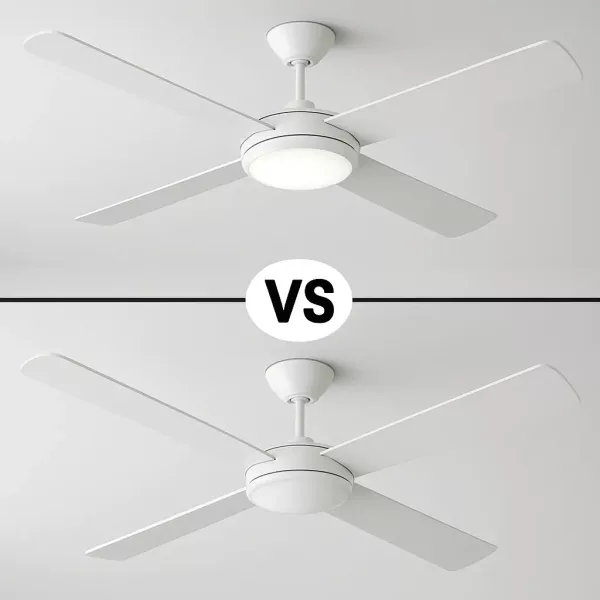
Have you ever wondered if ceiling fans and decorative lights are the same thing? At first glance, they might seem similar because both hang from your ceiling and can change the look of your room.
But when it comes to function, style, and purpose, there’s a lot more to know. If you want to make the best choice for your home, understanding the difference is key. Keep reading, and you’ll discover how these two can transform your space in very different ways.
This knowledge will help you decide what fits your needs perfectly.

Credit: www.ledmyplace.com
Ceiling Fans Vs Decorative Lights
When deciding between ceiling fans and decorative lights, it’s important to understand how each serves your space differently. Both can impact the look and feel of a room, but their primary functions and benefits vary significantly. Knowing these differences can help you choose what fits your needs best.
Functionality And Purpose
Ceiling fans are designed primarily to circulate air, helping to cool your room or improve air flow. They often come with built-in lights but their main role is practical—keeping you comfortable.
Decorative lights focus on enhancing the ambiance and style of your space. They provide illumination but are also chosen for their design, shapes, and how they complement your décor.
Energy Efficiency And Cost
Ceiling fans use electricity to power both the fan and the light, but they can help reduce energy bills by allowing you to use your air conditioning less.
Decorative lights vary widely in energy use, depending on the type of bulbs and fixtures. LED decorative lights can be very energy-efficient, but they don’t offer the cooling benefits of a fan.
Installation And Maintenance
Installing a ceiling fan can be more complex because it involves wiring for both the fan and the light, plus mechanical support for the motor. Maintenance includes cleaning the blades and occasional motor checks.
Decorative lights are usually easier to install and maintain. They require less mechanical upkeep but may need bulb replacements depending on the type.
Style And Impact On Room Design
Ceiling fans come in various styles, from modern to traditional, but their bulkier design can dominate a room’s look. They add a functional statement rather than a purely aesthetic one.
Decorative lights offer endless style options, from chandeliers to pendant lamps, allowing you to make a bold design choice or create a subtle mood. They can be the focal point of your room’s décor.
Have you thought about whether your priority is comfort or creating a visual statement? Understanding what you want to achieve can make your choice clearer.
Primary Functions
Ceiling fans and decorative lights serve different purposes. Fans provide air circulation, while decorative lights focus on enhancing room aesthetics. Combining both functions is possible but they are not the same.
The primary functions of ceiling fans and decorative lights differ significantly, despite both being integral elements in home design. While ceiling fans focus on practicality, decorative lights serve an aesthetic purpose. Understanding these functions can help you choose which one best suits your needs.Cooling And Air Circulation
Ceiling fans are designed to circulate air and provide cooling. They can make a room feel cooler without actually lowering the temperature, which is perfect for saving energy. Imagine a hot summer day where the fan’s gentle breeze keeps you comfortable, allowing you to enjoy your space without cranking up the air conditioning. Their primary role is functional, enhancing comfort by improving air flow and reducing perceived heat.Ambiance And Aesthetic Appeal
Decorative lights, on the other hand, transform the ambiance of your space. They add character and style, creating a mood that suits your personal taste. Think about how a well-placed chandelier can elevate a dining room, or how fairy lights can bring a cozy feel to a bedroom. Unlike ceiling fans, decorative lights are not about cooling; they are about making a statement and setting the tone for the room. Which function is more important to you? Do you prioritize comfort or aesthetics in your home? Understanding your preference can guide your choice between these two essential fixtures.Design And Style
Design and style play a huge role in deciding whether a ceiling fan or decorative light fits your space. Both serve different purposes but also contribute to the overall look of your room. Understanding their design differences can help you pick the right piece that matches your taste and needs.
Structural Differences
Ceiling fans have a practical structure centered around moving air. They usually feature blades attached to a central motor housing. The design focuses on balance and airflow efficiency, which means blades are spaced evenly and angled precisely.
Decorative lights, on the other hand, prioritize aesthetics over function. They come in a wide variety of shapes and sizes, often with intricate details like crystals, metalwork, or artistic glass. Unlike fans, these lights don’t have moving parts, so their design can be more delicate and ornamental.
Have you noticed how some ceiling fans try to blend in while others stand out as statement pieces? This shows the range of design options available depending on what you want your fan to do visually.
Material And Finish Options
The materials used for ceiling fans are often chosen for durability and ease of maintenance. Common options include wood, metal, and plastic. Finishes like brushed nickel, bronze, or white paint help the fan fit into modern, rustic, or traditional rooms.
Decorative lights offer a broader palette of materials and finishes. You might see glass shades, polished brass, chrome, or even hand-painted details. This variety allows you to match your light fixture closely with other decor elements.
Think about your room’s existing colors and textures. Would a sleek metal fan clash with your cozy wooden furniture? Or could a decorative light with glass accents add the perfect sparkle?

Credit: www.lemonthistle.com
Installation Requirements
Understanding the installation requirements is crucial when deciding between ceiling fans and decorative lights. Each has its unique needs that affect how you set them up and how they perform. Paying attention to these details can save you time, effort, and even money during installation.
Wiring And Electrical Needs
Ceiling fans require more complex wiring than decorative lights because they combine a motor and lighting. You need a dedicated electrical circuit that can handle the fan’s power consumption safely.
Decorative lights often need simpler wiring. Many can work with existing light fixture wiring, but fans might require an additional switch or remote control wiring. Have you checked your home’s electrical panel to ensure it can support a fan’s load?
Don’t overlook grounding and proper insulation. Fans must be grounded properly to avoid safety hazards, whereas decorative lights might have less stringent grounding requirements.
Mounting And Space Considerations
Mounting a ceiling fan demands a sturdy ceiling box rated for fan support. Regular light fixture boxes usually can’t hold the fan’s weight and movement. If your ceiling isn’t reinforced, the fan might wobble or even fall.
Space is another factor. Fans need enough clearance around the blades for airflow and safety, typically a minimum of 7 feet from the floor and 18 inches from walls or other objects.
Decorative lights are generally easier to mount. They require less space and can fit in tighter areas where a fan would be impractical. Have you measured your room’s height and size to know what fits best?
Energy Consumption
Energy consumption plays a major role when deciding between ceiling fans and decorative lights. Understanding how much power each device uses can help you manage your electricity bills better. Let’s look at how these two compare in terms of energy use and what that means for your home.
Power Usage Comparison
Ceiling fans typically use between 15 to 90 watts depending on their speed and size. Decorative lights, especially LED versions, can use as little as 5 watts per bulb but may add up if many bulbs are installed.
| Device | Typical Power Usage (Watts) | Usage Duration Impact |
|---|---|---|
| Ceiling Fan | 15 – 90 | Longer use increases total energy |
| Decorative Lights (LED) | 5 per bulb | Depends on number of bulbs and hours used |
Have you ever noticed your ceiling fan running for hours while lights are on only during evenings? That pattern alone changes your energy use drastically.
Efficiency And Cost Impact
Ceiling fans are designed to circulate air and can reduce the need for air conditioning, indirectly saving energy. Decorative lights mainly add ambiance and have less effect on overall home energy efficiency.
Using energy-efficient LED bulbs in decorative lights can significantly lower electricity costs compared to traditional bulbs. But running multiple lights for extended periods can still add up.
- Ceiling fans save more energy when used wisely with air conditioners.
- Decorative lights should be chosen for their LED efficiency and controlled usage.
- Combining both smartly can balance comfort and atmosphere without high bills.
Think about your own space: could adjusting how long you run your fan or lights make a noticeable difference on your next bill? Small changes in energy habits often lead to big savings.
Maintenance And Durability
Maintenance and durability are key factors when comparing ceiling fans and decorative lights. Both need care to stay functional and look good. Understanding their upkeep helps you make the right choice for your space.
Cleaning And Upkeep
Ceiling fans collect dust on blades and motor parts. Wiping blades regularly keeps air fresh and the fan efficient. Use a soft cloth and mild cleaner for the best results.
Decorative lights need gentle dusting to maintain brightness. Avoid harsh chemicals that may damage finishes or bulbs. Check wiring and sockets to prevent issues.
Lifespan Expectations
Ceiling fans usually last 10 to 15 years with proper care. Motor quality and usage affect how long they work well. Regular maintenance extends their life significantly.
Decorative lights have varied lifespans depending on bulb type and design. LED lights can last up to 25,000 hours or more. Replace bulbs as needed to keep lighting clear and effective.
Customization And Features
Customization and features set ceiling fans and decorative lights apart in many ways. Both offer options to fit different room styles and needs. The level of control you have over lighting and fan functions can change your experience entirely. Exploring these options helps understand the true differences.
Lighting Options And Controls
Ceiling fans with lights often come with various bulb types. LED, incandescent, or CFL bulbs are common choices. Some models include dimmable lighting to adjust brightness. Decorative lights focus more on style and mood lighting. They may offer color-changing LEDs or soft white bulbs.
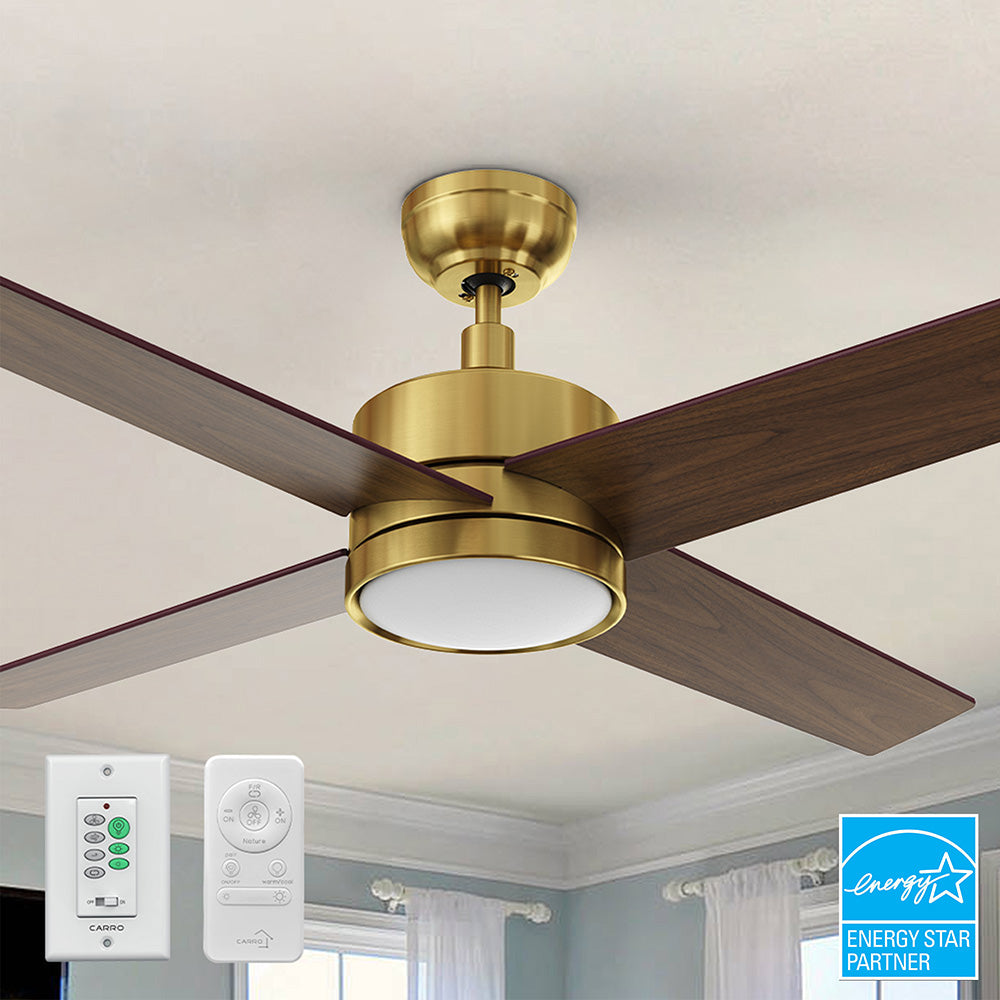
Controls for lighting vary too. Some fans have wall switches or pull chains. Others provide remote controls or smartphone apps. Decorative lights usually rely on simple switches or dimmers. Advanced models may include timers or voice control features.
Fan Speeds And Remote Functions
Ceiling fans offer multiple speed settings to control airflow. Most have low, medium, and high speeds. Some advanced fans provide more precise speed control. Remote controls allow easy adjustment without leaving your seat.
Remotes often combine fan speed and lighting controls. You can change fan direction or set timers too. Decorative lights rarely include fan functions. Their remotes focus mainly on brightness and color changes.
Credit: smafan.com
Choosing The Right Option
Choosing between a ceiling fan and decorative lights involves more than just picking what looks good. It’s about understanding your space, your needs, and how each option will impact your room’s comfort and style. Let’s break down key factors that can guide you to the right choice.
Room Size And Purpose
Think about the size of your room first. A large living room might benefit from a ceiling fan to keep air circulating, while a small bedroom could rely on decorative lights to create a cozy atmosphere without overwhelming the space.
Consider what you use the room for. If it’s a place where you relax or entertain, a fan can add comfort by cooling the air. For rooms focused on ambiance, like a dining area or study, decorative lighting can set the perfect mood.
Ask yourself: Is airflow or ambiance more important here? That question helps narrow down your options quickly.
Budget And Style Preferences
Your budget plays a big role. Ceiling fans usually cost more upfront and might require professional installation, while decorative lights can be simpler and less expensive to install.
Style is equally important. Fans come in various designs—from modern sleek to rustic charm—but they often dominate the ceiling visually. Decorative lights offer more subtlety and can complement your décor without stealing the spotlight.
Think about your room’s current design. Would a fan enhance or clash with it? Or would decorative lights add just the right touch? Choosing based on your personal taste ensures you’ll enjoy the space every day.
Frequently Asked Questions
What Is The Main Difference Between Ceiling Fans And Decorative Lights?
Ceiling fans provide air circulation and cooling, while decorative lights focus on enhancing room aesthetics. Fans often include lights, but their primary function is airflow.
Can A Ceiling Fan Be Used Solely As A Decorative Light?
No, ceiling fans are designed for airflow, not just lighting. Decorative lights focus solely on lighting and style without a fan mechanism.
Do Ceiling Fans Consume More Energy Than Decorative Lights?
Yes, ceiling fans typically use more energy due to motor operation. Decorative lights generally consume less power, especially LED-based fixtures.
Are Decorative Lights Installed Differently Than Ceiling Fans?
Yes, ceiling fans require stronger mounting due to motor weight. Decorative lights need simpler electrical installation focused on lighting only.
Conclusion
Ceiling fans and decorative lights serve different purposes in a room. Fans help cool the air and keep it moving. Decorative lights add style and brighten the space. Some fixtures combine both, but they are not the same. Knowing their differences helps you choose the right option.
Pick what fits your needs and room style best. Both can improve comfort and look when used well. Simple choices make your home feel better and more inviting.