
Your basement living room can become the coziest spot in your home, even if it doesn’t have a kitchen. You might think decorating a space without a kitchen is tricky, but it’s actually a great chance to get creative and make the room truly yours.
Imagine a place where you can relax, entertain friends, or enjoy a quiet night in—without worrying about cooking or mess. You’ll discover simple and smart ideas to transform your basement living room into a stylish and inviting space. Keep reading, and you’ll find easy tips that make decorating fun and stress-free.
Choosing A Theme
Choosing a theme sets the foundation for decorating your basement living room. It guides every design choice. The right theme creates a cozy and inviting space without a kitchen. It helps the room feel complete and intentional. Pick a theme that suits your style and needs.
Modern Minimalist
Modern minimalist focuses on simplicity and function. Use clean lines and neutral colors like white, gray, and black. Choose furniture with sleek designs and avoid clutter. Add a few statement pieces to keep interest. Lighting should be bright and unobtrusive. This theme makes the room feel open and calm.
Cozy Rustic
Cozy rustic brings warmth and comfort. Use natural materials like wood and stone. Choose soft, earthy colors such as browns, greens, and creams. Add plush rugs and cushions for extra comfort. Use warm lighting to create a soft glow. This style makes the basement inviting and relaxing.
Industrial Chic
Industrial chic combines raw and modern elements. Expose brick walls or use wallpaper that looks like brick. Choose metal furniture with wood accents. Use dark colors like black, gray, and navy. Add vintage lighting fixtures for character. This theme gives the space an edgy, urban vibe.
Mid-century Modern
Mid-century modern features clean shapes and vibrant colors. Use furniture with wooden legs and simple forms. Pick colors like teal, mustard, and orange. Include geometric patterns in rugs or pillows. Use lighting with a retro feel. This style feels fresh and timeless in a basement setting.
Maximizing Space
Transform a basement living room into a cozy retreat by maximizing space. Use multi-functional furniture and light colors. Incorporate mirrors to enhance brightness, creating a welcoming atmosphere without needing a kitchen.
Maximizing Space in your basement living room is the key to creating a comfortable and functional area. Without a kitchen to consider, you have the freedom to play with space creatively. The challenge lies in making the most out of every square foot while ensuring the room remains inviting and cozy.Multi-functional Furniture
Investing in multi-functional furniture can transform your basement living room. Consider a sofa bed for guests or a coffee table with storage compartments. A foldable dining table can double as a workspace or be tucked away when not in use. These items add versatility, allowing you to adapt the room according to your needs.Smart Storage Solutions
Utilize smart storage solutions to keep your basement tidy. Wall-mounted shelves can store books, decor, or even kitchen supplies if needed. Look into furniture with built-in storage, like ottomans or benches. Consider vertical storage options to maximize space without crowding the floor. How can you creatively store your belongings without sacrificing style?Open Layout Tips
An open layout can make your basement living room feel larger and more welcoming. Use area rugs to define different spaces without creating physical barriers. Arrange seating to promote conversation and openness. Avoid overcrowding with furniture; instead, select pieces that complement each other and maintain a flow throughout the room. By focusing on these strategies, you can create a basement living room that feels spacious and purposeful. How will you make the most of your space?Lighting Techniques
Lighting transforms any basement living room without a kitchen. It sets the mood and improves the space’s usability. Proper lighting makes the room feel larger and more welcoming. Different lighting styles work together to create a cozy, functional area.
Layered Lighting
Layered lighting uses multiple light sources to brighten the room evenly. Start with ambient lighting for overall brightness. Add task lighting for activities like reading or hobbies. Finally, use accent lighting to highlight artwork or architectural features. This mix adds depth and warmth.
Using Natural Light
Natural light brightens the basement and saves energy. Keep windows clear of heavy curtains or blinds. Use light-colored walls to reflect sunlight. Mirrors also help bounce natural light around the room. Even small windows can make a big difference.
Accent And Task Lighting
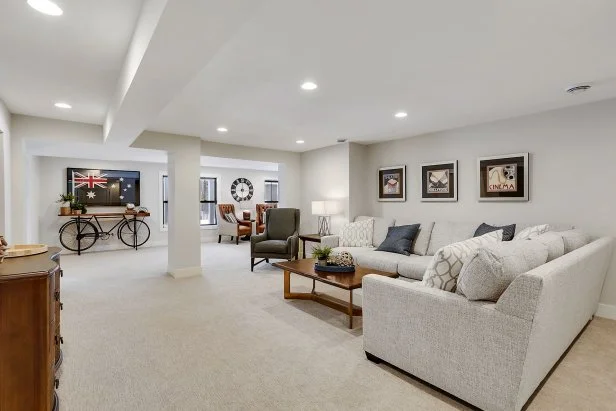
Accent lighting draws attention to specific areas or objects. Use spotlights or wall sconces to create interest. Task lighting helps with focused activities, such as reading lamps near chairs. Choose adjustable fixtures to control light direction and intensity. This lighting adds function and style.
Credit: www.hgtv.com
Color Schemes
Choosing the right color scheme shapes the mood of your basement living room. Colors influence light, space, and feel. Thoughtful colors make the room inviting and cozy. Consider the room’s natural light and size while picking colors. Balance is key to avoid making the space too dark or too dull.
Neutral Palettes
Neutral colors create a calm and open atmosphere. Shades like beige, gray, and soft white reflect light well. They make the basement feel larger and brighter. Neutral tones also work as a great backdrop for furniture and decor. These colors offer flexibility to add colorful accents later.
Bold Accent Walls
Bold accent walls add personality without overwhelming the space. Choose one wall to paint in a strong color like navy blue or deep green. This creates a focal point and adds depth to the room. Keep other walls light to maintain balance. Accent walls work well behind the sofa or TV area.
Warm Vs Cool Tones
Warm tones include colors like red, orange, and yellow. They bring energy and coziness to the room. Cool tones, such as blue, green, and purple, feel calm and relaxing. Warm tones suit lively social spaces. Cool tones fit quiet, restful areas. Pick tones based on the room’s purpose and your mood preference.
Flooring Options
Choosing the right flooring for your basement living room can change the entire vibe of the space. Without a kitchen nearby, the flooring needs to balance comfort, durability, and style. Think about how you’ll use the room—will it be a cozy retreat, a play area, or a casual hangout? Your choice affects both the look and feel, so let’s dive into some practical flooring options.
Carpet Choices
Carpet adds warmth and softness, making your basement feel inviting and cozy. It’s perfect if you want to create a relaxed, comfortable area where you can sit on the floor or lay out a blanket for movie nights.
Look for carpets that resist moisture and mold since basements can be damp. Nylon and polyester carpets are good picks because they dry quickly and handle spills better. Plus, you can find affordable styles that still look great.
Hardwood And Laminate
Hardwood floors bring a classic, polished look to your basement living room. They’re durable and easy to clean, but real hardwood can be vulnerable to moisture damage in basements. Consider engineered hardwood, which holds up better in damp environments.
Laminate is a budget-friendly alternative that mimics hardwood’s appearance. It’s scratch-resistant and easy to install yourself. Just make sure to add a moisture barrier underneath to protect your floors.
Area Rugs
Area rugs are a flexible way to add color and texture without committing to wall-to-wall carpet. They can define seating areas and bring warmth to hard floors like concrete or laminate.
Choose rugs made from durable materials that are easy to clean, like synthetic fibers or indoor-outdoor blends. Layering rugs can also create a stylish, personalized look—what colors or patterns would brighten up your space?
Furniture Selection
Choosing the right furniture for a basement living room without a kitchen demands thoughtful consideration. Your selections should maximize comfort and functionality while fitting the unique layout of the space. This is your chance to create a cozy retreat where every piece serves a purpose.
Comfortable Seating
Comfort is key when picking seating for your basement living room. Opt for plush sofas or sectionals that invite relaxation after a long day. Don’t overlook armchairs or bean bags that add extra spots for friends and family.
Think about materials that feel soft but are easy to clean, especially if you plan to use the space often. You might find a reclining sofa or a loveseat with built-in storage perfect for stashing blankets and pillows. Have you considered how many people you want to comfortably accommodate?
Space-saving Tables
Tables in a basement living room should be both functional and compact. Nesting tables or ottomans with hidden storage can save space without sacrificing style. These options let you adjust your layout quickly when guests arrive.
Look for pieces with multiple uses—like coffee tables with shelves underneath or side tables that double as trays. This way, you can keep essentials close by without clutter. What clever table designs could make your space more adaptable?
Entertainment Centers
Without a kitchen nearby, your basement living room often becomes the main entertainment hub. Choose an entertainment center that fits your tech and media needs without overwhelming the room. Wall-mounted units can free up floor space while keeping everything organized.
Consider shelves for books, games, or decor to personalize the space. If you enjoy gaming or movie nights, a media console with cable management keeps wires tidy and out of sight. How might your entertainment setup enhance the vibe of your basement?
Decorative Elements
Decorative elements bring personality and warmth to a basement living room, especially when there’s no kitchen nearby. They help define the space and make it feel inviting rather than unfinished. Choosing the right decorations can turn a plain basement into your favorite hangout spot.
Wall Art And Mirrors
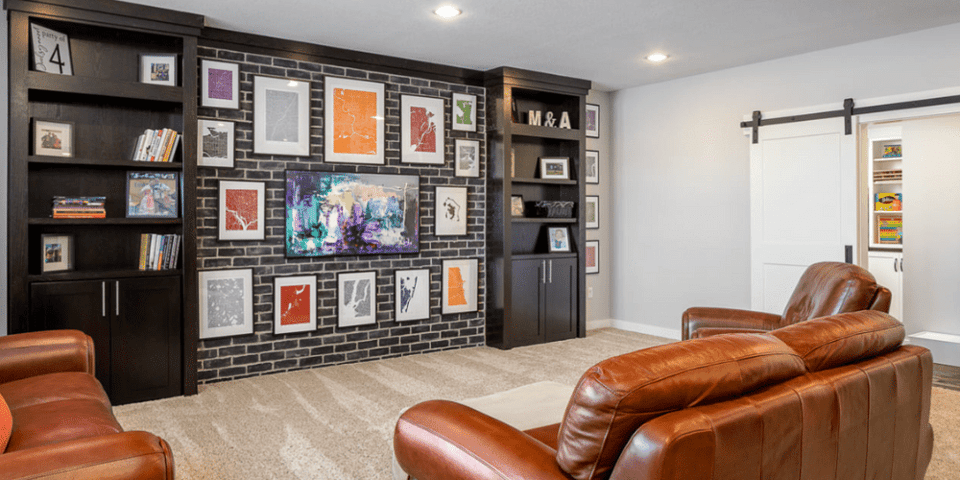
Walls in a basement living room often feel bare and dull. Adding wall art can instantly brighten the space and showcase your style. Think about using large prints or a gallery wall with photos that tell your story.
Mirrors are a great tool here. They reflect light and create the illusion of more space, which is crucial in basements that might feel cramped. A well-placed mirror opposite a window or light source can make your room feel twice as big.
Textiles And Throws
Soft textiles add comfort and color to your basement living room. Use throws, cushions, and rugs to introduce texture and warmth. They also allow you to change the look seasonally without much hassle.
Consider layering different fabrics—like a chunky knit throw on a velvet couch—to make the space cozy. Don’t shy away from bold patterns or vibrant colors; these can bring life to an otherwise neutral room.
Plants And Greenery
Plants breathe life into any room, and basements are no exception. They improve air quality and add a fresh, natural vibe. Choose low-light plants like snake plants, pothos, or ZZ plants that thrive without much sunlight.
Try grouping plants in varied pots or hanging them to save floor space. Have you noticed how a few green leaves can lift your mood and soften the hard edges of a basement?
Credit: www.compellinghomes.com
Creating Zones
Creating zones in a basement living room without a kitchen helps organize space. It makes the room feel bigger and more functional. Different areas serve different needs. This approach keeps the space tidy and inviting.
Reading Nook
A cozy reading nook invites relaxation and quiet time. Use a comfortable chair or small sofa with soft lighting. Add a small bookshelf or side table for books and drinks. A rug can define this spot and add warmth. Place it near a window or a wall with good lighting.
Media Area
The media area is perfect for watching movies or playing games. Arrange a TV or projector with comfortable seating like a couch or bean bags. Use wall shelves to store media devices and accessories. Darker walls or curtains can reduce glare and improve viewing. Keep this zone clutter-free for the best experience.
Play Or Hobby Space
Create a play or hobby space for creativity and fun. Use a small table or open floor area with storage bins for toys or craft supplies. Bright colors and easy-to-clean surfaces work well here. This zone should be easy to access but separate from quiet areas. It helps keep messes contained and encourages activity.
Tech And Entertainment
Tech and entertainment gear can transform a basement living room into a fun and relaxing space. Without a kitchen, the focus shifts to comfort and enjoyment. Choosing the right equipment makes the room inviting and practical.
Sound Systems
Good sound enhances movies, music, and games. Choose speakers that fit the room size. Surround sound systems offer an immersive experience. Wireless speakers reduce clutter and allow flexible placement. Soundbars provide clear audio without complex setup. Consider acoustics; soft materials help reduce echo and improve sound quality.
Tv And Projector Setup
A large TV or projector screen creates a cinema feel. Projectors save space and offer big images. Mount the TV or screen at eye level for comfort. Use blackout curtains to control light. Keep cables hidden for a clean look. Select a model with smart features for easy streaming. Position seating to face the screen directly.
Smart Home Features
Smart devices add convenience and control. Voice assistants can manage lighting and sound. Smart lighting adjusts brightness and color for mood. Use smart plugs to control electronics remotely. Integrate security cameras or sensors for safety. Automation can turn devices on or off on schedule. Simple apps make it easy to manage tech from a phone.
Personal Touches
Adding personal touches to your basement living room makes the space feel truly yours. Without a kitchen to focus on, this area becomes a cozy retreat where your personality can shine. Small details like photos, shelves, and accessories transform a plain room into a warm, inviting spot for family and friends.
Family Photos
Displaying family photos instantly adds warmth and familiarity to your basement living room. Choose a mix of framed pictures and casual snapshots to create a relaxed vibe. You could arrange them in a gallery wall or scatter them on side tables for an informal touch.
Think about using different frame styles and sizes to keep things interesting. What stories do your photos tell? Sharing these moments makes guests feel connected to your space.
Custom Shelving
Custom shelving lets you organize your favorite items while showcasing your style. Consider shelves that fit the room’s size perfectly—floating shelves can save space and look sleek. Use them to display books, keepsakes, or even a small plant collection.
Building shelves yourself or working with a local carpenter can add a unique character to the basement. How could your shelves reflect your hobbies or interests?
Unique Accessories
Accessories are the finishing touches that bring your basement living room to life. Look for items that reflect your taste, like vintage lamps, handmade cushions, or quirky art pieces. These details make the room feel lived-in and comfortable.
Don’t hesitate to mix styles or colors that you love. What small accessory could spark a conversation or brighten your mood every time you enter the room?

Credit: www.hgtv.com
Frequently Asked Questions
How Can I Maximize Space In A Basement Living Room?
Use multifunctional furniture like storage ottomans and wall shelves. Keep the layout open to enhance flow and avoid clutter. Light colors and mirrors also create a spacious feel.
What Lighting Works Best In A Basement Living Room?
Combine ambient, task, and accent lighting. Use LED fixtures, floor lamps, and wall sconces. Natural light sources like light tubes or window wells help brighten the space.
How Do I Create A Cozy Atmosphere Without A Kitchen?
Add soft textiles like rugs, cushions, and throws. Use warm lighting and calming colors. Incorporate personal decor and comfortable seating to make the room inviting.
What Flooring Options Suit A Basement Living Room?
Choose moisture-resistant flooring such as vinyl, laminate, or engineered wood. Add area rugs for warmth and comfort. Avoid carpets if the basement is prone to dampness.
Conclusion
A basement living room without a kitchen can still feel warm and cozy. Choose comfortable furniture and bright lighting to make the space inviting. Add rugs and curtains for color and texture. Use shelves or cabinets to keep things tidy and organized.
Personal touches like photos or plants bring life to the room. This space can be perfect for relaxing, reading, or watching movies. Small changes create a big difference. Enjoy making your basement living room a special place to spend time.