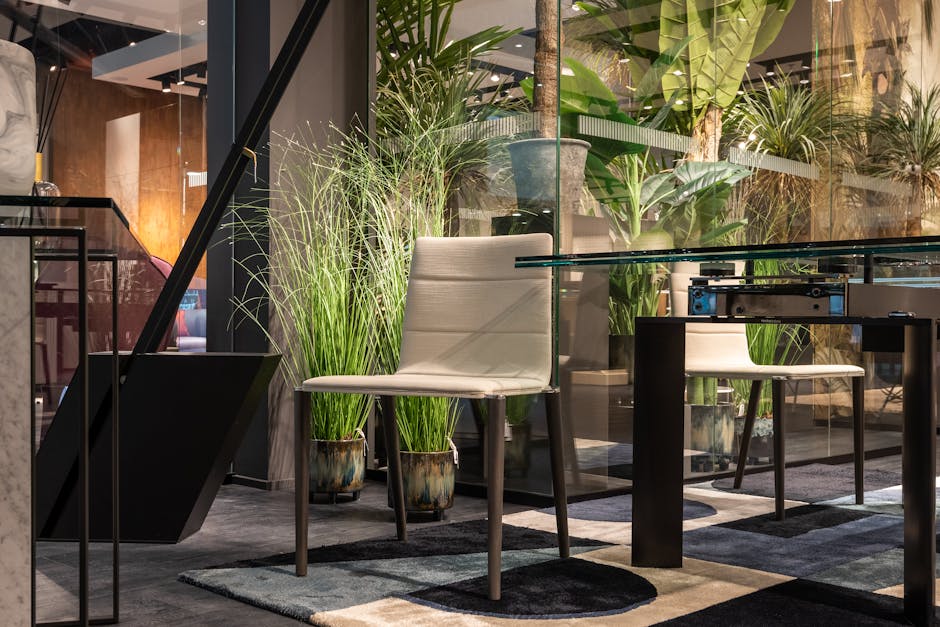
Combining your living room and dining room into one space can feel tricky. You want both areas to look great and work well together, but where do you start?
Imagine walking into a room that feels cozy, stylish, and perfectly balanced—where every piece fits just right. This guide will show you simple, smart ways to decorate your living and dining room combo so it feels like one beautiful, inviting space.
Ready to transform your home? Let’s dive in and make your space truly shine.
Choosing A Cohesive Color Scheme
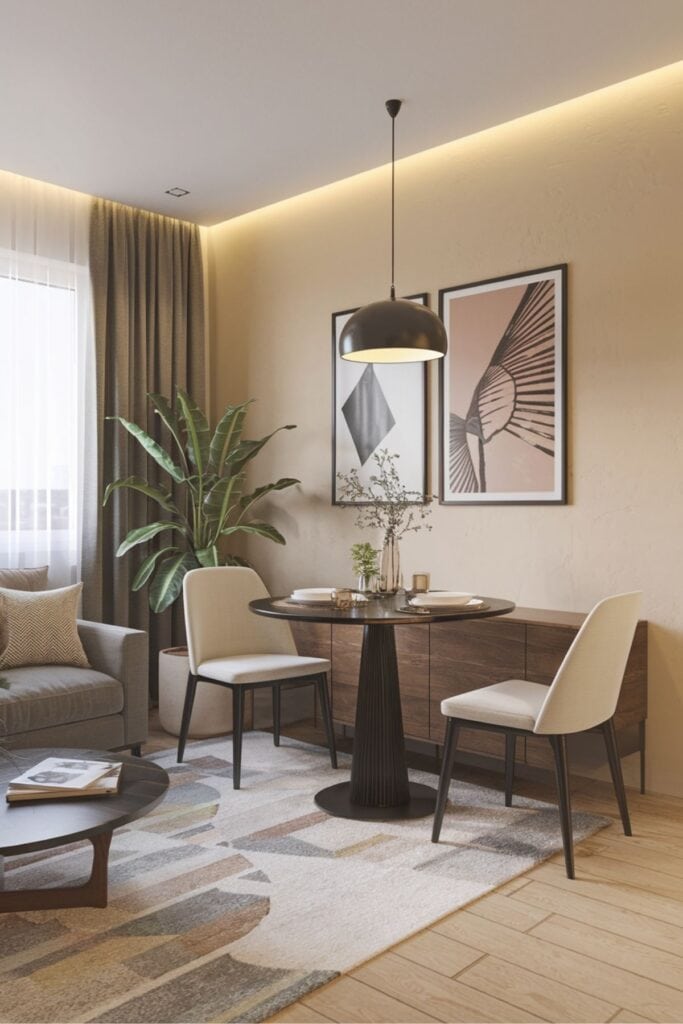
Choosing a cohesive color scheme ties your living room and dining room combo together. It creates flow and harmony across both spaces. A well-chosen palette makes the area feel larger and more inviting. Focus on colors that complement each other without clashing. Balance is key to achieve a unified look.
Balancing Warm And Cool Tones
Warm tones like reds, oranges, and yellows bring energy and coziness. Cool tones such as blues, greens, and grays offer calm and relaxation. Mix these tones carefully for a balanced feel.
- Use warm colors in the living room to create a welcoming space.
- Apply cool tones in the dining room for a serene dining experience.
- Choose a neutral base color like beige or gray to connect both areas.
- Repeat warm and cool accents in both rooms to unify the design.
Using Accent Colors Effectively
Accent colors add personality and interest to your combo space. Use them in small doses to avoid overwhelming the room. Common places to add accents include pillows, rugs, and artwork.
- Select 1-2 bold accent colors that stand out against your base palette.
- Scatter accent colors evenly in both rooms to create cohesion.
- Use metallic accents like gold or silver for a subtle shine.
- Change accent colors seasonally for a fresh look without repainting.
Credit: abloomdecor.com
Selecting Multifunctional Furniture
When you’re tackling the challenge of decorating a living room and dining room combo, selecting multifunctional furniture becomes a game-changer. It’s all about maximizing the utility without compromising on style. Imagine having pieces that adapt to your needs, transforming your space with a simple adjustment.
Space-saving Seating Options
Multifunctional seating can redefine your living room area. Consider sofas that double as beds or sectionals with hidden storage compartments. These options not only save space but also provide practical solutions for unexpected guests or clutter control.
Think about ottomans that can act as both footrests and coffee tables. They offer a perfect blend of comfort and utility, making them indispensable in a compact living area. Have you ever thought about stacking stools? They’re a great way to have extra seating without taking up permanent space.
Dining Tables With Versatile Designs
Dining tables are the centerpiece of your dining area, and choosing one with a versatile design can elevate your room’s functionality. Consider extendable tables that cater to both intimate dinners and larger gatherings. They effortlessly adjust to the occasion.
Opt for tables with built-in storage, offering a solution for keeping dining essentials close yet out of sight. Drop-leaf tables are another brilliant option; they adjust in size to fit your space perfectly. Do you often find yourself needing extra space? These tables can be your best friend.
By selecting multifunctional furniture, you create a dynamic environment that adapts to your lifestyle. What other innovative solutions could transform your living and dining space?
Creating Distinct Zones
Creating distinct zones in a living room and dining room combo helps maintain order and comfort. You want each area to feel purposeful without walls dividing them. Clear visual cues guide you naturally from one space to the next, making the room feel bigger and more functional.
Area Rugs To Define Spaces
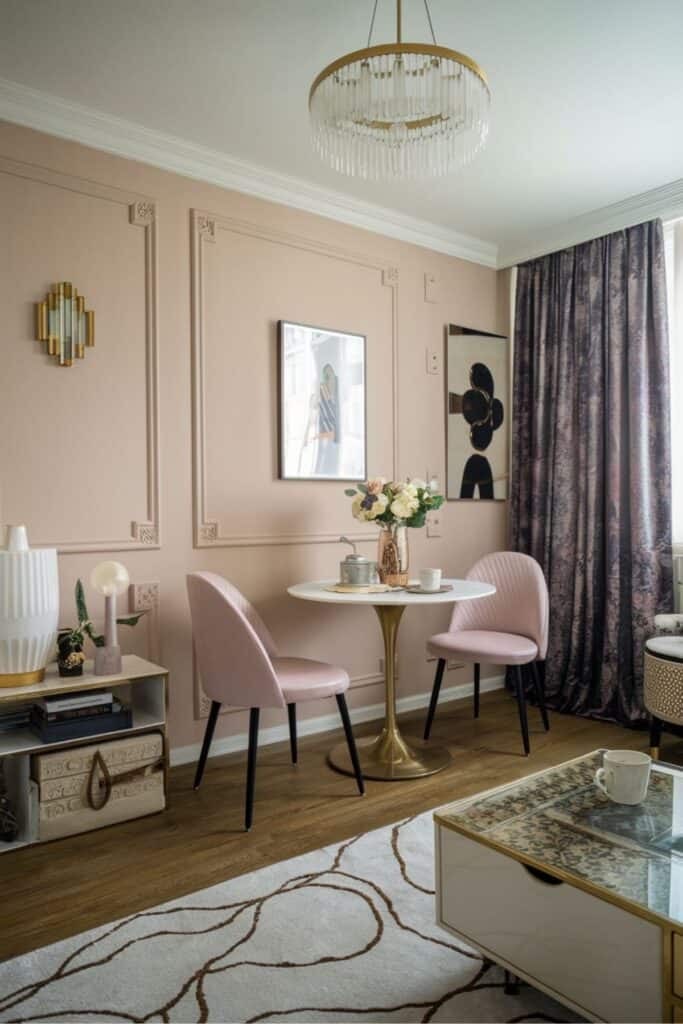
Area rugs are a simple yet powerful way to mark different zones. Place a large rug under your dining table to anchor the eating area. Then, add a separate rug in the living section to frame the seating arrangement.
Choose rugs that complement each other but have different patterns or colors to subtly separate the spaces. You can even experiment with texture—smooth rugs for dining, plush ones for lounging. This tactile difference helps your brain recognize distinct zones without any barriers.
Lighting Strategies For Separation
Lighting plays a crucial role in visually dividing your combo space. Use pendant lights or chandeliers above the dining table to create a focused, intimate glow. Meanwhile, softer, layered lighting like floor lamps and table lamps can warm up the living area.
Think about different lighting controls for each zone so you can adjust brightness independently. This flexibility helps set the mood and reinforces the purpose of each space. Have you tried dimmable lights or separate switches? They make a surprisingly big difference in how distinct your zones feel.
Credit: abloomdecor.com
Incorporating Storage Solutions
Adding smart storage solutions can transform your living room and dining room combo from cluttered to organized. You want your space to feel open, yet functional enough to hold everything you need. The key is to blend storage seamlessly into your decor so it doesn’t steal the spotlight but supports your daily life.
Built-in Shelves And Cabinets
Built-in shelves and cabinets are perfect for maximizing vertical space without crowding the room. They create a clean, streamlined look while providing ample storage for books, dishes, or decorative items.
Think about installing a low cabinet under a window or along a wall that separates the two areas. This can hold dining essentials like placemats and cutlery, while also serving as a display area for living room accents.
Have you noticed how built-ins can make a room feel custom and polished? They often become a focal point, adding character while keeping clutter out of sight.
Decorative Storage Pieces
Not all storage needs to be hidden. Decorative baskets, stylish trunks, and open shelving add personality while keeping things tidy. Choose pieces that complement your overall design style.
For example, a woven basket next to the sofa can store blankets, making the space cozy and organized. A vintage trunk can double as a coffee table and storage box, giving you extra surface area and a place to stash items.
Ask yourself: which everyday items do you want quick access to, and how can storage fit naturally into your routine? Decorative storage lets you keep essentials handy without sacrificing style.
Adding Personal Touches
Adding personal touches to a living room and dining room combo makes the space truly yours. It reflects your style and creates a warm, inviting atmosphere. Personal details bring life and character to the room.
Artwork And Wall Decor
Artwork adds color and personality to your walls. Choose pieces that speak to your tastes and experiences. Family photos, prints, or paintings create a story on your walls. Consider mixing different sizes and frames for a dynamic look. Wall shelves can hold small sculptures or favorite objects.
Textiles And Accessories
Textiles soften the space and add comfort. Use cushions, throws, and rugs in colors and patterns you love. Mix textures like velvet, cotton, and wool for depth. Accessories such as vases, candles, and books personalize the room. Small details make the combo feel cozy and lived-in.
Maximizing Natural Light
Natural light makes any space feel larger and more inviting. In a living room and dining room combo, it creates a warm and cheerful atmosphere. Using natural light smartly helps highlight your decor and saves energy. Bright spaces look clean and fresh, perfect for both relaxing and dining.
Window Treatments That Enhance Brightness
Choose light-colored curtains or blinds to let sunlight filter through. Sheer fabrics soften the light without blocking it. Avoid heavy drapes that darken the room. Consider roller shades or Venetian blinds for adjustable light control. Keep window areas clear of large furniture to avoid shadows. Use curtain rods that extend beyond the window frame to open windows fully.
Mirrors To Reflect Light
Mirrors bounce natural light around the room, making it appear brighter. Place a large mirror opposite or near a window for best effect. Group smaller mirrors on a wall to create a light-enhancing feature. Choose frames that match your room style for a cohesive look. Avoid placing mirrors where they reflect clutter or dark corners. Mirrors add depth and can visually expand your living-dining area.
Maintaining Flow And Functionality
Maintaining flow and functionality in a living room and dining room combo is essential to create a space that feels open, inviting, and practical. You want your guests and family to move easily between areas without obstacles or awkward transitions. The way you arrange furniture and balance style with comfort directly impacts how you experience the space every day.
Traffic Patterns And Furniture Placement
Think about how people naturally walk through your combined space. Avoid blocking pathways with bulky furniture or tight groupings. Leave at least 30 to 36 inches of clear space for walking to keep movement smooth.
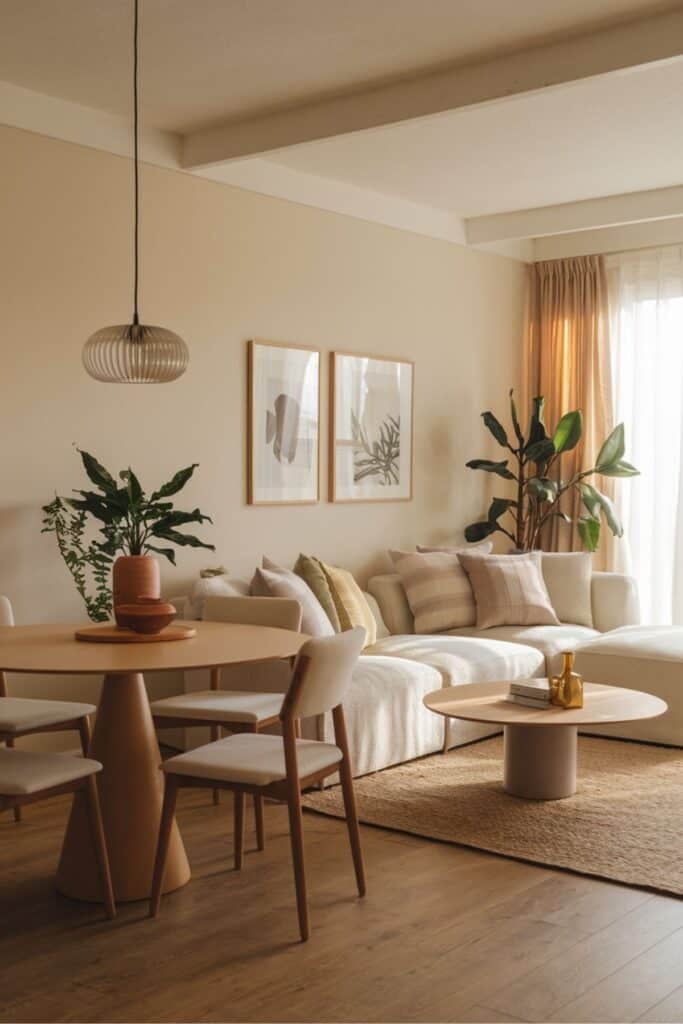
Place larger furniture pieces, like sofas and dining tables, in a way that naturally defines each area but doesn’t isolate them. For example, positioning the sofa with its back to the dining area can create a subtle division without walls.
Use rugs or lighting to visually mark the boundaries between living and dining zones. This helps guide movement without forcing people to zigzag around obstacles. Have you noticed how a well-placed rug can pull a seating area together while keeping the dining space separate yet connected?
Balancing Aesthetics With Comfort
Choosing stylish furniture is important, but comfort should never take a backseat. You want your seating to invite relaxation and your dining chairs to encourage long, enjoyable meals.
Mix materials and textures to create warmth and interest. A leather sofa paired with soft fabric cushions and a wooden dining table adds depth without sacrificing comfort.
Don’t overcrowd your combo room with too many decorative items. Instead, focus on a few statement pieces that complement both areas. This keeps the space feeling cohesive and easy to live in.
Think about your daily routines. Does your furniture support how you use the space, whether it’s casual lounging, entertaining, or family dinners? Adjust your layout until it feels just right for your lifestyle.
Credit: abloomdecor.com
Frequently Asked Questions
How To Define Zones In A Living-dining Combo?
Use rugs, lighting, or furniture placement to create clear zones. This helps distinguish living and dining areas visually and functionally.
What Colors Work Best For Combined Living And Dining Rooms?
Choose a cohesive color palette with complementary shades. Neutral tones with accent colors unify the space and enhance harmony.
How To Choose Furniture For A Living-dining Combo?
Select multi-functional, appropriately sized furniture. Avoid bulky pieces to maintain flow and maximize space usability.
How To Balance Lighting In A Living-dining Room Combo?
Layer ambient, task, and accent lighting. Use dimmers and distinct fixtures for each zone to create mood and functionality.
Conclusion
Creating a living room and dining room combo can feel simple and fun. Use clear zones to keep each area organized. Choose furniture that fits well and feels cozy. Light and color help make the space bright and warm. Remember to add personal touches that show your style.
Small details can bring the whole room together. Enjoy making your space both useful and beautiful. Your home will feel welcoming for family and guests. Keep it balanced, and you will love living there.