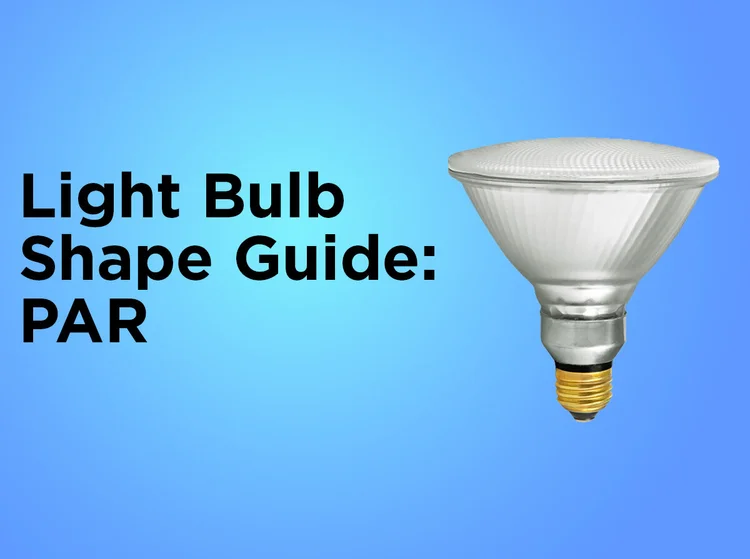
Are you wondering what size decorative ceiling light bulb you need to brighten up your space just right? Choosing the perfect bulb isn’t as simple as it seems.
The wrong size can throw off your room’s look or even cause fitting problems. But don’t worry—by the end of this article, you’ll know exactly which bulb fits your ceiling fixture perfectly. Keep reading to discover the key sizes and tips that will help you make your room shine with style and ease.

Credit: www.amazon.com
Types Of Decorative Ceiling Bulbs
Understanding the types of decorative ceiling light bulbs can help you choose the perfect one to match your room’s style and lighting needs. These bulbs come in various shapes and sizes, each designed to offer a unique look and feel. Knowing the options can save you time and ensure your ceiling light not only brightens but also enhances your space.
Common Bulb Shapes
Decorative ceiling light bulbs come in several popular shapes, each bringing a different aesthetic to your fixture.
- Globe Bulbs:Round and smooth, these bulbs provide soft, even light. They work well in modern or minimalist spaces.
- Flame Tip Bulbs:Designed to mimic a flickering flame, these are perfect for vintage or classic decor.
- ST (Straight Tubular) Bulbs:These tubular bulbs add an industrial or retro vibe, often used in exposed fixtures.
- Candle Bulbs:Shaped like a candle flame, they add elegance to chandeliers and decorative fixtures.
Have you noticed how changing the bulb shape can completely alter the atmosphere? It’s a simple tweak that can refresh your entire room.
Popular Bulb Sizes
Bulb sizes determine how a decorative bulb fits into your ceiling fixture and affects the light spread. The size is usually indicated by a code that combines a letter and a number.
| Size Code | Description | Common Use |
|---|---|---|
| G25 | Globe shape, 3.125 inches in diameter | Vanity lights, pendant fixtures |
| B10 | Candelabra shape, 1.25 inches diameter | Chandeliers, wall sconces |
| T10 | Tubular shape, 1.25 inches diameter | Exposed bulbs, decorative fixtures |
| E12 & E26 | Base sizes, E12 smaller (candelabra), E26 standard | Common sockets for decorative bulbs |
Choosing the right size bulb is crucial. A bulb too large or too small can look awkward and affect the light coverage. What’s the size of your current bulb, and does it fit your fixture perfectly?
Credit: www.visualcomfort.com
Measuring Bulb Size
Decorative ceiling light bulbs come in various sizes, measured by their diameter and base type. Knowing these dimensions helps you pick the perfect bulb for your fixture. Measure across the widest part of the bulb to find its size accurately.
Choosing the right decorative ceiling light bulb isn’t just about style; it’s about functionality. Understanding bulb size is crucial to ensure your fixture shines bright while fitting perfectly. A bulb that’s too large may not fit your fixture, while one that’s too small might not provide enough light. Let’s dive into the key aspects of measuring bulb size.Diameter And Length
The diameter of a bulb is typically measured in millimeters and indicated with a numerical value followed by ‘mm.’ A common size for decorative ceiling bulbs is around 60mm, which is perfect for standard fixtures. Length measurement is equally important. It ensures the bulb won’t protrude awkwardly or interfere with other components in your fixture. Measure from the base to the tip to get the correct length. Don’t forget, a bulb that’s too long can look awkward or even affect the light spread.Base Types And Dimensions
The base type is essential for compatibility with your fixture. Common bases include the Edison Screw (E27 or E26), which is prevalent in many household fixtures. Each base type has specific dimensions that must match the socket. For instance, an E27 base is 27mm in diameter. Have you ever struggled to fit a bulb into a socket only to realize the base size was wrong? Always check your fixture’s specifications before purchasing. Understanding these dimensions ensures a snug fit and optimal performance. By measuring correctly, you avoid the hassle of returns and save time on installation.Matching Bulbs To Fixtures
Choosing the right decorative ceiling light bulb means matching it perfectly to the fixture. Bulbs come in various sizes and shapes. Fixtures have specific requirements. A mismatch can cause poor lighting or damage. Understanding how to pair bulbs with fixtures ensures safety and style. It also improves the overall look and function of your lighting.
Fixture Compatibility
Every fixture has a socket type and size. The bulb must fit this socket exactly. Common socket sizes include E26, E12, and B22. Decorative bulbs often have unique shapes but standard bases. Check the fixture’s label or manual for socket type. Some fixtures limit bulb size due to space. Make sure the bulb’s shape suits the fixture’s design. A bulb too large can block light or look awkward.
Wattage And Brightness Considerations
Fixtures have maximum wattage limits for safety. Using a bulb with higher wattage can cause overheating. Always check the fixture’s maximum wattage rating. LED bulbs offer brightness with lower wattage. Choose bulbs that meet your brightness needs without exceeding wattage limits. Brightness is measured in lumens. More lumens mean brighter light. For decorative purposes, softer light may be better. This creates a cozy and inviting atmosphere.
Choosing Bulbs For Style
Choosing the right bulb size for your decorative ceiling light is more than just a technical decision—it shapes the entire mood of your room. The style of the bulb can either complement or clash with your décor, so think about the look you want to achieve. Whether you want to create a cozy vintage vibe or a sleek modern feel, the bulb you pick plays a big role in setting the tone.
Vintage And Edison Bulbs
Vintage and Edison bulbs bring a warm, nostalgic glow that instantly adds character to any space. Their larger size and exposed filaments make them perfect for fixtures where the bulb itself is a focal point. You’ll often find these bulbs in sizes like A19 or ST64, which balance visibility and style.
These bulbs work best in open or clear glass fixtures where their design can shine. If you want to create a relaxed, inviting atmosphere, these bulbs are a smart choice. Have you noticed how a simple Edison bulb can turn a plain ceiling light into a conversation starter?
Modern And Minimalist Designs
For a clean and contemporary look, smaller bulbs with simple shapes are ideal. Bulbs such as G25 or smaller globe shapes fit well in minimalist fixtures, offering a soft but efficient light. Their compact size keeps the focus on sleek lines rather than the bulb itself.
These bulbs usually come in cool white or daylight tones, enhancing the fresh and uncluttered feel of modern interiors. If your style leans toward minimalism, choosing the right bulb size can prevent your ceiling light from feeling bulky or out of place. How might your space change if you switched to a smaller, subtler bulb?
Energy Efficiency Options
Choosing the right decorative ceiling light bulb affects both style and energy use. Energy efficiency options help reduce electricity bills and environmental impact. Picking bulbs with smart features or better technology saves power and offers convenience.
Led Vs Incandescent
LED bulbs use much less energy than incandescent bulbs. They last longer, so fewer replacements are needed. Incandescent bulbs waste energy as heat and burn out quickly. LEDs come in many sizes and shapes, perfect for decorative lighting. Although LEDs cost more upfront, they save money over time. Incandescent bulbs are cheaper but not as efficient.
Smart Bulbs And Controls
Smart bulbs connect to apps or voice assistants for easy control. You can dim lights or change colors without touching the switch. Scheduling lights to turn off saves energy when rooms are empty. Some smart bulbs adjust brightness based on natural light. These features help lower energy use and improve comfort. They fit most decorative fixtures, including ceiling lights.
Installation Tips
Installing decorative ceiling light bulbs might seem straightforward, but a few key tips can make the process safer and more effective. Paying attention to how you handle and fit these bulbs can extend their life and keep your space looking stunning. Let’s focus on practical advice that you can apply immediately during installation.
Safe Handling
Always turn off the power before you start. This simple step protects you from electric shock and prevents damage to the bulb.
Hold the bulb gently by its base, not the glass. Oils from your fingers can create hot spots on the glass, causing the bulb to burn out faster.
Use a soft cloth or gloves if possible. This extra care helps avoid fingerprints and reduces the risk of dropping the bulb.
Proper Fitting Techniques
Check the bulb size and socket compatibility before installation. Decorative bulbs often come in various sizes like E12, E14, or E26, and the wrong fit can cause flickering or no light at all.
Align the bulb carefully with the socket. Twist it gently clockwise until it feels secure but don’t force it; overtightening can damage the bulb or socket.
If your light fixture has a shade or cover, ensure the bulb fits comfortably inside without touching the sides. This prevents overheating and preserves the bulb’s appearance.
Troubleshooting Fit Issues
Dealing with decorative ceiling light bulbs that don’t fit properly can be frustrating. You might think you’ve picked the right size, only to find the bulb won’t screw in or it feels loose. Troubleshooting these fit issues requires understanding the exact problem and knowing how to fix it without wasting time or money.
Bulb Too Large Or Small
A bulb that’s too large won’t fit into the socket, and one that’s too small might not make proper contact to light up.
Check the bulb’s diameter and base size before purchasing. Decorative bulbs often come in sizes like A19, G25, or T10, each referring to the bulb’s shape and width. If your bulb doesn’t fit, double-check the measurements against your fixture’s specifications.
Sometimes, the bulb seems slightly off in size due to its decorative features, like a thicker glass or unique design. In such cases, trying a different style within the same size category might solve the problem. Have you ever bought a bulb that looked perfect but just wouldn’t screw in? That’s usually a size mismatch or a base shape issue.
Socket Compatibility Problems
Even if the bulb size matches, it may not fit because of socket type differences. Common bases include E26, E12, and GU10, each requiring a compatible socket.
If your bulb won’t fit, inspect the socket inside your fixture. Sometimes, sockets get worn out or bent, preventing proper connection. You might need to replace or adjust the socket for a secure fit.
Also, consider the voltage and wattage compatibility. Using a bulb with higher wattage than the fixture supports can cause overheating or damage. Are you sure your fixture and bulb are designed to work together? Checking these details can save you a lot of hassle.
Credit: www.visualcomfort.com
Frequently Asked Questions
What Are Common Sizes Of Decorative Ceiling Light Bulbs?
Decorative ceiling light bulbs usually come in sizes like A15, G25, and ST19. These sizes refer to bulb shape and diameter. A15 bulbs are smaller and more compact. G25 and ST19 bulbs are larger and globe-shaped, ideal for decorative fixtures.
How To Choose The Right Bulb Size For Ceiling Lights?
Choose a bulb size that fits your fixture’s socket and shade. Measure the fixture’s diameter to ensure the bulb fits without protruding. Also, consider the bulb’s shape and brightness for the desired aesthetic and function.
Can Decorative Bulbs Fit Standard Ceiling Light Fixtures?
Most decorative bulbs are designed to fit standard E26 or E27 sockets. However, always check your fixture’s socket type before purchasing. This ensures compatibility and proper installation without electrical issues.
Does Bulb Size Affect Decorative Ceiling Light Appearance?
Yes, bulb size greatly impacts the look of decorative ceiling lights. Larger bulbs like G25 create a bold statement. Smaller bulbs offer subtle elegance. The size should complement your room’s style and lighting needs.
Conclusion
Choosing the right size for decorative ceiling light bulbs matters. It affects both style and how well the light works. Small bulbs fit cozy spaces, while larger ones suit big rooms. Always check your fixture’s size before buying bulbs. This helps avoid mistakes and saves time.
Remember, the right bulb makes your room look brighter and nicer. Keep these tips in mind when selecting bulbs. Brighten your home with the perfect decorative ceiling light bulb size.