Have you ever wondered when people first started decorating their homes with Christmas lights? Those twinkling bulbs that make your neighborhood feel magical every holiday season didn’t appear overnight.
There’s a fascinating story behind how this bright tradition began—and it might surprise you. Keep reading, and you’ll discover how a simple idea transformed into a dazzling display that lights up your own home each year.
Early Holiday Lighting Traditions
Early holiday lighting traditions have deep roots in history. Long before electric lights, people used natural sources to brighten their homes during winter. These lights symbolized hope, warmth, and celebration. The use of light played an important role in marking the festive season and creating a joyful atmosphere.
Candles And Natural Lights
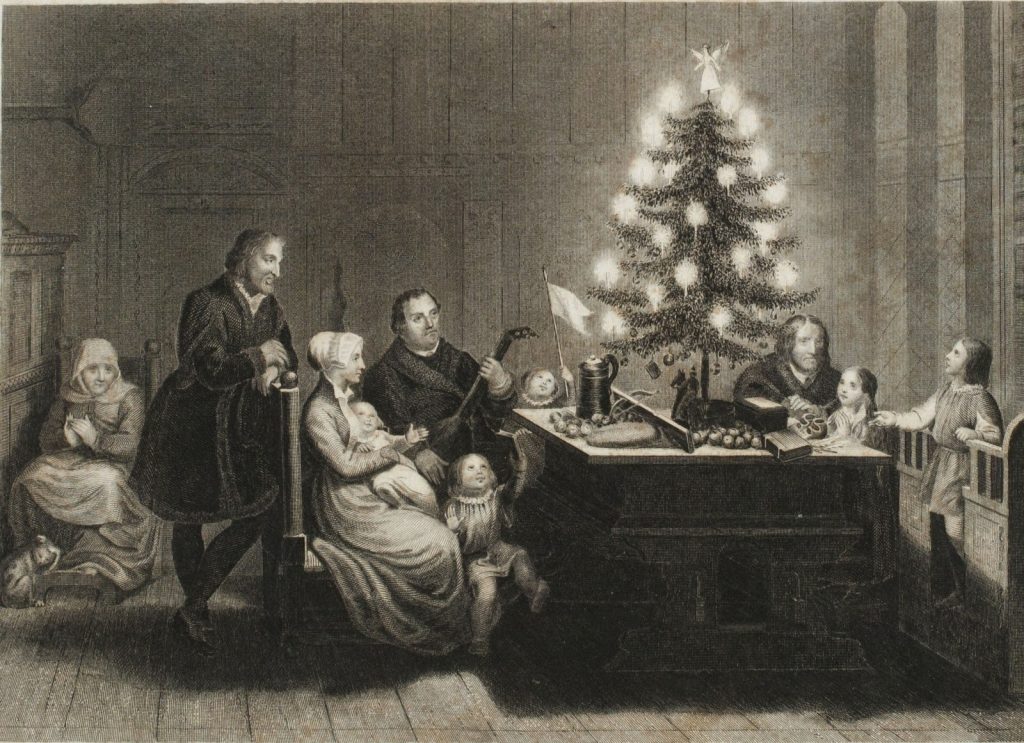
Candles were the first form of holiday lighting. People placed them on windows and trees to shine through dark winter nights. They used natural elements like pine branches and holly alongside candles. This created a warm and inviting glow inside homes. Firelight symbolized the return of longer days after the winter solstice. It also helped families feel cozy during cold, dark evenings.
Religious Symbolism
Light holds strong meaning in many religious holiday traditions. In Christianity, candles represent the light of Christ coming into the world. Lighting candles during Advent and Christmas symbolizes hope and faith. Other cultures also used light to mark spiritual celebrations. The glow of candles and lanterns signified purity, guidance, and protection. These early practices laid the foundation for today’s modern holiday lighting displays.
Invention Of Electric Christmas Lights
The invention of electric Christmas lights changed holiday decorating forever. Before electricity, people used candles to light their Christmas trees. This was risky and often caused fires. Electric lights offered a safer and brighter way to celebrate.
Electric light technology grew quickly in the late 19th century. Inventors worked hard to make electric bulbs smaller and more reliable. This progress made electric Christmas lights possible and popular.
Edison And The First Electric Lights
Thomas Edison played a key role in creating electric lights. He invented the first practical incandescent bulb in 1879. Edison’s bulbs could glow for many hours without burning out. This was a major step forward from earlier designs.
Edison also developed an electric power system to light homes and streets. His work laid the foundation for electric Christmas lights. Without Edison’s invention, decorating with electric lights would not exist.
First Use On Christmas Trees
The first electric Christmas lights appeared in the 1880s. Edward H. Johnson, Edison’s colleague, created the first string of electric lights. He hand-wired 80 tiny bulbs onto a Christmas tree in 1882. This tree was displayed in New York City.
The electric lights were a marvel. People were amazed by the bright, colorful display. These lights made decorating easier and safer than candles. Soon, families and stores started using electric lights on their trees and houses.
Spread Of Christmas Lights In Homes
Decorating homes with Christmas lights began as a special tradition that grew over time. The spread of these lights into homes marked a shift from public displays to personal celebrations. Families wanted to bring the festive spirit closer to their daily lives. This change happened gradually as technology and availability improved.
Early on, only wealthy people could afford electric lights. As the years passed, lights became easier to find and use. This helped more homes join the joyful trend of brightening up Christmas with colorful bulbs.
Commercial Availability
Electric Christmas lights first appeared in stores in the early 1900s. At first, they were expensive and rare. Only a few companies made them, and they were hard to install.
By the 1920s and 1930s, more manufacturers started producing lights. This led to lower prices and better designs. Strings of lights became easier to connect and safer to use. Stores began offering different colors and styles, attracting more buyers.
Shopping for Christmas lights became part of the holiday routine. People looked forward to choosing new decorations each year. This helped spread the use of lights to many homes, not just rich ones.
Popularity In The 20th Century
The 20th century saw a big rise in Christmas light decorating. After World War II, homes in suburbs grew quickly. Families wanted to show holiday cheer outside their houses.
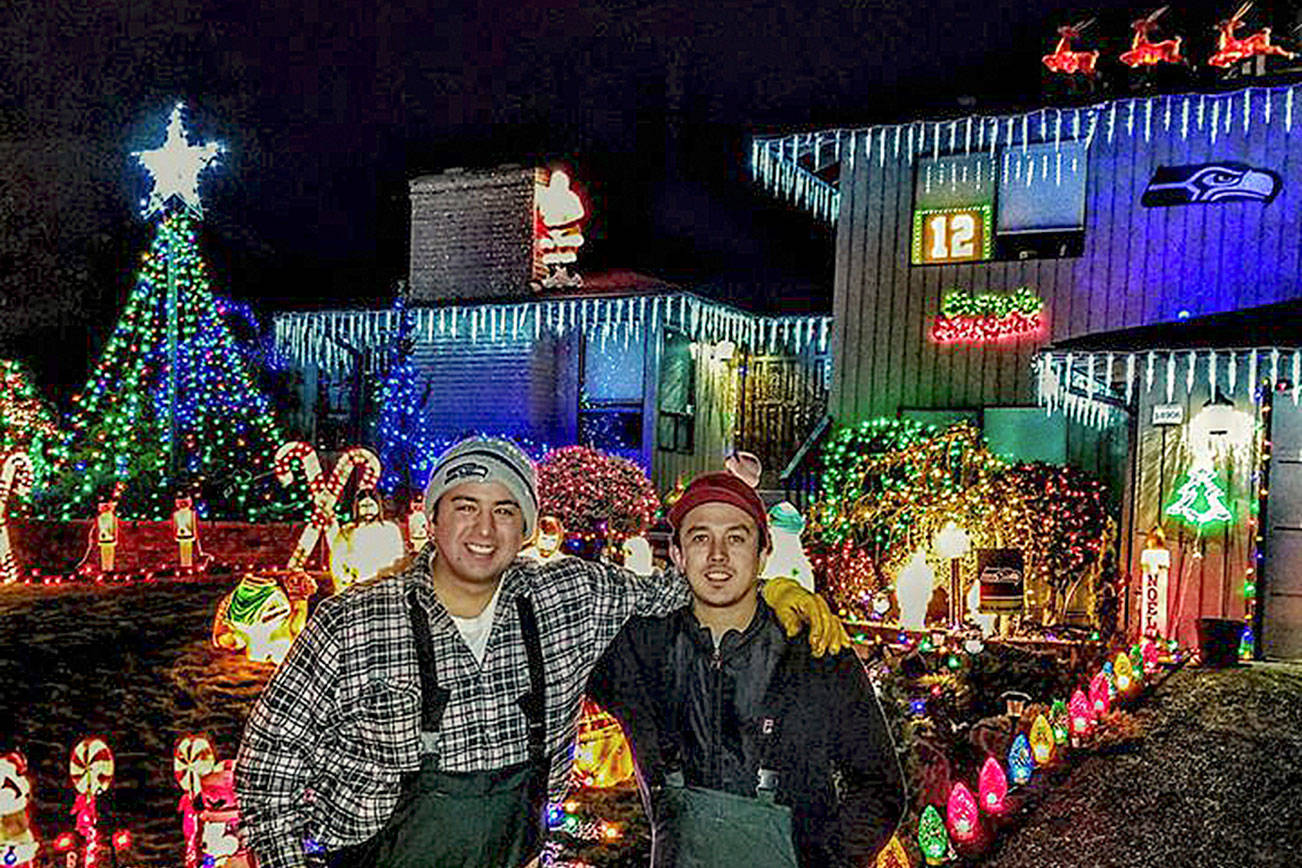
Electricity was common, so hanging lights was simple. Lights decorated roofs, windows, trees, and bushes. Neighborhoods competed to have the brightest displays.
- Community events featured light contests.
- Lights became symbols of holiday joy.
- Outdoor decorations boosted family traditions.
Television and magazines showed beautiful light displays. This inspired even more people to decorate. Christmas lights became a beloved part of holiday celebrations worldwide.

Credit: www.christmasdesigners.com
Cultural Impact And Traditions
Christmas lights have become a staple in holiday celebrations worldwide. They are more than just decorations; they symbolize joy, hope, and unity. This tradition dates back to the early 20th century and holds a special place in the hearts of many. As communities embrace this practice, it fosters a sense of togetherness and shared joy during the festive season.
Community Light Displays
Community light displays are a cherished tradition. Towns and cities often create stunning displays for all to enjoy. These communal efforts bring people together in celebration. Walking through a park lit with dazzling lights feels magical. It’s a shared experience that strengthens community bonds. People gather in public spaces, creating memories and celebrating the holiday spirit.
Modern Innovations
Christmas lights have evolved over time. Modern technology offers new ways to illuminate homes and streets. LED lights are energy-efficient and last longer. Smart lighting systems enable control via smartphones, offering convenience. Creative designs and colors add uniqueness to decorations. These innovations make holiday decorating more exciting and accessible. They reflect the dynamic nature of traditions adapting over time.
Environmental And Safety Considerations
Decorating homes with Christmas lights brings joy but also raises concerns about the environment and safety. Many people now think about energy use and fire risks before putting up their lights. Simple actions can protect both the planet and the household while still enjoying festive decorations.
Energy-efficient Lighting
LED lights use much less energy than traditional bulbs. They last longer and stay cooler, reducing electricity bills and fire risks. Solar-powered lights offer a green choice by using sunlight to charge. Choosing these options lowers carbon footprints and saves money.
Using timers helps control how long lights stay on. This avoids wasting power during the day or late at night. Dimmers and smart plugs also help manage energy use easily. Small changes make a big difference for the environment.
Safe Usage Tips
- Check lights for damaged wires or broken bulbs before use.
- Use outdoor-rated lights and extension cords outside only.
- Avoid overloading electrical outlets to prevent sparks or fires.
- Secure lights properly to avoid falling or tripping hazards.
- Turn off all lights before leaving home or going to bed.
Following these tips keeps decorations safe for families and pets. Safety should always be a priority during festive setups. This way, celebrations stay happy and worry-free.
Credit: www.federalwaymirror.com

Credit: www.facebook.com
Frequently Asked Questions
When Did Christmas Lights First Become Popular?
Christmas lights became popular in the early 20th century. They replaced candles for safety and convenience. The first electric Christmas lights were introduced in 1882 by Edward H. Johnson, Thomas Edison’s associate. Their use grew rapidly as electricity became common in homes.
Who Invented The First Christmas Electric Lights?
Edward H. Johnson invented the first Christmas electric lights in 1882. He was a colleague of Thomas Edison. Johnson hand-wired 80 red, white, and blue bulbs and displayed them on a Christmas tree in New York City.
Why Did People Start Decorating Houses With Lights?
People started decorating houses with lights to celebrate Christmas joyfully. Lights symbolize warmth, hope, and festivity during dark winter nights. Electric lights replaced candles to avoid fire hazards. Outdoor displays became a community tradition and a way to spread holiday cheer.
How Did Christmas Light Decorations Evolve Over Time?
Christmas light decorations evolved from simple single-color bulbs to multi-colored LED strings. Initially, lights were only used indoors. Outdoor displays gained popularity in the mid-20th century. Technology improvements made lights safer, brighter, and more energy-efficient, enabling elaborate festive displays.
Conclusion
Christmas lights have brightened homes for over a century. People began using candles first, then electric lights. The tradition grew quickly, spreading worldwide. Today, lights bring joy and warmth every holiday season. Decorating with lights connects us to history and celebration.
It’s a simple way to share happiness with others. The glow of Christmas lights will continue to inspire and delight.