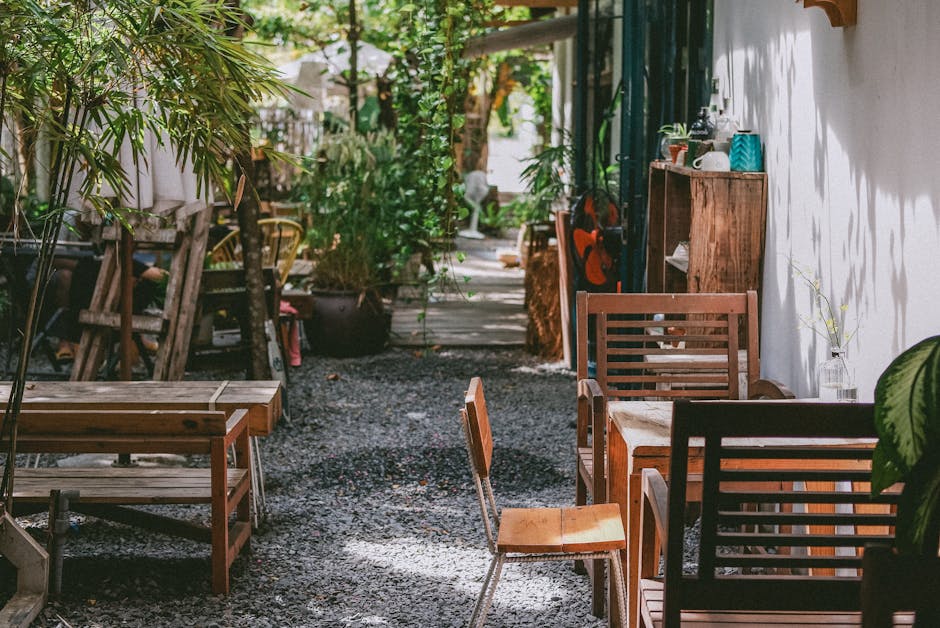
Is your dining area missing sunlight? You might think it’s a challenge to make it look warm and inviting.
But don’t worry—there are simple ways to brighten up your space and create a cozy atmosphere you’ll love. Whether you want to enjoy meals with family or impress your guests, this guide will show you easy tips to transform your dim dining area into a stylish and welcoming spot.
Keep reading, and discover how to bring light and life to your dining space, even without natural sunlight.
Choose Light Colors
Choosing light colors brightens a dining area with no sunlight. Light tones reflect any available light, making the space feel open and airy. They create a fresh, welcoming atmosphere perfect for meals and gatherings.
Paint Walls Bright
Bright wall colors open up dark spaces instantly. Soft whites, pale creams, and light pastels work best. These colors bounce light around the room, enhancing brightness. Avoid dark or dull shades that absorb light and shrink the space.
Select Light Furniture
Furniture in light tones keeps the room feeling spacious. Choose pieces in white, beige, or light wood finishes. Transparent or minimalist styles also help avoid heaviness. Light furniture contrasts well with darker floors or rugs.
Use Reflective Surfaces
Mirrors and glossy finishes multiply light in a windowless dining area. Add a large mirror on one wall to create depth. Use glass or metallic elements for tables and decor. These surfaces catch and spread light, brightening the whole room.

Credit: www.facebook.com
Maximize Artificial Lighting
Maximizing artificial lighting is key to making a dining area without natural sunlight feel bright and inviting. Without daylight, your lighting choices create the atmosphere and define the space. You can transform a dim corner into a warm, welcoming spot where everyone wants to gather.
Layer Different Lights
Relying on just one light source often leaves your dining area feeling flat and uninviting. Think about combining ambient, task, and accent lighting to build depth and warmth.
- Ambient lightingprovides overall illumination. Use ceiling lights or recessed fixtures to light up the entire room evenly.
- Task lightingfocuses on the dining table itself, helping you see your meal clearly. Pendant lights or adjustable sconces work well here.
- Accent lightinghighlights artwork, plants, or architectural features, adding interest and personality.
Have you noticed how layered lighting makes spaces feel more dynamic? Try mixing different types and see how your dining area changes.
Use Warm Led Bulbs
Choosing the right bulb color can make a huge difference. Warm LED bulbs mimic natural sunlight better than cool or white lights, creating a cozy and inviting mood.
Look for bulbs labeled 2700K to 3000K on the Kelvin scale. These temperatures produce a soft, yellowish glow that flatters skin tones and food colors.
Switching to warm LEDs helped my own dining room feel less sterile and more comfortable, especially during evening meals. What color temperature do you prefer in your dining space?
Add Statement Fixtures
Bold lighting fixtures do more than brighten—they become focal points that add style and personality. A unique chandelier or oversized pendant can anchor your dining area visually.
Consider fixtures with interesting shapes, textures, or materials like brass, wood, or glass. These details bring character and reflect your taste.
Don’t be afraid to pick a fixture that sparks conversation. After all, your dining room is where memories and stories are shared—shouldn’t your lighting tell a story too?
Incorporate Mirrors
Mirrors brighten a dining area by reflecting any available light, making the space feel larger and lighter. Placing a mirror opposite a light source helps spread brightness evenly throughout the room. This simple trick works well in rooms without natural sunlight.
Decorating a dining area that lacks natural sunlight can be challenging, but mirrors offer a brilliant solution. Mirrors reflect light, making a dim space feel brighter and more open. They can transform a dark dining area into a welcoming spot for meals and gatherings.Place Mirrors Strategically
Think about where you can position mirrors to maximize light reflection. Consider placing a large mirror opposite a window in an adjacent room to capture sunlight indirectly. This can trick your eyes into perceiving more light and space. Another option is to hang mirrors on walls perpendicular to your main light source. This setup will help distribute light evenly across the room. You’ll notice a significant difference in how lively the area feels. If your dining area is enclosed, you can also position mirrors near artificial light sources. This tactic ensures that the room remains vibrant even in the absence of natural light. How would you reposition mirrors to brighten your space?Use Mirror Decor Pieces
Mirrors come in various shapes and designs, offering more than just functionality. Consider using decorative mirror pieces to add style and elegance to your dining area. A cluster of small mirrors can serve as both an art installation and a light reflector. Mirrored furniture, like a sideboard or a dining table with a mirrored surface, can also enhance brightness. These pieces not only reflect light but also add a touch of sophistication. You could also experiment with mirrored wall panels or tiles. They can create an illusion of depth, making the space feel more expansive. What kind of mirror decor would complement your dining area’s aesthetic?Add Greenery
Adding greenery to a dining area without sunlight can breathe life into the space and make it feel fresh and inviting. Plants bring natural texture and color, softening the hard lines of furniture and creating a calming atmosphere. The key is to choose plants and greenery options that thrive without direct sunlight or to cleverly use alternatives that keep your space vibrant all year round.
Choose Low-light Plants
Low-light plants are perfect for dining areas with little to no natural sunlight. They survive and even thrive in dim conditions, making them ideal companions for your space.
- Snake Plant:This plant is incredibly resilient and can grow in almost any light condition. It also helps purify the air.
- ZZ Plant:ZZ plants require minimal care and tolerate low light well, adding a glossy green touch.
- Philodendron:Known for its heart-shaped leaves, it adapts well to low-light spots.
Try grouping a few of these plants together to create a mini indoor garden. Have you noticed how even a small cluster of greenery can instantly lift the mood of a room?
Use Faux Plants For Color
If you worry about maintaining real plants or simply want a splash of color that never fades, faux plants are a smart choice. High-quality artificial plants look surprisingly real and require zero sunlight.
Pick faux plants with rich, varied foliage and bright blooms to add interest. You can even mix them with real low-light plants to balance convenience and freshness.
- Choose faux ferns, succulents, or flowering plants to brighten corners.
- Place them in decorative pots that match your dining room style.
- Rotate their placement occasionally to keep the look dynamic.
Have you tried mixing faux greenery with real plants before? It’s a practical way to keep your dining area lively without stressing about light or watering.
Select Bright Accessories
Selecting bright accessories is a smart way to add life to a dining area that lacks natural sunlight. These pieces bring in color and energy, making your space feel inviting and cheerful. Choosing the right accessories can transform a dim room without the need for extra lighting.
Colorful Rugs And Cushions
A vibrant rug can instantly brighten your dining area. Look for rugs with bold patterns or bright colors like reds, blues, or yellows to create a lively base for your furniture.
Cushions are another easy way to add color. Mix and match cushions with different textures and hues to keep your seating area interesting and comfortable.
Have you tried swapping out your usual neutral cushions for bright ones? You might be surprised how much it changes the whole vibe.
Vibrant Artwork
Hanging colorful artwork on your dining room walls draws attention and adds personality. Choose pieces with strong colors or dynamic shapes to counterbalance the lack of sunlight.
Try placing art at eye level for maximum impact. You can rotate pieces seasonally to keep the room feeling fresh.
What kind of art makes you feel energized? Incorporate that into your space to make it truly yours.
Decorative Table Settings
Bright accessories don’t have to stop at rugs and walls. Use vivid tablecloths, placemats, or napkins to add pops of color right where you gather.
Colorful dishes and glassware can also catch the eye and enhance the dining experience. Think about mixing bright plates with neutral ones for balance.
Have you considered how your table setting colors affect your mood during meals? Play around with different combinations to find what lifts your spirits.
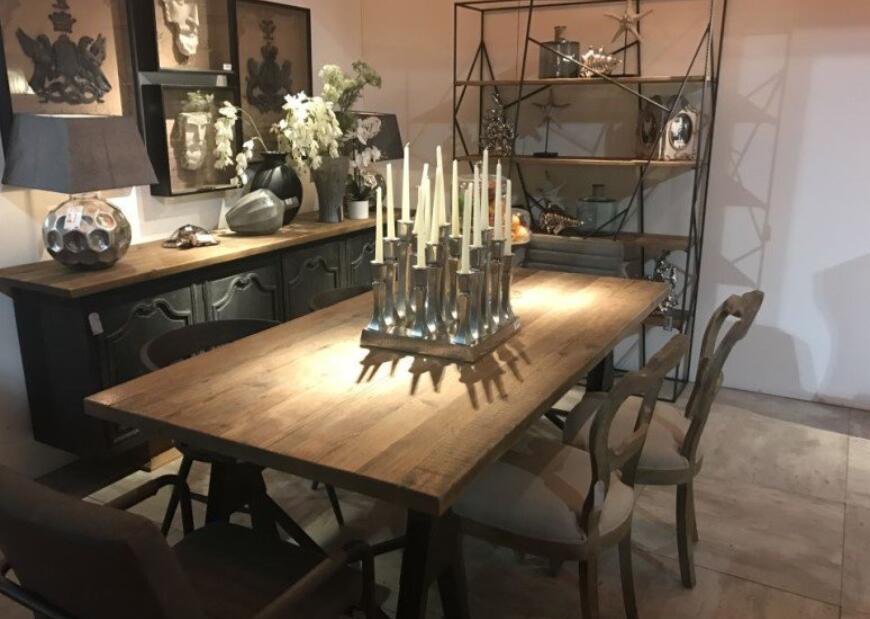
Credit: www.hbcollaborative.com
Optimize Furniture Layout
Optimizing your furniture layout can transform a dining area with no sunlight into a welcoming and functional space. Thoughtful arrangement not only maximizes the room’s potential but also helps compensate for the lack of natural light. Let’s look at practical ways to arrange your furniture to keep the area open and versatile.
Keep Space Open
A cramped dining area feels even darker and smaller without sunlight. Leave plenty of room around your table to allow easy movement and avoid blocking any light sources you do have. Choose chairs that are slim or have open backs to maintain a sense of openness.
Try pushing your dining table closer to a wall or corner if space is tight. This frees up more walking space and prevents the room from feeling cluttered. Ask yourself: Is there furniture I can remove or rearrange to make the area feel less crowded?
Use Multi-functional Pieces
In a low-light dining space, furniture that serves more than one purpose adds both style and practicality. Consider a bench that doubles as storage or a foldable table that can expand when guests arrive. These pieces reduce the need for extra furniture, keeping the room open and bright.
Think about your daily routines and what furniture supports them best. Could your dining chairs also work as extra seating in the living room? Multi-functional items save space and help keep your dining area clutter-free, which is crucial in a room with no natural sunlight.
Incorporate Textures
In a dining area without sunlight, textures bring life and warmth. They create depth and interest that light usually provides. Using different textures makes the space feel cozy and inviting. It also helps balance the lack of natural brightness. Focus on mixing and layering materials to enrich the atmosphere.
Mix Fabrics And Materials
Combine various fabrics and materials for a dynamic look. Use velvet cushions with linen curtains to add softness and structure. Pair a wooden table with metal chairs for contrast. Mix glass or ceramic decor with woven baskets to create visual appeal. Diverse textures prevent the space from feeling flat or dull.
Add Soft Elements
Soft elements make the dining area comfortable and welcoming. Place plush rugs under the table to warm up the floor. Use fabric slipcovers on chairs to soften hard edges. Add throw blankets or pillows for extra comfort. These gentle touches invite people to relax and enjoy their meals.
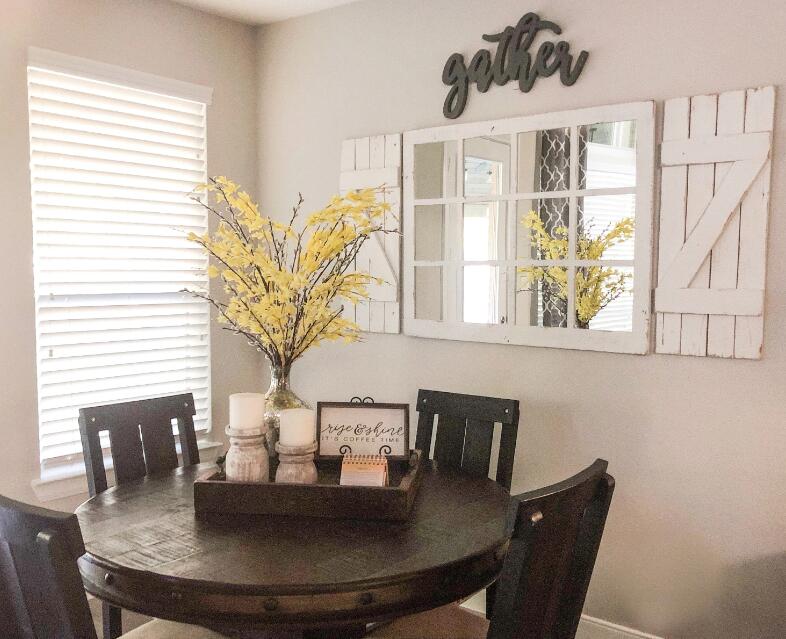
Credit: www.hbcollaborative.com
Frequently Asked Questions
How Can I Brighten A Dining Area With No Sunlight?
Use light colors on walls and furniture to reflect light. Add mirrors to create an illusion of space and brightness. Incorporate warm artificial lighting like pendant lamps or LED strips. Choose translucent curtains or no window treatments to maximize light entry.
What Plants Thrive In A Dining Room Without Sunlight?
Opt for low-light plants like snake plants, pothos, or ZZ plants. These plants survive with indirect or artificial light. They add greenery and improve air quality without needing direct sunlight. Rotate plants occasionally for even growth.
Which Colors Suit A Sunless Dining Space Best?
Light, neutral colors like white, beige, or pastel shades work well. They make the room appear larger and brighter. Avoid dark colors as they absorb light and make space feel smaller and gloomier.
How To Create Ambiance Without Natural Light In Dining Area?
Use layered lighting with ceiling lights, wall sconces, and table lamps. Include candles or string lights for warmth and coziness. Choose reflective décor items like metallic accents and glassware to enhance light diffusion.
Conclusion
Decorating a dining area without sunlight can be simple and fun. Use bright colors and mirrors to create light and space. Choose light furniture and add soft lighting for warmth. Plants and artwork bring life to the room. Small changes make a big difference.
Enjoy your cozy, bright dining space every day.