Your dining room is more than just a place to eat—it’s where memories are made and conversations come alive. Choosing the right wall decoration can completely change the mood and feel of this special space.
But with so many options out there, how do you pick what’s best for your dining room? You’ll discover simple tips and smart ideas that make your walls speak your style and welcome your guests warmly. Keep reading, and you’ll find the perfect way to turn your dining room into a space you truly love.
Assessing Your Dining Room Style
Assessing your dining room style is the first step in choosing the right wall decoration. Your dining room should feel cohesive and inviting, reflecting your personal taste while complementing the existing space. Understanding your room’s style helps avoid mismatched decor and creates a balanced atmosphere where every piece adds value.
Identifying Room Themes
Look closely at the overall vibe of your dining room. Is it modern and sleek, rustic and cozy, or classic and elegant? Identifying the theme helps narrow down wall decoration options that will enhance rather than clash with your space.
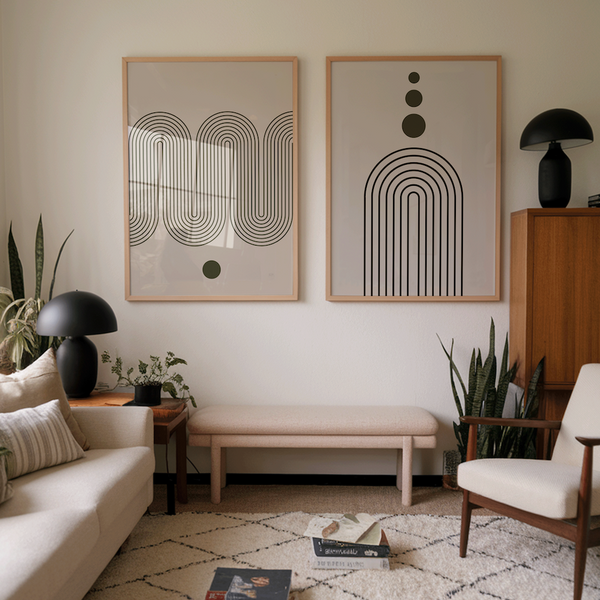
Think about the colors, materials, and shapes dominating the room. If your dining room features natural wood and earthy tones, artwork or wall hangings with organic textures work well. For minimalist rooms, simple geometric prints or metal wall art may be a better fit.
Ask yourself: does the room feel casual or formal? This affects whether you choose playful wall decor or more sophisticated pieces. Knowing the theme guides you in selecting decorations that feel intentional and harmonious.
Matching Wall Decor To Furniture
Furniture style plays a crucial role in choosing wall decor. If you have a large, ornate dining table, delicate and understated wall pieces prevent visual overload. Conversely, simple furniture allows for bold, eye-catching artwork on the walls.
Consider the color palette of your furniture. Matching wall decor colors or using complementary shades ties the room together. For example, a navy blue upholstered chair pairs beautifully with wall art that has blue accents.
Texture is another factor. Smooth leather chairs call for decorations with some texture contrast, like woven tapestries or carved wood panels. This adds depth and interest without overpowering the furniture.

Credit: housing.com
Selecting The Right Wall Art
Selecting the right wall art for your dining room sets the tone for the entire space. It can add personality, create a focal point, and enhance the dining experience. The key is to find pieces that resonate with your style while complementing the room’s atmosphere.
Choosing Colors And Patterns
The colors in your wall art should either blend with or contrast the existing palette of your dining room. Think about the mood you want to create. Warm tones like reds and oranges can stimulate appetite and conversation, while cooler shades like blues and greens promote calmness.
Patterns also play a crucial role. If your dining room has a lot of texture or busy furniture, simpler art with clean lines or subtle patterns will balance the space. On the other hand, a minimal room can handle bold, intricate designs to add interest.
Ask yourself: Does this color or pattern make me want to linger at the table longer? Your choice should encourage comfort and enjoyment.
Considering Art Size And Scale
Size matters when it comes to wall art in the dining room. Too small, and the piece gets lost; too large, and it overwhelms the space. Measure your wall and furniture to find the sweet spot.
A good rule is to choose art that spans about two-thirds to three-quarters the width of the furniture below it. If you have a big dining table, a large canvas or a grouping of smaller pieces can create a cohesive look.
Think about the height too. Art placed too high or too low can disrupt the room’s balance. Aim to hang your art at eye level when seated at the table to keep it engaging during meals.
Incorporating Textures And Materials
Mixing different textures and materials brings depth and interest to dining room walls. Soft fabrics, rough wood, or smooth metal create a balanced and inviting space. Choose elements that complement your furniture and lighting for a cozy feel.
Incorporating textures and materials into your dining room wall décor can transform the space. Different textures add depth and visual interest, creating a more dynamic and inviting atmosphere. Materials like wood, metal, and fabric can complement each other beautifully, adding warmth, elegance, or a touch of modernity.Using Wood, Metal, And Fabric
Wood can bring warmth and a natural feel to your dining room. Consider wooden panels or a rustic wooden clock to add a cozy touch. Metal elements, like wall sculptures or frames, offer a sleek and contemporary vibe. They can reflect light and add a touch of glamour. Fabric choices, such as tapestries or framed textiles, introduce softness and color. They can absorb sound, making the room quieter and more intimate.Balancing Smooth And Rough Surfaces
Combine smooth and rough textures to create a balanced look. Smooth surfaces, like glass or polished metals, add elegance and simplicity. They are easy to clean and maintain. Rough surfaces, such as stone or distressed wood, add character and depth. They can make the room feel grounded and rustic. Mixing these textures creates a visually interesting space that feels cohesive.Lighting Effects On Wall Decor
Lighting can transform your dining room walls from ordinary to stunning. It shapes how colors, textures, and art pieces appear, setting the mood for every meal. Have you ever noticed how a painting looks dull in daylight but comes alive under the right light?
Highlighting Art With Lighting
Focus on your favorite art pieces by adding targeted lighting. Adjustable spotlights or picture lights work wonders to bring out details and colors. Placing a light source above or below the artwork creates depth and draws attention.
Think about the angle—lighting from the side can reveal texture, while direct light emphasizes color. Try using warm LED bulbs to avoid harsh glare that can wash out your art. Have you tested different lighting angles on your walls yet?
Choosing Light Fixtures For Ambiance
Your choice of light fixtures affects the entire dining room vibe. Soft, diffused lighting creates a cozy atmosphere, while brighter, focused lights encourage lively conversations. Consider pendant lights or wall sconces to add style and function.
Dimmer switches give you control to adjust brightness depending on the occasion. Reflect on how natural light interacts with your fixtures throughout the day and plan accordingly. What kind of mood do you want your dining room to invite?
Creating Focal Points
Creating focal points in your dining room draws attention and adds character. It helps guide the eye and sets the mood. A well-chosen focal point creates balance and visual interest. It can make your dining space feel more inviting and stylish.
Using Mirrors And Statement Pieces
Mirrors reflect light and make the room appear larger. Place a large mirror on one wall to create depth. Choose a mirror with an interesting frame to add style.
Statement pieces like bold artwork or unique sculptures catch the eye. Pick one piece that stands out in color or shape. This piece becomes the main focus and adds personality.
Arranging Gallery Walls
Gallery walls showcase a collection of art or photos. Arrange different sizes and shapes for a dynamic look. Use matching frames or colors to create harmony.
Keep the arrangement balanced but not too perfect. Leave some space between pieces for a clean feel. Gallery walls allow personal expression and make the room unique.
Personalizing With Accessories
Personalizing your dining room with accessories brings warmth and character. Accessories reflect your style and make the space inviting. Choose items that tell your story and create a cozy atmosphere.
Incorporating Family Photos
Family photos add a personal touch to the dining room walls. Use frames that match your room’s color scheme. Arrange photos in a gallery style for visual interest. Mix black and white with color images for variety. Photos remind guests of happy memories and create a welcoming vibe.
Adding Plants And Sculptures
Plants bring life and freshness to the dining area. Select low-maintenance plants like succulents or ferns for easy care. Use decorative pots that complement your decor style. Sculptures add texture and a unique focal point. Choose pieces that reflect your taste and enhance the room’s mood. Together, plants and sculptures balance nature with art beautifully.
Maintaining Balance And Harmony
Maintaining balance and harmony in your dining room wall decoration is essential to create a space that feels inviting and comfortable. Too much on the walls can overwhelm the room, while too little can make it seem empty and lifeless. Your goal is to find a sweet spot where every piece adds meaning and style without competing for attention.
Avoiding Cluttered Walls
Overloading walls with too many pictures, shelves, or decor items can make your dining room feel cramped and chaotic. Instead, select a few key pieces that complement each other and leave enough empty space around them. Think about how much wall space you have and aim for a layout that allows each item to breathe.
Try grouping artwork or decorative plates in a simple arrangement rather than scattering items randomly. If you love collecting wall art, consider rotating pieces seasonally to keep the look fresh without crowding the space. Ask yourself: does each item add value, or is it just filling space?
Ensuring Cohesive Design Elements
Harmony comes from consistency. Choose wall decorations that share a common theme, color palette, or style to tie the room together. For example, if your dining room has a rustic vibe, wooden frames or nature-inspired prints will enhance that feeling better than sleek, modern pieces.
Mixing too many styles can confuse the eye and disrupt the flow. Instead, coordinate your wall decor with your dining furniture, rugs, and lighting to create a unified look. Think about texture, color, and scale as you select each piece—does it work well with what’s already in the room?
Have you ever noticed how a single wall hanging can transform the entire mood of a room? Choosing the right elements with balance in mind can make your dining area a place where everyone feels relaxed and connected.

Credit: www.furniturevillage.co.uk

Credit: buywallart.ca
Frequently Asked Questions
What Wall Art Suits A Modern Dining Room?
Modern dining rooms look great with abstract or geometric wall art. Choose pieces with bold colors or metallic accents to create a focal point. Keep the art size proportional to the wall and dining table for balanced décor.
How To Match Wall Decoration With Dining Room Colors?
Select wall decorations that complement your dining room’s color palette. Use contrasting shades or tones found in furniture and accessories for harmony. This enhances visual appeal and creates a cohesive look without overwhelming the space.
What Materials Work Best For Dining Room Wall Decor?
Materials like wood, metal, and canvas are popular for dining room walls. Wood adds warmth, metal offers a contemporary feel, and canvas brings softness. Choose based on your room’s style and desired ambiance for the best effect.
How To Choose The Right Size For Wall Decorations?
Measure your wall space and dining table before selecting decor size. Large walls can hold bigger pieces or grouped art, while small walls need smaller, simpler designs. Proper sizing ensures balance and avoids clutter.
Conclusion
Choosing the right wall decoration can change your dining room’s look. Think about colors that match your style and furniture. Pick art or pieces that make you feel happy and calm. Keep the space simple but interesting. Balance big and small decorations for a good feel.
Your dining room should invite people to enjoy meals together. Take time to decide and make it your own. A well-chosen decoration makes the room warm and welcoming. Start small, and watch your dining space come alive.