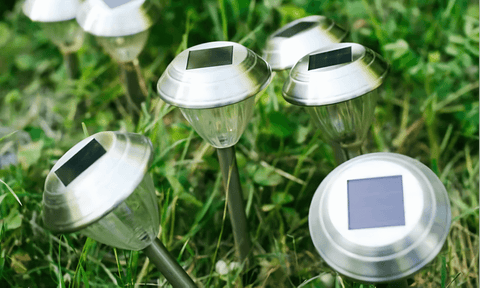
Have you ever wondered if your decorative solar lights keep charging even when they are turned off? It’s a common question that many people ask but don’t always find a clear answer to.
Understanding how these lights work can help you get the most out of them, saving you money and brightening your outdoor space more efficiently. You’ll discover the truth about whether your solar lights charge when off and learn simple tips to make sure they shine their brightest every night.
Keep reading to unlock the secrets behind your solar lights’ charging habits.
How Decorative Solar Lights Work
Decorative solar lights are not just charming additions to your garden or patio; they are miniature marvels of technology that harness the power of the sun to light up your nights. Understanding how these lights work can help you maximize their efficiency and ensure they shine brightly when you need them. Let’s delve into the components and mechanisms that make these lights tick.
Solar Panels And Energy Capture
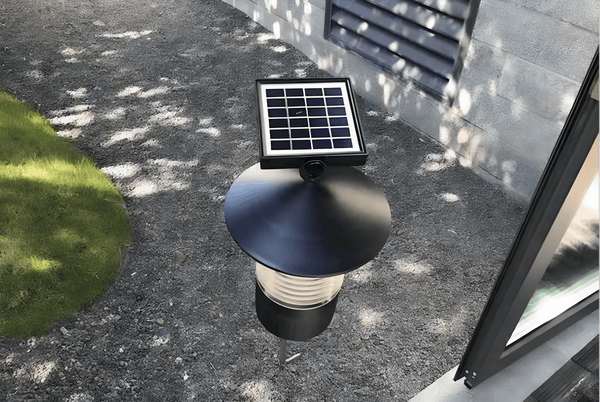
At the heart of every solar light is a solar panel, often positioned atop the light fixture. These panels are made up of photovoltaic cells that convert sunlight into electrical energy. Even on cloudy days, solar panels can capture diffuse sunlight to generate power, although direct sunlight is always optimal.
Think about how you might position your lights. Are they in a spot that gets ample sunlight during the day? A strategic location can significantly impact their performance. Consider testing different areas in your garden to find the best spot.
Battery Storage Mechanism
The energy captured by the solar panels doesn’t immediately power the lights. Instead, it’s stored in a rechargeable battery. This battery acts as a reservoir, holding energy until nightfall when the lights are needed. A standard solar light battery can last for about 2-3 years before needing replacement.
Have you ever wondered what happens when these lights start to dim prematurely? It might be time to check the battery. Regular maintenance can ensure your solar lights shine brightly for years to come.
Light Sensors And Operation
Most decorative solar lights are equipped with light sensors. These sensors detect the absence of daylight and automatically switch on the lights when it gets dark. This automation makes solar lights convenient and energy-efficient.
Imagine coming home after a long day and seeing your pathway subtly illuminated without having to flick a switch. How do your solar lights respond to the changing light conditions around them? Understanding this can help you troubleshoot any issues with their operation.
By grasping the fundamentals of how decorative solar lights work, you can make informed decisions about placement, maintenance, and troubleshooting. Experiment with different setups and see what works best for your space. Have you found creative ways to enhance your garden ambiance with solar lights? Share your experiences and insights in the comments below!

Credit: heftyberry.store
Charging While Off
Decorative solar lights often raise questions about their charging ability when switched off. Understanding how these lights behave during off periods helps you use them efficiently. The charging process depends on the light’s design and power flow management.
What Happens When Lights Are Off
When decorative solar lights are off, their LED bulbs do not light up. The solar panel still collects sunlight if exposed. This sunlight converts to energy stored in the battery. The light remains inactive but can continue charging if designed to do so.
Energy Flow In Different Modes
Solar lights have several modes: on, off, or automatic. In the “on” mode, energy flows from the battery to the LED. In “off” mode, energy from the solar panel can flow to the battery only. In “automatic” mode, sensors control energy use and charging based on light conditions.
Impact Of Switch Position
The switch position controls whether the light uses or stores energy. When the switch is off, the circuit usually disconnects the LED. The solar panel can still charge the battery unless the design stops this flow. If the switch is on, the battery powers the LED, reducing charging speed.
Common Misconceptions
Many people have wrong ideas about decorative solar lights. These myths cause confusion about how the lights work and affect their use. Clearing up these wrong ideas helps users get the best from their solar lights.
Do Off Lights Drain Battery?
When solar lights are off, they usually do not drain the battery. Most models have a switch or sensor that cuts power to the light when not in use. This helps save battery life for when the light turns on again.
Some tiny energy might be used by sensors or circuits, but it is very small. The battery mainly loses charge when the light is actively glowing.
Charging Vs. Power Usage
Solar lights charge only in sunlight. They do not charge at night or when off. The solar panel changes sunlight into energy stored in the battery.
Power use happens when the light is on. The battery supplies this energy. When off, the light uses almost no power. Charging and power use are separate actions.
Myths About Solar Light Performance
- Solar lights do not need constant sunlight to charge fully.
- Turning off the light does not harm the battery life.
- Cloudy days reduce charging but do not stop it completely.
- Cheap solar lights can work well if used properly.
- Solar lights do not work only in summer; they charge any sunny day.
Credit: heftyberry.store
Maximizing Solar Light Efficiency
Maximizing the efficiency of decorative solar lights ensures they charge well and shine bright. Proper care and smart choices help these lights store energy even when off. This saves power and extends their lifespan. Small changes in placement and maintenance make a big difference in performance.
Placement For Optimal Sunlight
Solar lights need direct sunlight to charge fully. Place them where they get at least 6 hours of sun daily. Avoid shaded spots near trees or buildings. South-facing areas usually receive the most sunlight. Keep solar panels clean and angled correctly to catch rays.
Maintenance Tips
- Clean solar panels regularly with a damp cloth.
- Remove dirt, dust, and leaves that block sunlight.
- Check batteries every few months and replace if needed.
- Keep lights dry and protect them from harsh weather.
Choosing The Right Solar Light
Select solar lights with high-quality panels and batteries. Look for models with good reviews on charging and brightness. Lights with larger panels store more energy. LED bulbs last longer and use power efficiently. Match light size and power to your outdoor space needs.
Troubleshooting Charging Issues
Troubleshooting charging issues with decorative solar lights helps maintain their performance. Identifying the root cause can restore proper function quickly. Common problems include battery faults, solar panel damage, and sensor malfunctions. Each issue affects charging differently and needs careful checking.
Battery Problems
Batteries wear out over time and lose their ability to hold charge. Check if the battery is swollen or leaking, signs of damage. Replace old batteries with new ones designed for solar lights. Ensure the battery is properly connected to the circuit. Use a multimeter to test battery voltage for better accuracy.
Solar Panel Damage
Solar panels must be clean and free from cracks for efficient charging. Dirt, leaves, or bird droppings block sunlight and reduce power. Gently clean the panel with a soft cloth and mild soap. Inspect for visible cracks or broken glass that stop energy absorption. Replace damaged panels to restore full charging capacity.
Sensor Malfunctions
Light sensors control when the solar light charges and turns on. Dirt or damage on the sensor can cause the light to stop charging. Clean the sensor area carefully to remove any obstructions. Test the sensor by covering it and seeing if the light reacts properly. Replace faulty sensors to fix charging and lighting problems.

Credit: heftyberry.store
Frequently Asked Questions
Do Decorative Solar Lights Charge When Switched Off?
No, decorative solar lights do not charge when off. They need to be in charging mode, usually during daylight, to convert sunlight into energy.
Can Solar Lights Store Energy Without Being On?
Solar lights store energy only if their solar panel is exposed to sunlight. Being off doesn’t stop charging if sunlight reaches the panel.
Why Aren’t My Solar Lights Charging When Off?
If solar lights aren’t charging when off, the solar panel might be blocked or dirty. Ensure direct sunlight reaches the panel for charging.
Do Solar Lights Need To Be On To Charge?
Solar lights do not need to be turned on to charge. Charging happens automatically during the day when sunlight hits the solar panel.
Conclusion
Decorative solar lights can still charge even when turned off. Their solar panels collect sunlight during the day. This energy stores in the battery for use later. Turning the lights off only stops them from glowing. It does not stop the charging process.
Keep panels clean and in direct sunlight for best results. This helps your lights stay bright and ready at night. Understanding this helps you use solar lights wisely. Enjoy beautiful lighting while saving energy every day. Simple care keeps your lights working well longer.