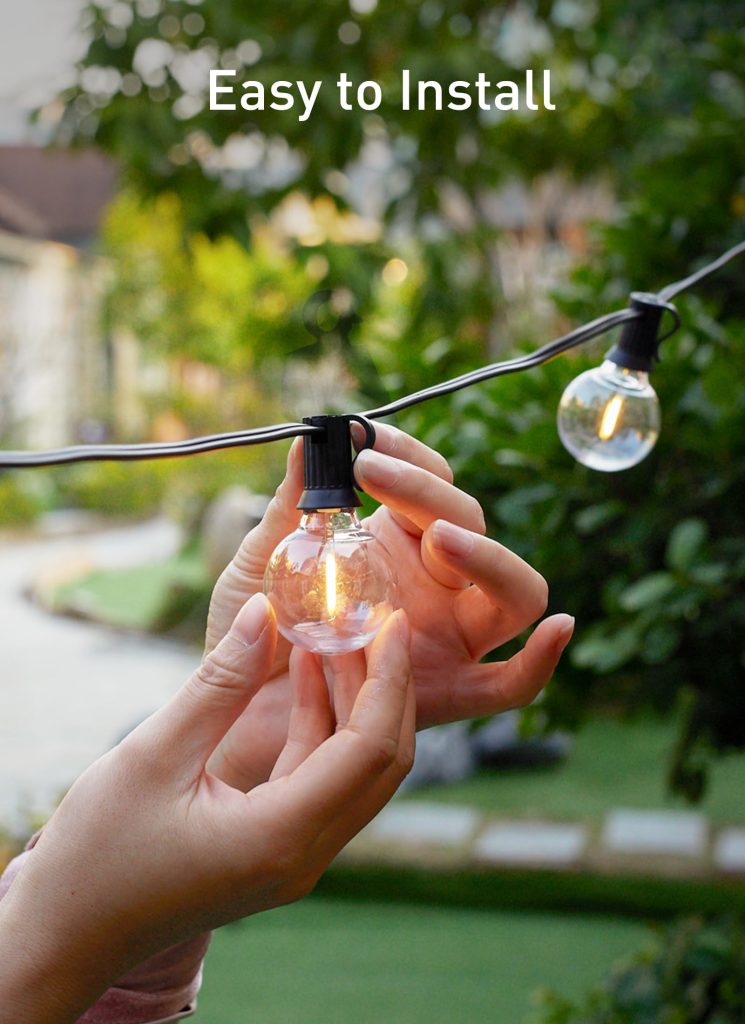
Is your outdoor decor looking dim because of a burnt-out light bulb? You’re not alone—replacing those bulbs can feel tricky, especially when they’re high up or in awkward spots.
But don’t worry, changing your outdoor light bulb is easier than you think. In this guide, you’ll discover simple steps to bring back the glow and keep your space inviting every night. Ready to brighten up your outdoor area without any hassle?
Let’s get started!
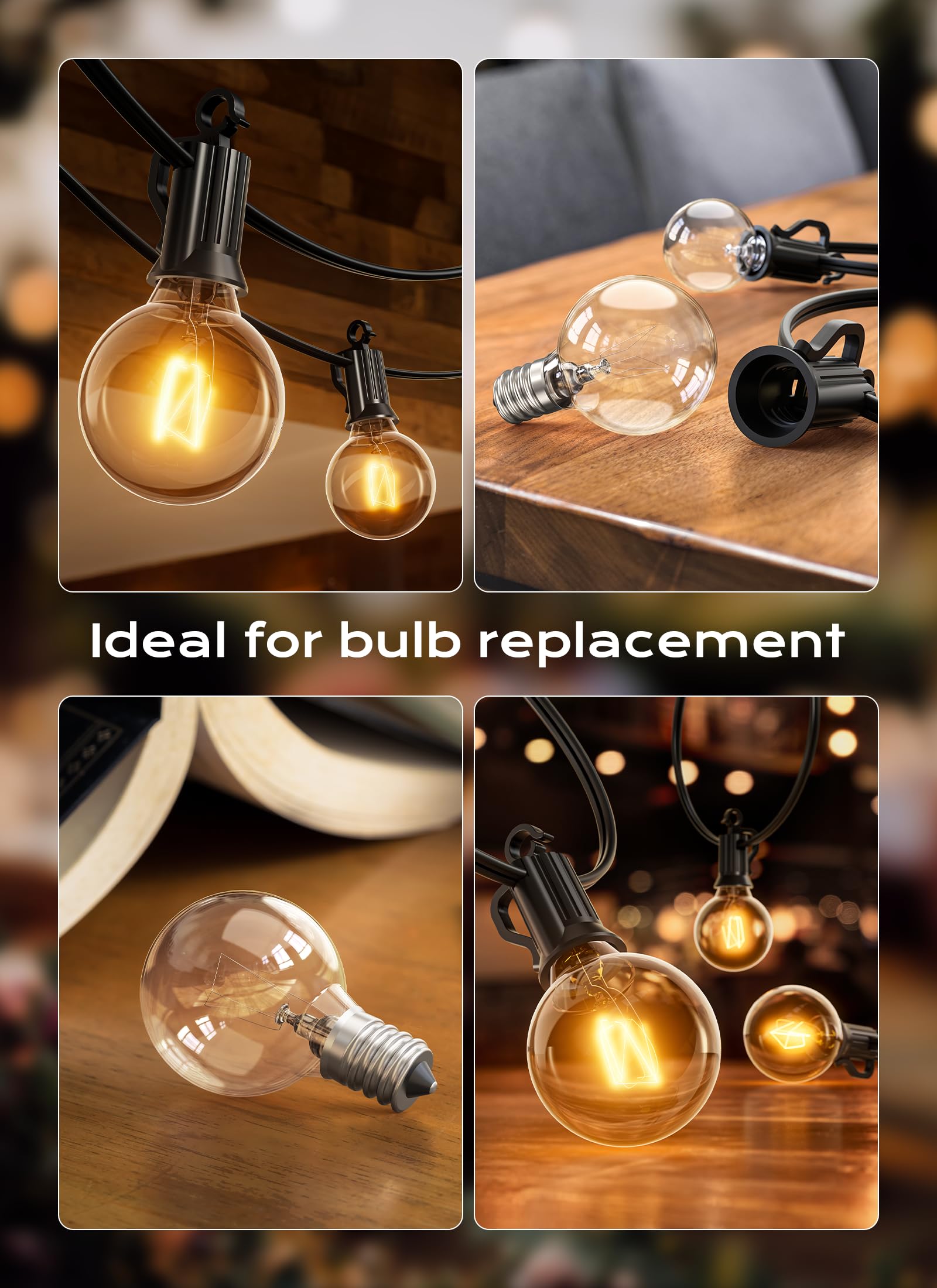
Credit: www.amazon.ca
Choosing The Right Bulb
Choosing the right bulb for your outdoor decor is important for safety and style. The right bulb brightens your space and lasts longer. It also fits well with your fixture and outdoor conditions. Consider the types, brightness, color, and energy use before buying.
Types Of Outdoor Bulbs
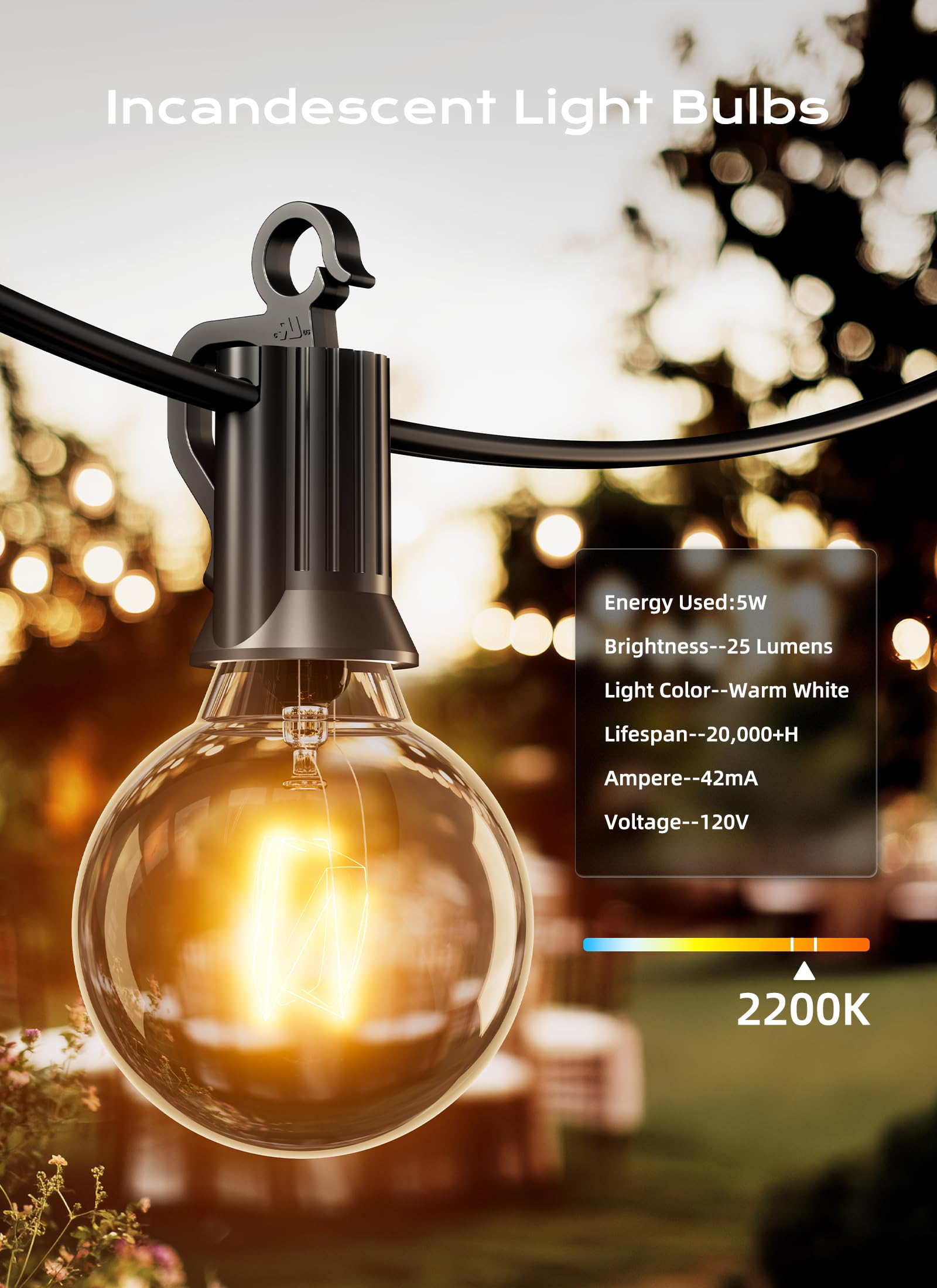
Outdoor bulbs come in several types. Incandescent bulbs give warm light but use more energy. LED bulbs save energy and last much longer. Halogen bulbs offer bright, white light but get hot. CFL bulbs use less energy but contain small amounts of mercury.
- Incandescent: Warm light, short lifespan
- LED: Energy-saving, long-lasting
- Halogen: Bright, intense light
- CFL: Efficient, contains mercury
Considering Brightness And Color
Brightness is measured in lumens. Higher lumens mean brighter light. Choose brightness based on the area size and purpose. Color temperature affects mood and visibility. Warm light (2700K-3000K) feels cozy. Cool light (4000K-5000K) looks crisp and clear.
Energy Efficiency Options
Energy efficiency saves money and helps the environment. LED bulbs use the least power. Solar-powered bulbs work well in sunny areas. Motion-sensor bulbs light up only when needed. Check energy ratings to find the best option for your needs.
Credit: www.amazon.ca
Preparing For Replacement
Before you begin replacing a light bulb in your outdoor decor, it’s important to prepare properly. Preparation helps prevent accidents and ensures the process goes smoothly. Taking a moment to gather tools, check safety, and consider the weather makes a big difference.
Gathering Necessary Tools
Start by collecting everything you need. This usually includes a replacement bulb, a sturdy ladder, gloves, and a cloth or bulb changer for hard-to-reach fixtures.
Having these items ready saves time and avoids frustrating trips back inside. Think about the type of bulb your fixture uses—LED, incandescent, or smart bulbs—and make sure your replacement matches exactly.
Ensuring Safety Measures
Safety should always come first. Turn off the power supply to the outdoor light from your circuit breaker to avoid electrical shocks.
Wearing gloves protects your hands from broken glass and helps maintain a good grip. If your fixture is high up, use a stable ladder placed on firm, even ground.
Checking Weather Conditions
Never attempt bulb replacement during rain, snow, or strong winds. Wet conditions increase the risk of slipping or electrical hazards.
Choose a dry day with calm weather for your task. Have you ever started a job only to be caught off guard by sudden weather changes? Planning your replacement around the forecast keeps you safe and comfortable.
Removing The Old Bulb
Ensure the power is off before touching the bulb to avoid shocks. Gently twist the old bulb counterclockwise and pull it out carefully.
Removing the old bulb in your outdoor decor can be straightforward. It requires careful handling and proper procedures. This ensures safety and prolongs the lifespan of your lighting fixture. Let’s dive into the essential steps for removing the old bulb.Turning Off The Power
Always start by turning off the power. This step prevents electrical shocks. Ensure the switch controlling the light is in the ‘off’ position. If uncertain, turn off the main power supply. This creates a safe environment for the task.Handling Fragile Bulbs
Light bulbs are delicate. Handle them gently to avoid breakage. Use a soft cloth for grip if the bulb is slippery. Twist the bulb counterclockwise to remove it. If stuck, wiggle it gently until loose. Protect your hands with gloves to prevent cuts if the bulb breaks.Disposing Of Bulbs Properly
Proper disposal of old bulbs is crucial. Some bulbs contain hazardous materials. Check local regulations for disposal methods. Recycle if possible to protect the environment. Use designated drop-off locations for disposal. Keep broken pieces in a sealed container to prevent harm.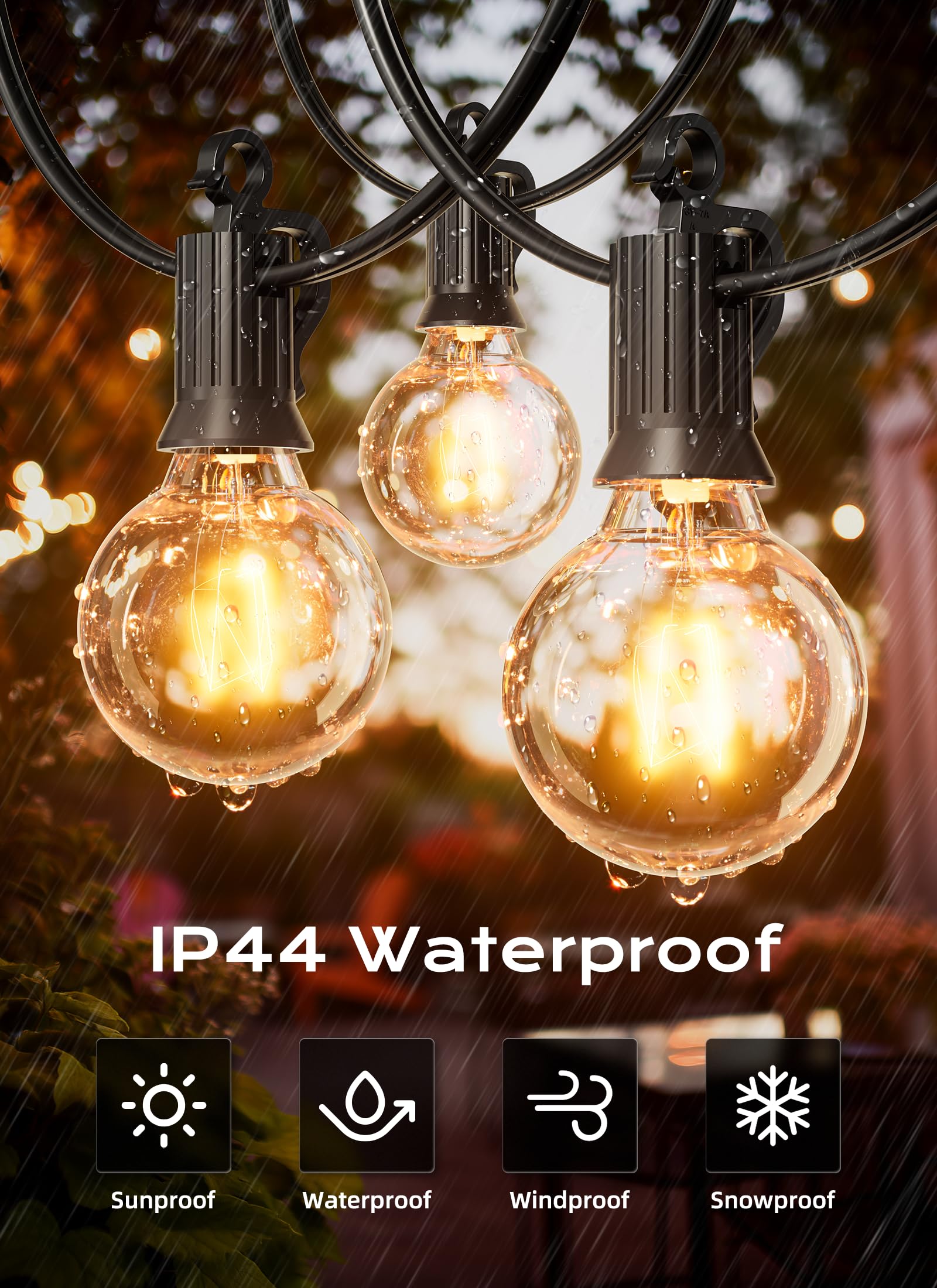
Credit: www.amazon.ca
Installing The New Bulb
Installing the new bulb in your outdoor decor is a simple task. It requires care to avoid damage and ensure safety. Follow these steps to place the bulb correctly and enjoy bright, reliable lighting.
Aligning And Securing The Bulb
Hold the new bulb gently by its base. Align the bulb’s base with the socket. Do not force it to avoid breaking. Turn the bulb clockwise until it fits snugly. The bulb should feel secure but not too tight. Proper alignment prevents flickering and ensures safety.
Testing The Light
Turn on the power switch to test the bulb. Check if the light turns on immediately. Observe for any flickering or dimness. If the bulb does not light, switch off power and check the connection again. Testing ensures the bulb works before final adjustments.
Adjusting For Optimal Illumination
Adjust the bulb or fixture for best light coverage. Tilt or rotate the fixture if possible. Aim the light where it enhances your outdoor space. Avoid shining light directly into eyes or neighbors’ windows. Proper adjustment improves both function and appearance.
Maintaining Outdoor Lights
Maintaining outdoor lights keeps your decor bright and safe. Outdoor lights face weather, dirt, and bugs daily. Proper care extends their life and saves money. Regular upkeep ensures your lights work well and look good.
Regular Cleaning Tips
Clean bulbs and fixtures often for best brightness. Use a soft cloth or sponge with mild soap. Avoid harsh chemicals that can damage surfaces. Remove dirt, spider webs, and leaves carefully. Dry everything thoroughly before turning lights on.
Preventing Moisture Damage
Moisture can cause bulbs to burn out fast. Check seals and covers to keep water out. Use weatherproof bulbs and fixtures made for outdoors. Replace cracked or broken covers quickly. Keep wiring away from puddles and wet soil.
Scheduling Routine Checks
Set a regular time to inspect all outdoor lights. Look for flickering or dim bulbs that need replacement. Tighten loose parts and clean connections. Test timers and sensors to ensure proper function. Routine checks prevent big problems and save effort later.
Frequently Asked Questions
How Do I Safely Replace An Outdoor Light Bulb?
Turn off the power before replacing the bulb. Use a sturdy ladder and wear gloves to protect your hands. Ensure the new bulb matches the fixture’s specifications. Avoid touching the bulb glass with bare hands to prevent damage.
What Type Of Bulb Is Best For Outdoor Decor?
Choose LED bulbs for outdoor decor due to their energy efficiency and durability. Look for bulbs labeled “outdoor rated” or “weatherproof. ” Warm white bulbs create a cozy ambiance. Always check the fixture’s wattage limit before purchasing.
How Often Should Outdoor Light Bulbs Be Replaced?
Replace outdoor light bulbs every 1 to 2 years or when they flicker or dim. Weather conditions may reduce bulb lifespan. Regularly inspect bulbs for damage or corrosion. Timely replacement ensures consistent outdoor lighting and safety.
Can I Use Indoor Bulbs In Outdoor Fixtures?
No, indoor bulbs are not suitable for outdoor fixtures. Outdoor bulbs are designed to withstand moisture and temperature changes. Using indoor bulbs outdoors may cause electrical hazards or bulb failure. Always use bulbs rated for outdoor use.
Conclusion
Replacing a light bulb in outdoor decor is simple and safe. Always turn off the power first. Choose the right bulb for your fixture. Handle bulbs gently to avoid breakage. Regular checks keep your outdoor space bright and inviting. This small task improves your home’s look and safety.
Keep tools nearby for easy bulb changes. Bright lights make evenings more enjoyable. Try it yourself; it saves time and money. A well-lit yard feels warm and welcoming.