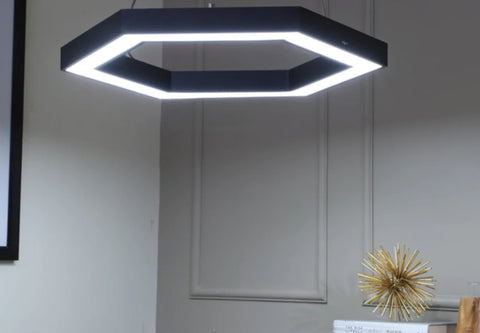
Have you ever noticed how a simple light can completely change the mood of a room? Decorative lighting does more than just brighten a space—it creates an experience.
If you want to make your home or business stand out, understanding why decorative lighting is so successful is key. This article will show you how the right lights can capture attention, evoke emotions, and even influence your guests’ behavior.
Keep reading to discover the secrets behind decorative lighting’s powerful impact and how you can use it to your advantage.

Credit: www.ankurlighting.com
Role Of Decorative Lighting
Decorative lighting plays a vital role in transforming any space beyond mere functionality. It not only provides light but also shapes how you experience your surroundings. The right lighting can turn an ordinary room into a captivating environment that speaks to your personality and style.
Enhancing Aesthetic Appeal
Decorative lighting adds layers of visual interest to your space. It draws attention to colors, textures, and patterns, making them pop in ways natural light cannot. Think about how a chandelier instantly elevates a dining room or how string lights make a patio feel inviting and cozy.
Have you noticed how certain light fixtures become focal points themselves? Choosing unique lamps or pendant lights can serve as art pieces that complement your decor. This lets you express creativity while enhancing the overall look of your home or workplace.
Creating Mood And Atmosphere
Lighting directly influences your emotions and mindset. Warm, soft lights can make a room feel relaxing and intimate, perfect for winding down after a busy day. On the other hand, bright, cool lights boost energy and focus, ideal for work areas or kitchens.
Imagine hosting a dinner party where dimmed lights create a cozy atmosphere, encouraging conversation and connection. Your choice of decorative lighting controls these moods, giving you the power to tailor the environment to your needs and occasions.
Highlighting Architectural Features
Decorative lighting is a tool to showcase the unique elements of your space. It can emphasize textured walls, arches, or built-in shelves that might otherwise go unnoticed. By directing light strategically, you highlight the craftsmanship and design details that add character to your home.
Have you ever walked into a room and immediately admired a fireplace or a piece of artwork? Lighting plays a key role in guiding your eyes to those features. Using spotlights or wall washers can transform ordinary structures into stunning visual statements.
Types Of Decorative Lighting
Decorative lighting adds charm and style to any space. It creates moods and highlights features. Different types serve different purposes. Understanding these types helps choose the right lighting for your home or office.
Ambient Lighting Options
Ambient lighting sets the overall light in a room. It provides soft, even illumination that makes a space feel welcoming. Common ambient lights include ceiling fixtures, chandeliers, and recessed lights. These lights fill the room without harsh shadows.
Accent Lighting Choices
Accent lighting draws attention to specific areas or objects. It highlights artwork, plants, or architectural details. Spotlights, wall sconces, and LED strip lights work well as accent lights. They add depth and interest to a room’s design.
Task Lighting Designs
Task lighting helps with focused activities like reading or cooking. Desk lamps, under-cabinet lights, and pendant lights provide bright, direct light. This type reduces eye strain and improves work efficiency. Task lighting is practical and stylish.
Key Elements For Stunning Ambiance
Creating a stunning ambiance with decorative lighting is an art that transforms spaces into inviting havens. It’s about finding the perfect blend of color, intensity, and layering to create an atmosphere that resonates with your style. Whether you’re hosting a cozy dinner or enjoying a quiet evening, these key elements can elevate any room.
Color Temperature And Tone
Choosing the right color temperature sets the mood for your space. Warm tones, typically around 2700K, evoke comfort and relaxation, making them ideal for living rooms and bedrooms. Cooler tones, like 4000K, are invigorating and work well in kitchens or home offices. Consider how different tones make you feel in various settings; it’s fascinating how a simple shift can alter the entire vibe.
Light Intensity And Dimming
Adjustable light intensity allows you to tailor the atmosphere to your activities. Dimming capabilities provide flexibility, letting you transition from bright task lighting to soft ambient glow. Think about a time when you wanted to change the mood with just a touch. Dimmers are your secret weapon for creating dynamic spaces that adapt to your needs.
Layering Light Sources
Layering involves combining multiple light sources to enhance depth and interest. Overhead fixtures, table lamps, and accent lights each play a role. It’s like arranging a symphony of illumination. For example, a pendant light can highlight a dining table while a floor lamp adds warmth to a corner. Have you ever noticed how layered lighting transforms a room from flat to full of life?

Credit: www.homeaccentstoday.com
Materials And Fixtures
Materials and fixtures play a crucial role in the success of decorative lighting. They don’t just hold the light source; they shape how light interacts with your space. The right combination can transform a simple room into a warm, inviting environment or a dramatic focal point.
Choosing The Right Fixtures
Fixtures act as the framework for your lighting. Choosing the right one means considering size, style, and function. A delicate glass pendant might suit a cozy nook, while a bold metal chandelier fits a large living room.
Think about the fixture’s placement and how it complements your existing décor. Does it draw attention or blend in? Your choice impacts both aesthetics and the overall atmosphere.
Impact Of Materials On Light Quality
The materials used in fixtures influence the way light spreads and feels. Metal fixtures often give a sharper, more focused light, while fabric shades soften and diffuse it.
Glass can create reflections and refractions that add sparkle or warmth. Consider how different materials affect glare and shadow in your space. Have you noticed how a brass lamp casts a warmer glow compared to a chrome one?
Trends In Decorative Lighting Designs
Current trends favor sustainability and versatility. Recycled materials and energy-efficient LEDs are popular choices for eco-conscious decorators.
Fixtures now blend industrial and natural elements—think raw wood with sleek metal. Modular designs let you adjust lighting easily, giving you control over mood and function.
Are you ready to rethink your lighting to match these evolving styles while keeping your space uniquely yours?
Placement Strategies
Placement strategies play a key role in the success of decorative lighting. Proper positioning enhances the room’s look and feel. It ensures the light highlights the best features and creates a balanced atmosphere.
Thoughtful placement helps avoid harsh spots and dark corners. It transforms spaces into inviting and visually appealing areas. Good lighting placement also guides the eye and influences mood.
Balancing Light Distribution
Even light distribution avoids glare and dark patches. It creates a comfortable space for all activities. Use multiple light sources at different heights and angles.
- Combine ceiling lights with wall sconces or table lamps.
- Space lights evenly to cover the entire room.
- Adjust brightness to prevent overpowering one area.
Balance makes the room feel harmonious and warm.
Focal Points And Feature Lighting
Highlight key features to draw attention and create interest. Use spotlights or directional lamps on artwork, plants, or architectural details.
- Choose lighting that complements the colors and textures.
- Keep the focus sharp but not too bright.
- Use warm tones to enhance cozy spots.
Focal lighting adds personality and style to any space.
Using Shadows To Add Depth
Shadows add layers and texture to a room. They create a sense of depth and movement. Place lights near objects that cast interesting shadows.
- Use side lighting to highlight textures on walls.
- Position lights behind plants or sculptures for soft shadows.
- Mix soft and sharp shadows for dynamic effects.
Shadows make the space feel more three-dimensional and lively.

Credit: www.ledmyplace.com
Energy Efficiency And Sustainability
Energy efficiency and sustainability are key drivers behind the growing success of decorative lighting. People want to enjoy beautiful lighting without wasting energy or harming the environment. This balance is now possible thanks to advances in technology and smarter lighting choices.
Led And Smart Lighting Solutions
LED lights have transformed decorative lighting by using significantly less energy than traditional bulbs. They last longer and produce less heat, which means you save money and reduce environmental impact.
Smart lighting systems let you control brightness and timing through apps or voice commands. This precision means you only use light when you need it, cutting unnecessary energy use.
Have you ever left decorative lights on all night? Smart solutions can prevent this by automatically turning lights off, helping you avoid wasted power without even thinking about it.
Reducing Energy Consumption
Choosing energy-efficient bulbs is just the start. Positioning lights strategically can enhance their effect without increasing wattage.
Use dimmers and timers to adjust light levels based on the mood or time of day. This approach reduces energy use while maintaining an inviting atmosphere.
Think about your own space. Could a small adjustment in how you use decorative lighting lower your electric bill?
Eco-friendly Lighting Practices
Recycling old bulbs and fixtures keeps harmful materials out of landfills. Many communities offer special recycling programs for lighting products.
Opt for lighting made from sustainable or recyclable materials to further minimize environmental impact. Bamboo lamp shades or recycled glass bulbs are great examples.
Supporting brands focused on eco-friendly manufacturing encourages the market to prioritize green practices. Your purchasing choices can influence industry standards.
Common Mistakes To Avoid
Decorative lighting can transform any space, but mistakes can spoil the effect. Avoiding common errors helps create the perfect balance of light and style. These pitfalls often reduce the impact of your lighting design.
Overlighting And Glare
Too much light can make a room harsh and uncomfortable. Overlighting causes glare, which strains the eyes and ruins the mood. Use softer, layered lights to create warmth and depth. Avoid placing bright lights directly in the line of sight.
Ignoring Room Functionality
Each room has a purpose that lighting should support. Ignoring this leads to poorly lit spaces that feel awkward. For example, kitchens need bright task lighting, while bedrooms benefit from gentle, relaxing light. Match lighting style to how the room is used.
Poor Fixture Selection
Choosing the wrong fixtures can clash with your room’s decor and reduce lighting quality. Fixtures should complement the room’s style and size. Small rooms need compact fixtures; large rooms can handle bigger, bolder designs. Consider materials and finishes that blend well.
Inspiring Examples
Decorative lighting adds charm and personality to any space. It transforms ordinary areas into stunning visual experiences. The power of lighting lies in its ability to create mood, highlight features, and guide attention. Successful decorative lighting inspires creativity and enhances the environment. Here are some inspiring examples that show its impact.
Residential Decorative Lighting
In homes, decorative lighting combines style with function. Warm pendant lights above dining tables create cozy atmospheres. Wall sconces add elegance to living rooms without overwhelming the space. Layered lighting includes task lamps, ambient lights, and accent fixtures for balance.
Fairy lights and LED strips bring magic to bedrooms and patios. Smart lighting systems allow easy control of brightness and colors. This flexibility makes homes welcoming and adaptable to different moods.
Commercial And Retail Spaces
Businesses use decorative lighting to attract customers and showcase products. Bright, focused lights highlight merchandise on shelves and displays. Color-changing LED lights can set themes for seasons or special sales.
Restaurants use soft, warm lighting to create inviting dining experiences. Offices add decorative fixtures to improve employee comfort and style. Lighting design in commercial spaces supports branding and customer engagement.
Outdoor And Landscape Lighting
Outdoor lighting enhances safety and beautifies gardens, paths, and patios. Spotlights emphasize trees, statues, and architectural features. String lights and lanterns add charm to backyard gatherings.
Solar-powered lights offer energy-efficient solutions for walkways. Motion-sensor lights improve security without disturbing neighbors. Thoughtful outdoor lighting extends usability and enjoyment of outdoor spaces.
Frequently Asked Questions
What Makes Decorative Lighting Successful In Homes?
Decorative lighting enhances ambiance and highlights design elements. It combines style with functionality, creating cozy, inviting spaces that reflect personality and taste.
How Does Decorative Lighting Impact Mood And Atmosphere?
Decorative lighting influences mood by adjusting brightness and color. It creates warmth, relaxation, or excitement, depending on the light style and placement.
Why Is Energy Efficiency Important In Decorative Lighting?
Energy-efficient decorative lighting reduces electricity costs and environmental impact. It uses LED or smart bulbs to provide style without high energy consumption.
What Are Popular Decorative Lighting Styles Today?
Popular styles include vintage Edison bulbs, modern pendant lights, and fairy lights. These styles add charm and uniqueness to any space.
Conclusion
Decorative lighting adds charm and warmth to any space. It highlights features and creates a cozy mood. People enjoy spaces that feel inviting and bright. Choosing the right lights makes a big difference. Small changes bring great improvements in style and comfort.
Good lighting helps show personality and taste clearly. It also improves how people feel inside a room. Simple, well-placed lights can transform homes and businesses alike. This is why decorative lighting often leads to success. Everyone wants a beautiful, welcoming environment to enjoy.