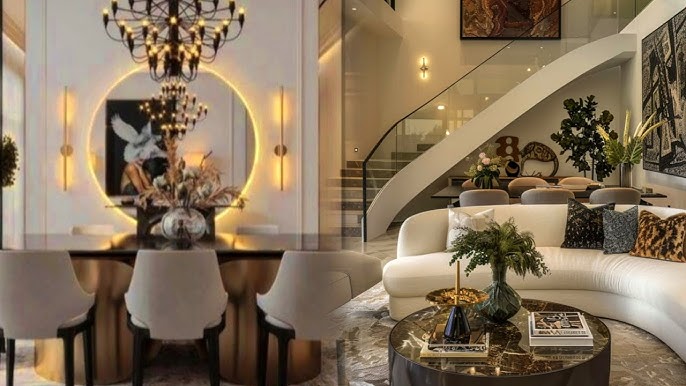
Your open living room dining room is more than just a space—it’s where memories are made, meals are shared, and relaxation happens. But decorating this combined area can feel tricky.
How do you create a seamless flow without making it look cluttered or disconnected? In this guide, you’ll discover simple, effective tips to transform your open space into a stylish, cozy, and functional haven. Ready to make your home feel inviting and balanced?
Keep reading to unlock easy ideas that anyone can use.
Choosing A Cohesive Color Palette
Choosing a cohesive color palette sets the tone for an open living room and dining room. It creates harmony and makes the space feel connected. The right colors can enhance the room’s size and mood.
Start with a base color that flows through both areas. Then add accents to bring personality. Balance warm and cool tones to keep the look inviting and fresh.
Neutral Tones For A Calm Base
Neutral colors form a calm and flexible base. Shades like beige, gray, and soft white work well. They help open spaces feel larger and brighter.
Neutral tones match many styles and furnishings. Use them on walls, floors, or large furniture pieces. This creates a seamless look between living and dining areas.
Adding Bold Accents
Bold accents add life and character to the room. Choose a few bright colors for cushions, rugs, or artwork. These pops of color catch the eye and break monotony.
Keep bold accents balanced. Too many bright colors can overwhelm the space. Use them sparingly to highlight key areas or pieces.
Balancing Warm And Cool Colors
Mixing warm and cool colors brings depth and balance. Warm colors like reds and oranges feel cozy. Cool colors like blues and greens feel calm and fresh.
Balance these tones across the living and dining areas. Use warm colors near seating and cool colors near dining. This creates a natural flow and comfort.
:max_bytes(150000):strip_icc()/CarinaSkrobeckiPhoto_JessicaNelsonDesign_252222ndAve_01-47bc103d13e34f8d89179a86e968e7eb-5b0a8608f5c64a999203309e3fd0af57.jpg)
Credit: www.thespruce.com
Defining Separate Areas
Defining separate areas in an open living room and dining room is key to creating a functional and inviting space. Without clear boundaries, the room can feel chaotic and unorganized. Thoughtful design choices help each area stand out while maintaining a cohesive flow.
Using Rugs To Anchor Spaces
Rugs are a simple way to visually separate the living and dining areas. Choose rugs that differ in pattern or color to create contrast, but keep them in a similar tone to maintain harmony.
A rug under the dining table protects the floor and grounds the seating area. In the living room, a plush rug can add warmth and define the conversation zone. Have you noticed how stepping onto a rug immediately signals a different space?
Furniture Placement Strategies
Arrange your furniture to create natural boundaries between the two areas. Position the sofa with its back facing the dining space to act as a divider without blocking light or sightlines.
Use sideboards or shelving units as subtle partitions that provide storage while marking the dining zone. Avoid pushing all furniture against walls; floating pieces can help define spaces better.
Think about how you move through the room and leave clear pathways between zones. How can your furniture layout invite both relaxation and dining without feeling cramped?
Lighting Zones For Different Functions
Use lighting to highlight the distinct purposes of each area. A statement chandelier over the dining table draws attention and sets a formal mood.
In contrast, softer lamps or recessed lighting in the living area create a cozy atmosphere. Dimmers are a great addition, giving you control over the brightness depending on the activity.
Layer your lighting with task and ambient options to make each zone comfortable and functional. What lighting setup makes you feel most at ease when eating versus lounging?
Selecting Furniture Pieces
Choosing the right furniture for your open living room and dining room can transform the space into a cohesive and inviting area. It’s all about striking the perfect balance between functionality and aesthetics. As you embark on this decorating journey, consider pieces that not only fill the space but also enhance its overall design.
Multi-functional Furniture Options
Imagine having a coffee table that doubles as storage for magazines and blankets. Multi-functional furniture is your best friend in an open layout. It helps you maximize space without cluttering it.
Look for items like ottomans with hidden compartments or dining tables that can extend for guests. These pieces bring versatility and can easily adapt to your changing needs.
Have you ever thought about how a sofa with a pull-out bed can make your living room a guest room too? Multi-functional furniture offers creativity in using your space effectively.
Size And Scale Considerations
Understanding the size and scale of your furniture is crucial in maintaining harmony within an open space. Oversized pieces can overwhelm, while too-small items might get lost in the room.
Think about the flow between your living and dining areas. A large sectional might be perfect for lounging but could block walkways if not carefully placed.
Consider the height of your furniture too. Tall bookshelves can draw the eye upward, making the room feel more spacious. What impression do you want your furniture to create?
Mixing Styles For Visual Interest
Mixing styles can add depth and intrigue to your space. Don’t shy away from pairing a modern sofa with a rustic dining table. It’s all about creating contrast and complementing elements.
Are you worried about clashing styles? Use color as a unifying factor. Matching hues or materials can tie different styles together seamlessly.
Embrace a personal touch by adding eclectic pieces that reflect your personality. A vintage armchair can be a conversation starter, blending history with contemporary vibes.

Credit: www.tailoredinterior.ca
Incorporating Textures And Patterns
Incorporating textures and patterns in an open living room dining room creates visual interest. These elements add warmth and personality to shared spaces. They help separate areas without walls, giving each zone its own feel. Thoughtful use of textures and patterns keeps the room lively and inviting.
Layering Fabrics And Materials
Start with soft fabrics like cushions and throws for comfort. Mix materials such as wood, metal, and glass for contrast. Layering these adds richness and depth to the room. Try combining smooth, rough, shiny, and matte surfaces. This variety makes the space feel cozy and stylish at once.
Using Patterns To Create Depth
Patterns add movement and interest to flat walls or floors. Use rugs, curtains, or wallpaper with subtle designs. Geometric shapes, florals, or stripes work well in open rooms. Place patterns carefully to avoid overwhelming the space. Patterns can define dining and living areas without physical dividers.
Balancing Texture For Comfort
Too many textures can make a room feel busy. Balance soft and hard textures to maintain comfort. Pair plush fabrics with sleek furniture for harmony. Keep some plain surfaces to rest the eyes. This balance creates a welcoming and relaxing environment for family and guests.
Enhancing With Lighting
Lighting shapes the mood and function of an open living room dining room. It brings warmth, highlights areas, and creates a cozy atmosphere. Good lighting balances style with usability, making the space inviting and practical. Thoughtful lighting design enhances both relaxation and dining experiences.
Ambient And Task Lighting
Ambient lighting provides overall brightness to the room. Use ceiling lights or recessed fixtures for even light. Task lighting focuses on specific areas like reading spots or the dining table. Table lamps, floor lamps, and pendant lights work well here. Layering ambient and task lighting improves comfort and usability.
Statement Light Fixtures
Statement fixtures add personality and style to the room. Choose a bold chandelier or oversized pendant above the dining table. Unique designs catch the eye and become conversation starters. These fixtures define the space and add visual interest without clutter.
Natural Light Maximization
Natural light brightens the open space and lifts the mood. Use sheer curtains or blinds to soften sunlight without blocking it. Arrange furniture to avoid blocking windows and let light flow freely. Mirrors reflect daylight and make the room feel larger and airier.
Adding Personal Touches
Adding personal touches to your open living room dining room instantly makes the space feel more inviting and uniquely yours. It’s about choosing elements that reflect your personality and lifestyle, transforming a shared area into a warm and memorable environment. The key is to blend functionality with your style without overwhelming the openness.
Artwork And Wall Decor
Artwork sets the tone for your space and reveals your taste. Pick pieces that resonate with you—whether it’s bold paintings, family photos, or travel souvenirs mounted creatively. Don’t hesitate to mix different styles or frames; the contrast adds depth and keeps the walls interesting.
Try a gallery wall or a large statement piece above the dining table to create a visual anchor. What kind of art makes you pause and smile every time you see it? Let that guide your choices.
Plants And Greenery
Plants bring life and freshness into open spaces. Choose a variety of sizes—from tall floor plants to small succulents on shelves or tables. They improve air quality and soften the lines between your living and dining areas.
Consider how much natural light your space gets and pick plants accordingly. You might be surprised how even a few green touches can change the mood and energy of the room.
Decorative Accessories
Accessories like cushions, rugs, and vases offer subtle ways to express your style. They allow you to play with color, texture, and pattern without a big commitment. Swapping them seasonally or for special occasions keeps your space feeling fresh.
- Use decorative bowls or trays on the dining table to keep it tidy and stylish.
- Add candles or lanterns for soft, inviting lighting.
- Display meaningful items such as books, souvenirs, or heirlooms on open shelves.
Which small details make you feel most at home? Paying attention to those can turn a shared space into your personal haven.
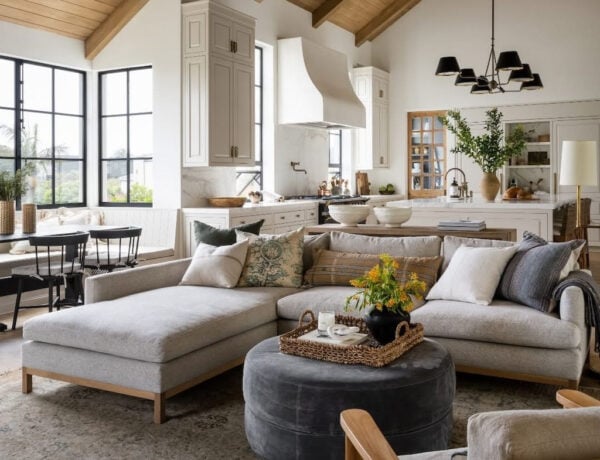
Credit: jane-athome.com
Frequently Asked Questions
How Can I Define Spaces In An Open Living-dining Room?
Use rugs, furniture placement, or lighting to visually separate areas. This creates distinct zones while keeping an open flow.
What Colors Work Best For Open Living And Dining Rooms?
Choose complementary or neutral tones to unify the space. Soft shades create harmony and make rooms feel larger and brighter.
How Do I Choose Furniture For An Open Living-dining Room?
Pick pieces that suit both areas’ scale and style. Opt for multifunctional or modular furniture to maximize space and versatility.
How To Maintain Balance Between Living And Dining Areas?
Keep a consistent design theme and avoid clutter. Balance furniture size and arrangement to ensure both areas feel cohesive and inviting.
Conclusion
Creating a beautiful open living room and dining room is simple. Choose colors that match and furniture that fits well. Use rugs and lighting to separate the spaces. Keep decorations clear and personal to make it cozy. Small changes can make big differences in your home.
Enjoy your space, where comfort meets style. This guide helps you create a warm, inviting area for family and friends. Your open living and dining room will feel bright and welcoming every day.