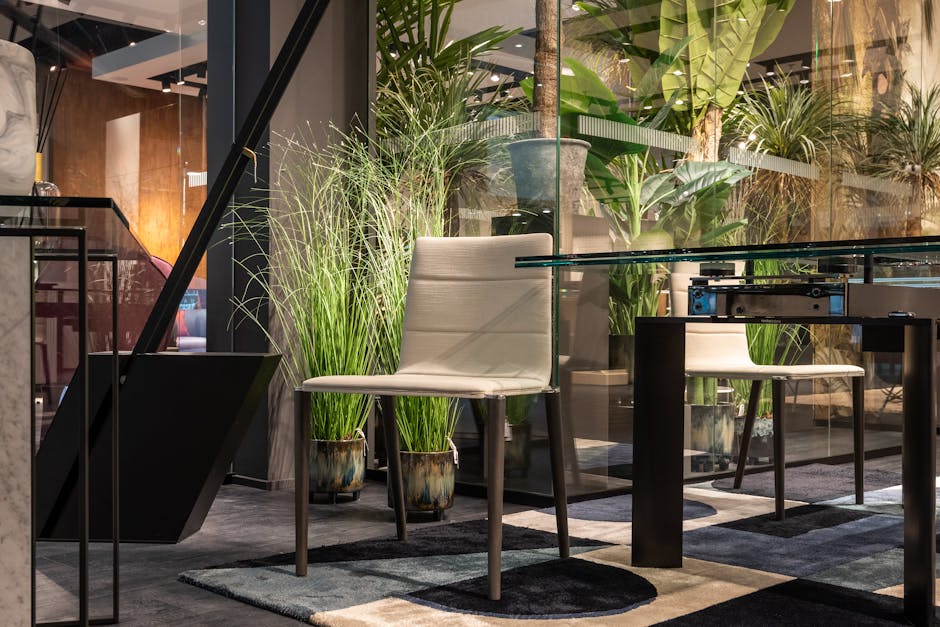
Are you struggling to make your living dining room combo look stylish and inviting? You’re not alone.
Combining two important spaces into one can feel tricky, but with the right ideas, you can create a beautiful, functional area that suits your lifestyle perfectly. Imagine a room where you can relax, entertain, and enjoy meals without feeling cramped or cluttered.
This guide will show you simple, practical ways to decorate your living dining room combo so it feels spacious, cozy, and uniquely yours. Keep reading to discover easy tips that will transform your space and make every moment there more enjoyable.
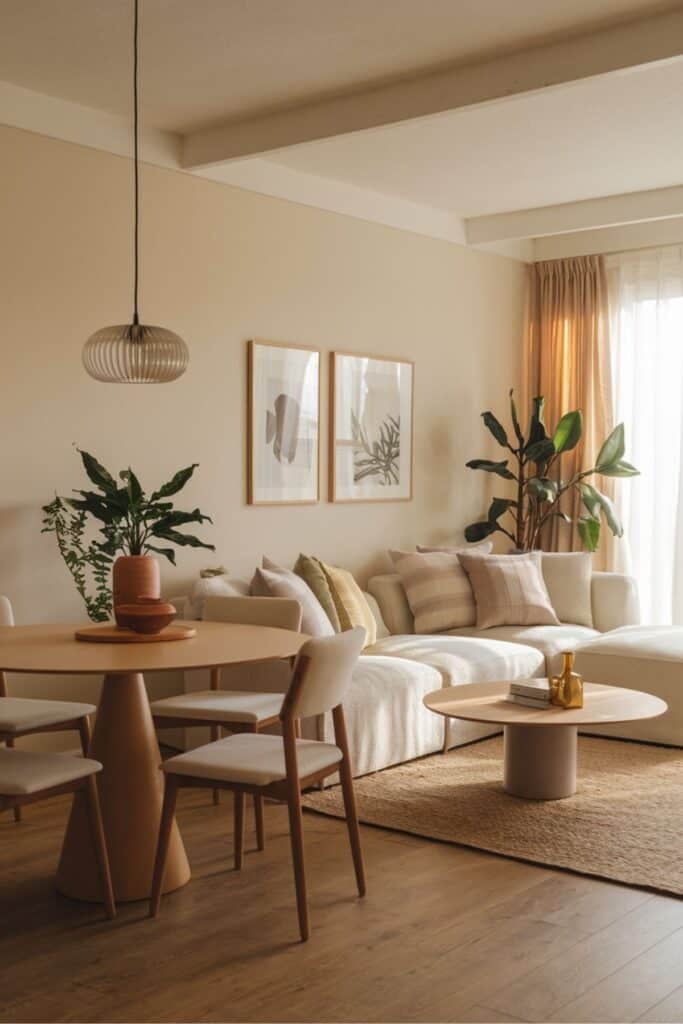
Credit: abloomdecor.com
Planning Your Space
Planning your living dining room combo is key to creating a space that feels both comfortable and stylish. It’s about making smart choices so your room looks great and works well for your daily life. Taking time to understand your space helps avoid clutter and makes sure everything has a place.
Measuring And Zoning
Start by measuring the entire area carefully. Write down the length and width, and note the location of doors, windows, and any architectural features.
Use these measurements to divide your room into zones, such as dining, lounging, and traffic flow. You can do this by sketching a simple floor plan or using an app. This step helps you see how much space each area needs without overcrowding.
Choosing A Focal Point
Decide what will draw attention first in your room. It could be a fireplace, a large window, or even a piece of art.
Arrange your furniture around this focal point to create a natural flow. For example, position the sofa and dining table so they both enjoy the view or the warmth of a fire.
Balancing Functionality And Style
Ask yourself how you use the space daily. Do you entertain often? Need a homework spot? Your layout should support these activities.
Choose furniture that fits your needs but also matches your taste. Mix comfortable seating with stylish pieces, and don’t forget to leave enough room to move easily.
Color Schemes And Themes
Choosing the right color schemes and themes can transform your living dining room combo into a cohesive and inviting space. Colors set the mood, highlight key areas, and create a visual flow between the two functions of the room. Understanding how to mix and match colors effectively will help you craft a space that feels balanced and stylish.
Coordinating Colors
Start with a base color that works well in both living and dining areas. Neutral shades like beige, gray, or soft white provide a calm backdrop and make the space feel open. From there, pick two or three complementary colors to add depth and interest without overwhelming the senses.
Think about the natural light in your room. South-facing rooms can handle cooler tones, while north-facing ones benefit from warmer hues. Don’t be afraid to use different shades of the same color in each area to create subtle separation while maintaining harmony.
Popular Design Themes
Some themes naturally suit a living dining combo because they blend comfort with style. Scandinavian design, with its clean lines and muted palette, creates a fresh, airy feel that works perfectly in shared spaces. Rustic themes bring warmth through wood textures and earthy colors, making both areas cozy and inviting.
If you like a bold look, consider a modern theme with sleek furniture and pops of black, white, and metallics. Each theme offers a framework to choose colors and materials that connect the two zones without clashing.
Using Accent Colors
Accent colors give your room personality and highlight focal points. Adding bright pillows, vibrant artwork, or a statement rug can energize the space and create visual interest. Don’t limit accents to one area; use them thoughtfully in both living and dining spaces to tie the room together.
Try to keep accent colors limited to one or two shades to avoid chaos. A deep navy chair or a burnt orange vase can become conversation starters, adding charm without overpowering the overall design. What accent color could reflect your personality and brighten your combined space?
Furniture Selection
Decorating a living dining room combo requires thoughtful furniture selection. The goal is to create a harmonious space that serves multiple functions. Choosing the right pieces can transform your area into a cozy and functional haven. Focus on style and practicality for the best results.
Choosing Multi-functional Pieces
Opt for furniture that serves more than one purpose. A sofa bed can be a seating area and a sleeping space. Coffee tables with storage help keep the room tidy. Shelves or cabinets that double as dividers can separate dining and living areas. Choose pieces that maximize space while offering versatility.
Arranging Seating Areas
Consider the flow of the room when arranging seating. Create a cozy conversation zone with sofas and chairs. Place them to encourage interaction. Ensure there’s enough space for movement. Use rugs to define the living area. Add side tables for convenience and style.
Dining Tables And Chairs
Select a dining table that fits your space. Round tables are great for small rooms. Extendable tables offer flexibility for larger gatherings. Choose chairs that are comfortable and match the table’s style. Add cushions for extra comfort. Consider the material and finish to align with the overall decor.
Lighting Ideas
Lighting plays a key role in decorating a living dining room combo. It sets the mood and defines the space. Choosing the right lighting helps create a warm, inviting atmosphere. Mix different types of lights for balance and style.
Layered Lighting
Layered lighting uses three types of lights: ambient, task, and accent. Ambient light provides general illumination. Task lights focus on specific activities like reading or eating. Accent lights highlight artwork or architectural features. Combining these layers adds depth and function.
Statement Fixtures
Statement fixtures act as focal points in the room. Choose a chandelier or pendant light above the dining table. A bold fixture adds style and draws attention. Match the fixture with the room’s decor for harmony. It can be modern, rustic, or classic.
Natural Light Enhancement
Maximize natural light to brighten the space. Use sheer curtains to soften sunlight. Place mirrors opposite windows to reflect light. Keep window areas clear of heavy furniture. Natural light makes the room feel bigger and fresher.
Decor And Accessories
Decor and accessories bring personality and warmth to your living dining room combo. They create visual interest and help define different zones without breaking the flow of the shared space. Choosing the right pieces can make your room feel inviting and balanced.
Wall Art And Mirrors
Wall art instantly adds character to your combined living and dining area. Choose pieces that reflect your style but also complement the room’s color scheme. Grouping smaller artworks can create a gallery effect that sparks conversation and adds depth.
Mirrors do more than decorate; they open up the space and reflect natural light. Placing a large mirror opposite a window can make your room feel brighter and larger. Try a statement mirror with an interesting frame to serve as a focal point above the dining table or sofa.
Rugs And Textiles
Rugs anchor your furniture and help define separate zones in an open plan room. Use different rugs for the living and dining areas to subtly mark boundaries while keeping the overall look cohesive. Pick textures and patterns that add comfort without overwhelming the space.
Textiles like cushions, throws, and curtains add softness and color. Layering these in complementary tones can tie the entire room together. Have you noticed how a colorful throw can instantly brighten a neutral sofa? Small textile changes can refresh your space seasonally.
Plants And Greenery
Plants bring life and freshness to your living dining combo. Place tall plants in corners to fill empty spaces and smaller pots on shelves or tables for bursts of green. They improve air quality and create a calming atmosphere that invites relaxation.
Consider mixing different types of plants—some leafy, some flowering, some succulents—to add variety. If you lack natural light, try hardy plants like snake plants or pothos that thrive indoors. How can a simple plant change the feel of your room?
Storage Solutions
Storage is a key factor in making your living dining room combo both functional and inviting. Without smart storage solutions, the space can quickly feel cluttered and chaotic. Think about how much easier your daily life becomes when everything has a designated spot that’s both accessible and visually pleasing.
Built-in Shelving
Built-in shelving maximizes vertical space without taking up extra floor area. You can customize shelves to fit your needs—whether it’s displaying books, family photos, or your favorite décor pieces. I once added built-in shelves around a window, and it instantly became a cozy reading nook while keeping the room tidy.
Consider using adjustable shelves to accommodate items of different sizes. This flexibility helps you adapt the space as your storage needs change over time.
Hidden Storage
Hidden storage keeps clutter out of sight but within easy reach. Think of ottomans that open up to store blankets, or dining benches with storage compartments underneath. These pieces serve double duty, saving space without sacrificing style.
Have you tried using furniture with secret drawers or lift-top tables? They’re perfect for stashing remote controls, magazines, or dining essentials discreetly.
Stylish Organizers
Stylish organizers combine function with design, making storage part of your décor. Use decorative baskets, trays, or boxes to group smaller items neatly. This keeps surfaces clear and adds texture and color to your space.
Try grouping organizers by material or color to create a cohesive look. This small detail can make your living dining area feel more intentional and polished.
Creating Flow And Cohesion
Creating flow and cohesion in a living dining room combo is key to making the space feel harmonious. It helps the two areas blend naturally without feeling cluttered or disconnected. Thoughtful design choices guide the eye smoothly across the room. This creates a comfortable and inviting atmosphere for both relaxing and dining.
Consistent Materials And Textures
Use similar materials in both living and dining areas. Choose fabrics, woods, or metals that echo each other. For example, a wooden dining table and wooden legs on the sofa create a link. Textures like soft rugs and smooth leather add depth. Keeping materials consistent ties the spaces together visually.
Open Space Connectivity
Keep pathways clear between living and dining zones. Avoid bulky furniture that blocks movement. Arrange pieces to allow easy access and sight lines. This open design helps the room feel larger and more connected. Use rugs to define areas but keep them close in style and color.
Visual Balance Tips
- Balance large furniture with smaller decor items.
- Distribute colors evenly across the room.
- Use lighting to highlight each space equally.
- Place art or mirrors to draw the eye smoothly.
Visual balance prevents one area from overpowering the other. It creates a peaceful, unified look that invites you to stay longer.
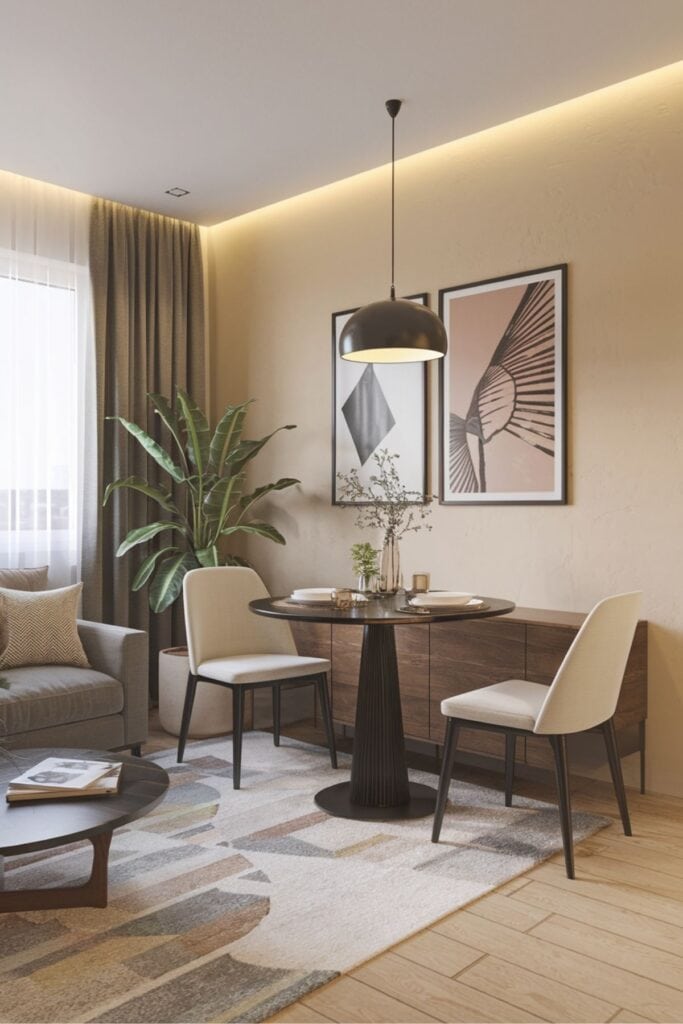
Credit: abloomdecor.com

Credit: cozyliving.com.au
Frequently Asked Questions
How To Define Zones In A Living Dining Room Combo?
Use rugs, furniture placement, and lighting to separate living and dining areas. This creates clear, functional zones without walls.
What Colors Work Best For Living Dining Combos?
Choose a cohesive color palette with neutral tones and accents. This unifies the space while adding depth and warmth.
How To Maximize Space In A Small Living Dining Room?
Opt for multi-functional furniture, vertical storage, and light colors. These choices enhance space and keep the room airy and organized.
What Lighting Suits A Living Dining Room Combo?
Combine ambient, task, and accent lighting. Use chandeliers over dining tables and floor lamps in living areas for balance.
Conclusion
Creating a living dining room combo can be simple and fun. Choose colors that match and furniture that fits well. Use rugs or lighting to define each space clearly. Add personal touches like plants or art to make it cozy.
Keep the area tidy and organized to feel open. Small changes can bring big improvements. Enjoy your stylish and practical shared space every day.