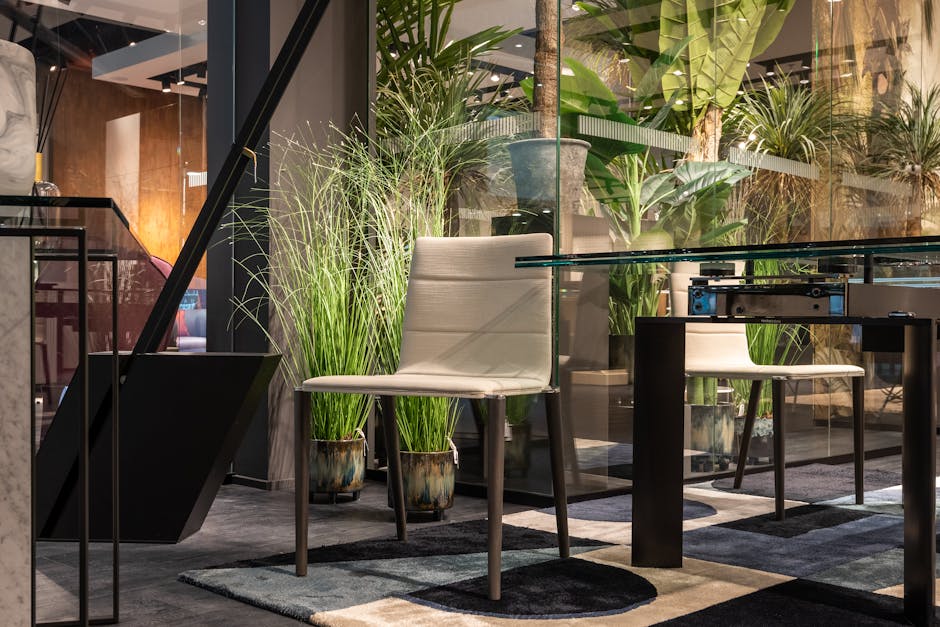
Are you struggling to make the most of your angular dining room? You’re not alone.
Sharp corners and unusual shapes can make decorating feel tricky, but with the right approach, your space can become both stylish and inviting. Imagine turning those awkward angles into a unique feature that impresses your guests and makes every meal special.
Keep reading, and you’ll discover simple, practical tips that transform your dining room into a cozy, beautiful spot you’ll love to spend time in.
Choosing The Right Layout
Choosing the right layout is key to decorating an angular dining room. This space often has unique corners and walls that create challenges. Thoughtful arrangement can make the room feel larger and more inviting. Proper layout balances comfort and style for daily use and special meals.
Maximize Space With Angled Furniture
Use furniture that fits the angles of the room. Angled tables or corner benches save space and add interest. Place chairs where they do not block pathways. Keep the center open to allow easy movement.
Create Cozy Corners
Turn odd corners into inviting spots. Add small tables or cushioned seats in these areas. Use soft lighting to enhance warmth. Cozy corners make the room feel friendly and comfortable.
Balance Function And Style
Choose pieces that look good and serve a purpose. Storage benches or sideboards keep the room tidy. Select colors and materials that match the room’s vibe. This balance keeps the dining room both practical and beautiful.
Selecting Dining Tables And Chairs
Selecting the right dining tables and chairs shapes the look and feel of an angular dining room. These pieces must fit the unique space while offering style and comfort. Focus on the size, shape, and materials to create a balanced and inviting dining area. Thoughtful choices help maximize space and enhance the room’s angles.
Shape And Size Considerations
Choose dining tables that fit well within the room’s angles. Rectangular or oval tables often work best in angular spaces. Round tables can soften sharp corners and create flow. Measure the space carefully to ensure enough walking room around the table. Avoid oversized tables that crowd the area. Smaller tables can create a cozy atmosphere without clutter.
Mixing Materials And Textures
Combine different materials to add depth and interest. Pair wood tables with metal or fabric chairs for contrast. Glass tabletops reflect light and open up tight spaces. Textured chair upholstery adds warmth and comfort. Use finishes that complement the room’s colors and style. Mixing materials creates a layered, dynamic look that feels inviting.
Comfort Meets Design
Select chairs that balance style with comfort. Look for padded seats or ergonomic shapes to support long meals. Chair height should match the table for easy dining. Consider chairs with arms in larger spaces, or armless chairs in tighter spots. Comfortable seating encourages guests to linger and enjoy the space. Design choices should never sacrifice comfort for appearance.
Lighting For Ambiance
Creating the perfect ambiance in an angular dining room is all about choosing the right lighting. The right lighting can transform your dining space from a mundane area into a captivating and cozy corner. Let’s dive into how you can achieve this with statement chandeliers, layered lighting, and natural light enhancements.
Statement Chandeliers And Pendants
A statement chandelier or pendant can be the focal point of your dining room. Picture this: a stunning geometric chandelier hanging in the center, casting intricate shadows that play off the angles of the walls. Such fixtures not only illuminate the space but also add a touch of elegance and personality.
Choose chandeliers with bold designs that complement the angular nature of the room. Consider materials like brushed metal or glass that can reflect light beautifully. Ask yourself—does your lighting fixture tell the story you want it to?
Layered Lighting Techniques
Layered lighting is key to creating depth and versatility in your dining area. Start with ambient lighting for overall illumination, then add task lighting for specific purposes like dining or reading.
Think about using recessed lights along the ceiling edges to highlight architectural features. Wall sconces can offer subtle lighting that enhances the room’s unique angles. How can you use light layers to accentuate your dining room’s best features?
Natural Light Enhancement
Natural light can be a game-changer, especially in angular rooms where it can bounce off surfaces in unexpected ways. Maximize daylight by using sheer curtains that allow sunlight to filter in while maintaining privacy.
Consider the placement of mirrors strategically to reflect light and make the room feel larger. Large windows or skylights can be a stunning addition, bringing warmth and vibrancy to the dining area. Are you leveraging natural light to its fullest potential?
Wall Treatments And Art
Wall treatments and art play a key role in decorating an angular dining room. They bring personality and style to sharp corners and unusual shapes. Choosing the right wall decor helps soften edges and creates a cozy atmosphere. Use colors, patterns, and art to make the space inviting and balanced.
Accent Walls With Paint Or Wallpaper
Accent walls highlight one part of the room and draw attention away from awkward angles. Choose a bold color or patterned wallpaper for one wall only. This adds depth and interest without overwhelming the space. Darker shades work well in large rooms, while lighter tones keep smaller rooms bright.
Textured wallpaper or paint effects can also add dimension. Consider geometric patterns to complement the room’s angles. Matte finishes reduce glare and create a calm look. Use painter’s tape to get clean edges and keep lines sharp.
Gallery Walls And Art Placement
Gallery walls add visual appeal and personality to an angular dining room. Arrange artwork in a balanced grid or an organic cluster. Keep frames similar in color or style for a unified look. Vary the size of frames to create movement and interest.
Place art where it naturally fills empty wall space. Avoid crowding corners or very narrow walls. Art hung at eye level draws attention and connects the room’s design. Use ledges or shelves to layer smaller pieces for flexibility.
Mirrors To Expand Space
Mirrors brighten and open up angular dining rooms. They reflect light and make the space feel larger. Choose a mirror with a simple frame to avoid cluttering the walls. Round or oval mirrors soften sharp corners and add flow.
Position mirrors opposite windows or light sources. This boosts natural light and improves room brightness. Large mirrors can act as focal points, balancing the room’s shape. Consider mirrored panels for a modern touch that enhances angles.
Flooring And Rugs
Flooring and rugs play a key role in an angular dining room’s style and function. They set the base for your furniture and help create a cozy atmosphere. The right choices make the space inviting and easy to maintain. Consider durability, shape, and design carefully to enhance the room’s unique angles.
Choosing Durable Flooring
Select flooring that stands up to spills and heavy use. Hardwood, tile, and laminate offer strong surfaces for dining areas. Waterproof options work well in homes with children or pets. Textured floors can hide scratches and dirt better. Choose neutral colors to balance bold wall shapes and furniture.
Rug Shapes And Patterns
Rugs soften the room and add visual interest. Round and oval rugs complement sharp angular walls nicely. Patterns can create flow and break up harsh lines. Simple geometric designs echo the room’s shape, creating harmony. Choose colors that contrast the floor for a striking effect.
Defining The Dining Area
Use rugs to mark the dining zone clearly. The rug should be large enough for chairs to stay on it when pulled out. This helps keep the space organized and cozy. Layer rugs if you want extra texture and warmth. A well-defined area makes the room feel intentional and welcoming.

Credit: www.housebeautiful.com
Decorative Accessories
Decorative accessories bring personality and warmth to an angular dining room. They help soften sharp corners and add visual interest without cluttering the space. Choosing the right pieces can turn your dining area into a cozy, inviting spot that reflects your style.
Centerpieces And Table Settings
A well-chosen centerpiece anchors your dining table and sets the mood. Try a low-profile arrangement like a shallow bowl filled with seasonal fruits or candles to keep sightlines clear across the table.
Mix textures by combining ceramic vases with natural elements like driftwood or smooth stones. Consider table settings that add color and pattern without overwhelming the angular design—think simple placemats paired with bold napkin rings.
Shelving And Display Units
Use shelves to break up sharp angles and create layers of interest on your walls. Floating shelves or corner units can hold curated collections, such as unique dishware, art pieces, or vintage finds.
Arrange items thoughtfully—vary heights and shapes to maintain balance. Don’t overcrowd; leave breathing room so each piece stands out. Have you tried mixing open shelves with closed cabinets to hide clutter?
Incorporating Greenery
Plants bring life and soften hard edges in angular spaces. Choose plants with rounded leaves or trailing vines to contrast with the room’s lines.
Place a tall plant in an empty corner or use small potted herbs as part of your table setting. It’s amazing how a bit of green can make your dining room feel fresher and more inviting. What plants do you think would thrive in your dining area?
Color Schemes That Impress
Choosing the right colors can transform an angular dining room into a stylish and inviting space. Color schemes set the mood and highlight the room’s unique shape. Thoughtful color choices make angles appear softer or sharper, creating visual interest and balance.
Colors can make the room feel cozy or spacious. They help connect the dining area with other parts of the home. The right palette draws attention to architectural details and complements your furniture and decor.
Bold Versus Neutral Palettes
Bold colors create energy and drama in an angular dining room. Deep blues, rich reds, or vibrant greens work well. Use them on one wall or in accents like chairs and art. Bold colors highlight angles and add personality.
Neutral palettes bring calm and elegance. Shades of white, gray, beige, or soft pastels soften sharp corners. They open the space, making it feel larger and brighter. Neutrals work well with natural wood and metal finishes.
- Bold colors for statement walls or furniture
- Neutral tones for walls and larger surfaces
- Mix bold and neutral for balance
Coordinating With Adjacent Spaces
The dining room should flow smoothly into nearby rooms. Choose colors that complement adjoining spaces. This creates harmony and a sense of continuity in your home.
Use similar tones or shades with slight variations. For example, a soft gray in the dining room can match a darker gray in the living room. Avoid clashing colors that break the visual flow.
- Pick colors that match or complement adjacent rooms
- Use transitional shades to connect spaces
- Keep color intensity consistent for a smooth flow
Using Color To Enhance Angles
Colors can highlight or soften the room’s angles. Light colors make corners feel open and less sharp. Dark colors emphasize edges and create depth.
Paint angled walls in different shades to add dimension. Use contrasting colors to draw attention to interesting shapes. This approach turns angles into design features instead of flaws.
- Light shades soften sharp corners
- Darker tones emphasize architectural details
- Contrasting colors highlight unique angles
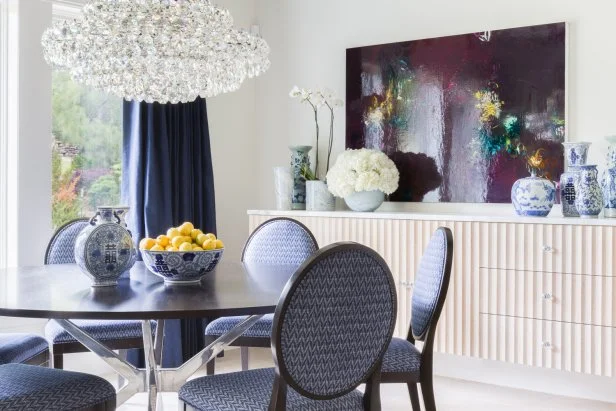
Credit: www.hgtv.com
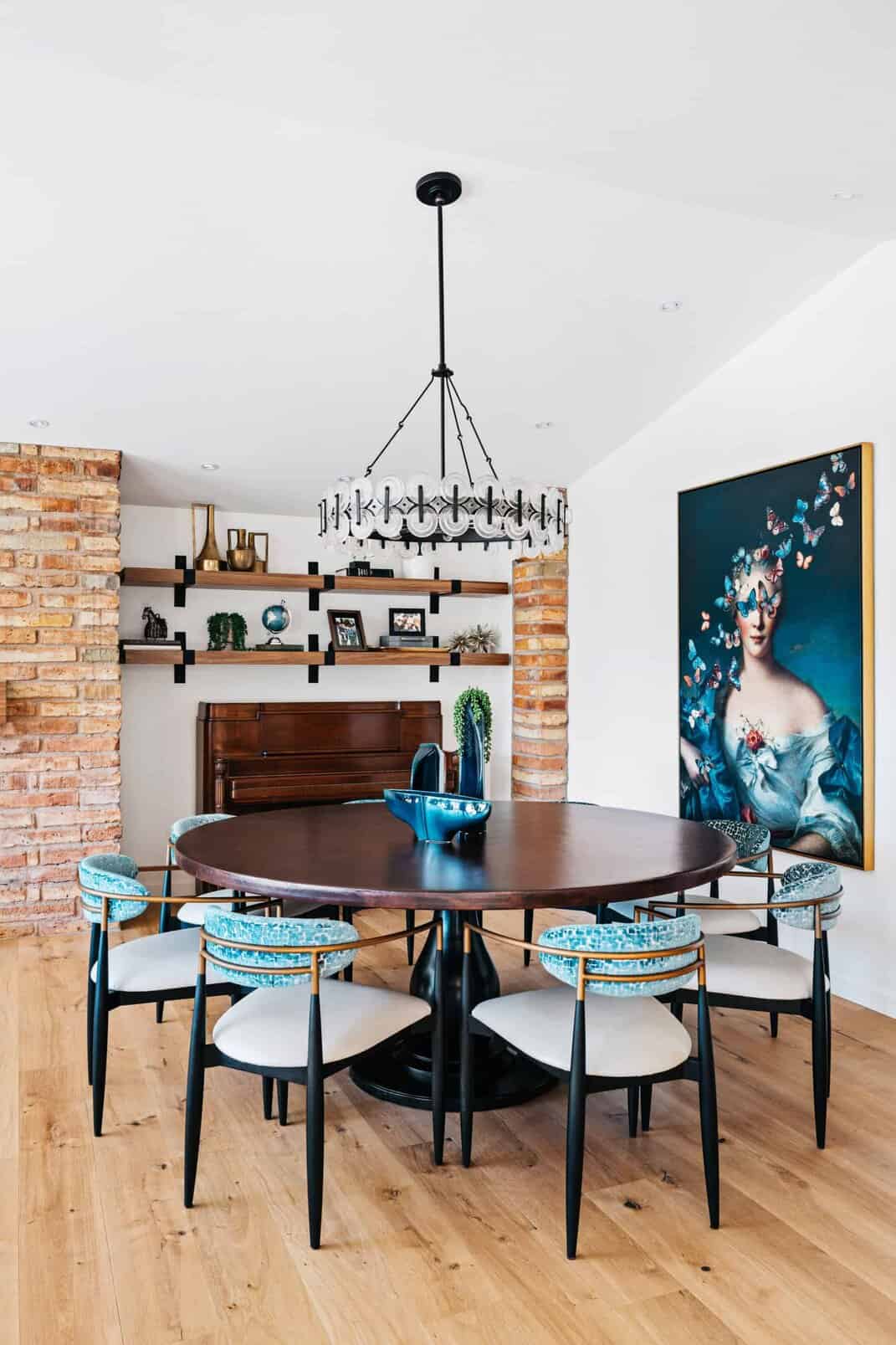
Credit: www.architectureartdesigns.com
Frequently Asked Questions
How Can I Maximize Space In An Angular Dining Room?
Use corner furniture and built-in seating to save space. Place a round or oval table to fit angular walls. Use light colors and mirrors to create an open feel. Keep décor minimal to avoid clutter.
What Lighting Suits An Angular Dining Room Best?
Choose pendant lights or chandeliers centered above the dining table. Use wall sconces to highlight angular corners. Layer lighting with dimmers for ambiance. Natural light enhances the room’s shape and warmth.
Which Furniture Styles Fit Angular Dining Rooms?
Opt for sleek, modern furniture with clean lines. Round or oval tables complement angular walls well. Built-in benches or corner units optimize space. Avoid bulky pieces that disrupt flow and balance.
How Do I Decorate Angular Walls Effectively?
Use geometric artwork or mirrors to echo the room’s shape. Paint walls in light, neutral colors to open space. Add floating shelves in corners for function and style. Use wall decals or wallpaper to add interest.
Conclusion
Decorating an angular dining room can be simple and fun. Focus on shapes and colors that fit the space well. Use furniture that matches the room’s angles. Add lighting to create a warm and cozy feel. Small touches like plants or art bring life to the room.
Keep the design clean and balanced for comfort. A well-decorated dining room invites friends and family to enjoy meals together. Try these ideas to make your space both stylish and welcoming. Your dining room can become a favorite spot in your home.