Are you wondering if you can depreciate your office decor to save on taxes? It’s a question many business owners ask but don’t always get clear answers to.
Understanding how depreciation works for your office decorations could help you keep more money in your pocket. You’ll discover what counts as office decor, how depreciation applies, and smart tips to make the most of your deductions. Keep reading to unlock simple strategies that could benefit your business finances.
Credit: collaborative-office.com
Depreciation Basics For Office Decor
Understanding depreciation for your office decor can save you money and help you manage your business finances better. Depreciation lets you spread the cost of your office items over several years instead of deducting the full price in one go. But not everything in your office qualifies for depreciation, so knowing the basics is essential.
What Qualifies As Office Decor
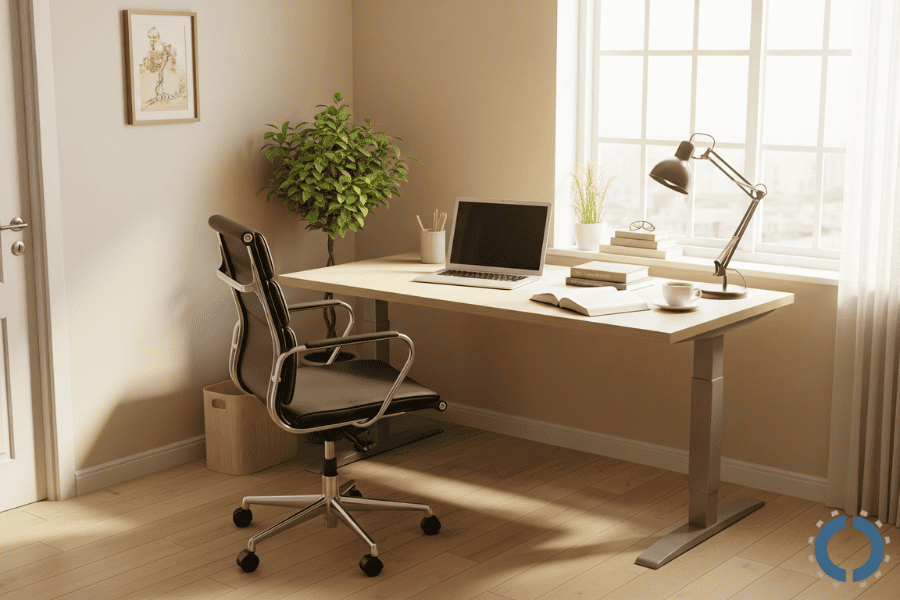
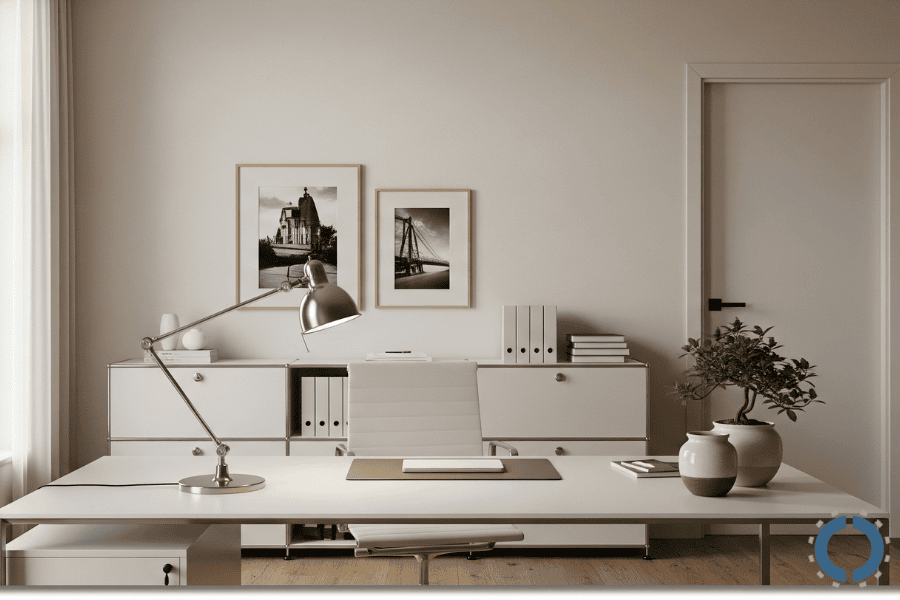
Office decor generally includes items that improve the look and feel of your workspace. This can be furniture like desks and chairs, wall art, decorative lighting, and even some types of plants.
However, not all decor qualifies for depreciation. Items that are considered consumables or have a very short lifespan usually don’t count. For example, seasonal decorations or inexpensive items you replace often might not qualify.
Think about what you’ve purchased for your office recently. Did you buy something that lasts several years and adds value to your workspace? If yes, there’s a good chance it can be depreciated.
Types Of Depreciable Assets
Depreciable assets typically fall into categories based on their expected lifespan and use in your business. Here are some common types you might encounter:
- Furniture:Desks, chairs, filing cabinets, and shelves.
- Fixtures:Built-in shelving or lighting fixtures.
- Electronic equipment:Computers, printers, and monitors that are part of your office setup.
- Decorative items:Artwork or sculptures that last several years.
Each asset type has specific depreciation schedules set by tax authorities. For example, office furniture often depreciates over 7 years, while electronic equipment might depreciate faster. Knowing which schedule applies helps you plan your deductions better.
Have you checked how your office purchases fit into these categories? Identifying them correctly ensures you don’t miss out on potential tax savings.

Credit: www.instagram.com
Irs Rules On Office Decor Depreciation
The IRS has clear rules about depreciating office decor. Business owners can recover the cost of their office decorations through depreciation. This helps spread the expense over several years instead of taking a big deduction all at once. Understanding these rules can help you make smart tax decisions and stay compliant.
Useful Life Of Office Decor
The IRS assigns a “useful life” to office decor for depreciation. Most office decor items fall under the category of 5 or 7 years. This means you spread the cost over that many years. The IRS expects these items to last and provide value during this period. You cannot claim full depreciation in the year you buy the decor.
Depreciation Methods Allowed
The IRS allows a few methods to calculate depreciation for office decor. The most common methods are:
- Straight-line method
- Modified Accelerated Cost Recovery System (MACRS)
The straight-line method spreads the cost evenly over the useful life. MACRS allows faster depreciation in the early years. You must choose the method that fits your tax situation best. Recording depreciation correctly is important to avoid IRS issues later.
Maximizing Savings Through Depreciation
Depreciating office decor can lead to substantial savings for your business. Understanding how to maximize these savings is crucial. By utilizing tax benefits and depreciation strategies, businesses can effectively reduce taxable income. This approach allows for better financial management and resource allocation.
Section 179 Deduction Benefits
Section 179 allows businesses to deduct the full cost of office decor immediately. This deduction applies to items like furniture, lighting, and artwork. It can significantly lower your taxable income in the purchase year. The deduction is ideal for small businesses seeking immediate savings. Ensure your decor meets IRS eligibility requirements before proceeding.
Bonus Depreciation Opportunities
Bonus depreciation offers additional savings on office decor costs. It applies to new and used items purchased for business use. This method allows businesses to deduct a large percentage of costs upfront. Unlike Section 179, bonus depreciation is not limited to certain thresholds. It provides flexibility in managing business expenses over time.
Record-keeping For Depreciation Claims
Keeping accurate records is essential for claiming depreciation on office decor. Good record-keeping helps prove your purchases and supports your tax deductions. It also makes tax filing smoother and avoids problems with the IRS.
Organize your records carefully. Keep all receipts, invoices, and proof of payment. These documents show the cost and date of each item. They are the foundation for calculating depreciation correctly.
Tracking Purchase Dates And Costs
Note the exact date you bought each decor item. The purchase date starts the depreciation timeline. Without it, you cannot claim depreciation properly.
Record the full cost of each piece. Include any taxes, shipping, or installation fees. The total amount paid determines your depreciation basis.
Use a spreadsheet or accounting software to list:
- Item name
- Purchase date
- Purchase price
- Additional costs
Maintaining Documentation
Keep all original receipts and invoices in one place. Store digital copies as backups. This protects your records in case of loss or damage.
Document any repairs or improvements to your office decor. These can affect depreciation calculations. Save receipts for these expenses too.
Review your records regularly. Make sure they are complete and accurate. Well-maintained documentation reduces audit risks and saves time.
Common Mistakes To Avoid
Depreciating office decor might seem straightforward, but many business owners stumble over common pitfalls that can cost them money and cause headaches with tax filings. Avoiding these mistakes helps you maximize deductions without triggering audits or errors. Let’s look at some frequent errors people make when trying to depreciate their office decorations.
Misclassifying Office Decor
One major mistake is confusing office decor with other asset types. You might think all items in your office can be lumped together, but decor often falls under specific categories with distinct depreciation rules.
For example, a decorative painting might be considered personal property and depreciated differently than office furniture. Misclassifying can lead to incorrect depreciation schedules, causing you to lose out on tax benefits or face penalties.
Ask yourself: Have you clearly identified each item’s category before applying depreciation? Taking time to classify your office decor accurately ensures you’re following IRS guidelines.
Ignoring Depreciation Limits
Another common error is overlooking depreciation caps set by tax laws. Some office decor items have limits on how much you can depreciate each year or overall. Ignoring these limits may result in overstated deductions.
For instance, certain decorative assets might be subject to a shorter depreciation life or maximum expense thresholds. Exceeding these can trigger audits or require adjustments later.
Have you checked the depreciation limits for your office decor? Staying within these boundaries helps you claim the right amount and avoid unwanted tax complications.
Credit: collaborative-office.com
When To Consult A Tax Professional
Knowing when to seek help from a tax professional can make a big difference in how you handle depreciation on your office decor. Tax rules can be tricky, and mistakes may cost you money or cause unnecessary stress. If you find yourself unsure about the details, it’s a smart move to get expert advice.
Complex Scenarios
Depreciating office decor isn’t always straightforward. If you’ve purchased mixed assets—like furniture combined with electronics—or if you use your office space for both personal and business purposes, things get complicated quickly.
Have you ever tried to separate the value of a desk lamp used for work and personal reading? A tax professional can help you navigate these gray areas and apply the right rules. They ensure you don’t miss out on deductions or accidentally claim something you shouldn’t.
Changes In Tax Law
Tax laws don’t stay the same for long. What was deductible last year might be treated differently today. Staying updated is tough if you’re running a business or managing your office setup.
For example, recent tax reforms may alter the depreciation schedules or introduce new limits on what qualifies as a depreciable asset. Consulting a tax expert ensures you keep up with these changes and adjust your filings correctly.
Are you confident your current knowledge matches the latest tax requirements? Getting professional advice can prevent costly errors and keep your office decor depreciation smooth and legal.
Frequently Asked Questions
Can Office Decor Be Depreciated For Tax Purposes?
Yes, office decor can be depreciated if it qualifies as a business asset. It must have a useful life beyond one year and be used for business purposes.
What Types Of Office Decor Qualify For Depreciation?
Furniture, artwork, and fixtures often qualify for depreciation. Personal or consumable items typically do not qualify as depreciable assets.
How Is Office Decor Depreciation Calculated?
Depreciation is calculated based on the asset’s cost, useful life, and depreciation method. Common methods include straight-line and declining balance.
Can Small Office Decor Expenses Be Deducted Immediately?
Yes, small office decor expenses may qualify for immediate deduction under Section 179, depending on your business tax rules.
Conclusion
Office decor can often be depreciated as part of your business expenses. Knowing which items qualify helps save money on taxes. Keep good records of all purchases and their use. Depreciation spreads the cost over several years. This matches the expense with the time you use the items.
Always check current tax rules or ask a tax expert. Doing this ensures you follow the law and get the right benefits. Properly handling office decor costs supports smart business planning. It’s a simple step that can make a difference.