
Have you ever wondered what it means when a police officer is called “decorated”? It’s more than just a title—it’s a sign of honor, bravery, and dedication.
Understanding this can give you a deeper appreciation for the risks officers take every day. You’ll discover the true meaning behind police decorations and why they matter to you and your community. Keep reading to learn what these honors reveal about the people who protect us.
Credit: columbiabasinherald.com
Meaning Of A Decorated Officer
A decorated police officer is more than just someone in uniform; they represent a commitment to courage, service, and professionalism. The term “decorated” means the officer has received official recognition for acts that go beyond regular duty. These honors reflect achievements that inspire respect and trust within the community and among peers.
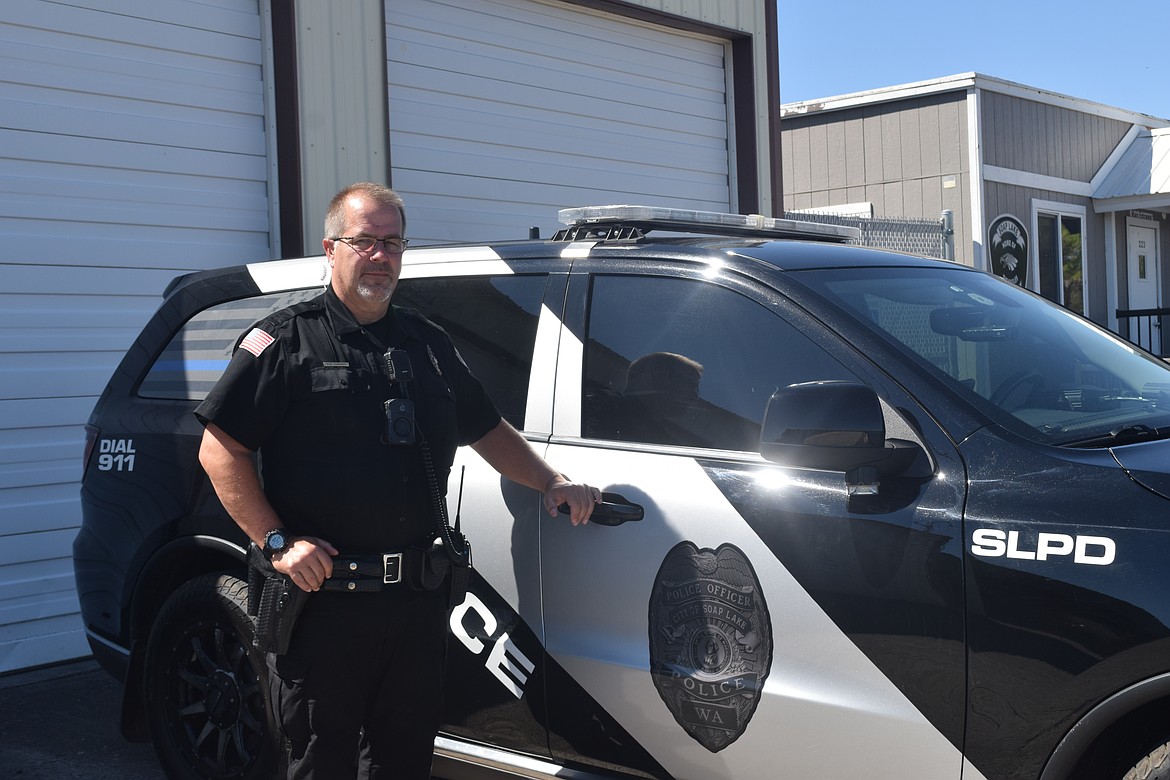
Think about the last time you saw a police officer with medals or badges displayed on their uniform. Those symbols tell a story of bravery, dedication, or exceptional service. They show you the officer has faced challenges and stood out in ways that merit special acknowledgment.
Types Of Police Decorations
Police decorations come in various forms, each highlighting different qualities and accomplishments. Some common types include:
- Medals of Valor:Awarded for acts of bravery in dangerous situations.
- Service Medals:Given for years of faithful service or completing specific missions.
- Commendation Bars:Recognize exceptional performance or contributions to a case or community.
- Unit Citations:Honor entire teams for outstanding work in particular operations.
- Life-Saving Awards:Presented to officers who have saved lives through quick action.
Each decoration carries its own significance and tells you something unique about the officer’s career.
Criteria For Receiving Honors
Not every officer receives decorations, so what does it take to earn them? The criteria are strict and often involve a formal review process. Here’s what typically matters:
- Exceptional Courage:Facing danger head-on while protecting others.
- Outstanding Performance:Going above and beyond in daily duties or specific cases.
- Length of Service:Demonstrating consistent dedication over many years.
- Community Impact:Making a positive difference beyond law enforcement tasks.
- Peer and Supervisor Recommendations:Recognition from fellow officers and leaders.
Have you ever wondered what motivates officers to push themselves beyond the call of duty? These awards often highlight that drive and remind us of the human stories behind the badge.
Common Police Awards
Police officers receive awards to honor their dedication and bravery. These awards recognize acts of courage, long service, and outstanding achievements. They highlight the commitment officers show to protect and serve their communities. Understanding common police awards helps appreciate the sacrifices officers make every day.
Medals For Bravery
Medals for bravery honor officers who risk their lives in dangerous situations. These awards celebrate acts of courage under fire or during emergencies. Officers may receive such medals for saving lives, stopping criminals, or facing threats head-on. Bravery medals are among the highest honors in law enforcement.
Service And Achievement Awards
Service and achievement awards recognize long-term dedication and special accomplishments. Officers earn these for years of service without incident or for completing important projects. These awards may also celebrate teamwork, leadership, or successful investigations. They show the officer’s commitment beyond daily duties.
Commendations And Citations
Commendations and citations highlight exceptional performance or helpful actions. These awards often come from supervisors or community leaders. They can recognize quick thinking, professionalism, or acts of kindness. Such honors boost morale and encourage officers to maintain high standards.
Process Of Awarding Honors
The process of awarding honors to police officers signifies recognition of their bravery or exceptional service. This process is meticulous and involves several stages to ensure fairness and integrity. Each stage plays a crucial role in identifying deserving officers for decorations.
Nomination Procedures
The journey begins with the nomination. Colleagues, superiors, or community members can nominate officers for their acts of valor or dedication. These nominations are usually accompanied by detailed accounts of the officer’s achievements. It’s essential to provide clear evidence to support the nomination, showcasing the officer’s contributions.
Review And Approval
Once nominated, a committee reviews the submissions. This committee is often composed of senior officials and experts in law enforcement. They examine the nominations thoroughly, assessing the merits and verifying the details. The approval process is rigorous to maintain the honor’s prestige. The committee ensures that the award goes to the most deserving individuals.
Presentation Ceremonies
A ceremony marks the final step in the awarding process. These events are significant and often attended by dignitaries and community leaders. During the ceremony, officers receive their medals or certificates. The presentation acknowledges their dedication publicly. It’s a moment of pride for the officers and their families, celebrating their contributions to society.
Impact On Police Officers
Being decorated has a deep impact on police officers. It affects their feelings, career, and how others see them. These awards show respect for their hard work and bravery. They boost confidence and inspire officers to keep doing their best.
Recognition And Morale
Decorations give officers clear recognition for their efforts. This recognition raises their morale and pride in their job. Feeling valued helps officers stay motivated. It also encourages teamwork and a positive work environment.
Career Advancement
Receiving a decoration can open doors to new career opportunities. It often leads to promotions or special assignments. Officers with awards show leadership and dedication. These qualities are important for moving up in the force.
Public Perception
Decorated officers gain trust and respect from the public. Awards highlight their commitment to safety and justice. This trust improves community relations. The public sees them as role models and heroes.
Historical Examples Of Decorated Officers
The history of decorated police officers is filled with stories of courage and dedication that continue to inspire. These honors are more than just medals; they represent moments when officers went beyond their duty to protect and serve. Understanding these historical examples helps you appreciate the real meaning behind being a decorated officer.
Notable Acts Of Valor
Some police officers have performed acts of bravery that saved lives in the most dangerous situations. One such example is the 1917 case of Sergeant Alvin C. York, who, although more famous for his military service, was also recognized for his early law enforcement bravery. York’s quick thinking and courage under fire stopped a violent confrontation in his community.
Another striking instance occurred in 1966, when Officer John S. Carmichael faced a heavily armed suspect alone. His calm and strategic approach prevented a potential massacre, earning him a prestigious medal of valor. These stories show how split-second decisions can change outcomes dramatically.
Famous Award Recipients
Many decorated officers have become well-known for their heroism and community impact. Take, for example, Officer Rosa Parks, whose refusal to give up her bus seat led to a significant civil rights movement, earning her posthumous honors. Her story reminds us that being decorated isn’t always about physical bravery but standing up for justice.
Detective Eliot Ness also stands out for his relentless fight against organized crime during Prohibition. His leadership and persistence earned him both awards and a lasting legacy. These famous recipients show you that decoration often reflects a deep commitment to duty and change.
Credit: www.halloweencostumes.com
Controversies And Misconceptions
Police officers receive decorations as a mark of honor for bravery, service, or achievement. Yet, these awards do not always escape criticism. Some controversies and misunderstandings surround what it truly means to be a decorated officer. These issues can affect public trust and the reputation of law enforcement.
Misuse Of Awards
Sometimes, police awards are given for reasons that seem unclear or unfair. Favoritism or politics can influence who gets decorated. This misuse causes doubt about the real value of these honors. It can also lower morale among officers who feel overlooked. True acts of courage might be overshadowed by awards given for less important reasons.
Public Skepticism
The public often questions the meaning behind police decorations. Stories of misconduct by decorated officers fuel this doubt. People wonder if awards hide serious problems within the force. This skepticism can make communities less trusting of law enforcement. Transparency about the award process is key to reducing these concerns.

Credit: www.facebook.com
Frequently Asked Questions
What Does It Mean When A Police Officer Is Decorated?
A decorated police officer has received official awards or honors. These recognize bravery, exceptional service, or significant achievements in their duty.
How Are Police Officers Chosen For Decorations?
Officers are selected based on merit, heroic acts, or outstanding service. Supervisors and committees review nominations before awarding decorations.
What Types Of Awards Can Police Officers Receive?
Awards include medals for bravery, commendations for service, and certificates for community involvement. Each reflects different aspects of police excellence.
Why Are Police Decorations Important For Officers?
Decorations boost morale, recognize dedication, and encourage professionalism. They also enhance the officer’s reputation within the department and community.
Conclusion
A decorated police officer shows courage and strong commitment. These honors highlight their hard work and bravery. Awards help the public see the true value of police service. Respect grows for officers who go beyond the call of duty. Understanding these honors builds trust between police and community.
It’s a sign of dedication and sacrifice in tough jobs. Recognizing heroes inspires others to serve with pride. This respect matters for safer, stronger neighborhoods everywhere.