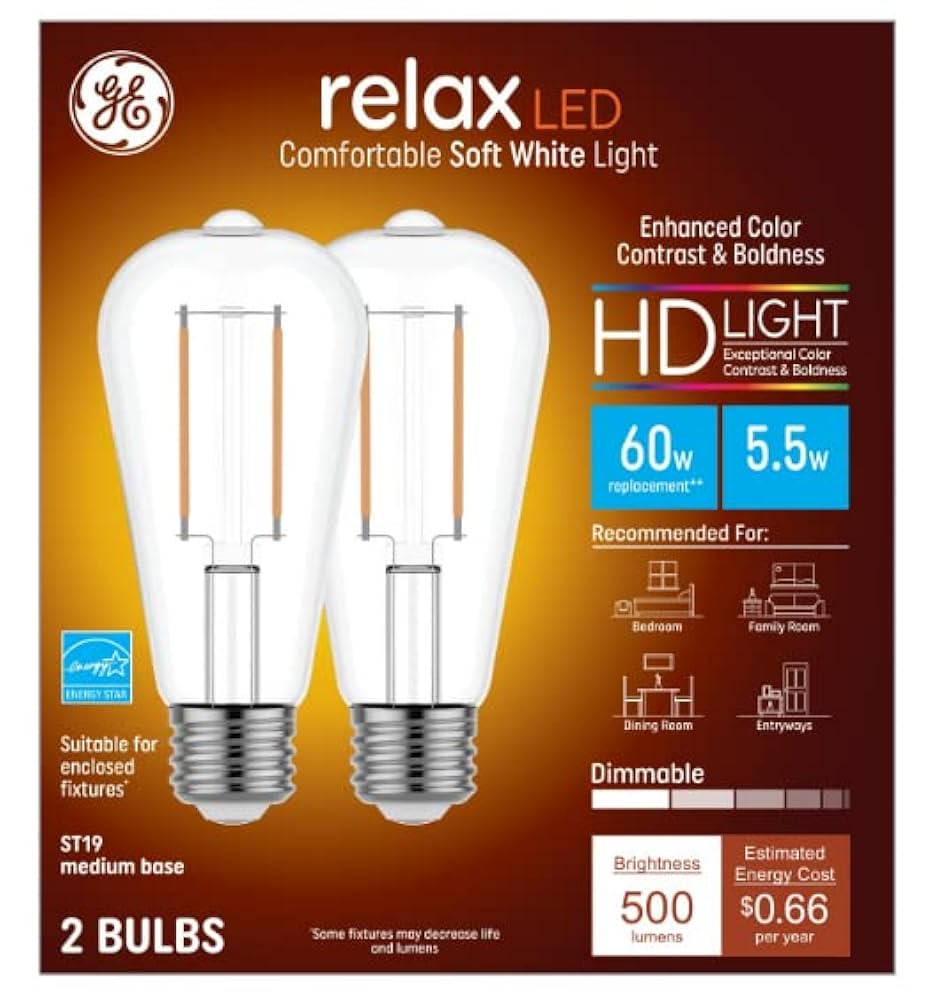
Are you wondering if your decorative lights can do more than just brighten up a room? Imagine setting the perfect mood with just a simple dimmer switch.
But are decorative lights dimmable? Knowing the answer can change how you use your lighting at home, making your space more cozy, relaxing, and even energy-efficient. Keep reading to discover everything you need to know about dimming decorative lights and how it can transform your living space.

Credit: www.amazon.com
Types Of Decorative Lights
Decorative lights come in many styles, each offering a unique way to brighten your space. Choosing the right type depends on your room’s vibe and how much control you want over the lighting. Let’s look at some popular types and what makes them stand out.
Led String Lights
LED string lights are incredibly versatile and energy-efficient. They often come with dimmable options, allowing you to adjust brightness to match your mood or occasion.
You can use them indoors or outdoors, wrapping them around furniture or hanging them on walls. Have you tried dimming string lights during a cozy evening? It changes the whole atmosphere.
Fairy Lights
Fairy lights are smaller and more delicate than typical string lights. They add a soft, twinkling effect that’s perfect for bedrooms or intimate gatherings.
Many fairy lights support dimming, but it’s important to check the product details. Using a dimmer switch can help create a magical ambiance that’s gentle on the eyes.
Pendant Lights
Pendant lights hang from the ceiling and serve as both functional and decorative pieces. They often come with dimmable bulbs, giving you control over the room’s brightness.
Think about your kitchen or dining area—dimming pendant lights can set a calm tone for dinner or brighten up the space for cooking. Are your pendant lights dimmable to suit different activities?
Chandeliers
Chandeliers are statement pieces that add elegance to any room. Most modern chandeliers use LED or incandescent bulbs that are compatible with dimmers.
Adjusting the chandelier’s brightness can transform a formal dining room into a relaxed hangout spot. Do you know if your chandelier supports dimming to match your lifestyle?
How Dimming Works
Understanding how dimming works can enhance the ambiance of any space. Dimmable lights allow you to control brightness, creating the perfect atmosphere for any occasion. Whether you’re relaxing or working, dimming technology adapts to your needs.
Basic Dimming Technology
Dimmers work by adjusting the electrical current flowing to a light bulb. This changes the brightness without altering the color. Most dimmers use a TRIAC switch to cut the power at the start of each AC cycle. The longer the power is off, the dimmer the light becomes.
Modern dimmers often use digital technology for smoother operation. These can adjust brightness with precision, offering a wide range of light levels. You can control them via switches, remote controls, or even smart apps.
Compatibility With Light Fixtures
Not all light fixtures are compatible with dimmers. Traditional incandescent bulbs work well with most dimmers. LED and CFL bulbs require specific dimmable versions to function correctly.
Check if your fixture supports dimming before installing a dimmer switch. Using an incompatible bulb can lead to flickering or damage. Consult the manufacturer’s guidelines for compatibility information.
Some fixtures require a specific dimmer type to function. Matching the dimmer and bulb type ensures smooth operation and prevents issues.
Dimmable Vs Non-dimmable Lights
Choosing between dimmable and non-dimmable decorative lights can change how you experience your space. Understanding the differences helps you pick the right option for your needs and preferences. Let’s break down what sets these two types apart and how they affect your lighting experience.
Key Differences
Dimmable lights allow you to adjust brightness levels, while non-dimmable lights only have one fixed brightness. Dimmable bulbs require compatible fixtures or dimmer switches to function correctly. Non-dimmable lights are typically simpler to install and often cost less upfront.
Think about your lighting setup. Do you want full control over brightness or just a straightforward option? This choice impacts your flexibility and how you use your decorative lights.
Impact On Ambiance
Dimmable lights give you the power to create different moods. You can brighten up a room for activities or soften the light for relaxation. Non-dimmable lights provide consistent illumination but lack that customizable touch.
Imagine hosting a dinner party. Dimming the lights can make your space feel cozy and inviting. Would you prefer that level of control, or is a steady brightness enough for your style?
Energy Efficiency
Dimming lights often reduces energy consumption since lower brightness means less power used. Non-dimmable lights run at full power all the time, which can lead to higher energy bills. However, the actual savings depend on how often and how much you dim your lights.
Have you noticed any difference in your electricity bill after switching to dimmable lights? Using dimmable bulbs smartly can save money while enhancing your lighting experience.

Credit: www.amazon.com
Choosing The Right Dimmer Switch
Choosing the right dimmer switch is key to enjoying your decorative lights fully. The right dimmer helps control brightness and sets the perfect mood. It also protects your lights from damage. Picking the wrong dimmer can cause flickering or shorten bulb life. Understanding dimmer types and matching them to your lights keeps everything working smoothly.
Types Of Dimmer Switches
Dimmer switches come in various styles. The most common types include:
- Rotary dimmers: Turn a knob to adjust light levels.
- Slide dimmers: Slide a control up or down for brightness.
- Touch dimmers: Tap or swipe to change light intensity.
- Smart dimmers: Use apps or voice commands for control.
Each type offers different control and installation ease. Choose one that fits your style and setup.
Matching With Light Types
Not all dimmers work with every light bulb. Check your bulbs before buying a dimmer. Common bulb types include:
- Incandescent and halogen bulbs: Work well with most dimmers.
- LED bulbs: Need LED-compatible dimmers for smooth dimming.
- CFL bulbs: Require dimmers made for CFLs to avoid flicker.
Using the correct dimmer prevents flickering and extends bulb life. Always match your dimmer to your decorative light type for best results.
Common Issues With Dimmable Decorative Lights
Dimmable decorative lights can completely change the vibe of your space, but they often come with a few hiccups. Understanding common issues helps you avoid frustration and get the most out of your lighting. Let’s look at some problems you might face and how to handle them.
Flickering And Buzzing
Have you noticed your decorative lights flickering or making a buzzing sound? This usually happens when the dimmer switch and the bulbs aren’t perfectly matched. LED bulbs, for example, can flicker if the dimmer is designed for incandescent lights.
Sometimes, flickering occurs because the bulb is defective or nearing the end of its life. Buzzing often results from electrical interference or low-quality dimmers. You can test different bulbs or upgrade your dimmer to a model compatible with your lights.
Compatibility Problems
Not all decorative lights work well with every dimmer. Mixing incompatible bulbs and dimmers can cause poor dimming performance or even damage your lights. Always check the packaging or product details for compatibility information.
Smart bulbs, for example, often require specific dimmers or apps to function properly. Have you ever bought a dimmer only to find it didn’t work as expected? Reading reviews and product specs beforehand can save you time and money.
Installation Tips
Proper installation is key to avoiding issues with dimmable decorative lights. Make sure to turn off the power before working on your wiring to stay safe. Secure connections and avoid loose wires, which can cause flickering or buzzing.
If you’re unsure about electrical work, consider hiring a professional. Also, pairing your bulbs with the right dimmer switch from the start can prevent headaches later. What’s your experience with installing dimmable lights—smooth or tricky?
Benefits Of Using Dimmable Decorative Lights
Dimmable decorative lights offer several advantages that enhance both ambiance and functionality. They allow users to control brightness levels easily. This flexibility makes any space more comfortable and inviting. The ability to adjust light intensity benefits mood, energy use, and bulb longevity. Here are some key benefits of using dimmable decorative lights.
Mood Enhancement
Dimmable lights create the perfect atmosphere for any occasion. Lower light levels bring calmness and relaxation. Brighter settings help with focus and energy. Adjusting light intensity matches your mood and activity. This control makes spaces feel warm and cozy or bright and lively. The right lighting improves comfort and emotional well-being.
Energy Savings
Using dimmable lights reduces electricity consumption. Lower brightness means less power is used. This leads to lower energy bills over time. It also supports eco-friendly living by reducing waste. Dimming lights helps save money and protects the environment. Small changes in brightness add up to significant savings.
Extended Bulb Life
Running lights at lower levels reduces stress on bulbs. This decreases heat and wear inside the bulb. The result is a longer lifespan for each bulb used. Less frequent replacements mean fewer expenses and less waste. Dimmable lights help you get more value from your lighting investment. They keep your space well-lit for a longer time.
Safety Considerations
Safety is key when using dimmable decorative lights. Proper care prevents hazards and extends light life. Understanding electrical limits and installation steps is essential for safe use.
Electrical Load Limits
Each dimmer switch has a maximum electrical load it can handle. Exceeding this limit can cause overheating or fire risks. Check the wattage rating of all connected lights. Add up the total wattage to ensure it stays below the dimmer’s limit.
Use bulbs that match the dimmer’s specifications. LED and incandescent bulbs often require different dimmers. Avoid mixing incompatible bulbs on the same circuit. This reduces flickering and damage risks.
Proper Installation Practices
Install dimmable decorative lights following manufacturer instructions. Turn off power before starting any electrical work. Use insulated tools and wear safety gloves to prevent shocks.
Secure all wiring connections tightly. Loose wires can cause sparks or short circuits. Use approved electrical boxes and covers for all fixtures. Test the dimmer switch after installation to confirm smooth operation.

Credit: www.amazon.com
Future Trends In Decorative Lighting
Decorative lighting is evolving rapidly, blending style with technology. Future trends promise more control, efficiency, and personalization. These advancements aim to enhance ambiance and user experience. Expect lights that adapt to moods, settings, and daily routines.
Smart Lighting Integration
Smart lighting connects decorative lights to home systems. Users control lights via smartphones or voice commands. Scheduling and automation become simple and flexible. Lights can sync with music, weather, or time of day. This integration allows personalized lighting scenes for every moment.
Advanced Dimming Features
Dimming technology is becoming more precise and versatile. New dimmers offer smooth transitions and multiple brightness levels. Some systems adjust color temperature with dimming to set moods. Energy savings improve with smarter dimming controls. These features make decorative lights more functional and enjoyable.
Frequently Asked Questions
Are Decorative Lights Usually Dimmable?
Many decorative lights are dimmable, but not all. Check the product specifications to confirm dimming compatibility before purchase.
How Can I Tell If My Decorative Lights Are Dimmable?
Look for labels like “dimmable” on packaging or product descriptions. Manufacturer details often specify dimming capabilities clearly.
What Types Of Dimmers Work With Decorative Lights?
LED-compatible dimmers are best for most decorative lights. Using the wrong dimmer can cause flickering or damage.
Can I Use Regular Dimmers With Led Decorative Lights?
No, regular dimmers may not work well with LED lights. Always use dimmers designed for LED technology to ensure performance.
Conclusion
Decorative lights can often be dimmable, but check product details first. Choosing the right dimmer switch matters for smooth light control. Not all bulbs work with dimmers, so confirm compatibility. Dimming lights helps set mood and save energy. Simple steps ensure your decorative lights brighten your space just right.