Your living room is more than just a space—it’s where you relax, entertain, and express your style. But how you place wall decor can completely change the vibe of the room.
Imagine walking into your living room and feeling instantly inspired or calm, simply because of how your walls are dressed. You might think it’s tricky to get right, but with a few simple tips, you can turn your walls into a stunning focal point that reflects your personality.
Ready to discover how to place wall decor in your living room like a pro? Keep reading, and you’ll learn easy steps to create a space you’ll love coming back to.

Credit: thecopperwolf.com
Choosing The Right Wall Art
Choosing the right wall art transforms your living room. It sets the mood and reflects your style. The perfect piece creates harmony between the space and your personality.
Consider how art works with your room’s design. Think about colors, themes, and size. These factors help your wall decor stand out beautifully.
Matching Art With Room Style
Match the art style with your living room design. A modern room suits abstract or minimal art. Traditional spaces pair well with classic paintings or landscapes.
Keep the overall vibe consistent. Avoid mixing styles that clash. This keeps your living room balanced and inviting.
Selecting Colors And Themes
Choose colors that complement your room’s palette. Use art to add a splash of color or keep it neutral. Themes should fit your taste and the room’s mood.
Think about the feeling you want to create. Calming colors work well in relaxing spaces. Bright colors energize and add excitement.
Considering Scale And Proportion
Size matters for wall art. Large walls need bigger pieces or groupings. Small walls suit smaller, simpler art.
Keep the art proportionate to furniture and wall space. Too big or small can feel awkward. Proper scale creates a pleasing look and feel.
Creative Arrangement Ideas
Decorating your living room walls can transform the entire space, adding personality and style. Creative arrangement ideas can turn ordinary wall decor into a statement piece that reflects your taste and enhances the ambiance. Let’s dive into some imaginative ways to arrange your wall decor, ensuring each piece finds its perfect place.
Gallery Wall Layouts
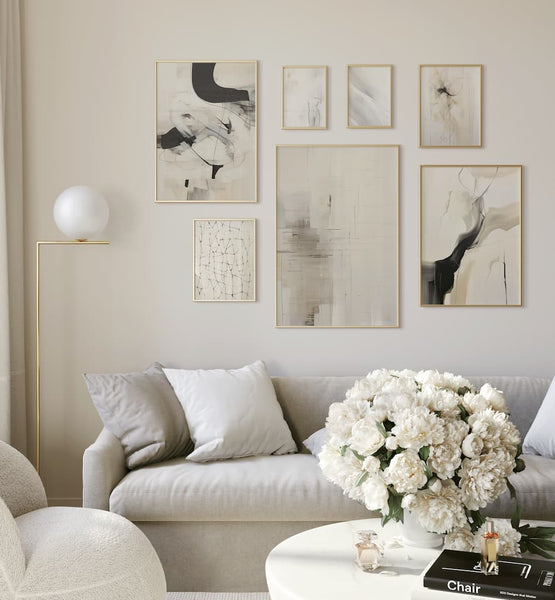
Creating a gallery wall is like curating your personal art exhibition. Start by laying out your pieces on the floor to visualize the arrangement. Consider mixing sizes and orientations to create visual interest.
- Arrange larger frames in the center, anchoring the design.
- Fill gaps with smaller pieces to maintain balance.
- Add a splash of color or a unique art piece for a focal point.
Remember, your gallery wall should tell a story. Whether it’s family photos, art prints, or a mix of both, choose pieces that resonate with you.
Symmetrical Vs Asymmetrical Designs
Choosing between symmetrical and asymmetrical designs can change the entire vibe of your living room. Symmetrical arrangements offer a sense of order and balance, perfect for a formal setting.
- Position identical frames evenly on either side of a focal point.
- Maintain equal spacing between frames for a clean look.
Asymmetrical designs, on the other hand, embrace a more eclectic feel. Mix different frame sizes and shapes for a dynamic look.
- Play with spacing to create a sense of movement.
- Use odd numbers of frames for a more relaxed aesthetic.
Which style speaks to your personality?
Mixing Frames And Materials
Mixing frames and materials can add depth and texture to your wall decor. Blend metal, wood, and glass frames to create an intriguing visual tapestry.
- Combine rustic wooden frames with sleek metal ones for contrast.
- Incorporate mirrors to add light and space.
Experiment with different finishes and textures. A matte frame paired with a glossy one can create striking contrast.
Consider what mood you want to evoke in your living room. Do you prefer a cozy, warm atmosphere or a modern, minimalist vibe? Your choice of frames and materials can make all the difference.
Incorporating Mirrors And Sculptures
Adding mirrors and sculptures to your living room walls can transform the space in surprising ways. These elements don’t just fill empty spots; they bring dimension, light, and personality. Let’s look at how you can use these pieces effectively to uplift your room’s vibe.
Enhancing Light With Mirrors
Mirrors reflect natural and artificial light, making your living room feel brighter and more open. Placing a large mirror opposite a window can double the daylight and create a welcoming atmosphere. You might try leaning a mirror against the wall for a casual look or hanging one with an interesting frame to add style.
Think about the size and shape of your mirror—round mirrors soften sharp angles, while rectangular ones add structure. Have you noticed how some rooms instantly seem larger? That’s the magic of mirror placement.
Using Wall Sculptures For Texture
Wall sculptures introduce texture that breaks the flatness of painted walls. They can be made from metal, wood, or even fabric, each material adding a unique tactile quality. A metal sculpture can bring a modern edge, while wooden pieces offer warmth and organic appeal.
Try grouping smaller sculptures together to create a visual story or opt for one large statement piece to anchor the room. Textured art invites touch and curiosity—do you find yourself drawn to walls that feel alive?
Balancing Decorative Elements
When combining mirrors and sculptures, balance is key. Avoid crowding one wall with too many heavy pieces; instead, spread them out to maintain harmony. You can pair a mirror with a sculpture on an adjacent wall to create a dynamic yet cohesive look.
Consider the colors and finishes too. A shiny mirror frame might clash with a rustic sculpture unless you tie them together with other room elements, like cushions or rugs. What’s your favorite way to mix different styles without overwhelming the space?

Credit: www.ballarddesigns.com
Utilizing Wall Decals And Murals
Wall decals and murals offer a fresh way to decorate your living room walls. They bring personality and style without heavy commitment. These elements can transform plain walls into striking features. Their versatility suits many decorating styles and room sizes.
Choosing Removable Options
Removable decals and murals allow easy changes. They stick well but peel off without damage. This is perfect for renters or frequent redecorators. Choose materials labeled as vinyl or static cling. Test a small area before full application. This avoids sticky residue or paint peeling.
Creating Focal Points
Use large murals or bold decals to draw eyes. Place them behind furniture or on empty walls. This adds depth and interest to the room. Pick designs that reflect your taste or theme. Nature scenes, geometric shapes, or abstract art work well. Balance the size with other wall elements.
Combining With Other Decor
Mix decals or murals with framed art or shelves. This builds layers and texture on your walls. Match colors or themes for a cohesive look. Small decals can enhance gallery walls with photos. Use murals as backdrops for wall-mounted plants or lights. This creates a lively and inviting space.
Placement Tips For Different Wall Types
Placing wall decor effectively depends a lot on the type of wall you’re working with. Different walls offer unique opportunities to highlight your style and enhance the room’s vibe. Understanding how to approach each wall type can transform your living room from ordinary to inviting.
Decorating Above The Sofa
The space above your sofa is prime real estate for wall decor. Choose artwork or a gallery of photos that fit the sofa’s width—too small, and it looks lost; too large, and it overwhelms the space.
Try hanging pieces about 6 to 12 inches above the sofa back to keep the flow natural. If you have a narrow sofa, a single large piece can make a bold statement. For wider sofas, a series of smaller frames arranged symmetrically or asymmetrically works well.
Utilizing Empty Corners
Empty corners often get overlooked but are perfect spots for vertical art or sculptural pieces. Tall, narrow wall decor like metal art or hanging plants can add dimension without crowding the space.
Consider shelves or corner-mounted frames to make the most of these tricky areas. Are you making your corners work hard enough to add character to your living room?
Highlighting Accent Walls
Accent walls offer a focused backdrop to showcase your most striking pieces. Whether painted a bold color or textured with wallpaper, these walls can support large-scale art or a carefully curated collection.
Balance the intensity of the accent wall with the decor’s size and color. Too many items can compete with the wall, while a single standout piece can create a powerful focal point. How can your accent wall tell a story without overcrowding?
Layering Wall Decor With Shelves
Layering wall decor with shelves transforms your living room walls from flat and plain to dynamic and personalized. Shelves give you the freedom to mix and match different elements without committing to permanent placements. This flexibility lets you refresh your space regularly and keeps your decor feeling lively and unique.
Displaying Art And Accessories
Use shelves to showcase art pieces that speak to your style. Lean framed prints or small canvases against the wall for a casual look that invites change. Combine these with meaningful accessories like vintage cameras, sculptural objects, or travel souvenirs to tell your story visually.
Try grouping items in odd numbers and varying heights. This avoids a cluttered look and helps each piece stand out. You might be surprised how a simple shelf can become a gallery of your favorite things.
Adding Plants And Books
Greenery brings life to any room, and shelves are perfect for displaying plants without taking up floor space. Mix plants of different sizes and leaf shapes to add texture and freshness. Pair them with books that reflect your interests or favorite colors to create a balanced look.
Think about how you arrange books—stack some horizontally and stand others upright. This creates visual breaks and keeps your shelves from looking too uniform. Have you noticed how a bit of green can brighten a whole corner?
Creating Depth And Interest
Layering means placing items at various depths to catch the eye. Place taller objects at the back and smaller ones in front to build dimension. This technique draws you in, making the wall feel more like a curated display than just storage.
Play with materials and textures—mix ceramics, metals, and wood for contrast. This variety keeps your shelf interesting and invites closer inspection. What small changes can you make today to turn your shelf into a focal point?
Maintaining Balance And Harmony
Maintaining balance and harmony in living room wall decor creates a peaceful and inviting space. It helps the room feel organized and comfortable. Thoughtful placement of wall art and decorations enhances the room’s style without overwhelming it. Balance in decor supports a sense of calm and order, making the living room a place to relax and enjoy.
Avoiding Clutter
Too many items on the wall can make the room feel crowded. Choose a few key pieces to display. Keep spaces between decorations to let each piece breathe. Avoid placing items too close together. This prevents visual chaos and allows the eye to rest.
Focusing On Visual Flow
Arrange wall decor to guide the eye naturally around the room. Use shapes and sizes that complement each other. Align pieces along a horizontal or vertical line for smooth transitions. This creates a sense of movement and connection among decorations.
Adapting To Room Size
Choose wall decor based on the size of your living room. Large rooms can handle bigger or multiple pieces. Small rooms work best with fewer, smaller decorations. Match the scale of your decor to the room size for a balanced look.

Credit: www.willowbloomhomeblog.com
Frequently Asked Questions
How Do I Choose The Right Wall Decor For My Living Room?
Select wall decor that matches your room’s color scheme and style. Consider size, theme, and personal taste. Balance large pieces with smaller ones for visual appeal.
Where Should I Place Wall Art In The Living Room?
Place wall art at eye level, centered above key furniture like sofas. Leave enough space around it to avoid clutter. Use symmetry or asymmetry for balance.
What Types Of Wall Decor Suit Small Living Rooms?
Use mirrors to create an illusion of space. Opt for minimalist art or small gallery walls. Avoid oversized pieces to keep the room open and airy.
How Can I Create A Focal Point With Wall Decor?
Choose one large statement piece or a group of coordinated smaller items. Position it above the sofa or fireplace. Use lighting to highlight the focal decor.
Conclusion
Placing wall decor in your living room adds personality and warmth. Choose pieces that match your style and room size. Balance colors and shapes to create harmony on your walls. Remember, less can be more for a clean look. Take your time arranging items to find the best fit.
Well-placed decor makes your living space inviting and cozy. Enjoy the process of making your walls reflect who you are.