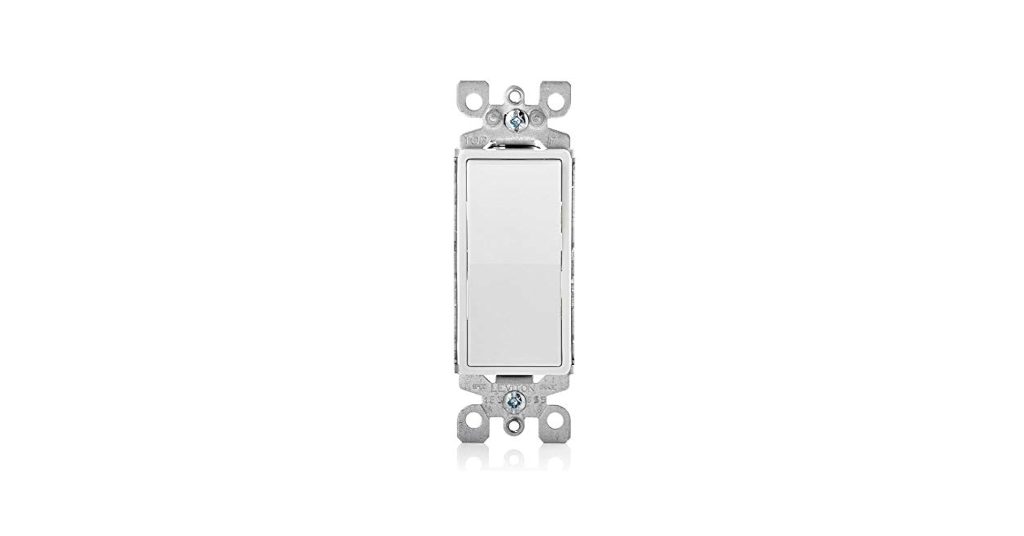
Have you ever stumbled in the dark, searching for a light switch only to miss it completely? A Lighted Decorator Switch could be the simple fix you didn’t know you needed.
It’s more than just a switch—it’s a smart, stylish upgrade that makes your home easier to navigate and looks great too. You’ll discover exactly what a Lighted Decorator Switch is, why it matters for your space, and how it can make your daily life just a little bit brighter.
Keep reading to find out how this small change can make a big difference for you.
Lighted Decorator Switch Basics
Understanding the basics of a lighted decorator switch can change how you approach your home lighting setup. These switches not only control your lights but also add a visual cue that helps you find the switch easily in the dark. Let’s break down what makes these switches special and how they function.
Design And Appearance
Lighted decorator switches come with a sleek, modern look that fits well in any room. Unlike traditional toggle switches, they have a flat, rectangular shape that adds a clean and stylish touch to your walls.
The light feature is usually a small LED or neon indicator that glows softly when the switch is off or on, depending on the model. This glow acts as a guide, helping you locate the switch without fumbling around.
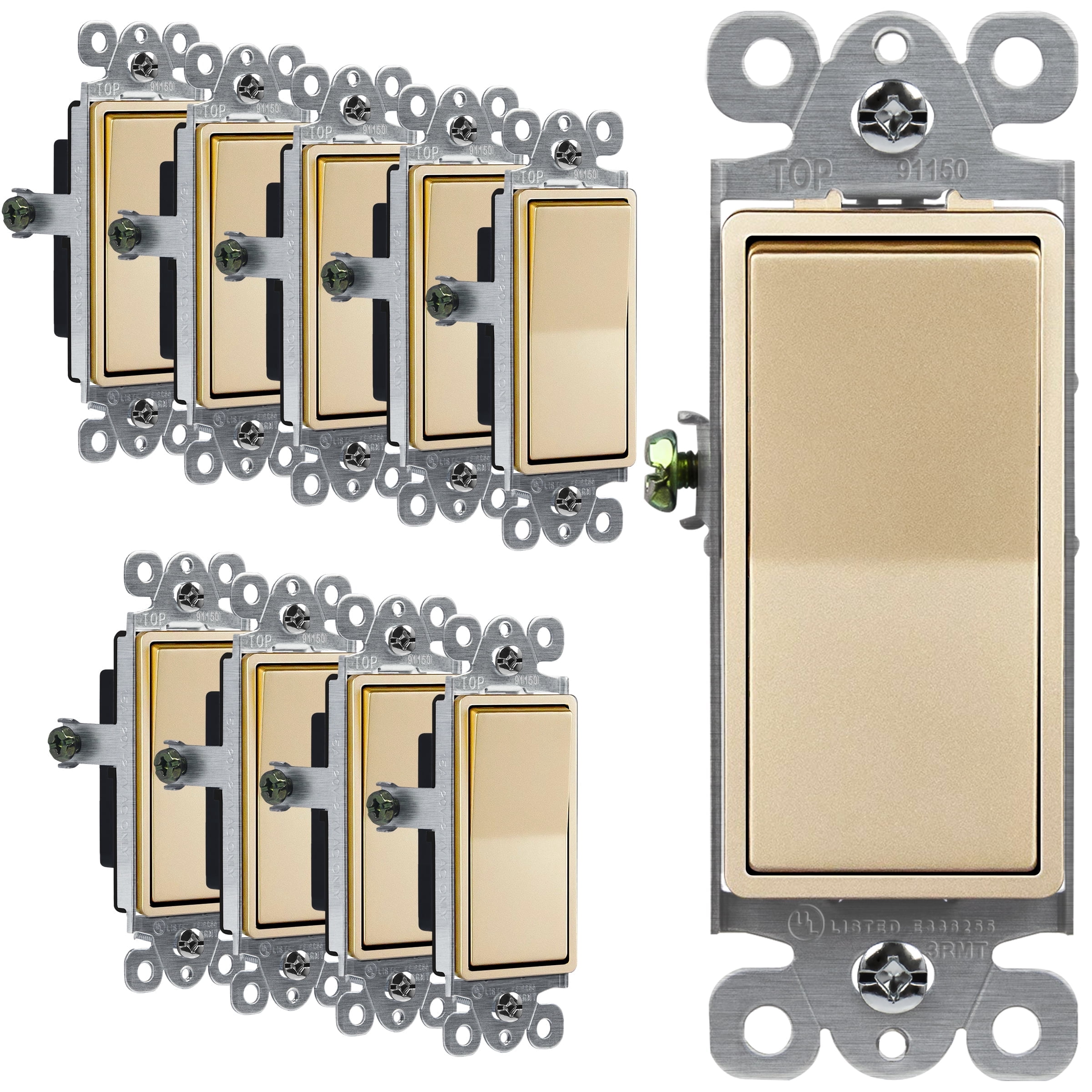
You can find these switches in various colors and finishes, from classic white to brushed nickel, making it easy to match your home décor.
How It Works
The lighted decorator switch contains a tiny light built into the switch itself. This light is powered by a small amount of current that flows through the switch even when it’s off.
When the switch is off, the light glows softly to show you where it is. When it’s on, the light usually turns off or changes brightness, signaling that the connected light fixture is active.
This simple mechanism helps prevent you from stumbling in the dark and adds a layer of convenience, especially in hallways and bathrooms.

Credit: www.amazon.com
Key Features
Lighted decorator switches are popular in modern homes. They offer convenience and style. Let’s explore their key features that make them stand out.
Illumination Types
These switches come with various illumination options. Some use LED lights for energy efficiency. Others might have incandescent bulbs for a softer glow. The light helps locate the switch in the dark. It adds an attractive element to the room.
Switch Mechanism
The switch mechanism is smooth and reliable. Most have a simple toggle or rocker action. This ensures ease of use for everyone. They are designed for frequent use without wear. Quality mechanisms ensure long-lasting performance.
Material And Finish Options
Lighted decorator switches are available in multiple materials. Common choices include plastic and metal. Finish options vary widely, from matte to glossy. These options suit various interior styles. The right material enhances durability and aesthetics.
Advantages Of Lighted Switches
Lighted decorator switches offer several benefits that make them a smart choice for homes and offices. They improve usability and add value without much effort. These switches combine function and style to enhance everyday living spaces.
Enhanced Visibility
Lighted switches glow softly in the dark. This glow helps users find the switch easily at night. No more fumbling around or turning on bright lights. They guide you to the switch without disturbing others. This feature is useful in bedrooms, hallways, and bathrooms.
Safety Benefits
Lighted switches reduce the chance of accidents. Clear visibility helps avoid tripping or bumping into furniture. They also make it easier to turn off appliances quickly. This can prevent electrical hazards. Lighted switches are especially helpful for children and elderly people.
Aesthetic Appeal
These switches add a modern look to any room. The soft light creates a warm and inviting atmosphere. They come in various colors and styles to match decor. Lighted switches blend functionality with design, improving room aesthetics. They give a subtle, stylish touch to walls.
Common Uses
Lighted decorator switches add a visible indicator to wall switches. They glow or light up to show the switch status. This feature makes them useful in many places. Knowing where the switch is in the dark helps users. These switches blend functionality with style. Below are common places where lighted decorator switches are used.
Residential Applications
Homeowners use lighted decorator switches in many rooms. They help find switches easily at night. Common spots include:
- Hallways and staircases for safe navigation
- Bedrooms for easy switch location in the dark
- Bathrooms where lighting is often dim
- Living rooms for style and function
- Garages and basements with low light
They also help guests and family members avoid fumbling in the dark.
Commercial Settings
Businesses use these switches to improve safety and convenience. Their glowing feature helps staff and customers find switches fast. Common commercial uses include:
- Office buildings to mark light controls in corridors
- Hotels for guest room lighting
- Restaurants for ambiance control
- Retail stores to highlight key lighting zones
- Public restrooms for easy switch access
Lighted switches reduce accidents and enhance user experience in busy places.
Specialty Installations
Certain areas need special switch solutions. Lighted decorator switches fit well in these spots. Examples include:
- Home theaters where lights stay dim
- Outdoor patios and decks for nighttime use
- Workshops and garages with low or no natural light
- Smart home systems needing visual feedback
- Medical and care facilities for quick switch identification
They combine safety and style for unique lighting needs.
Installation Tips
Installing a lighted decorator switch can enhance your home’s functionality and style, but it requires careful attention to detail. Proper installation ensures the switch works safely and effectively, giving you that convenient illuminated glow. Here are some key tips to keep in mind during installation.
Wiring Considerations
Before you begin, always turn off the power at the circuit breaker to avoid any risk of electric shock. Identify the line (hot) wire, load wire, neutral wire, and ground wire clearly—this is crucial for connecting the switch correctly.
Lighted decorator switches often require a neutral wire to complete the circuit for the internal light. Not all older homes have a neutral wire in the switch box, so check your wiring setup beforehand. If your box lacks a neutral, you may need to consult an electrician or choose a different switch type.
Compatibility With Fixtures
Not every lighted switch works with every type of fixture. LED and CFL bulbs, for instance, might cause flickering or dim illumination if the switch isn’t compatible. Check the switch specifications to ensure it supports the bulb type you plan to use.
Additionally, some switches are designed specifically for single-pole setups, while others support three-way or multi-location wiring. Matching the switch’s compatibility with your fixture’s wiring setup can save you from frustrating troubleshooting later.
Safety Precautions
Safety should always be your top priority. Use a voltage tester to confirm the power is off before touching wires. Wear insulated gloves and use tools with insulated handles to minimize shock risks.
Ensure all wire connections are secure and use wire nuts rated for the wire gauge. Loose connections can cause overheating or electrical fires. Finally, don’t hesitate to call a professional if you feel unsure at any point during the installation.

Credit: www.amazon.com
Maintenance And Troubleshooting
Maintaining a lighted decorator switch ensures it works smoothly and lasts longer. Troubleshooting helps find and fix small issues quickly. Proper care keeps your switch looking good and functioning well.
Cleaning Guidelines
Turn off power before cleaning the switch. Use a soft, dry cloth to wipe the surface gently. Avoid harsh cleaners or water to prevent damage. Clean regularly to remove dust and grime. Keep the switch dry to avoid electrical problems.
Replacing Bulbs Or Leds
Switch off the power at the breaker box. Remove the switch cover carefully. Identify the bulb or LED type used in the switch. Replace with the exact match to ensure proper function. Reassemble the cover and restore power. Test the light to confirm it works.
Addressing Common Issues
If the light does not turn on, check the bulb first. Inspect wiring connections for loose or damaged wires. Tighten any loose screws on the switch plate. Reset the circuit breaker if the switch has no power. Replace the switch if problems persist. Consult a professional for complex electrical faults.
Comparing Lighted Switches To Standard Switches
Comparing lighted decorator switches to standard switches reveals clear differences that affect your choice for home or office lighting. While both serve the basic function of turning lights on and off, the lighted versions add features that can impact cost, performance, and user experience. Understanding these differences can help you decide which switch suits your needs best.
Cost Differences
Lighted switches usually cost more upfront than standard switches. The built-in indicator lights and extra wiring complexity add to the manufacturing price.
Standard switches tend to be budget-friendly and easy to replace, making them appealing if you want a simple solution. However, the extra cost of lighted switches can be justified by their added convenience, especially in dimly lit areas.
Performance Factors
Lighted switches require a small amount of power to illuminate the indicator light, even when the switch is off. This means a minimal, continuous energy use that standard switches don’t have.
On the upside, the glow helps you find the switch easily in the dark, reducing fumbling and potential accidents. Standard switches, while energy-efficient, don’t offer this visible cue, which can be inconvenient at night.
User Experience
Using a lighted decorator switch can feel more intuitive. The illuminated feature guides you directly to the switch, especially in unfamiliar rooms or during power outages.
People often mention how much they appreciate the subtle glow when waking up at night—it’s like having a built-in nightlight. Standard switches, by contrast, require you to search by touch or memory, which can be less user-friendly.
Energy Efficiency And Environmental Impact
Understanding the energy efficiency and environmental impact of a lighted decorator switch helps you make smarter choices for your home. These switches not only add convenience but also influence your overall energy use and carbon footprint. Let’s break down how they perform in real life and what benefits they offer.
Led Vs Incandescent Lighting
Lighted decorator switches often use LED or incandescent bulbs to illuminate the switch itself. LED lights consume much less energy compared to incandescent bulbs. For example, an LED indicator might use just 0.5 watts, while an incandescent one could use 3 to 5 watts.
You might notice LED lights stay cooler and last significantly longer. This reduces the hassle and cost of frequent replacements. Have you ever had to change a tiny bulb inside a switch? LEDs save you from that frequent chore.
Power Consumption
Power consumption in lighted switches varies but generally remains low. LED-lit switches typically draw minimal standby power, sometimes less than 1 watt. Incandescent-lit switches, on the other hand, can use several watts continuously, which adds up over time.
Imagine your home with 20 switches using incandescent lights. The extra energy use becomes noticeable on your electricity bill. Switching to LED-lit decorator switches can cut that wasted energy drastically.
Sustainability Benefits
Choosing lighted decorator switches with LED lighting supports sustainability efforts. Less energy use means fewer greenhouse gas emissions from power plants. You contribute to reducing pollution simply by picking a more efficient switch.
Additionally, LEDs contain no hazardous materials like mercury, making disposal safer. This small choice impacts the environment more than many realize. How often do you consider the eco-friendliness of your light switches?
Popular Brands And Models
Choosing the right lighted decorator switch can transform how you control lighting in your space. Knowing the popular brands and models helps you find switches that match your style, budget, and technical needs. Let’s look at some trusted names and what they offer.
Top Market Options
- Lutron– Known for reliable and stylish switches, Lutron offers models like the Maestro and Caséta that combine ease of use with smart home compatibility.
- Leviton– Leviton’s Decora series is a favorite for its durability and wide range of colors and designs, including lighted versions that help you find switches in the dark.
- GE– GE’s line includes affordable lighted decorator switches with simple installation and solid performance, ideal for basic home upgrades.
- Pass & Seymour– This brand offers premium decorator switches with advanced features like dimming and indicator lights for enhanced control.
Feature Comparisons
| Brand | Smart Features | Design Options | Installation Type | Light Indicator Type |
|---|---|---|---|---|
| Lutron | Yes, with wireless control | Multiple colors, sleek style | Standard and multi-way | LED |
| Leviton | No (basic models) | Wide color range | Standard, three-way | Neon or LED |
| GE | No | Limited colors | Standard | Neon |
| Pass & Seymour | Some models with dimming | Professional look | Standard, multi-way | LED |
Price Ranges
Prices vary depending on brand and features. Basic lighted decorator switches start around $8 to $15. Mid-range options with better design and durability often cost between $15 and $30. High-end or smart-enabled switches can run from $30 up to $60 or more.
Think about what you need: Do you want a simple illuminated switch to help you find it at night? Or do you want smart features that let you control lights remotely? Your choice will affect which brand and price range fits you best.
Credit: www.walmart.com
Frequently Asked Questions
What Is A Lighted Decorator Switch?
A lighted decorator switch is a wall switch with a built-in indicator light. It shows whether the switch is on or off. This helps users easily locate the switch in the dark. It also adds a modern look to home lighting controls.
How Does A Lighted Decorator Switch Work?
The switch contains a small LED or neon light. When the switch is off, the light glows softly to indicate its location. When the switch is on, the indicator light usually turns off or dims. This design improves usability and safety in low light.
Where Can I Use A Lighted Decorator Switch?
Lighted decorator switches are ideal for bedrooms, hallways, and staircases. They help find switches easily at night without turning on bright lights. They work well in homes, offices, and commercial buildings for convenience and style.
Are Lighted Decorator Switches Energy Efficient?
Yes, these switches use low-voltage LEDs or neon bulbs, consuming minimal power. The indicator light uses very little electricity, making it energy efficient. This feature ensures you save energy while enhancing switch visibility.
Conclusion
A lighted decorator switch adds both style and function to any room. It helps you find the switch easily in the dark. The light inside shows if the switch is on or off. It fits well with modern home designs.
Installing one can improve your space’s look and usability. Simple to use and helpful every day. This small change makes a noticeable difference. Consider it for your next home upgrade. Brighten your room and your life.