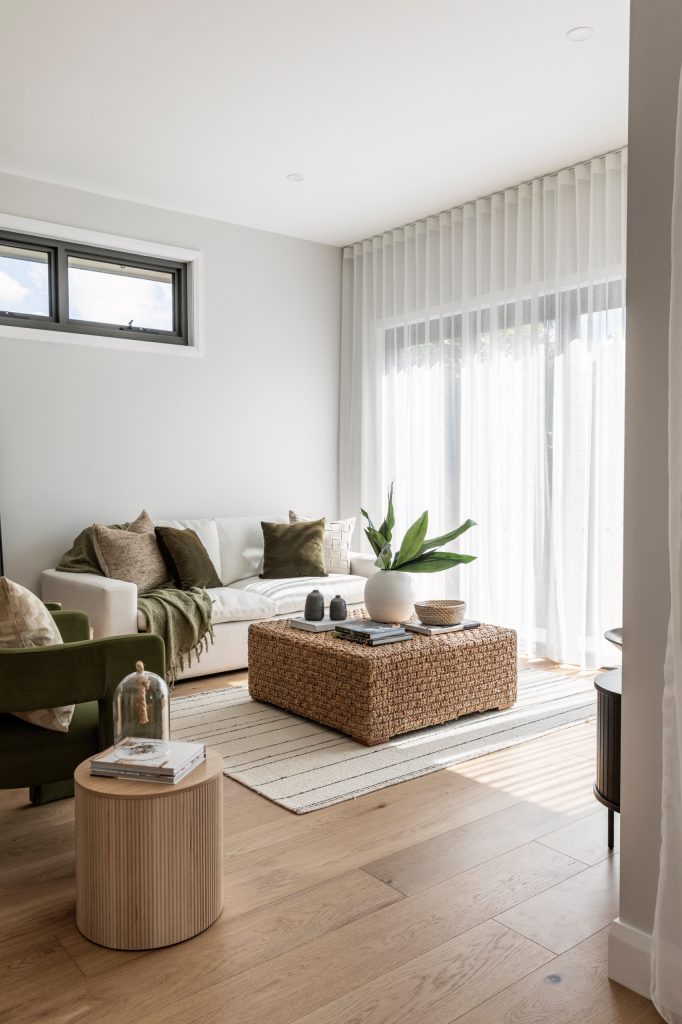
Are you looking to create a calm and stylish space that feels open and inviting? Decorating a minimalist living room might be exactly what you need.
Imagine walking into your home and instantly feeling relaxed because everything around you is simple, clean, and thoughtfully placed. In this post, you’ll discover easy tips to transform your living room into a peaceful retreat without clutter or chaos. Ready to make your space look effortlessly beautiful?
Keep reading, and you’ll learn how to bring minimalist charm to your living room step by step.

Credit: arterahome.com
Key Elements Of Minimalist Design
Minimalist design creates calm and order in your living room. It focuses on simplicity and function. Every item has a purpose. The space feels open, clean, and inviting. Understanding the key elements helps you decorate effectively. These elements keep the room uncluttered and stylish.
Neutral Color Palettes
Neutral colors form the base of minimalist rooms. Shades like white, beige, gray, and soft pastels work well. These colors make the space look larger and brighter. They create a peaceful atmosphere. You can add small touches of color through accessories to keep the look fresh.
Simple Furniture Shapes
Choose furniture with clean lines and simple shapes. Avoid ornate or bulky pieces. Furniture should be functional and comfortable. Think of low-profile sofas, sleek chairs, and tables with straight edges. Minimalist furniture helps the room feel open and uncluttered.
Open Space And Light
Open space is vital in minimalist design. Keep furniture away from walls to create flow. Avoid overcrowding the room with too many items. Natural light enhances the space. Large windows or sheer curtains allow sunlight to fill the room. Use soft, warm lighting for the evening to maintain a cozy feel.
Choosing The Right Furniture
Choosing the right furniture sets the tone for a minimalist living room. The goal is to keep the space open and calm. Every piece should serve a clear purpose without cluttering the room. Focus on clean lines and simple shapes. This approach helps maintain a peaceful and inviting atmosphere.
Functional And Multipurpose Pieces
Furniture should do more than just look good. Select pieces that offer multiple uses. A coffee table with storage helps keep things tidy. Ottomans that open up provide extra seating and hidden space. These choices save room and reduce clutter. Multipurpose furniture keeps the space neat and practical.
Low-profile Sofas And Chairs
Choose sofas and chairs with low backs and slim arms. These designs create a sense of space. They avoid overwhelming the room. Light-colored upholstery works well in minimalist settings. Avoid bulky or ornate pieces that demand too much attention. Keep the seating simple to match the room’s calm vibe.
Quality Over Quantity
Invest in fewer pieces with better quality. Strong materials last longer and look better. Well-made furniture maintains its shape and comfort. Avoid overcrowding the room with too many items. Each piece should add value and style. This practice supports a clean and elegant living room.
Color And Texture Choices
Choosing the right colors and textures shapes a minimalist living room’s feel. These elements bring warmth and interest without clutter. Simple color schemes keep the space calm. Textures add life and depth without overwhelming the eye.
Soft And Muted Tones
Soft, muted tones create a peaceful atmosphere. Shades like beige, gray, and pale blue work well. These colors open up the room and make it feel airy. Avoid bright or bold colors that distract from minimalism. Use gentle hues on walls, furniture, and decor.
Incorporating Natural Materials
Natural materials enhance minimalist spaces beautifully. Wood, stone, and linen add authenticity and warmth. These materials connect the indoors with nature. Choose furniture and accessories made from these elements. They bring a subtle richness without cluttering the room.
Using Texture For Depth
Texture adds depth and interest to a minimalist living room. Mix smooth and rough textures carefully. Think of a soft wool throw on a sleek leather sofa. Or a woven basket beside a smooth wooden table. Textures make the space inviting and comfortable.
:strip_icc()/BHG_PTSN18751_preview-e0a774cbe82842f48208e5e4f3b1350a.jpg)
Credit: www.bhg.com
Decluttering And Storage Solutions
Decluttering and smart storage are key to a minimalist living room. Clear spaces make the room feel larger and calmer. Storage solutions keep items out of sight but easy to access. This balance helps maintain a tidy and inviting space.
Hidden Storage Options
Hidden storage keeps clutter away without spoiling the room’s look. Choose furniture with built-in storage like ottomans or benches. Use storage boxes under sofas or beds for extra space. These options keep belongings organized and out of view.
Minimalist Shelving
Shelves offer storage without crowding the room. Opt for simple, clean-lined shelves that blend with your decor. Use open shelves sparingly to display only a few items. Keep shelves neat to avoid visual clutter and maintain calmness.
Maintaining Clean Surfaces
Clear surfaces create a peaceful, open atmosphere. Limit decorations on tables and counters to essentials. Store everyday items in drawers or cabinets. Regularly tidy surfaces to prevent buildup of unnecessary items. Clean surfaces invite relaxation and focus.
Lighting For Calm And Warmth
Lighting plays a pivotal role in transforming a minimalist living room from a simple space to a serene sanctuary. It’s not just about illuminating the room; it’s about creating an atmosphere that radiates calm and warmth. By carefully choosing and positioning your lighting, you can enhance your minimalist design while ensuring it feels inviting and comfortable.
Natural Light Maximization
Maximizing natural light is essential for creating a calm ambiance. Large windows can flood your living room with daylight, making the space feel open and airy. Consider using sheer curtains to allow sunlight to filter through while maintaining privacy.
If your windows are small, strategically placed mirrors can reflect light and create the illusion of more space. Have you ever noticed how a room feels more welcoming with the sun streaming in? It’s a simple trick that makes a significant difference.
Soft Ambient Lighting
Soft ambient lighting can set the mood for relaxation in the evening. Think about adding floor lamps with dimmers or wall sconces to create a gentle glow. You can also use LED strip lights on shelves or behind furniture to give a subtle warmth.
A friend once shared how her dimmable floor lamp became her favorite piece of decor. With just a twist, she could adjust the lighting to match her mood or the time of day. It’s all about finding that perfect balance that feels right for you.
Statement Light Fixtures
While minimalism is about simplicity, a statement light fixture can add character without overwhelming the space. A unique pendant light or a modern chandelier can serve as a focal point, drawing attention and adding personality.
Think about how a bold fixture can complement your minimalist design. It’s not just about aesthetics; it’s about expressing your style through functional art. What does your current lighting say about your space?
Accents And Decor
Accents and decor bring life to a minimalist living room without clutter. They create interest and warmth while keeping the space simple. Choosing the right pieces helps maintain balance and style. Each accent should add meaning or beauty.
Choosing Art And Wall Decor
Select art with clean lines and limited colors. Abstract shapes or simple landscapes work well. Avoid busy or large designs that overwhelm the room. Use frames that match the room’s color palette. One or two pieces can create a focal point.
Incorporating Greenery
Plants add freshness and natural beauty to a minimalist space. Choose small to medium-sized plants with simple leaves. Succulents, snake plants, or pothos fit well. Use plain pots in neutral colors. Place them in corners or on shelves for balance.
Minimalist Rugs And Cushions
Choose rugs with subtle patterns or solid colors. Soft textures add comfort without distraction. Cushions should be in neutral shades or muted tones. Pick simple shapes and avoid bold prints. Layer cushions carefully to keep a clean look.
Creating A Serene Atmosphere
Creating a serene atmosphere in your minimalist living room is key to making the space truly relaxing and inviting. It’s about striking the right balance between simplicity and comfort, so your room feels calm without being cold or empty. You want a space where every element works quietly together to soothe your mind and refresh your spirit.
Balancing Open And Cozy Spaces
Minimalism often means open spaces, but too much emptiness can feel stark. Think about arranging your furniture to create intimate zones without crowding the room. For example, a small, soft rug paired with a low-profile sofa can anchor a cozy corner without clutter.
Open areas let your eyes rest, while cozy spots invite you to stay longer. Ask yourself: does this layout make you want to relax or leave? Adjust until your room feels both spacious and welcoming.
Maintaining Visual Harmony
Visual harmony is about consistency in colors, shapes, and textures. Stick to a simple color palette with one or two accent tones. Too many colors or patterns break the calm vibe and distract the eye.
Keep surfaces clear and choose furniture with clean lines. Even the smallest details, like matching your curtain fabric to your cushions, can tie the room together. Have you ever noticed how a single mismatched item can throw off the whole mood?
Using Scents And Sounds
Serenity appeals to more than just sight. Adding gentle scents like lavender or eucalyptus can instantly relax your mind. Use natural candles or essential oil diffusers to keep the aroma subtle and refreshing.
Sound plays a big role too. Soft background music or the quiet hum of a water fountain can create a peaceful backdrop. Think about what sounds help you unwind and bring those into your living room.

Credit: www.designcafe.com
Frequently Asked Questions
What Colors Suit A Minimalist Living Room Best?
Neutral colors like white, beige, and gray create a calm, clean look. Soft pastel accents add warmth without clutter. Stick to a limited color palette for harmony and simplicity.
How To Choose Furniture For A Minimalist Living Room?
Pick functional, simple furniture with clean lines. Opt for pieces with storage to reduce clutter. Avoid bulky or overly decorative items to maintain an open, airy space.
What Decor Items Work In Minimalist Living Rooms?
Use a few statement pieces like a sleek vase or abstract art. Keep accessories minimal and purposeful. Natural elements like plants add life without overwhelming the space.
How To Maximize Space In A Minimalist Living Room?
Use multi-functional furniture and keep floor space clear. Incorporate vertical storage like shelves. Maintain open pathways to enhance flow and create an uncluttered environment.
Conclusion
A minimalist living room feels calm and open. Choose simple furniture with clean lines. Use light colors to make space look bigger. Keep decorations few but meaningful. Let natural light brighten the room. Focus on comfort and neatness. Small changes create big impact.
Your home will feel fresh and peaceful. Enjoy the beauty of less.