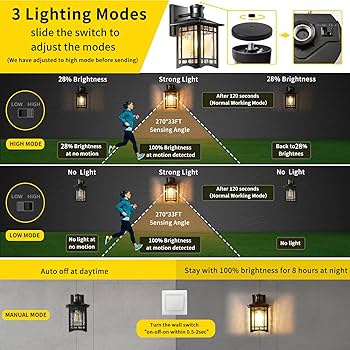
Are you looking to enhance your home’s safety and style with a smart lighting solution? Connecting your Home Decorations Collection motion sensor exterior light can be easier than you think.
Imagine your walkway lighting up automatically as you approach, saving energy and adding a warm welcome to guests. In this guide, you’ll discover simple, step-by-step instructions to set up your motion sensor light quickly and confidently. By the end, you’ll have a secure, stylish outdoor space that works for you—day and night.
Let’s get started!
Choosing The Right Motion Sensor Light
Choosing the right motion sensor light for your home’s exterior is essential. It ensures safety, saves energy, and adds charm to your outdoor space. The perfect light fits your needs and complements your home’s style. Understanding different sensor types and key features helps make the best choice.
Types Of Motion Sensors
- Passive Infrared (PIR):Detects body heat and movement. Ideal for most homes.
- Ultrasonic Sensors:Use sound waves to detect motion. Good for covering wide areas.
- Microwave Sensors:Send out microwaves and measure reflections. Sensitive and can detect through walls.
- Dual-Technology Sensors:Combine PIR and microwave for fewer false alarms.
Key Features To Consider
- Detection Range:Choose a sensor that covers the area you want lit.
- Light Duration:Adjustable timing for how long the light stays on.
- Brightness:Select suitable brightness for security and ambiance.
- Power Source:Battery, solar, or wired options based on your setup.
- Weather Resistance:Ensure the light can handle outdoor conditions.
Matching Light To Exterior Style
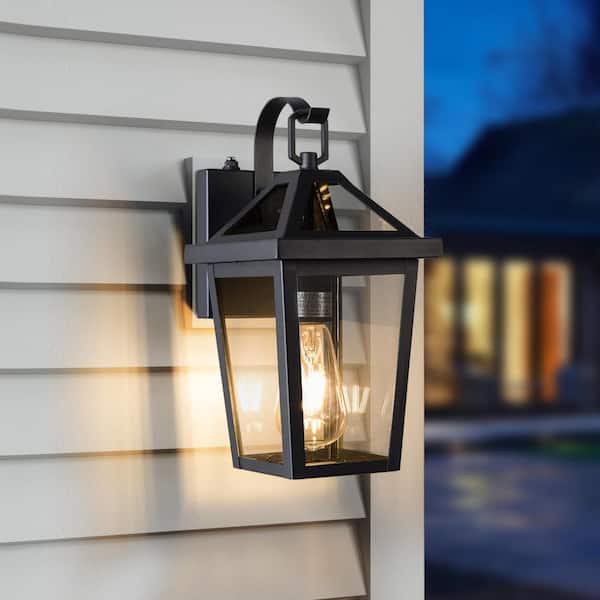
Choose a light design that blends with your home’s look. Modern homes pair well with sleek, simple fixtures. Traditional houses suit classic, ornate lights. Consider color and material for a seamless fit. Matching style enhances curb appeal and creates a welcoming atmosphere.
Tools And Materials Needed
Connecting a motion sensor exterior light to your home decorations collection can enhance security and ambiance. To ensure a smooth installation, gather all necessary tools and materials beforehand. This will save time and prevent any interruptions during the setup process.
Essential Tools List
- Screwdriver set: Flathead and Phillips
- Wire stripper: For safe wire handling
- Drill: Cordless with bits
- Voltage tester: Ensure safety
- Level: For accurate alignment
Safety Gear
- Safety goggles: Protect eyes from debris
- Work gloves: Ensure grip and safety
- Dust mask: Avoid inhaling particles
Additional Supplies
- Electrical tape: Secure wire connections
- Wire nuts: Insulate and connect wires
- Mounting bracket: Support the light fixture
- Light bulbs: Choose energy-efficient options
- Cable ties: Organize and secure wires
Preparing For Installation
Preparing to install your Home Decorations Collection motion sensor exterior light is key to a smooth and safe setup. Taking time to plan where and how you’ll install it can save you headaches later. Let’s break down what you need to do before you start drilling or wiring.
Selecting The Installation Spot
Choosing the right spot for your motion sensor light affects both its performance and safety. Pick a location that covers the area you want to monitor without obstructions like trees or walls. Make sure the sensor won’t be triggered by passing cars or pets, or it might annoy you with constant switching on and off.
Think about how easy it will be to reach the fixture for maintenance or bulb changes. Is there a nearby power source? These details make a big difference in your installation experience.
Turning Off Power Safely
Safety first: always turn off the power at the circuit breaker before working on any electrical connections. Don’t rely on just flipping the light switch off. Use a voltage tester to confirm the wires are not live before touching them.
Ask yourself if you have the right tools and knowledge to handle electrical wiring. If you feel unsure, it’s better to call a professional than risk injury or damage.
Reading Manufacturer Instructions
Every motion sensor light has unique features and wiring requirements. Carefully reading the manufacturer’s instructions can prevent costly mistakes. Look for details on mounting height, sensor range, and wiring diagrams.
Don’t skip this step, even if you’ve installed similar lights before. The instructions might include tips that save time or improve the light’s effectiveness.
Credit: www.diychatroom.com
Step-by-step Installation Process
Installing a Home Decorations Collection motion sensor exterior light is simple. Follow clear steps to ensure proper setup and safety. This guide breaks down the process into easy parts. Each part helps you complete the installation quickly and correctly.
Mounting The Sensor Light
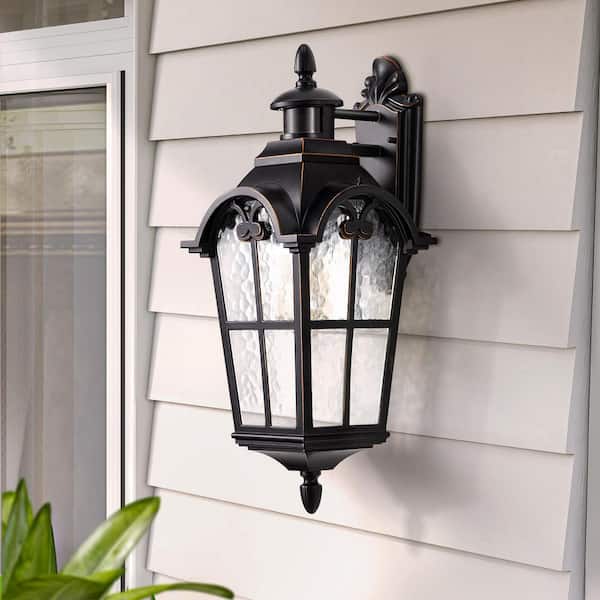
Choose a location near your door or driveway. The spot should have clear access to the sky for the sensor. Use a drill to make holes for screws. Attach the mounting bracket tightly to the wall. Connect the light fixture to the bracket. Adjust the angle so the sensor covers the desired area.
Wiring Connections
Turn off the main power before starting. Open the light’s wiring compartment carefully. Match the wires by color: black to black, white to white, green or copper to ground. Use wire nuts to secure connections. Wrap electrical tape around the nuts for safety. Close the wiring compartment tightly to keep moisture out.
Testing The Sensor And Light
Restore power to the circuit. Move in front of the sensor to check if the light turns on. Adjust the sensor’s sensitivity and timer settings as needed. Make sure the light stays on for the set time. Test the light in different lighting conditions. Confirm the sensor detects motion correctly and the light responds promptly.
Adjusting Settings For Optimal Performance
Adjusting your Home Decorations Collection motion sensor exterior light properly can make a big difference in how well it works. If the settings are off, you might find the light turning on too often or not detecting movement when you need it most. Fine-tuning these settings lets you get the perfect balance between security and convenience.
Setting Sensitivity Levels
The sensitivity setting controls how easily the sensor detects movement. Too high, and the light might turn on from small animals or passing cars, which can be annoying. Too low, and it might not react until someone is very close.
Try adjusting the sensitivity gradually. Start with a medium level and observe how often the light activates. If it triggers too much, lower the sensitivity. If it misses movement, increase it. This simple tweak can save energy and reduce false alarms.
Adjusting Light Duration
The light duration determines how long your exterior light stays on after detecting motion. Setting it too short might leave you in the dark before you’re ready. Too long, and it wastes power and might disturb neighbors.
Think about how you use the space. For quick walks to the door, a shorter duration might be better. For outdoor gatherings, a longer light time is more practical. You can often find settings ranging from 10 seconds to several minutes—experiment to find what feels right.
Positioning The Sensor Angle
Where you point the sensor matters just as much as the settings. The angle affects what the sensor “sees” and can catch. A poorly angled sensor might miss movement or pick up unwanted activity.
Adjust the sensor so it covers walkways or entrances without facing busy streets or trees that cause false triggers. Sometimes a small tilt up or down makes a big difference. Consider testing the sensor’s range by walking through different spots to see where it reacts best.
Credit: www.homedepot.com
Troubleshooting Common Issues
Troubleshooting common issues with your Home Decorations Collection motion sensor exterior light can save time and frustration. Many problems have simple fixes. Understanding typical challenges helps you maintain proper function and security.
Check the basic setup and settings before assuming the light is faulty. Regular maintenance also prevents many issues. Below are common problems and easy solutions to get your light working smoothly again.
Light Not Turning On
- Verify the power source is connected and switched on.
- Check the light bulb for damage or burnout.
- Inspect wiring for loose or disconnected parts.
- Reset the motion sensor by turning it off and on.
- Confirm the timer or daylight sensor isn’t preventing activation.
False Triggers
- Remove objects like plants or flags near the sensor.
- Adjust the sensor angle to avoid moving branches or cars.
- Lower the sensitivity setting to reduce unwanted activation.
- Make sure pets or small animals do not enter the detection zone.
Sensor Range Problems
- Clean the sensor lens to ensure clear detection.
- Reposition the sensor for better coverage of the desired area.
- Test the range by walking at different distances from the sensor.
- Adjust the sensor’s detection distance setting as needed.
Maintenance Tips For Longevity
To keep your Home Decorations Collection Motion Sensor Exterior Light working smoothly for years, a little maintenance goes a long way. Regular attention prevents common issues and extends the life of your investment. Let’s explore simple, practical tips you can apply today.
Regular Cleaning
Dirt and debris can block the sensor or dull the light’s brightness. Wipe the exterior gently with a soft, damp cloth every few weeks to remove dust and grime.
Be careful not to use harsh chemicals that might damage the surface or sensor. Have you noticed reduced sensitivity or dimmer light? Cleaning often fixes these problems immediately.
Checking Connections
Loose or corroded wiring can cause flickering or complete failure of your light. Inspect the wiring connections at least twice a year, especially after storms or heavy winds.
Look for signs of rust or wear and tighten any loose screws. If you’re unsure, use a voltage tester to ensure the connections are stable and safe.
Replacing Bulbs And Batteries
Even the best motion sensor lights need fresh bulbs and batteries to perform well. Keep an eye on the brightness and sensor responsiveness as clues that replacements might be due.
Use bulbs recommended by the manufacturer to avoid compatibility issues. For battery-powered models, switch out batteries before they completely drain to avoid sensor lag or outages.
Credit: www.homedepot.com
Frequently Asked Questions
How Do I Install A Motion Sensor Exterior Light?
First, turn off the power at the circuit breaker. Mount the light securely and connect the wiring: black to black, white to white, and ground to ground. Follow the manufacturer’s instructions and test the sensor before finalizing the installation.
Can I Connect Multiple Exterior Lights To One Sensor?
Yes, you can connect multiple lights to one motion sensor, but ensure the total wattage does not exceed the sensor’s rating. Use proper wiring and consult the sensor’s manual for maximum load capacity to avoid electrical issues.
What Maintenance Is Needed For Motion Sensor Lights?
Clean the sensor lens regularly to remove dust and debris. Check the wiring connections annually for safety. Replace bulbs as needed and adjust the sensor’s sensitivity or range if it stops detecting motion accurately.
How Do I Adjust The Motion Sensor’s Detection Range?
Most sensors have adjustable dials or screws to set detection distance and sensitivity. Consult your light’s manual and test settings by walking in the detection area to find the optimal range for your space.
Conclusion
Connecting a motion sensor exterior light to your home decoration adds safety and style. It helps save energy by lighting only when needed. Installation is simple with basic tools and clear steps. Position the sensor to cover key areas around your home.
Test the light to ensure it activates properly. Enjoy a brighter, safer outdoor space without extra effort. This small upgrade makes a big difference at night. Keep your home welcoming and secure with smart lighting.