
Are you ready to transform your space with beautiful decoration lights but don’t know where to start? Connecting decoration lights might seem tricky, but it’s easier than you think.
Imagine your home glowing warmly, creating the perfect mood for any occasion. In this guide, you’ll learn simple, step-by-step tips to connect your lights safely and effectively. By the end, you’ll feel confident setting up dazzling displays that impress everyone.
Keep reading—you’re just moments away from lighting up your life!

Credit: www.youtube.com
Choosing The Right Lights
Choosing the right decoration lights can transform your space and set the perfect mood. The options you pick affect not only the look but also the safety and energy use of your setup. Knowing what suits your needs helps you avoid common mistakes and enjoy your lights without hassle.
Types Of Decoration Lights
There are many types of decoration lights to choose from. LED string lights are popular for their brightness and long life. Fairy lights offer a delicate, twinkling effect that works well in cozy corners or glass jars.
Other options include rope lights, which are flexible and great for outlining shapes, and lantern lights that add a rustic or vintage vibe. Consider what atmosphere you want to create and how you’ll use the lights.
Indoor Vs Outdoor Options
Not all lights are made for every environment. Indoor lights often have thinner insulation and less protection against moisture. Using indoor lights outside can lead to electrical hazards or damage.
Outdoor lights come with weatherproof features to handle rain, wind, and temperature changes. Think about where you want to place your lights and pick ones rated for that setting. Have you checked if your lights are labeled “indoor” or “outdoor” before buying?
Energy Efficiency Considerations
Energy use is a key factor in choosing decoration lights. LED lights consume much less electricity than traditional incandescent bulbs. This means lower power bills and less environmental impact.
You can also find solar-powered lights that charge during the day and light up at night without using electricity. Look at the energy rating and expected lifespan before making a choice. Saving energy doesn’t mean you have to sacrifice brightness or style.
Planning Your Setup
Choose a safe spot near a power source to start your decoration lights setup. Measure the area to know how many lights you need. Plan the layout to avoid tangled cords and ensure even coverage.
Planning your setup for decoration lights requires thoughtful preparation. This ensures a beautiful and safe display. Begin by considering the space you want to illuminate. Each area demands unique attention. Careful planning avoids frustration and mishaps.Measuring The Area
Measure your area accurately. Use a tape measure for precision. Note lengths, widths, and heights. This helps determine how many lights you need. Consider any obstacles in your space. Trees, walls, and furniture affect the layout. Create a rough sketch. Visualize where each light will go. This step saves time.Selecting Power Sources
Identify the nearest outlets. Check if they are accessible. Ensure outlets can handle your power needs. Consider using extension cords. They extend reach and flexibility. Choose cords rated for outdoor use. This protects against weather damage. Battery-operated lights offer freedom from cords. They are ideal for small setups.Safety Precautions
Safety is crucial in light setups. Inspect lights for damage before use. Check cords, plugs, and bulbs. Replace broken items immediately. Avoid overloading electrical circuits. This prevents fire hazards. Keep lights away from flammable materials. Water sources should be distant from electrical parts. Use timers to avoid overheating. They save energy and enhance safety.Connecting The Lights
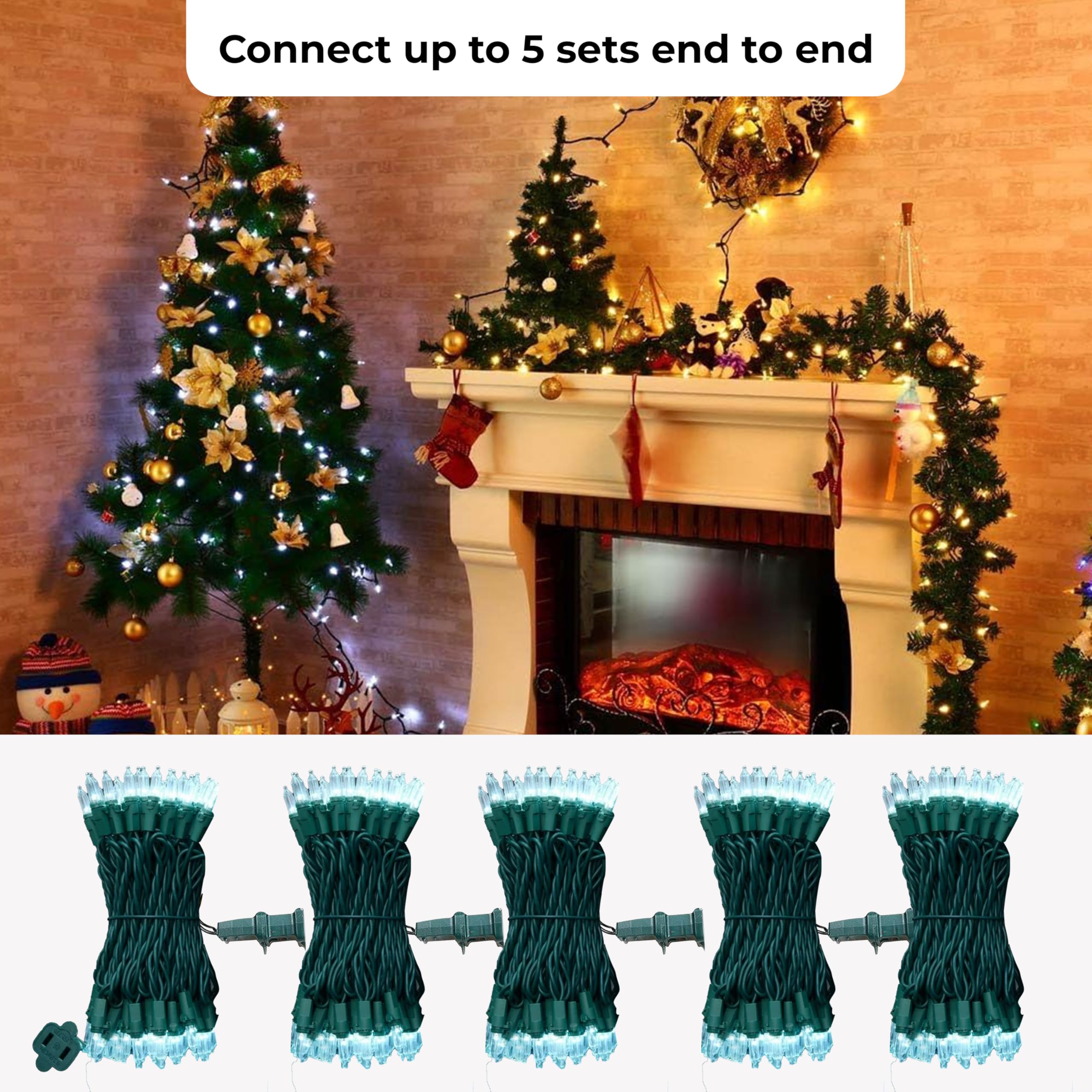
Connecting decoration lights safely and correctly ensures a bright, beautiful display. Proper connection helps prevent electrical issues and keeps your lights shining throughout the season. Follow simple steps to link strands, use extension cords, and secure all connections firmly.
Linking Light Strands
Most decoration lights come with connectors to join multiple strands. Match the male end of one strand to the female end of another. Push them together until they click or fit snugly. Check the packaging for the maximum number of strands to connect. Avoid exceeding this limit to prevent overheating or power loss.
Using Extension Cords
Choose extension cords rated for outdoor use if lights are outside. Ensure the cord can handle the total wattage of your lights. Use cords with grounded plugs and weather-resistant insulation. Keep cords off the ground where possible to avoid water damage. Use outdoor-rated power strips for multiple plugs.
Securing Connections
Protect all plug connections from moisture and dirt. Use electrical tape or weatherproof covers around plugs. Secure cords and light strands with plastic clips or hooks. Avoid using nails or staples that can damage wires. Check connections regularly to ensure they stay tight and safe.
Credit: www.amazon.com
Arranging The Lights
Arranging decoration lights thoughtfully transforms any space. The way lights are placed affects the mood and visual appeal. Proper arrangement highlights beauty and adds charm. Focus on patterns, key areas, and brightness balance for best results.
Creating Patterns And Shapes
Use lights to draw simple shapes like circles or zigzags. Patterns catch attention and create a festive vibe. Try outlining windows, doors, or furniture with lights. Group lights in clusters for a cozy look. Repeat shapes for a harmonious design.
Highlighting Key Areas
Pick spots that deserve focus, such as entryways or trees. Place lights around these areas to draw eyes naturally. Use brighter or more lights here to create focal points. This technique adds depth and interest to the decoration. It guides guests’ attention smoothly.
Balancing Brightness
Mix different light intensities for a balanced look. Avoid too many bright lights in one spot. Soften harsh areas with dimmer or smaller bulbs. Even distribution prevents glare and shadows. Balance keeps the scene comfortable and inviting.
Testing And Troubleshooting
Testing and troubleshooting your decoration lights ensures they shine bright and work safely. It helps spot problems early and saves time during setup. Simple checks can fix many issues without expert help.
Checking For Faulty Bulbs
Look for bulbs that do not light up or flicker. Remove each bulb carefully and inspect it for broken filaments or dark spots. Replace any damaged or burnt-out bulbs with new ones of the same type. Use a bulb tester if available to confirm if a bulb works properly.
Fixing Connection Issues
Check all plugs and sockets for secure fits. Loose connections cause lights to fail or flicker. Clean contacts with a dry cloth to remove dust and corrosion. Avoid using damaged wires or connectors as they can create short circuits. Reconnect the strands firmly and test the circuit again.
Ensuring Even Illumination
Make sure bulbs are evenly spaced on the string. Uneven spacing can cause dark spots or clustering of light. Adjust bulbs gently to spread light uniformly. Verify the power source provides consistent voltage to all bulbs. Replace dim bulbs to keep brightness balanced across the entire decoration.

Credit: www.tiktok.com
Maintenance Tips
Proper maintenance of decoration lights ensures they last longer and stay bright. Regular care prevents damage and saves money. Follow these simple tips to keep your lights in top condition year after year.
Storing Lights Safely
Keep lights in a cool, dry place to avoid moisture damage. Use a sturdy container to protect them from dust and pests. Wrap cords loosely to prevent tangling and wire breakage. Label each set for easy use next season.
Cleaning Bulbs And Cords
Unplug lights before cleaning to avoid electric shock. Use a soft cloth dampened with mild soap and water. Gently wipe bulbs and cords to remove dirt and grime. Avoid harsh chemicals that can damage coatings or wiring. Let lights dry completely before storing or using.
Replacing Damaged Parts
Check bulbs and cords for cracks, frays, or burns regularly. Replace broken bulbs with the same type and size to ensure safety. Use electrical tape for minor cord damage only if the wires are not exposed. Discard lights with extensive damage to avoid fire risks. Always follow manufacturer instructions for repairs.
Frequently Asked Questions
How Do I Connect Decoration Lights Safely?
Always use outdoor-rated extension cords and avoid overloading outlets. Check for damaged wires and secure connections. Follow manufacturer instructions and switch off power before handling lights to prevent electrical hazards and ensure safe operation.
Can I Connect Multiple Decoration Lights Together?
Yes, but check the maximum number of strings allowed by the manufacturer. Avoid exceeding wattage limits to prevent overheating or tripping circuits. Use lights with compatible connectors and ensure secure, tight connections for a continuous, safe display.
What Is The Best Way To Power Outdoor Lights?
Use GFCI-protected outlets designed for outdoor use. Ensure all plugs and cords are weather-resistant. Consider solar-powered or battery-operated lights for added safety and convenience without the need for electrical outlets.
How Do I Test Decoration Lights Before Installation?
Plug in the lights and check for any bulbs that do not illuminate. Replace burnt-out or broken bulbs before installation. Test all light strands individually to ensure they work properly and avoid issues after setup.
Conclusion
Connecting decoration lights can brighten any space quickly and safely. Start with the right tools and follow simple steps carefully. Check all connections to avoid problems later. Choose lights that suit your style and needs. Remember to keep safety in mind at all times.
With practice, you will get better and faster. Enjoy the warm glow your lights create for friends and family. Small efforts make a big difference in your decoration. Keep these tips handy for your next lighting project.