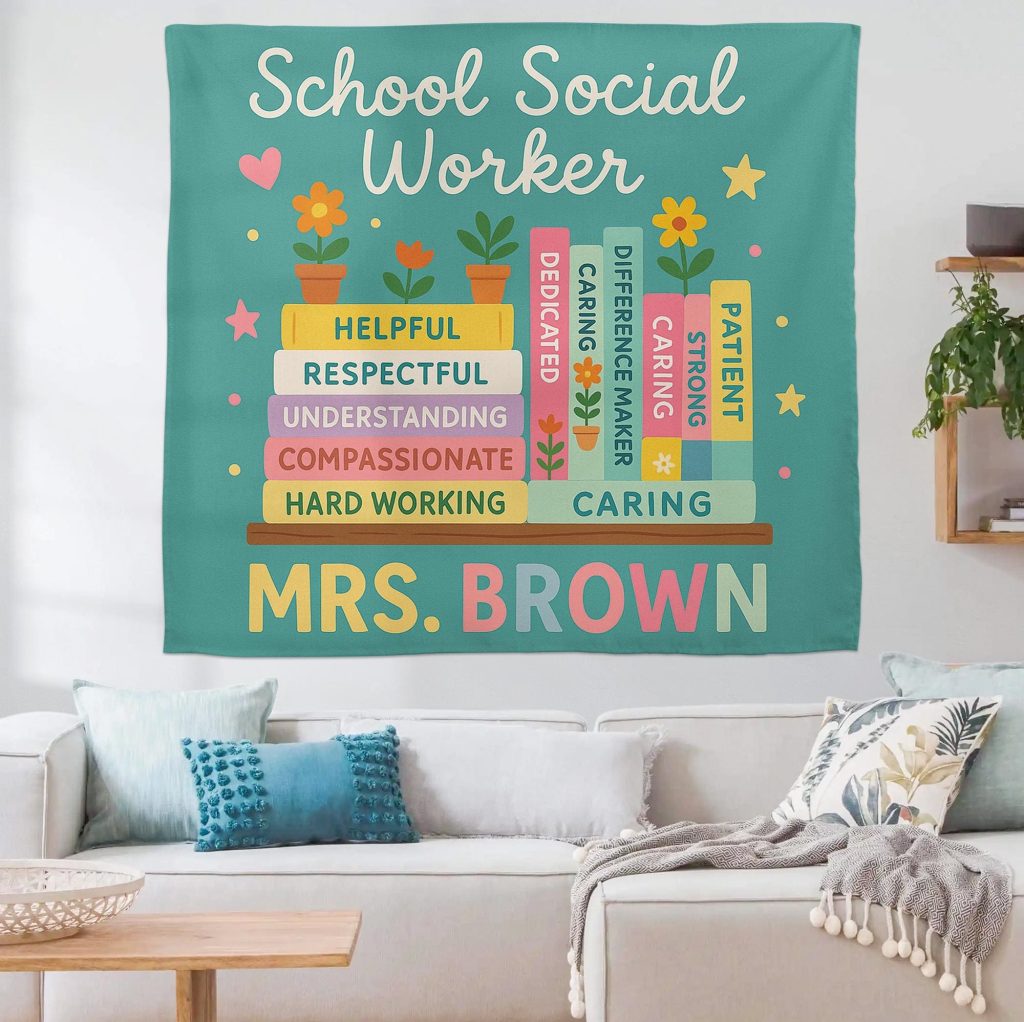
Your social worker office is more than just a workspace—it’s a place where trust is built and healing begins. How you decorate it can make a big difference in how comfortable and welcome your clients feel.
If you want to create a warm, calming, and professional environment that truly supports your work, this guide is for you. Keep reading to discover simple, effective ways to transform your office into a space that helps both you and your clients thrive.

Credit: www.tiktok.com
Choosing A Welcoming Color Palette
Choosing a welcoming color palette is key to creating a comfortable social worker office. Colors affect mood and feelings. They can make clients feel calm, safe, and open. The right colors help build trust and reduce stress. This section explores warm and soothing colors, accent colors for energy, and how to balance neutrals with brights. These tips ensure your office looks inviting and professional.
Warm And Soothing Colors
Warm colors create a cozy and safe atmosphere. Soft shades like beige, light brown, and gentle peach work well. These tones calm nerves and encourage relaxation. Avoid harsh reds or dark browns that might feel too intense. Use warm colors on walls or large furniture pieces. They form a comforting base for the room.
Accent Colors For Energy
Accent colors add life without overwhelming the space. Bright blues, gentle greens, or soft yellows bring positive energy. Use them on pillows, art, or small decor items. These colors lift the mood and inspire hope. Keep accents subtle to avoid distraction. A few well-placed accents make the room feel balanced and alive.
Balancing Neutrals And Brights
Neutrals create a clean, professional look. Shades of white, gray, or taupe work well as a backdrop. They make the space feel open and organized. Combine neutrals with bright accents to avoid dullness. Use neutral tones on walls and floors. Add bright colors through accessories or furniture. This mix keeps the office welcoming and vibrant without chaos.
Furniture That Invites Comfort
Choosing the right furniture sets the tone for a welcoming social worker office. Comfort helps clients feel safe and cared for. It also supports long hours of work without strain. The right pieces balance function and relaxation perfectly.
Ergonomic Seating Options
Ergonomic chairs protect the back and improve posture. Adjustable seats adapt to different body types. Cushioned armrests provide extra support and comfort. These chairs reduce fatigue during long meetings or paperwork.
Consider chairs with breathable fabric for added comfort. Easy-to-clean materials keep the office fresh and professional. A mix of ergonomic chairs for staff and visitors works best.
Multi-functional Pieces
Furniture that serves more than one purpose saves space. Desks with built-in storage keep supplies organized and accessible. Folding tables offer flexibility for group sessions or private talks.
Ottomans with storage help hide clutter and provide extra seating. Shelves that double as room dividers create cozy zones. Multi-functional furniture keeps the office neat and efficient.
Creating Cozy Corners
Small seating areas invite relaxed conversations and trust. Soft rugs and throw pillows add warmth and color. A comfy armchair with a small side table makes a perfect nook.
Use gentle lighting to enhance the cozy feel. Plants or artwork bring life and calm to these spaces. Cozy corners encourage openness and comfort for clients.
Incorporating Personal Touches
Adding personal touches to your social worker office can transform a standard workspace into a warm, welcoming environment. It reflects who you are and creates a sense of comfort for clients. Personal details can spark connection and ease, making every visit more meaningful.
Displaying Meaningful Artwork
Choose artwork that resonates with your values or experiences. It could be photos from community events, culturally significant pieces, or art created by clients. Displaying these works shows your commitment and respect for the people you serve.
Consider rotating artwork regularly to keep the space fresh and inspiring. What kind of images make you feel calm or motivated? Let those guide your choices.
Using Inspirational Quotes
Quotes can offer encouragement without overwhelming the room. Pick phrases that promote hope, resilience, and understanding—qualities essential in social work.
Place them where they catch your eye easily, like above your desk or near the entrance. Do you have a favorite quote that helped you through a tough time? Share it to create a relatable atmosphere.
Adding Plants For Life
Plants bring energy and calmness into any office. They improve air quality and create a soothing environment for both you and your clients.
Choose low-maintenance options like succulents or spider plants if you’re short on time. How can a little greenery change the mood in your office today?
Lighting For A Calming Atmosphere
Soft, warm lighting helps create a peaceful and welcoming space. Use lamps and dimmable lights to make the office feel calm and comfortable. Natural light also boosts a soothing atmosphere for clients and workers alike.
Lighting plays a vital role in creating a calming atmosphere in a social worker’s office. The right lighting can help clients feel more relaxed, making conversations more comfortable. Choosing the appropriate lighting not only enhances the office’s aesthetic but also supports mental well-being.Natural Light Benefits
Natural light is soothing and can uplift the mood. Large windows allow sunlight to enter, creating a warm environment. Consider sheer curtains to diffuse harsh light, maintaining brightness without glare. Sunlight helps regulate circadian rhythms, promoting alertness and calmness. Plants near windows can enhance the benefits of natural light, adding serenity to the space.Layered Lighting Techniques
Layered lighting combines different types of lights for balance. Use overhead lights to illuminate the entire room softly. Wall sconces can add gentle light without being too harsh. Desk lamps are ideal for focused tasks, offering direct lighting where needed. Floor lamps provide additional warmth, especially in corners. Mixing lighting types creates a visually appealing and calming office environment.Soothing Lamps And Fixtures
Choose lamps that emit warm, soft light. Lamps with dimmer switches offer flexibility in brightness levels. Opt for shades in calming colors like blue or green. Himalayan salt lamps can add a gentle glow and purify the air. Consider fixtures with natural materials like wood or stone for an earthy feel. A well-chosen lamp can be both functional and a stylish addition to the office.Organizing For Clarity And Calm
Creating an organized office space can significantly improve your focus and reduce stress throughout your workday. When your environment is clear and calm, it’s easier to support your clients effectively. Let’s look at practical ways to organize your social worker office to foster clarity and calm.
Decluttering Strategies
Start by removing anything that doesn’t serve your daily tasks or contribute to a peaceful atmosphere. Ask yourself if every item on your desk or shelves is necessary or brings positive energy.
Try sorting items into three piles: keep, donate, and discard. This simple process can quickly clear out distractions and make your space feel lighter.
One social worker shared that clearing her desk each evening helped her start the next day feeling more in control and ready to focus.
Storage Solutions
Choose storage options that match your workflow and keep essentials within reach. Use labeled bins, drawers, or shelves to categorize paperwork, office supplies, and personal items.
- Clear plastic containers let you see contents without opening them.
- Vertical file organizers save desk space and keep documents orderly.
- Cork boards or magnetic strips can hold notes and reminders visibly.
Think about how you move through your day. Place frequently used items closer and store less-used materials out of sight but accessible.
Maintaining A Tidy Space
Set a routine for daily or weekly tidying to prevent clutter from building up again. Even five minutes at the end of the day can make a big difference.
Try making it a habit to put things back in their designated spots immediately after use. This small action keeps your space consistently organized without extra effort.
Consider how a clean space affects your mindset—does it help you feel more prepared and less overwhelmed? Keeping your office tidy isn’t just about aesthetics; it supports your mental clarity and ability to serve your clients well.
Creating A Client-friendly Environment
Creating a client-friendly environment is essential for a social worker’s office. It helps clients feel safe and valued. A warm, inviting space encourages open communication and trust. The design should focus on comfort, privacy, and a welcoming atmosphere. These elements improve the overall experience for clients and staff alike.
Comfortable Waiting Areas
Waiting areas should feel cozy and calm. Use soft chairs or couches with enough space between them. Include cushions or throws to add comfort. Natural light and plants create a relaxing mood. Provide magazines or books for distraction. Keep the area clean and clutter-free. Soft colors on walls help reduce stress. Avoid harsh lighting or loud noises.
Privacy Considerations
Privacy is key in a social worker’s office. Use soundproof walls or white noise machines to protect conversations. Arrange furniture to avoid direct lines of sight between clients. Keep doors closed during sessions. Use curtains or screens in shared spaces. Display clear signage about confidentiality. Clients must feel secure sharing their stories. Respecting privacy builds trust and respect.
Welcoming Reception Details
The reception sets the tone for the visit. Greet clients with a friendly smile and clear signage. Use a simple, organized desk without clutter. Offer water or tissues nearby. Display helpful brochures or service information. Soft background music can create a calm vibe. Ensure the receptionist is approachable and patient. A neat, cheerful reception makes clients feel cared for.
Adding Sensory Elements
Adding sensory elements to a social worker’s office creates a welcoming atmosphere that can ease anxiety and foster trust. These elements engage the senses, helping clients feel more grounded and comfortable during conversations. Thoughtful sensory additions can turn a simple office into a supportive space for healing and connection.
Soft Textures And Fabrics
Soft textures invite comfort and calm. Use cushions, throws, or upholstered chairs made from materials like cotton, velvet, or fleece. These tactile touches can help clients feel physically at ease, which supports emotional openness.
Consider adding a soft rug or fabric wall hangings to reduce harsh echoes and create a cozy vibe. Have you noticed how a gentle touch can change your mood? Your clients will feel the same with these small, comforting details.
Aromatherapy Options
Scents influence emotions more than you might think. Adding subtle aromatherapy with essential oils such as lavender, chamomile, or eucalyptus can lower stress levels and improve focus. Use a diffuser or scented candles, but keep the scent mild to avoid overwhelming sensitive noses.
Ask yourself which aromas help you relax during a busy day. Then think about how those scents could support your clients’ emotional states. Offering a choice of scents can also empower clients, giving them a small sense of control over their environment.
Soothing Sounds
Background sounds can create a peaceful setting. Play soft instrumental music or nature sounds like flowing water or bird songs at a low volume. These sounds mask distractions and help clients stay present during sessions.
Try sound machines or apps that allow customization to fit your office vibe. Have you ever noticed how certain sounds make you feel more relaxed or focused? Your clients will benefit from the same sensory support, making conversations flow more naturally.

Credit: www.teacherspayteachers.com
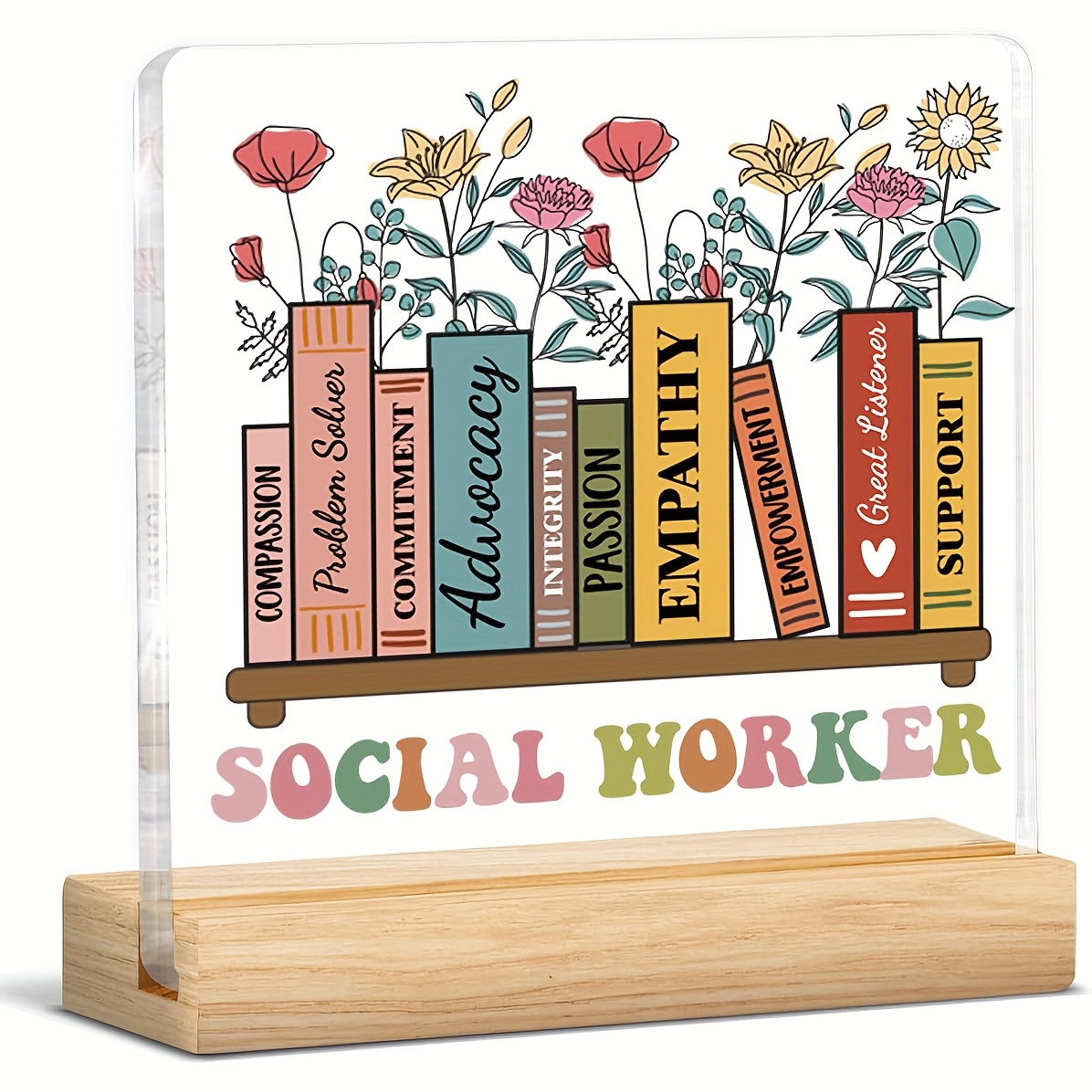
Credit: www.temu.com
Frequently Asked Questions
What Colors Are Best For A Social Worker Office?
Soft, calming colors like blues, greens, and neutrals promote a welcoming atmosphere. Avoid bright, harsh colors that might feel overwhelming or stressful.
How To Create A Welcoming Environment In The Office?
Use comfortable seating, warm lighting, and personal touches like plants or artwork. Ensure the space feels safe, private, and inviting for clients.
What Essential Furniture Should A Social Worker Office Have?
Include a sturdy desk, ergonomic chair, client seating, and storage units. Furniture should balance professionalism with comfort to support productive sessions.
How Can Lighting Improve A Social Worker Office?
Natural light or soft LED lighting reduces stress and improves mood. Avoid fluorescent lights to create a calm and positive environment.
Conclusion
Creating a warm and welcoming social worker office helps clients feel safe. Choose calming colors and simple furniture for comfort. Add personal touches like plants or artwork to brighten the space. Keep the area neat and organized for a clear mind.
Small details make a big difference in mood and trust. Decorating thoughtfully supports the important work social workers do. A well-planned office invites open, honest conversations every day.