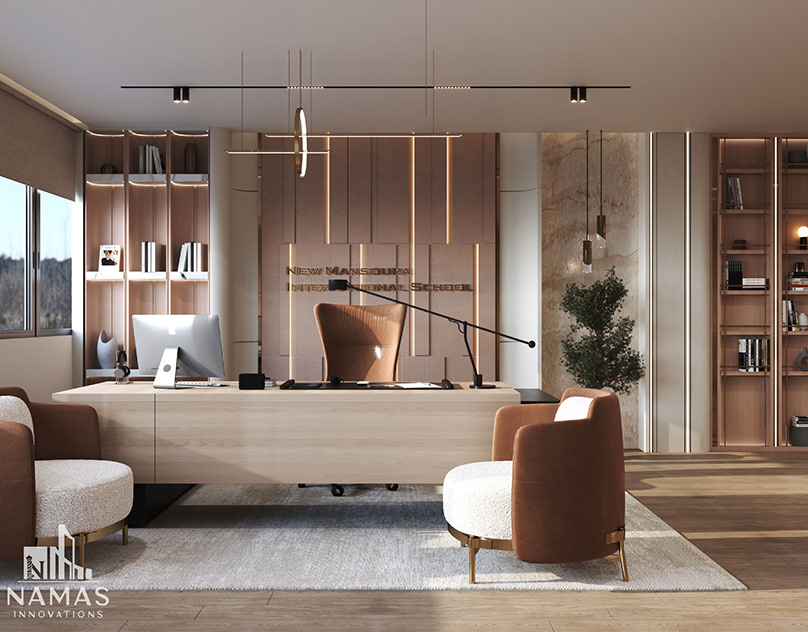
Your manager’s office says a lot about leadership, creativity, and professionalism. How you decorate this space can boost productivity, impress visitors, and create a comfortable environment for important decisions.
If you want your manager’s office to stand out, feel inviting, and inspire success, you’re in the right place. Keep reading to discover simple, effective ways to transform the office into a space that truly works for you and your team.
Credit: blog.gebesa.com
Choosing The Right Color Scheme
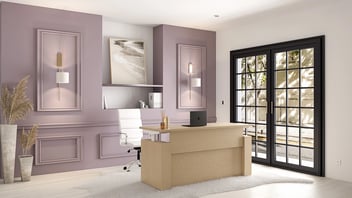
Choosing the right color scheme is essential for decorating a manager’s office. Colors influence mood, focus, and the overall vibe of the space. A well-chosen palette helps create a space that feels inviting and productive. It also reflects professionalism and aligns with the company’s identity.
Colors That Boost Productivity
Certain colors can increase focus and energy. Blue tones calm the mind and improve concentration. Green reduces eye strain and adds a natural feel. Yellow sparks creativity and optimism. Avoid bright reds, as they may cause stress or distraction. Soft, muted colors often work best for long work hours.
Creating A Professional Atmosphere
Neutral colors like gray, beige, and white create a clean, professional look. These shades make the office feel organized and calm. Use darker shades to add depth and elegance. Balance neutrals with softer tones to avoid a cold feeling. This mix helps the space look inviting yet serious.
Incorporating Brand Colors
Including brand colors strengthens company identity. Use these colors in accents like artwork, furniture, or accessories. Avoid overusing bright brand colors on walls to keep the space calm. Subtle touches remind visitors of the company’s values and style. This approach keeps the office cohesive and unique.

Credit: www.behance.net
Selecting Functional Furniture
Selecting functional furniture is key to creating a manager’s office that supports productivity and comfort. The right pieces do more than fill space—they enhance workflow and keep the room organized. Think about how each item will serve daily tasks and long hours spent at work.
Ergonomic Desk And Chair Options
Your desk and chair should support good posture and reduce strain. Choose an adjustable chair with lumbar support to prevent back pain during long meetings or focused work. Pair it with a desk that has enough surface area for your computer, documents, and a few personal touches without feeling cluttered.
Have you considered a sit-stand desk? Switching between sitting and standing can boost energy and focus. This small change often makes a big difference in how you feel at the end of the day.
Storage Solutions For Organization
Clutter kills productivity. Look for storage options that keep essentials within reach but out of sight. Filing cabinets, shelves, and drawer organizers help maintain a clean workspace.
- Use vertical shelving to maximize space without crowding your desk.
- Label drawers and boxes for quick access to documents and supplies.
- Opt for lockable storage if you handle sensitive information.
What’s your biggest challenge with office clutter? Tackling it with smart storage can free up mental space and help you focus better.
Multi-purpose Furniture Ideas
Choose furniture that adapts to different needs. A coffee table with hidden compartments or a bench that doubles as storage can save space and add functionality.
Consider pieces that support meetings or casual conversations, like a small sofa or cushioned chairs that invite collaboration. This way, your office becomes a versatile space, not just a place to sit and work.
Think about how you use your office throughout the day. Can one piece of furniture serve more than one purpose? This approach helps you get more from your investment and keeps the room flexible.
Incorporating Personal Touches
Personal touches make a manager’s office feel warm and inviting. Displaying photos, favorite books, or meaningful items adds character and comfort. These details create a space that reflects personality and inspires productivity.
Decorating a manager’s office provides an opportunity to infuse personal touches that enhance the environment. These elements not only reflect the manager’s personality but also create an inviting space. It’s essential to balance professionalism with individuality. Thoughtfully chosen decorations can inspire creativity and productivity.Displaying Awards And Achievements
Showcase awards to highlight success and motivate the team. Use elegant frames or sleek shelves for a polished look. Place them where they catch the eye but don’t overwhelm the space.Adding Meaningful Artwork
Select artwork that resonates with the manager’s values. Choose pieces with calm colors to create a soothing atmosphere. Opt for local artists to support the community and add uniqueness. Art can spark conversations and inspire ideas.Using Plants To Enhance Mood
Incorporate plants to boost mood and air quality. Select easy-to-care-for varieties like succulents or peace lilies. Display them in stylish pots that complement the office design. Greenery adds a touch of nature and promotes well-being.
Credit: www.yahoo.com
Optimizing Lighting
Optimizing lighting in a manager’s office goes beyond just turning on a lamp. Proper lighting affects mood, productivity, and even decision-making quality. It’s crucial to balance different sources of light to create a space where focus meets comfort.
Balancing Natural And Artificial Light
Natural light boosts energy and sharpness, but too much can cause glare on screens or create harsh shadows. Position your desk near windows to catch daylight but use blinds or sheer curtains to control brightness. When natural light fades, artificial sources should step in seamlessly without disrupting your workflow.
Think about how the sun moves throughout the day in your office. Adjust your lighting setup to complement those changes rather than fight them. Do you notice any spots that feel too dark or overly bright? Those are the areas to tweak first.
Choosing Task Lighting
Task lighting supports focused work, like reading documents or typing reports. A desk lamp with adjustable brightness and direction allows you to focus light exactly where you need it. LED lamps are energy-efficient and produce less heat, which keeps your workspace comfortable.
Consider lamps with dimming options or color temperature controls. Cooler light tones help you stay alert during intense tasks, while warmer tones ease eye strain during long hours. What specific tasks do you spend most of your time on? Let that guide your task lighting choices.
Creating A Warm Ambiance
Warm lighting sets a welcoming tone and reduces stress, which is vital for a manager’s office. Use soft, indirect lights like floor lamps or wall sconces to fill the room with gentle illumination. Avoid harsh overhead lights that can make the space feel sterile.
Adding elements like warm-colored bulbs or lampshades can transform the atmosphere instantly. Do you want your office to feel inviting for team meetings or energizing for solo work? Adjust your ambient lighting to match that mood.
Enhancing Wall Space
Walls in a manager’s office offer great potential to improve both style and function. Proper use of wall space can make the office look organized and inviting. It also helps keep important items within easy reach. Thoughtful decoration adds personality without clutter.
Installing Shelves And Cabinets
Shelves and cabinets provide extra storage while saving floor space. Floating shelves create a modern look and hold books or awards. Closed cabinets keep documents and supplies out of sight. Use sturdy materials to support heavy items. Arrange shelves at eye level for easy access. Choose designs that match the office decor for a cohesive feel.
Using Wall Art And Decals
Wall art brightens the office and expresses style. Choose calm, inspiring images for a professional vibe. Decals add color and creativity without damage. They are easy to remove or update. Use art that reflects the manager’s personality or company values. Avoid overly busy designs to keep focus and calm.
Incorporating Whiteboards Or Bulletin Boards
Whiteboards boost productivity by tracking tasks and ideas. They keep daily goals visible and help plan projects. Bulletin boards display important notices, calendars, or reminders. Use pinboards with fabric covers to add texture and color. Place boards near the desk for quick reference. Select sizes that fit the available wall space well.
Organizing Technology And Cables
Organizing technology and cables in a manager’s office creates a clean, efficient workspace. Tangled cords and cluttered devices distract and slow down work. A neat setup improves focus and productivity. It also makes the office look professional and welcoming.
Cable Management Tips
Keep cables hidden and untangled for a tidy look. Use cable clips or ties to bundle cords together. Label each cable to find devices quickly. Place power strips under the desk to reduce visible wires. Use cable sleeves to group multiple cables in one cover. Avoid letting cords hang loosely or cross the floor.
Tech Gadgets To Boost Efficiency
Use wireless keyboards and mice to cut down cable clutter. Invest in a docking station for easy laptop connection. A multi-port USB hub helps connect many devices neatly. Choose a monitor with built-in USB ports for fewer cables. Wireless chargers reduce the need for charging cords. Smart power strips can turn off devices automatically.
Maintaining A Clutter-free Desk
Only keep essential tech devices on the desk. Store extra gadgets and cables in drawers or boxes. Clean the desk daily to remove dust and crumbs. Arrange devices to allow comfortable movement and reach. Use trays or organizers to hold small tech accessories. Make it a habit to unplug unused devices regularly.
Adding Comfortable Meeting Areas
Adding comfortable meeting areas in a manager’s office can transform the space from just a work zone to a hub of creativity and collaboration. These areas encourage open conversation and make meetings feel less formal and more productive. It’s important to think about how you want people to interact and what kind of comfort you want to provide.
Choosing Seating Options
Comfortable seating is key to making your meeting area inviting. Think beyond just office chairs—try mixing in armchairs, small sofas, or cushioned benches. Each type offers a different vibe and comfort level, helping your team relax and focus.
Consider the size of your space and how many people you usually meet with. You don’t need to fill the room with bulky furniture; sometimes a couple of cozy chairs can create a perfect spot for one-on-one discussions. Have you noticed how the right chair can change the tone of a meeting?
Incorporating Small Tables
Small tables are essential for any meeting area. They give everyone a place to set down laptops, notebooks, or coffee cups without feeling cramped. Choose tables that complement your seating and match your office style.
Round tables encourage equality and open dialogue, while rectangular ones can help organize materials or presentations. Keep in mind the height of the tables relative to the chairs for maximum comfort. What kind of table do you find yourself naturally gravitating towards in meetings?
Creating Inviting Spaces For Collaboration
Invite collaboration by arranging your seating and tables to face each other or in a circle. This setup helps everyone feel included and ready to contribute. Add soft lighting and some plants to make the space feel warmer and less sterile.
Small touches like a whiteboard or a corkboard can also spark creativity during discussions. Think about how your meeting area can encourage people to share ideas freely. How would you redesign your current office to make your team feel more connected?
Frequently Asked Questions
What Are Essential Items For A Manager’s Office?
Essential items include a quality desk, ergonomic chair, storage units, and good lighting. Add personal touches like plants and artwork for comfort and professionalism.
How Can I Make A Manager’s Office Look Professional?
Use a clean layout with neutral colors and minimal clutter. Choose functional furniture and organize items neatly to create a polished, efficient workspace.
What Colors Work Best In A Manager’s Office?
Neutral tones like gray, beige, and white promote focus. Add accent colors like blue or green for calmness and creativity without overwhelming the space.
How Do I Personalize A Manager’s Office Tastefully?
Incorporate framed photos, awards, and subtle décor. Use tasteful accessories that reflect personality without distracting from a professional atmosphere.
Conclusion
Decorating a manager’s office sets the tone for work and success. Choose colors and furniture that feel calm and professional. Add personal touches to make the space inviting. Keep the area tidy to help focus and clear thinking. Good lighting boosts mood and productivity.
Small plants bring life without distraction. Thoughtful decoration shows respect for the role and team. A well-decorated office supports confidence and good work habits. Simple changes can create a big difference in daily work life.