
Are you wondering if the money you spend on office decorations can be counted as capital expenses? This question matters because it affects how you manage your business finances and taxes.
Understanding whether office decorations are capital or just regular expenses can save you money and keep your records clean. Keep reading, and you’ll discover clear answers that help you make smarter decisions for your workspace and your wallet.
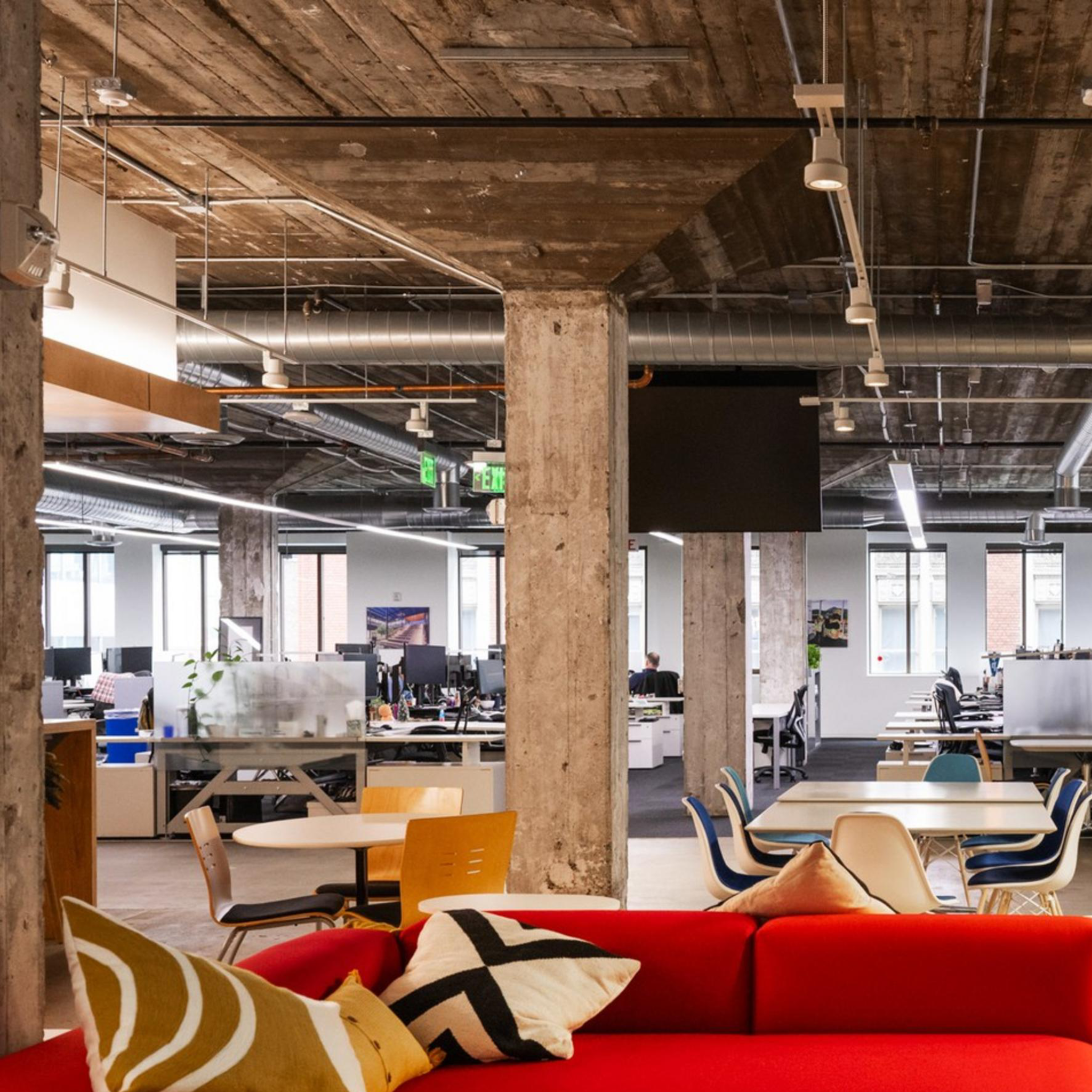
Credit: sfstandard.com
Office Decorations As Capital Assets
Office decorations can sometimes be considered capital assets. This depends on their nature and how long they last. Understanding this helps with accounting and tax reporting. It clarifies whether these items are expenses or investments.
What Qualifies As Capital Property
Capital property is an asset that lasts more than one year. It is used in the business to generate income. Office decorations become capital property if they meet these criteria:
- They have a useful life longer than 12 months.
- They add value to the office space.
- They are not consumed quickly or replaced often.
Examples include artwork, sculptures, or custom installations. These items are recorded on the balance sheet as assets.
Types Of Office Decorations Included
Not all decorations qualify as capital assets. Some common types that may qualify include:
- Framed paintings and prints with long-term use.
- Sculptures and large decorative pieces.
- Custom-made lighting fixtures that enhance the office.
- Built-in wall art or decorative panels.
Small, inexpensive items like plants or posters usually do not qualify. Their cost and lifespan are too low.
Distinguishing Between Capital And Expense
Capital assets differ from expenses in accounting treatment. Expenses are costs that are used up quickly. They are deducted in the year they occur. Capital assets are recorded as property and depreciated over time.
Consider these points to distinguish them:
- Expense: Low-cost items with short life.
- Capital: High-cost items with long life.
- Expense: Used immediately or within months.
- Capital: Used over several years.
This distinction affects tax deductions and financial statements. Correct classification helps in accurate bookkeeping.

Credit: www.instagram.com
Tax Benefits Of Capitalizing Decorations
Capitalizing office decorations can provide significant tax benefits that might not be obvious at first glance. Instead of deducting the entire cost as an expense, you treat these decorations as assets. This approach can affect your financial statements and tax returns in ways that could benefit your business over time.
Depreciation And Amortization Rules
When you capitalize decorations, you don’t write off the full cost immediately. Instead, you spread the expense over several years through depreciation or amortization. This means you deduct a portion of the cost each year based on IRS guidelines.
Understanding which method applies to your decorations is key. For example, if the items have a useful life of more than one year, depreciation usually applies. This lets you balance your expenses over time instead of taking a big hit in one tax year.
Impact On Taxable Income
Capitalizing decorations reduces your taxable income gradually. Each year’s depreciation deduction lowers your taxable profits, which can mean paying less in taxes annually.
This approach can be a smart way to manage your tax liability. Instead of a large expense that might not align with your cash flow, you get steady tax relief that matches the asset’s use.
Long-term Financial Advantages
Capitalizing office decorations can improve your business’s financial health over time. It helps you avoid sharp drops in profit during the year you purchase the decorations.
Additionally, it can make your business look more stable to investors or lenders by smoothing out expenses. Have you considered how spreading out these costs might affect your cash flow planning for the next few years?
Claiming Deductions For Office Decor
Decorating your office can enhance productivity and create a pleasant work environment. But did you know that you might be able to claim tax deductions for your office decor? Understanding which items qualify as deductible expenses is important for any business owner. This section will explore eligible expenses, record-keeping best practices, and common mistakes to avoid when claiming deductions for office decorations.
Eligible Expenses
Not all office decorations are deductible. Generally, the IRS allows deductions for items that are necessary and ordinary for your business. Eligible expenses might include:
- Furniture, such as desks and chairs
- Art pieces, if they serve a business purpose
- Office supplies, like lamps and curtains
- Technology, such as computers and printers
These items must be used specifically for business purposes. Personal items or those used at home are not eligible.
Record-keeping Best Practices
Proper documentation is crucial for claiming deductions. Keep all receipts for purchases related to office decor. Maintain a detailed record of each item, including its cost and purchase date. Store these records in a safe and accessible place. Digital copies can also help to keep track of expenses efficiently.
Also, consider using accounting software to organize and manage your records. This will streamline the process and reduce errors.
Common Mistakes To Avoid
Many business owners make errors when claiming deductions. Avoid these common pitfalls:
- Mixing personal and business expenses
- Failing to keep proper documentation
- Overestimating the value of items
- Neglecting to update records regularly
Ensure that all claimed expenses are strictly for business use. Double-check your records before filing taxes to avoid issues with the IRS.
Special Considerations By Business Type
Understanding how office decorations are treated as capital expenses depends heavily on the type of business you operate. Different business structures and environments bring unique rules and practical considerations. This section breaks down these nuances to help you decide what fits your situation.
Small Business Vs. Large Corporations
Small businesses often have tighter budgets and simpler accounting practices. You might wonder if a decorative item like a branded wall clock qualifies as a capital expense or just a regular cost. Usually, small businesses can deduct smaller decoration costs immediately but must capitalize more expensive items that last longer than a year.
Large corporations, on the other hand, typically have stricter accounting rules and separate departments managing capital assets. They are more likely to treat significant office decorations—like custom furniture or artwork—as capital expenses. These companies often depreciate these assets over several years, spreading the cost on their financial statements.
Home Office Decoration Expenses
Decorations in a home office introduce another layer of complexity. If you use your home office exclusively for business, certain decoration costs might qualify as capital expenses. However, if the decoration serves personal use too, deducting these costs becomes tricky and often limited.
Think about items like ergonomic chairs or shelves that improve your workspace’s functionality. These are more likely to be capitalized than purely aesthetic decorations like posters or plants. Ask yourself: does this decoration improve my work environment or just make it look nicer?
Industry-specific Guidelines
Some industries have specific rules about office decorations and capital expenses. For example, creative agencies might capitalize high-value art that enhances their brand image. Meanwhile, retail businesses could treat display fixtures as capital expenses since they directly relate to sales.
Healthcare providers may face stricter regulations on office modifications due to safety and compliance standards. Always check if your industry has guidelines from tax authorities or professional associations. This can save you from costly mistakes and ensure you maximize your deductions legally.
Steps To Maximize Tax Savings
Maximizing tax savings on office decorations can significantly impact your business’s bottom line. Taking the right steps ensures you don’t miss out on deductions and credits that could reduce your taxable income. Understanding how to approach these expenses thoughtfully can turn ordinary purchases into strategic financial moves.
Consulting Tax Professionals
Tax rules around office decorations can be tricky and vary by location and business type. Speaking with a tax professional helps you understand which items qualify as capital expenses versus regular deductions.
A tax advisor can also guide you on record-keeping and reporting. This reduces the risk of audits and ensures you claim the maximum allowed deductions.
Timing Purchases Strategically
When you buy office decorations can affect your tax benefits. Making purchases late in the fiscal year might allow you to deduct or capitalize expenses within that tax period.
Think about your business’s income cycle and tax bracket changes throughout the year. Planning your buys accordingly can increase your overall savings.
Utilizing Tax Credits And Incentives
Some office decoration expenses may qualify for tax credits or special incentives, especially if they improve energy efficiency or accessibility.
Check if your local or federal government offers programs that apply to your purchases. Claiming these credits can lower your tax bill directly, beyond just reducing taxable income.

Credit: www.instagram.com
Frequently Asked Questions
Are Office Decorations Considered Capital Expenses?
Office decorations are generally classified as capital expenses if they add lasting value. Small or inexpensive items may be treated as regular expenses.
When Can Office Decorations Be Expensed Immediately?
If office decorations cost below a certain threshold, they can be expensed immediately. Check your company’s policy or tax guidelines for specific limits.
How To Classify Office Decorations For Tax Purposes?
Classify office decorations based on cost and useful life. High-cost, long-lasting items are capitalized; low-cost, short-term items are expensed.
Do Office Decorations Improve Business Asset Value?
Certain office decorations enhance the asset value if they are permanent fixtures or renovations. Simple decorations typically do not increase asset value.
Conclusion
Office decorations can be a valid business expense in many cases. They often qualify as capital costs if they improve or add value to the workspace. Small items might be deductible right away, but larger purchases usually need to be capitalized.
Keeping good records helps when claiming these expenses. Always check current tax rules or ask a professional for advice. Understanding these details saves money and avoids trouble. Decorating your office smartly supports both comfort and tax benefits. Simple steps make a big difference in managing office costs.