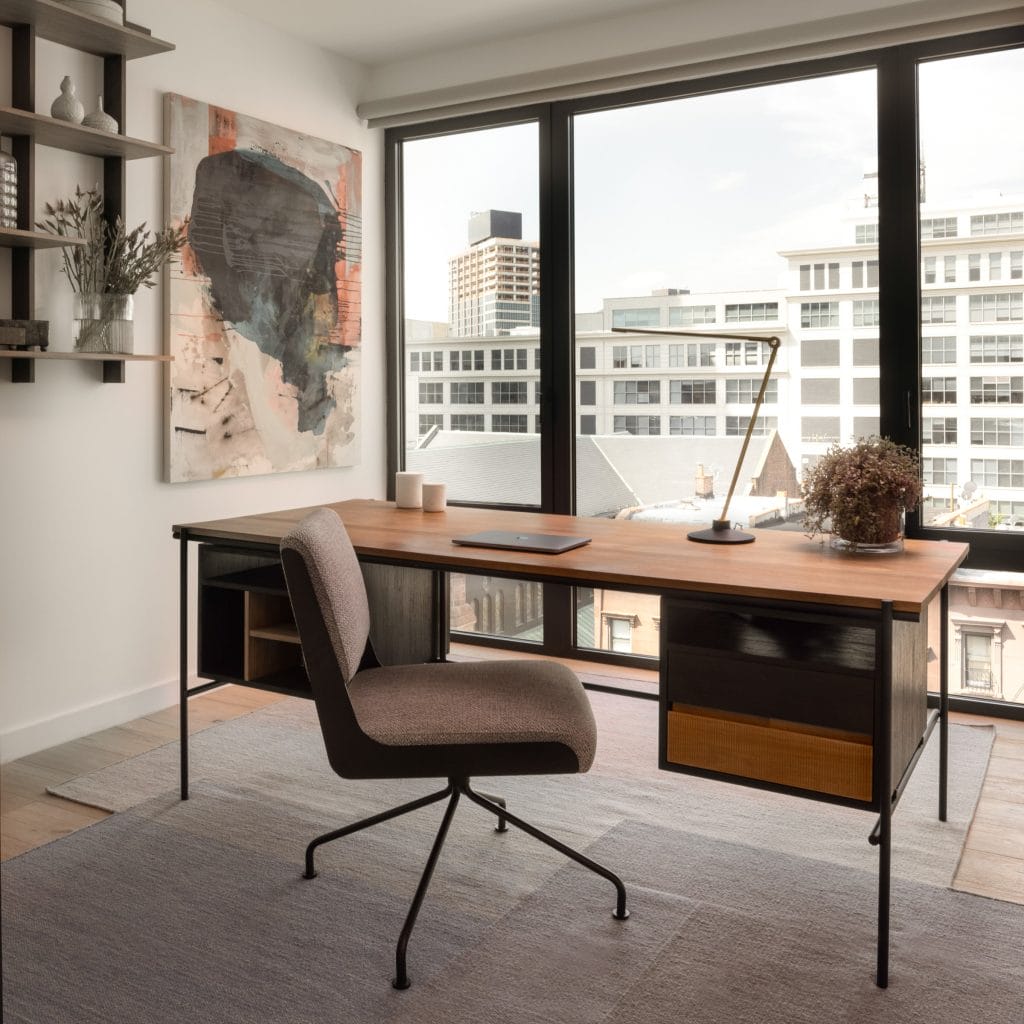
How do you decorate your office so it feels both inspiring and comfortable? Your workspace is more than just a place to work—it shapes how you think, create, and even how productive you are.
Imagine walking into your office every day and feeling a boost of energy and focus. That’s exactly what the right decoration can do for you. You’ll discover simple yet powerful ways to transform your office into a space you love.
Ready to make your office work for you? Let’s dive in.
Choose A Color Scheme
Choosing the right color scheme sets the tone for your office space. Colors affect mood, energy, and productivity. A well-planned palette can create a calm, focused environment or an inspiring, creative one. Think about the kind of work you do and how colors influence your mindset.
Colors That Enhance Focus
Blue tones promote calmness and help keep your mind clear. Green brings balance and reduces eye strain. Soft shades of gray or beige create a neutral background that minimizes distractions. Avoid overly bright colors that can cause stress or fatigue.
- Light blue for calm and clarity
- Soft green for balance and relaxation
- Neutral gray for a clean and simple look
Balancing Bright And Neutral Tones
Use bright colors as accents to add energy without overwhelming the space. A splash of yellow or orange can boost creativity and mood. Pair these with neutral walls and furniture to keep the room grounded. This balance helps maintain focus while keeping the office lively.
- Neutral walls with colorful accessories
- Bright cushions or artwork for pops of color
- Mix soft tones with vibrant accents
Optimize Lighting
Optimizing lighting in your office creates a bright and inviting space. Good lighting reduces eye strain and boosts focus. It makes the room feel larger and more comfortable.
Choosing the right balance of light sources helps improve mood and productivity. Combining natural and artificial lights works best. Each type of lighting serves a unique purpose in your workspace.
Benefits Of Natural Light
Natural light improves energy levels throughout the day. It helps regulate your body clock and sleep patterns. Exposure to sunlight also lifts your mood and reduces stress.
Place desks near windows to capture daylight. Avoid heavy curtains that block sunlight. Use sheer curtains to soften harsh light without losing brightness.
Natural light also saves electricity. It lowers your need for artificial lights during daytime hours. This makes your office eco-friendly and cost-effective.
Using Task And Ambient Lighting
Task lighting focuses on specific work areas. Desk lamps or adjustable lights help you see details clearly. They reduce eye strain during reading or computer work.
Ambient lighting provides general illumination. Ceiling lights or wall sconces create a warm and even glow. This light fills the room and prevents shadows.
Combine both types for a well-lit office. Use dimmers to adjust light levels as needed. This flexibility adapts lighting to different tasks and times.
Incorporate Functional Furniture
Choose furniture that serves multiple purposes to save space and keep the office tidy. Desks with storage or chairs that fold help create a neat, organized work area. Functional pieces make the office both practical and comfortable.
Incorporating functional furniture into your office can transform your workspace. It boosts productivity and creates a comfortable environment. Functional pieces are not just about aesthetics; they serve a purpose. They make your office efficient and organized. With the right furniture, your office becomes a place where work flows seamlessly.Ergonomic Chairs And Desks
Ergonomic chairs and desks support your posture. They reduce strain on your back and neck. Comfort leads to better focus and fewer distractions. Adjustable chairs offer personalized seating. Desks with proper height support your wrists while typing. Choose furniture that fits your body and work style.Space-saving Solutions
Space-saving solutions maximize office space. Compact desks fit into small areas. Wall-mounted shelves store items without cluttering the floor. Multi-functional furniture serves dual purposes. A desk with storage keeps essentials within reach. Use furniture to create an open and tidy environment.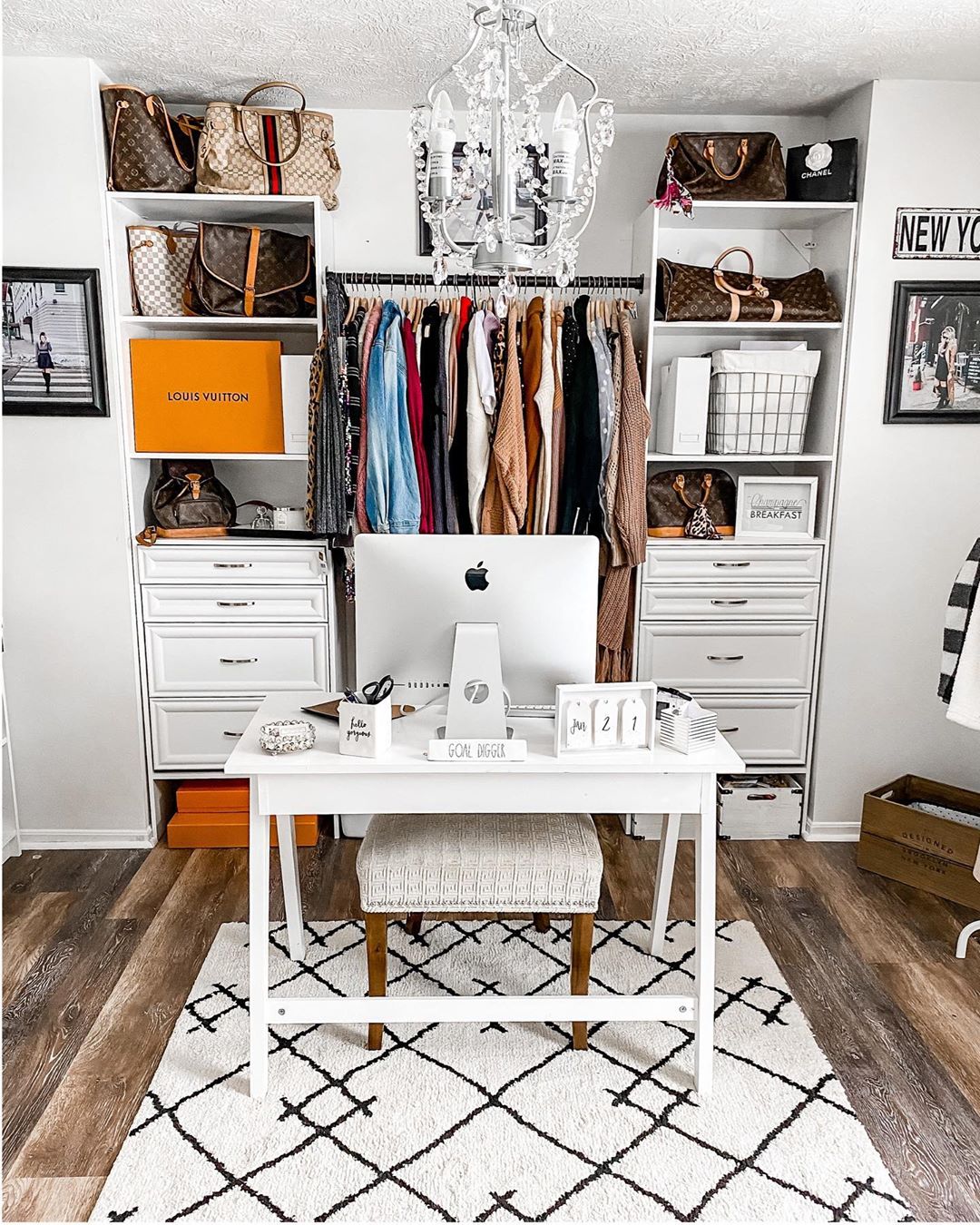
Credit: www.extraspace.com
Add Greenery
Adding greenery to your office brings life and freshness to the space. Plants create a calm, inviting atmosphere that helps reduce stress. They also improve air quality and make your workspace more enjoyable. Greenery is a simple way to brighten dull corners and add color naturally.
Low-maintenance Plants
Choose plants that need little care for busy office days. Snake plants, pothos, and ZZ plants thrive with minimal water and light. Succulents and cacti also require very little attention. These plants survive well in indoor conditions and do not demand daily care.
- Snake Plant: Tolerates low light and irregular watering.
- Pothos: Grows fast and adapts to many environments.
- ZZ Plant: Needs low light and infrequent watering.
- Succulents: Store water, perfect for forgetful owners.
- Cacti: Survive dry air and bright light easily.
Benefits Of Indoor Plants
Plants clean the air by removing harmful toxins. They increase oxygen levels, which helps concentration. Greenery also reduces noise by absorbing sound. Seeing plants lowers blood pressure and boosts mood. A touch of nature enhances creativity and productivity.
Personalize Your Space
Personalizing your office space transforms it from a generic area into a place where you feel motivated and comfortable. It reflects your personality and keeps you connected to what matters most during your workday. How can you make your office truly yours?
Meaningful Artwork And Photos
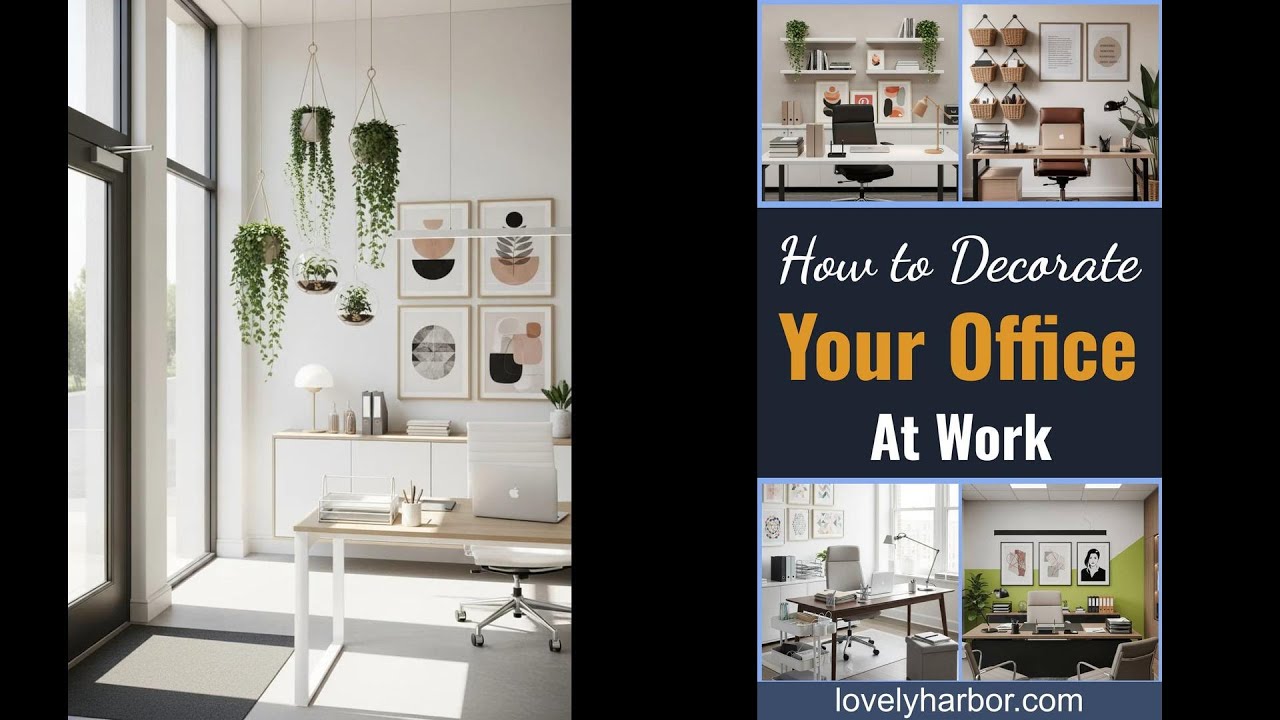
Adding artwork that speaks to you can boost your mood and creativity. Choose pieces that inspire or calm you, whether it’s a vibrant painting or a simple sketch. Photos of family, friends, or memorable trips remind you of your support system and happy moments.
Think about rotating your artwork or photos regularly to keep your space fresh. You might hang a favorite print above your desk or place a framed photo where it catches your eye often. This personal touch makes your workspace feel welcoming and unique.
Inspiring Quotes And Decor
Quotes that resonate with your goals can serve as daily motivation. Pick phrases that encourage focus, resilience, or positivity. Display them on your wall, desk, or even your computer screen saver.
Besides quotes, small decor items like plants, colorful stationery, or unique desk organizers add character. These little details can make your work environment more enjoyable and less sterile. What small change could brighten your day right now?
Credit: www.youtube.com
Create Organized Storage
Creating organized storage in your office improves productivity and reduces stress. A neat space helps you find items quickly and keeps your mind clear. Thoughtful storage solutions make your office look tidy and inviting. You can combine function and style with smart organization.
Decluttering Tips
Start by removing items you no longer use. Sort papers into categories like urgent, to file, or recycle. Keep only essential supplies on your desk. Use trays or small bins to group similar items. Clear surfaces create a calm and focused work area.
Creative Storage Ideas
Use vertical space with shelves or wall-mounted organizers. Label boxes and drawers for easy identification. Store cables and chargers in small containers to prevent tangles. Use drawer dividers for pens, clips, and other small items. Consider multi-functional furniture like desks with built-in storage.
Designate Zones
Designating zones in your office helps create order and improves focus. Each area serves a distinct purpose, making your space more efficient. Clear zones reduce distractions and boost productivity. Organize your office into work, relaxation, and meeting areas. Use rugs and dividers to define these zones clearly.
Work
The work zone is where tasks get done. Choose a desk and chair that support good posture. Keep supplies and tools within arm’s reach. Arrange your computer, keyboard, and monitor for comfort. Bright, focused lighting helps reduce eye strain. This area should inspire concentration and minimize interruptions.
Relaxation
Rest zones encourage short breaks to refresh the mind. Include comfortable seating like a soft chair or small sofa. Add calming elements such as plants or soft lighting. This space can help reduce stress and increase creativity. Keep it separate from the work area to signal downtime.
Meeting Areas
Meeting zones support collaboration and communication. Use a table with enough chairs for your team. Ensure good lighting and minimal noise for clear conversations. This area benefits from whiteboards or corkboards for sharing ideas. Keep it tidy to maintain a professional vibe.
Using Rugs And Dividers
Rugs visually separate zones without walls. Choose rugs that contrast with your floor color. This creates a clear boundary between areas. Dividers add privacy and reduce noise distractions. Options include folding screens, bookcases, or plants. Combine rugs and dividers to define spaces beautifully.
Incorporate Technology
Technology shapes modern offices. It improves comfort and boosts productivity. Integrating tech tools creates a smart workspace. This section covers easy ways to incorporate technology in office decoration.
Cable Management
Messy cables spoil an office’s look. Use cable organizers to keep wires neat and hidden. Clips, sleeves, and boxes help group cords together. A tidy desk reduces stress and distractions. Label cables for quick identification and easier maintenance. Good cable management improves safety by avoiding trip hazards.
Smart Office Gadgets
Smart devices make work easier and more fun. Consider voice-controlled assistants to manage tasks and schedules. Wireless chargers reduce clutter on your desk. Smart lighting adapts to your mood and time of day. Automated blinds control sunlight and temperature. These gadgets add convenience and a modern touch to the office.
Add Textures And Patterns
Adding textures and patterns to your office can transform a plain space into a dynamic and inspiring environment. These elements bring depth and personality, making your workspace feel more comfortable and inviting. Think about how the right texture or pattern can spark creativity or help you focus better throughout the day.
Mixing Materials
Combining different materials like wood, metal, and fabric can create a rich tactile experience in your office. Imagine a sleek metal desk paired with a soft wool rug—it’s a simple way to add contrast and interest. You don’t need to use expensive items; even a textured throw pillow on your chair or a cork bulletin board can make a difference.
Try mixing smooth and rough surfaces to keep your space lively. How does your desk feel under your fingertips? Could adding a leather chair or a woven basket improve the vibe? These small material choices affect how your office feels and can change your mood throughout the day.
Using Patterns To Energize
Patterns can inject energy and personality into your office without overwhelming the senses. Stripes, geometric shapes, or subtle florals on cushions, curtains, or wall art can make a big impact. Think about which patterns resonate with you—do you prefer bold prints that keep you alert or softer designs that calm your mind?
Don’t hesitate to mix patterns, but keep a consistent color palette to avoid chaos. You might pair a striped rug with a dotted lamp shade or a patterned notebook with a floral calendar. These thoughtful touches keep your space visually interesting and help maintain your focus.
Maintain Flexibility
Keeping your office layout flexible allows easy changes as needs evolve. Movable furniture and modular decor help adapt the space quickly. This way, your office stays functional and fresh without much effort.
Maintaining flexibility in your office setup is crucial for fostering creativity and accommodating growth. A dynamic workspace can adapt to your evolving needs without requiring constant overhauls. By prioritizing flexibility, you ensure that your office can transform with your workflow, supporting both productivity and comfort.Modular Furniture
Modular furniture is your best friend when it comes to creating a flexible office environment. These pieces can be rearranged and adjusted to fit various configurations, making them perfect for both solo work and collaborative sessions. Think about a modular desk that can expand with your projects or stackable chairs that can be moved around easily. This type of furniture allows you to change your office layout whenever inspiration strikes. Moreover, consider investing in adjustable shelving units. They offer the freedom to adjust the height of your shelves, accommodating everything from books to oversized design prototypes. This adaptability is perfect for keeping your office organized as your storage needs change.Adapting To Changing Needs
Your office should be as dynamic as your work. As your projects evolve, so should your workspace. Are you prepared to reconfigure your office to meet new demands? Implementing a flexible layout means you can switch from a focused work area to a collaborative brainstorming hub in minutes. For instance, using movable partitions allows you to create separate zones for different tasks, ensuring that your space matches your current priorities. Also, think about technology integration. Ensure that your office infrastructure supports easy updates and expansions, whether it’s for adding new software or accommodating more devices. This adaptability prevents technological bottlenecks that can slow down progress. Flexibility is not just about furniture; it’s about mindset. Embrace the idea of change and see how it can enhance your workspace to better suit your ever-changing professional life. How will you transform your office to meet tomorrow’s challenges today?
Credit: harrisbrushes.com
Frequently Asked Questions
How Can I Make My Office More Productive?
To boost productivity, use ergonomic furniture and natural lighting. Keep your space organized and add plants for freshness. Personalize with motivational art and minimize distractions to stay focused.
What Are The Best Colors For Office Walls?
Choose colors like blue, green, or soft gray to enhance focus and calmness. Avoid overly bright colors that may cause distraction or stress. Consider your brand colors for a cohesive look.
How Do I Decorate A Small Office Space?
Use vertical storage and multi-functional furniture to save space. Keep decorations minimal and opt for light colors to create an open feel. Mirrors can also add depth and brightness.
What Accessories Improve Office Comfort And Style?
Add ergonomic chairs, adjustable desks, and soft lighting for comfort. Use rugs, cushions, and artwork to enhance style. Incorporate plants to improve air quality and mood.
Conclusion
Decorating your office shapes how you feel and work daily. Choose items that bring calm and boost focus. Add colors and plants to make the space lively. Keep things tidy to avoid stress and distraction. Personal touches make the office feel like your own.
Small changes can create a big difference in mood. Enjoy your workspace and let it inspire productivity. A well-decorated office helps you do your best work.