Have you ever wondered just how big the niche market for decorative lighting really is? Whether you’re a business owner looking to tap into new opportunities or someone curious about the latest trends, understanding this market can give you a clear edge.
Decorative lighting isn’t just about brightening a room—it’s about creating moods, enhancing spaces, and expressing style. Keep reading to discover the surprising size of this market and what it means for your next move. You might find more potential here than you ever imagined.
Market Size And Value
The niche market for decorative lighting has been expanding steadily, capturing the attention of both homeowners and businesses. Understanding the market size and value can help you identify opportunities and make smarter investment choices. Let’s break down the numbers and what they mean for you.
Current Market Statistics
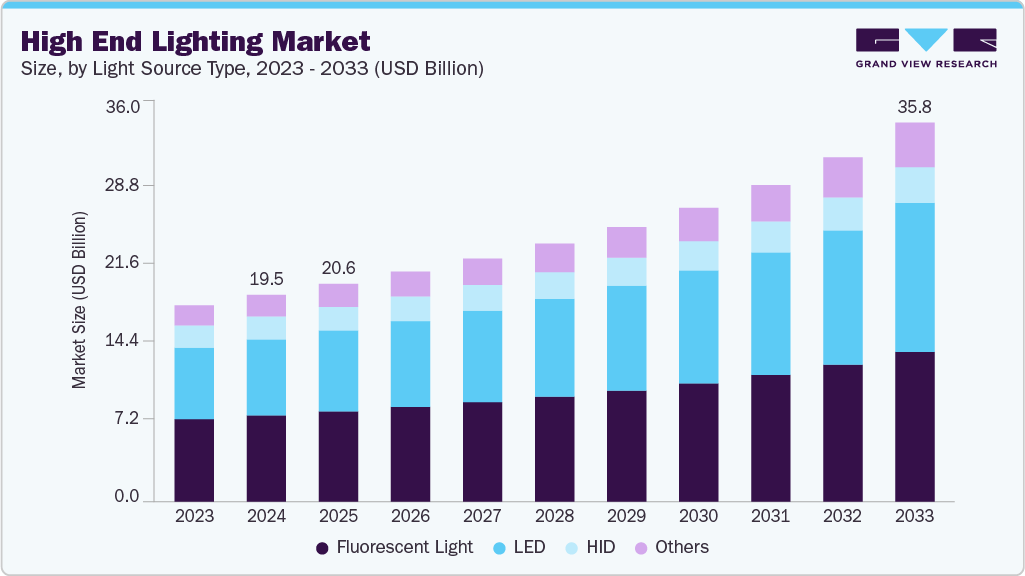
The global decorative lighting market is currently valued at approximately $25 billion. It is growing at an annual rate of around 7%, driven by increasing demand for unique home décor and commercial ambiance enhancements.
LED-based decorative lighting holds the largest share, thanks to energy efficiency and design flexibility. Consumers are showing a clear preference for smart lighting options that offer customization and remote control.
Revenue Generation
Revenue in this sector comes from various sources such as retail sales, online platforms, and custom installations. Retail stores contribute about 40% of total revenue, while e-commerce has surged to nearly 35% in recent years.
Custom installations for hotels, restaurants, and event spaces account for the remaining 25%. If you plan to enter this market, consider how you can cater to both individual buyers and commercial clients to maximize profits.
Regional Market Breakdown
| Region | Market Share (%) | Growth Rate (%) |
|---|---|---|
| North America | 30 | 5 |
| Europe | 25 | 6 |
| Asia-Pacific | 35 | 9 |
| Rest of the World | 10 | 4 |
Asia-Pacific leads with the highest market share and fastest growth, driven by urbanization and rising disposable incomes. North America and Europe maintain steady demand, influenced by lifestyle trends and technological adoption.
Are you focusing your efforts on the right region? Understanding where your potential customers are can shape your marketing and product development strategies effectively.

Credit: www.grandviewresearch.com
Key Market Segments
As you delve into the world of decorative lighting, understanding the key market segments can illuminate the path to successful choices, whether you’re sprucing up your home, enhancing a commercial space, or beautifying your garden. Each segment holds unique opportunities and trends that cater to different needs and preferences. Let’s explore how these segments shape the decorative lighting market and how you can take advantage of them.
Residential Decorative Lighting
Residential decorative lighting is all about transforming your living spaces into personalized havens. Imagine walking into a room where the lighting reflects your style and mood perfectly. From elegant chandeliers to modern pendant lights, the choices are vast. Consider the impact of ambient lighting in your living room or the charm of a statement piece in your dining area. Your lighting decisions can redefine the atmosphere of your home.
Commercial Decorative Lighting
Commercial spaces have their own set of needs when it comes to decorative lighting. It’s not just about illumination; it’s about creating an environment that enhances the customer experience and boosts employee productivity. Think about the impact of lighting in a restaurant setting—it sets the mood for dining. In retail, strategic lighting can highlight products and influence purchasing decisions. How can your business leverage decorative lighting to stand out?
Outdoor And Landscape Lighting
Outdoor and landscape lighting extends the beauty of your property beyond the walls of your home or business. It’s about crafting a visual experience that draws attention and invites admiration. Picture your garden paths lit with soft, guiding lights or your patio illuminated for evening gatherings. Landscape lighting doesn’t just serve a functional purpose; it adds a layer of aesthetic appeal that can transform any outdoor space. What story do you want your outdoor lighting to tell?
Growth Drivers
The niche market of decorative lighting is expanding rapidly, fueled by several key growth drivers. Understanding these factors can help you tap into emerging opportunities and make smarter decisions whether you are a business owner or a consumer looking for the latest trends. Let’s break down what’s pushing this market forward and why it matters to you.
Technological Innovations
Advances in technology are transforming decorative lighting more than ever before. LED lights, smart bulbs, and app-controlled lighting systems offer you new ways to customize your space with ease and precision.
Imagine adjusting the ambiance of your room right from your phone or syncing lights to your music. These innovations make lighting not just functional but an interactive part of your environment.
Are you using the latest lighting tech to enhance your home or business? If not, you might be missing out on both energy savings and creating a unique atmosphere.
Rising Consumer Demand
Consumers today want more than just basic lighting; they seek style, mood-setting, and personality in their fixtures. This shift in demand encourages designers and manufacturers to offer diverse and customizable options.
People are investing in decorative lighting to reflect their tastes and lifestyles, whether for cozy home corners or vibrant commercial spaces.
Think about your own space—how much does your lighting say about you? This rising demand means more variety and better quality for everyone.
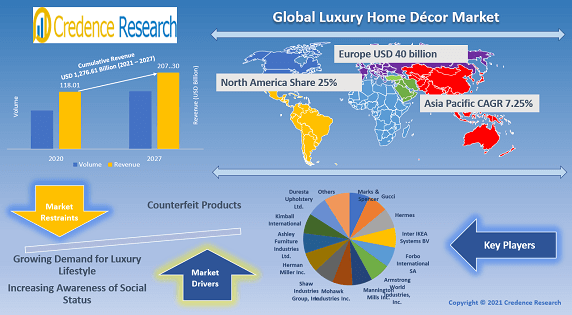
Sustainability Trends
Eco-consciousness is reshaping how decorative lighting products are designed and marketed. You’ll find more energy-efficient lights and materials that reduce environmental impact without sacrificing style.
Choosing sustainable lighting options helps you lower your carbon footprint and save on electricity bills. It’s a win-win that aligns with growing global awareness about environmental responsibility.
Have you considered how your lighting choices affect the planet? Sustainability is becoming a crucial factor in buying decisions, influencing the entire industry’s growth trajectory.
Credit: www.credenceresearch.com
Challenges And Barriers
The niche market of decorative lighting faces several challenges that can slow growth and limit opportunities. These barriers affect new and existing businesses alike. Understanding these hurdles helps companies prepare better strategies and adapt to market demands.
Investment demands, competition, and legal rules shape the market landscape. These factors require careful planning and resource management. Below are key challenges that define this niche.
High Initial Costs
Starting a decorative lighting business needs significant upfront investment. Quality materials, skilled labor, and design tools add to expenses. Small businesses may struggle to afford these costs.
Manufacturing and sourcing unique lighting products often require large orders. This raises inventory and storage costs. High initial costs can delay market entry or expansion plans.
Market Competition
The decorative lighting market has many players, from large brands to local artisans. Standing out requires strong branding and unique designs. Customers have many options, making loyalty hard to build.
Price competition is intense, forcing companies to balance quality and affordability. Newcomers face difficulty gaining visibility among established competitors.
Regulatory Constraints
Lighting products must meet strict safety and energy standards. Compliance involves testing and certification processes that take time and money. Non-compliance risks fines and product recalls.
Different regions have varied regulations, complicating international sales. Businesses must stay updated on changing laws to avoid legal issues.
Emerging Opportunities
The decorative lighting niche is rapidly evolving, opening up fresh opportunities for businesses and enthusiasts alike. New technologies and changing consumer preferences are shaping how people use lighting to enhance spaces. Understanding these emerging trends can help you tap into a growing market with high potential.
Smart Lighting Solutions
Smart lighting is no longer just a luxury; it’s becoming a standard feature in homes and commercial spaces. These systems allow users to control brightness, color, and timing through apps or voice commands. Imagine adjusting your room’s mood lighting from your phone as you arrive home—this convenience drives demand.
Manufacturers are now integrating energy efficiency with smart features, making these products attractive to eco-conscious buyers. If you’re considering a business in decorative lighting, offering smart options could set you apart immediately.
Customization And Personalization
Consumers want lighting that reflects their personality and style, not just generic products. Customizable options—like color choices, shapes, and materials—allow you to meet this desire. When I swapped out standard fixtures for personalized designs in my own home, the difference was striking.
Offering personalization can increase customer engagement and satisfaction. Are you ready to provide lighting solutions that your customers can tweak to fit their unique tastes?
Expanding E-commerce Channels
The rise of online shopping has transformed how decorative lighting reaches customers. Platforms like Etsy, Amazon, and specialized websites make it easier to showcase unique products to a global audience. This shift means you can scale your business without the constraints of physical stores.
Digital marketing and social media amplify your reach, letting you target specific buyer groups with precision. Have you explored the potential of various online channels to boost your lighting sales?

Credit: www.grandviewresearch.com
Future Market Projections
The niche market for decorative lighting is set for notable changes in the coming years. Future market projections highlight growth trends, possible shifts in consumer preferences, and investment opportunities. These factors shape the landscape for manufacturers and retailers focused on decorative lighting. Understanding these projections helps businesses prepare for evolving demand and market conditions.
Expected Growth Rates
The decorative lighting market is expected to grow steadily over the next decade. Analysts predict an average annual growth rate of 6% to 8%. This growth is driven by rising interest in home decor and smart lighting technology. Urbanization and increasing disposable income also support market expansion. Growth rates may vary across regions depending on economic and cultural factors.
Potential Market Shifts
Consumer tastes are shifting towards energy-efficient and customizable lighting solutions. LED and smart lights gain popularity due to their functionality and design options. Sustainability concerns push demand for eco-friendly materials and production methods. Online sales channels continue to expand, changing how customers discover and buy decorative lighting. These shifts influence product development and marketing strategies.
Investment Outlook
Investors show growing interest in the decorative lighting niche. Startups offering innovative designs and smart features attract funding. Established companies invest in research to improve energy efficiency and connectivity. Market entry costs remain moderate, encouraging new players. Overall, the investment environment is favorable for businesses focused on future trends in lighting.
Top Players And Strategies
The decorative lighting niche market is shaped by a handful of influential players who set trends and push boundaries. Understanding their strategies gives you a clear picture of where the industry is headed. These companies don’t just sell products; they create experiences that resonate with your taste and lifestyle.
Leading Brands
Brands like Philips Hue, IKEA, and LIFX dominate the decorative lighting space. They’ve built reputations for quality, innovation, and design. Philips Hue, for example, combines smart technology with aesthetic appeal, making lighting an interactive part of your home.
IKEA’s approach focuses on affordability and style, appealing to a broad audience. Meanwhile, LIFX offers vibrant colors and easy integration with smart home systems. These brands continuously adapt to changing consumer needs, ensuring they stay relevant in a competitive market.
Innovative Product Launches
Innovation drives success in decorative lighting. Recent launches include energy-efficient LED strips that sync with music or change colors based on your mood. These products don’t just light up a room; they transform it.
Some brands have introduced modular lighting systems that you can customize to fit any space. Imagine adjusting your lighting setup as easily as you rearrange furniture. This level of flexibility invites you to experiment and express your personality.
Marketing Approaches
Successful brands invest heavily in storytelling and customer engagement. Social media campaigns featuring user-generated content show how real people use decorative lighting in their homes.
Collaborations with interior designers and influencers also play a key role. They help potential buyers visualize how lighting can enhance their living spaces. Have you noticed how a well-placed lamp or a string of fairy lights changes the vibe of a room? That’s the kind of emotional connection marketers aim to create.
Frequently Asked Questions
What Is The Current Size Of The Decorative Lighting Market?
The decorative lighting market is valued at several billion dollars globally. It is growing steadily due to rising home decor trends and commercial demand. This niche sector includes LED, smart lighting, and artistic fixtures, driving innovation and increased consumer interest worldwide.
Which Factors Influence The Growth Of Decorative Lighting?
Growth is influenced by urbanization, rising disposable income, and technological advancements. Increased demand for aesthetic and functional lighting in homes and businesses also plays a key role. Additionally, eco-friendly and energy-efficient options boost market expansion.
How Does Decorative Lighting Impact Interior Design Trends?
Decorative lighting enhances ambiance, highlights architectural features, and adds style. It serves both functional and artistic purposes, influencing modern interior design heavily. Designers use it to create mood and visual interest, making spaces more appealing and personalized.
What Are The Main Types Of Decorative Lighting Products?
Common types include chandeliers, wall sconces, pendant lights, and string lights. LED and smart lighting options are increasingly popular for energy efficiency and customization. Each type serves unique aesthetic and practical needs in residential and commercial spaces.
Conclusion
The decorative lighting niche market is growing steadily. Consumers want unique lights to brighten homes and spaces. Small businesses find chances to offer special products. Trends show demand for energy-saving and stylish designs. This market stays strong with creative ideas and new styles.
Many buyers enjoy personalizing their rooms with lighting. The niche offers a mix of art and function. Overall, decorative lighting holds a solid place in home decor. It continues to attract buyers looking for charm and warmth.