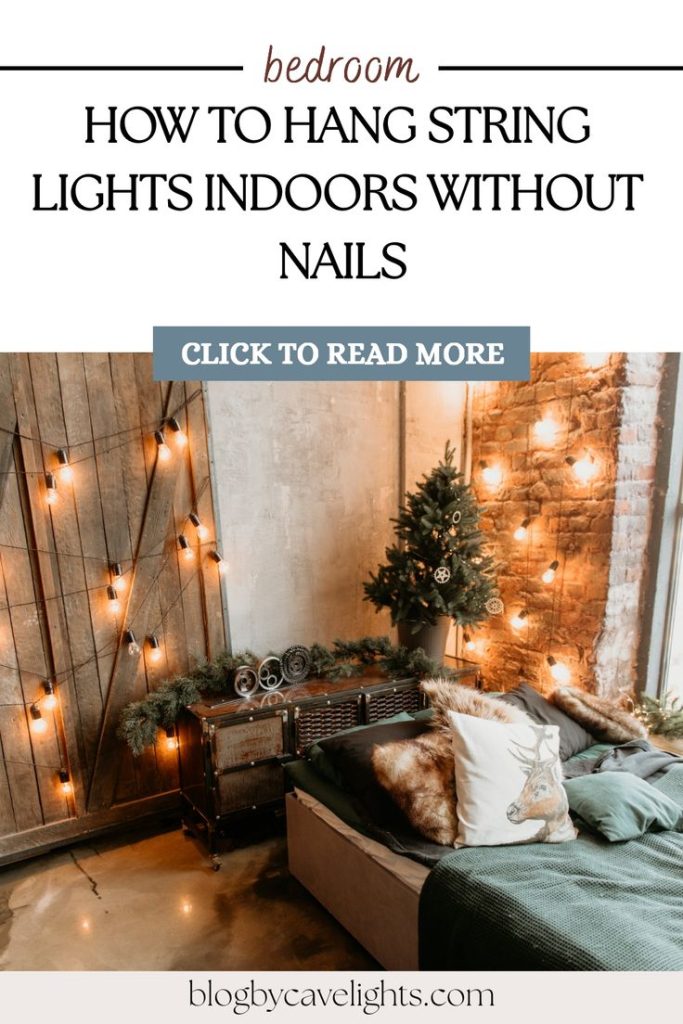
Are you ready to transform your space with a warm, inviting glow? Hanging decorative lights inside your home is one of the easiest and most effective ways to add charm and personality to any room.
Whether you want to create a cozy corner, highlight a special area, or simply brighten up your living space, the right lighting can make all the difference. In this guide, you’ll discover simple, practical steps to hang your decorative lights safely and beautifully—no experience needed.
Keep reading to unlock the secrets that will help you create a stunning atmosphere that friends and family won’t stop talking about.
Choosing The Right Lights
Choosing the right decorative lights can transform your indoor space instantly. The right lights highlight your style and create the perfect ambiance. But with so many options available, how do you pick lights that fit your room and mood?
Types Of Decorative Lights
There are various types of decorative lights to suit different tastes and needs:
- String Lights:Classic and versatile, great for wrapping around furniture or outlining windows.
- Fairy Lights:Tiny bulbs on thin wires, perfect for delicate, subtle glows on shelves or inside jars.
- LED Strip Lights:Flexible strips that stick to surfaces, ideal for under cabinets or behind TVs.
- Lantern Lights:Provide a cozy, vintage feel with paper or metal shades.
Think about the atmosphere you want—do you want soft and warm or bright and colorful? This helps narrow down the type.
Consider Energy Efficiency
Energy-efficient lights save you money and reduce your carbon footprint. LED lights are a smart choice because they use less electricity and last longer than traditional bulbs.
Choosing energy-efficient options means you can keep your lights on longer without worrying about high bills. Have you checked the energy rating before buying your lights?
Selecting The Right Length And Style
Measure the space where you want to hang your lights to avoid running out or having too much excess. Lights that are too short won’t cover the area well, while too long can look messy.
Style matters too—choose colors and bulb shapes that match your decor. Warm white bulbs often create a cozy feel, while multicolored ones add a playful vibe.
Ask yourself: Do you want your lights to blend in or stand out as a statement piece? This will guide your choice in both length and style.

Credit: www.digsdigs.com
Preparing Your Space
Clear the area where you want to hang the lights. Measure the space to ensure the lights fit well and plan where to place hooks or nails. Make sure the surface is clean and dry for better attachment.
Preparing your space is crucial for hanging decorative lights inside. It ensures a seamless and safe installation. This step sets the foundation for a stunning display. Follow these easy steps to get your area ready for lighting magic.Cleaning And Clearing The Area
A clean space makes the installation smooth. Remove clutter from your room. Dust and wipe surfaces where lights will go. This prevents dirt from affecting the adhesive. It also helps the lights shine brighter. Organize your items to create space for the lights. A tidy area enhances the overall look.Measuring For Placement
Proper measurement ensures balanced lighting. Use a measuring tape for accuracy. Decide where you want the lights. Measure the length and width of the space. Consider the distance between light strands. This helps avoid tangles and overlapping. Plan the layout for even distribution.Checking Electrical Outlets
Ensure outlets are nearby for easy access. Check the voltage and compatibility of your lights. Test outlets with a lamp or charger. Confirm they work before plugging in lights. Use extension cords if outlets are far. Avoid overloading circuits to prevent hazards.Hanging Techniques
Hanging decorative lights inside your home can instantly transform the space and set a cozy mood. The right technique makes a big difference—not just in appearance but also in safety and ease of removal. Let’s break down some practical ways to get those lights up without hassle or damage.
Using Hooks And Clips
Hooks and clips offer a sturdy, damage-free way to hang lights. You can find adhesive hooks that stick firmly to walls or ceilings without leaving marks. These hooks hold lights in place, even on textured surfaces or uneven spots.
Plastic clips designed specifically for string lights snap onto edges like moldings or window frames. They’re perfect if you want to create straight lines or drape lights along a curtain rod. I once used clear clips to hang fairy lights around my bookshelf, and the clips were so discreet that the lights seemed to float.
Taping And Mounting Options
Using tape might sound risky, but certain tapes are designed for delicate surfaces and can secure lights effectively. Painter’s tape or washi tape is gentle on walls and easy to remove. It works best for lightweight string lights on smooth surfaces.
For a stronger hold, mounting putty or removable mounting strips can keep lights up without nails or screws. These options are great if you want to rearrange your setup often. Just test a small spot first to make sure the tape or putty doesn’t peel paint or wallpaper.
Creating Patterns And Shapes
Lights don’t have to hang in straight lines. You can craft shapes like stars, hearts, or even a word on your wall by bending the string carefully. Using hooks or clips at key points will keep your design in place.
Try mapping your pattern on paper first to visualize spacing. Think about how the light bulbs will highlight the shape—placing lights closer together in curves creates more definition. Have you ever turned a plain wall into a glowing art piece just by arranging lights creatively?
Safety Tips
Hanging decorative lights inside your home can create a warm and inviting atmosphere. However, safety should always come first. Ignoring simple precautions can lead to electrical hazards or fire risks that are easily avoidable.
Avoiding Overloads
Overloading electrical outlets is a common mistake that can cause short circuits or fires. Always check the wattage rating on your light strings and compare it with your outlet’s capacity. Using a power strip with a built-in circuit breaker can add an extra layer of protection.
Think about how many devices are already plugged in nearby. Could adding more lights push the circuit over its limit? Your safety depends on not exceeding the recommended electrical load.
Keeping Lights Away From Flammable Materials
Lights can get warm, especially older or non-LED types. Placing them too close to curtains, paper decorations, or upholstery increases the risk of fire. Give your lights room to breathe and avoid direct contact with anything that could catch fire easily.
I once learned this the hard way when a strand of lights touched a fabric banner and melted it. That experience taught me to always keep a safe distance and double-check placement before turning the lights on.
Inspecting For Damage
Damaged wires or broken bulbs can cause sparks or electric shocks. Before hanging your lights, inspect every inch carefully for frayed cords, cracked sockets, or loose connections. Don’t risk it—replace any faulty strands immediately.
Ask yourself: Are you sure your lights are in perfect condition? Taking a few minutes to inspect can save you from dangerous accidents and costly repairs later.
Enhancing The Ambience
Decorative lights bring warmth and charm to any indoor space. Enhancing the ambience transforms a simple room into a cozy retreat. Thoughtful placement and pairing with other elements create a welcoming atmosphere. Small changes can make a big impact on mood and style.
Layering With Other Decorations
Combine lights with curtains, plants, or wall art. Layering adds texture and depth to your room. Use soft fabrics or natural elements to complement the glow. This mix builds a balanced and inviting space. Lights highlight special features and decorations elegantly.
Using Dimmer Switches
Dimmer switches control light brightness easily. Adjust lighting to suit different activities or times of day. Lower brightness creates a calm, relaxing mood. Higher brightness works well for tasks or gatherings. This flexibility lets you change the room’s vibe quickly and smoothly.
Incorporating Color And Movement
Add colored bulbs or filters for visual interest. Colors like warm white or soft yellow feel cozy. Moving lights, such as twinkling or rotating options, bring energy. Use gentle movement to avoid distraction or discomfort. These effects create a dynamic and lively environment that feels fresh.

Credit: www.tiktok.com
Maintenance And Storage
Proper maintenance and storage keep decorative lights bright and safe. Cleaning removes dust and dirt that reduce shine. Correct storage prevents tangles and damage. Regular checks help catch problems early. These steps extend light lifespan and save money.
Cleaning Lights Safely
Unplug lights before cleaning to avoid electric shock. Use a soft cloth dampened with water or mild soap. Gently wipe each bulb and wire. Avoid harsh chemicals that can harm the lights. Let lights dry completely before plugging them back in.
Storing For Longevity
Wrap lights loosely around a spool or cardboard. Avoid tight coils that cause wire breaks. Store lights in a cool, dry place away from sunlight. Use a plastic container or box to keep dust out. Label storage containers for easy finding next season.
Replacing Bulbs And Components
Check manufacturer instructions for compatible bulbs. Replace broken bulbs promptly to keep the string working. Use bulbs with the same voltage and size. Inspect wires and plugs for damage before use. Replace damaged parts to ensure safety and performance.
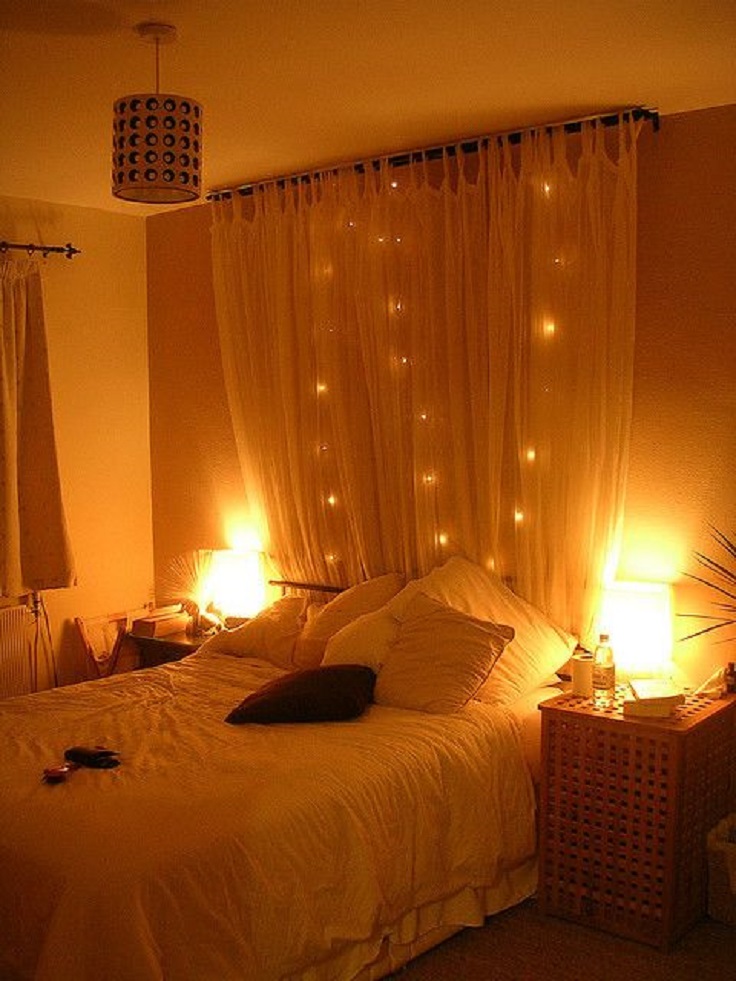
Credit: www.digsdigs.com
Frequently Asked Questions
How Do I Hang Decorative Lights Without Damaging Walls?
Use adhesive hooks or removable strips to hang lights. These options hold securely and prevent wall damage or paint peeling. Avoid nails or screws for easy removal.
What Types Of Lights Are Best For Indoor Decoration?
LED string lights or fairy lights are ideal. They use less energy, stay cool, and provide a warm ambiance for any room.
How Can I Hide Light Cords For A Clean Look?
Run cords along edges or behind furniture. Use cord covers or clips to keep wires organized and out of sight.
Are There Safety Tips For Hanging Indoor Lights?
Avoid overloading electrical outlets and check for damaged wires. Always unplug lights before handling or adjusting to prevent accidents.
Conclusion
Hanging decorative lights inside adds warmth to any room. Choose safe spots and use the right tools. Take time to plan your design before starting. Lights create a cozy and inviting atmosphere easily. Enjoy the glow and the comfort it brings.
Keep safety in mind for a worry-free setup. With simple steps, your space will look bright and cheerful. Bright lights, happy nights.