
Your academic office is more than just a workspace—it’s where ideas grow, knowledge is shared, and creativity sparks. But is your office inspiring you to do your best work?
How you decorate this space can boost your focus, comfort, and even your mood. Imagine walking into a room that instantly motivates you and makes every task feel easier. You’ll discover simple, practical tips to transform your academic office into a place that truly supports your success.
Ready to make your workspace work for you? Keep reading to find out how.

Credit: www.facebook.com
Choosing The Right Furniture
Choosing the right furniture sets the foundation for a productive academic office. It affects comfort, organization, and the overall atmosphere. The right pieces help manage work tasks and create a welcoming space.
Ergonomic Desk And Chair
An ergonomic desk and chair protect your body during long work hours. Choose a desk with enough space for your computer, books, and papers. Adjustable height desks help switch between sitting and standing.
The chair should support your back and encourage good posture. Look for adjustable features like seat height, armrests, and lumbar support. Comfort reduces fatigue and improves focus.
Storage Solutions
Storage keeps your office neat and papers organized. Use filing cabinets, shelves, or drawers to store documents and supplies. Closed storage hides clutter and open shelves display books or decor.
Label storage areas to find items quickly. Keep daily-use items close and less-used things farther away. A tidy office saves time and lowers stress.
Multi-functional Pieces
Multi-functional furniture saves space and adds flexibility. Consider desks with built-in storage or foldable tables. A sofa bed can offer seating and a guest space.
Choose pieces that fit your office size and work style. Multi-use furniture adapts to changing needs and keeps the office efficient.
Color Schemes And Wall Decor
Choosing the right color schemes and wall decor can transform your academic office into a space that motivates and comforts you. Colors influence mood and productivity, while wall decorations add personality and inspiration. Balancing these elements carefully helps create an environment where ideas flow freely and stress stays low.
Calming Vs. Energizing Colors
Think about how colors make you feel. Soft blues and greens bring calmness, which is perfect for focused reading or writing. If you want to boost energy and creativity, try brighter shades like yellow or orange on an accent wall.
Ask yourself: Do you need a peaceful spot to concentrate or a lively space to spark new ideas? Sometimes mixing both works well—calm colors on most walls with pops of energizing hues nearby. This way, you can shift your mood based on the task at hand.
Inspiring Artwork
Artwork can be a powerful motivator. Choose pieces that resonate with your academic interests or personal goals. A framed quote from a favorite scholar or a vibrant abstract print can keep your mind engaged.
Don’t shy away from rotating your art. Changing visuals occasionally refreshes your workspace and prevents monotony. Consider displaying student projects or historical maps related to your field—they add relevance and spark curiosity.
Personal Touches
Your office should feel like your own. Adding photos, souvenirs from conferences, or handmade crafts can make the space welcoming. These items remind you of achievements and connections beyond your desk.
Try arranging personal items so they don’t clutter but instead inspire. A neat shelf with a few meaningful objects can boost your mood without distracting you. What small keepsakes make you smile during tough workdays?
Optimizing Lighting
Bright, natural light boosts focus and mood in an academic office. Use adjustable lamps to reduce glare and create a comfortable workspace. Soft, warm bulbs help maintain a calm atmosphere for studying and meetings.
Optimizing lighting in an academic office can enhance productivity and mood. Proper lighting reduces eye strain and creates a welcoming atmosphere. This section covers three key aspects to optimize lighting for an academic setting: natural light, task lighting, and ambient lighting.Natural Light Benefits
Natural light boosts mood and concentration. Large windows allow sunlight to fill the space. Arrange desks to face windows for maximum exposure. Use light curtains to control glare without blocking light.Task Lighting Options
Task lighting is essential for focused work. Desk lamps with adjustable arms direct light where needed. Choose LED lamps for energy efficiency and longevity. Clip-on lights are versatile and save desk space.Ambient Lighting Ideas
Ambient lighting sets the overall tone. Ceiling fixtures distribute light evenly across the room. Use dimmer switches to adjust brightness for different times of the day. Wall-mounted lights add style and functionality.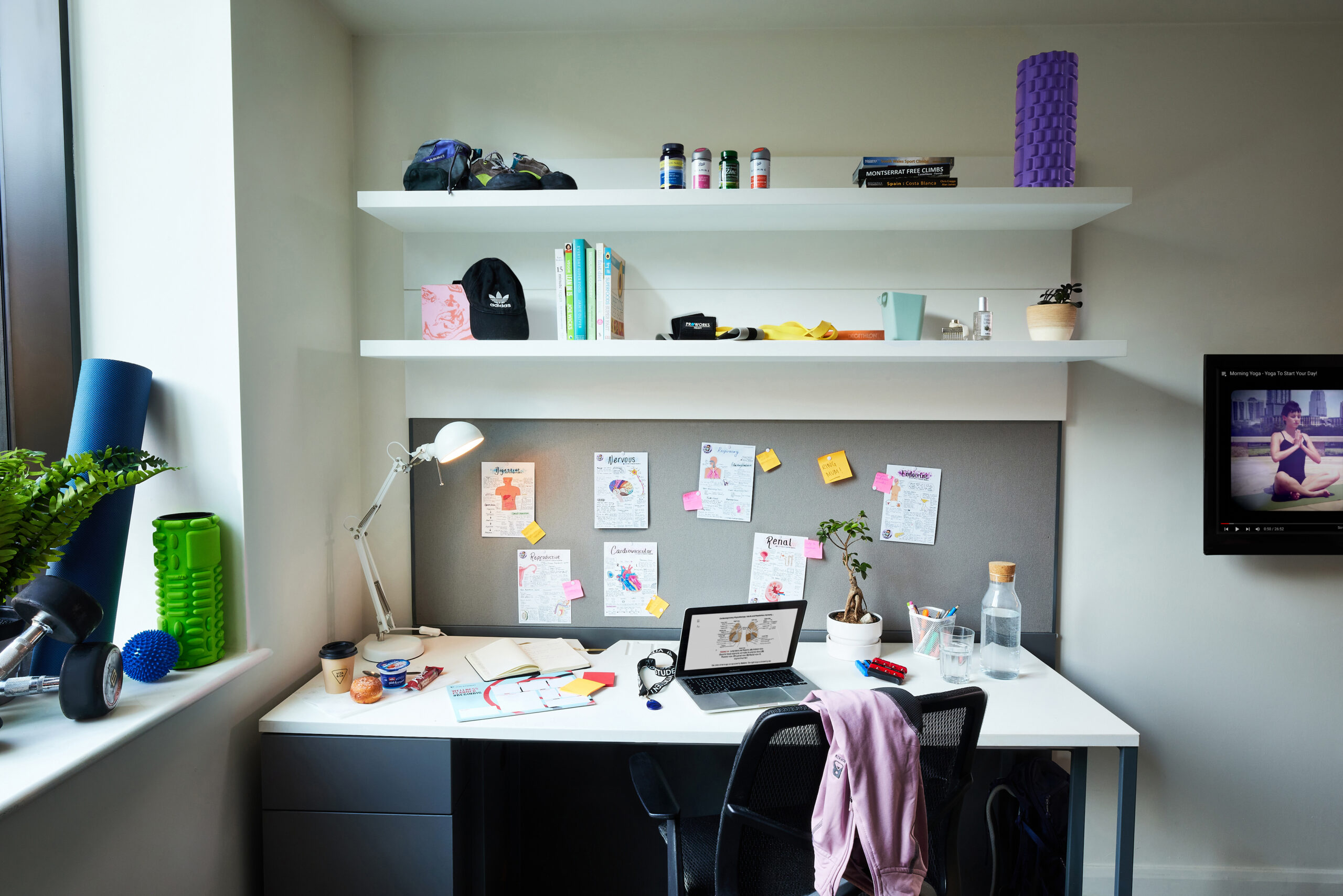
Credit: www.vitastudent.com
Organizing Books And Materials
Organizing books and materials in an academic office creates a clear and productive space. It helps find resources fast and keeps the desk tidy. Proper organization reduces stress and improves focus during work hours.
Creative Bookshelves
Use bookshelves that fit your style and space. Try floating shelves for a modern look. Corner shelves use space efficiently. Color-code books by subject or author for easy access. Mix books with decor items to keep shelves interesting.
Labeling Systems
Labels make finding materials quick and simple. Use clear, easy-to-read fonts. Color labels by category or priority. Label shelves and storage boxes to avoid confusion. Consider digital labels for a tech-friendly touch.
Decluttering Tips
Keep only necessary books and materials. Sort items by use and importance. Donate or recycle old or unused books. Store rarely used materials in closed cabinets. Regularly check and remove clutter to maintain order.
Incorporating Plants And Greenery
Adding plants and greenery to your academic office does more than brighten the space; it can improve your mood and boost productivity. However, choosing the right types of plants and knowing where to place them is essential to creating a comfortable and inviting work environment. Let’s break down how to bring nature into your office without the hassle.
Low Maintenance Plants
Not everyone has a green thumb, especially with a busy academic schedule. Choose plants that require minimal care but still thrive indoors.
- Snake Plant:Survives low light and infrequent watering.
- ZZ Plant:Tolerates neglect and thrives in various lighting conditions.
- Pothos:Grows well in low light and can be trained to trail or climb.
These options let you enjoy greenery without worrying about constant upkeep.
Air Purifying Options
Some plants do more than look good—they clean the air you breathe. This can be especially helpful in a closed office environment.
- Spider Plant:Known for removing toxins like formaldehyde and carbon monoxide.
- Peace Lily:Filters out harmful mold spores and adds a touch of elegance.
- Boston Fern:Improves humidity and cleans the air effectively.
Imagine breathing fresher air while you work or study—wouldn’t that make your office feel more alive?
Placement Strategies
Where you put your plants affects both their health and your workspace vibe. Think about light, space, and accessibility.
- Place low-light plants on shelves or corners away from windows.
- Use hanging planters for trailing plants to save desk space.
- Keep air-purifying plants near your desk to maximize their benefits.
- Group plants together to create mini green zones that boost focus.
Try rearranging your plants and notice how subtle changes can make your office feel fresher and more inspiring.

Credit: www.tiktok.com
Personalizing Your Workspace
Personalizing your academic office transforms a simple workspace into a place that motivates and reflects who you are. It’s not just about making the office look good; it’s about creating an environment where you feel inspired and comfortable. When your workspace reflects your personality and values, your productivity often improves without you even noticing.
Photo Displays
Photos bring warmth and familiarity to your office. Choose images that remind you of happy moments or important milestones in your life. You can use simple frames, a corkboard, or even a digital photo frame to keep these memories visible.
Think about arranging photos in a way that tells a story or highlights your journey. This can help you stay grounded and remind you why you do the work you do. Have you ever noticed how a quick glance at a favorite photo can instantly boost your mood?
Inspirational Quotes
Adding quotes that resonate with your academic journey can keep you focused during tough days. Pick quotes that challenge your thinking or uplift your spirit. Display them where you can easily see them, like above your desk or on a side wall.
Try writing your favorite quotes on colorful sticky notes or using elegant prints that match your office style. This creates a personal touch and offers quick motivation. Which words of wisdom do you turn to when you need a push?
Unique Desk Accessories
Desk accessories do more than organize—they express your style. Look for items that are both functional and unique, like a handcrafted pen holder, a quirky paperweight, or a vintage desk lamp. These small details make your space memorable and enjoyable to work in.
Consider adding items that spark your curiosity or relate to your academic field. For example, a miniature globe if you’re in geography, or a model of a molecule if you’re in chemistry. What small object on your desk tells your story best?
Technology And Cable Management
Technology plays a vital role in an academic office. Proper cable management keeps the space tidy and efficient. It creates a professional look and improves focus. Managing tech tools and cables enhances productivity and comfort.
Essential Tech Tools
Choose tools that support your daily tasks. A reliable computer or laptop is a must. Add a printer for quick document handling. Consider a good quality webcam for virtual meetings. Noise-cancelling headphones help maintain concentration. A desk lamp with adjustable brightness improves visibility. These tools make work easier and faster.
Hiding Cables
Visible cables make an office look cluttered. Use cable organizers to group wires together. Cable sleeves and tubes keep cables neat and protected. Attach cables under the desk using clips or adhesive hooks. Wall-mounted cable trays hide cords and prevent tangling. Label cables for easy identification. A clean cable setup reduces distractions and hazards.
Charging Stations
Keep devices powered without mess. Set up a dedicated charging station on your desk or nearby. Use multi-port USB chargers to reduce the number of plugs. Wireless chargers offer easy access without cables. Organize chargers with trays or small containers. Charging stations save time and keep your office organized.
Creating Zones For Different Tasks
Creating zones in an academic office helps organize tasks and improve productivity. Each zone serves a specific purpose and supports different activities. Dividing your space into clear areas reduces distractions and keeps your day structured.
Focus Area Setup
Set up a quiet spot with a desk and comfortable chair. Keep your computer, notebooks, and pens within easy reach. Use good lighting to reduce eye strain. Remove clutter to help maintain concentration.
Collaboration Corner
Create a space for meetings and discussions. Arrange chairs or a small table to encourage conversation. Add a whiteboard or bulletin board for notes and ideas. This area invites teamwork and sharing of knowledge.
Relaxation Spot
Designate a cozy corner for breaks and rest. Include a soft chair or small couch. Add calming items like plants or a lamp with warm light. Taking short breaks here refreshes your mind and boosts focus.
Frequently Asked Questions
What Are The Best Colors For An Academic Office?
Choose calming colors like blue, green, or neutral tones. These colors enhance focus and create a professional atmosphere. Avoid overly bright or distracting shades to maintain a productive workspace.
How Can I Organize Books In An Academic Office?
Use shelves, bookends, or filing cabinets to keep books tidy. Organize by subject, author, or frequency of use for easy access and a neat appearance.
What Decor Items Suit An Academic Office?
Incorporate items like framed certificates, academic posters, plants, and desk organizers. These add personality while maintaining professionalism and promoting a motivating environment.
How To Create A Functional Desk Space In An Office?
Keep only essentials on the desk, use trays or drawers for supplies. Ensure good lighting and ergonomic furniture for comfort and productivity.
Conclusion
Creating a comfortable and inspiring academic office is simple. Choose colors and furniture that help focus and relax. Add personal touches like photos or plants to feel at home. Keep the space tidy to work better every day. Small changes make a big difference in your mood and productivity.
Your office should invite learning and creativity. Take time to arrange it just right. A well-decorated space can boost your work and happiness.