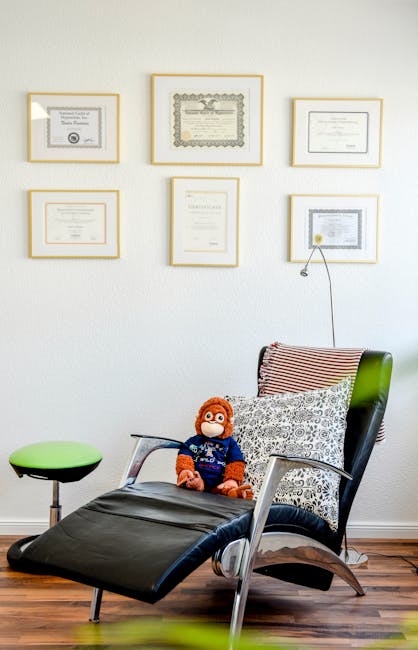
Your counseling office is more than just a workspace—it’s a place where people come to feel safe, understood, and supported. How you decorate it can make a huge difference in creating that welcoming atmosphere.
You want your clients to walk in and instantly feel calm and comfortable. But where do you start? This guide will help you transform your office into a warm, inviting space that encourages trust and healing. Keep reading to discover simple, effective tips you can use right away to make your counseling office a place both you and your clients will love.

Credit: www.tiktok.com
Choose Soothing Colors
Choosing soothing colors for a counseling office helps create a peaceful and inviting space. Colors affect mood and can calm the mind. Soft, muted shades reduce stress and make clients feel safe. Picking the right colors supports a positive atmosphere for healing and openness.
Best Color Palettes For Calmness
Soft blues and gentle greens bring a sense of peace. These colors remind us of nature and open skies. Light grays and beige tones add quiet neutrality. They do not distract or overstimulate the senses. Pastel shades, like lavender or blush, offer subtle comfort without brightness.
- Soft blue: encourages relaxation and trust
- Gentle green: promotes balance and renewal
- Light gray: provides calm and clarity
- Beige: offers warmth without intensity
- Pastel lavender: soothes and reduces anxiety
Accent Colors For Warmth
Accent colors add subtle energy and friendliness. Warm shades like soft yellows or light terracotta create a welcoming feel. They should be used sparingly to avoid distraction. Small touches, such as pillows or wall art, bring warmth without overpowering calm tones.
- Soft yellow: adds gentle optimism
- Light terracotta: creates cozy comfort
- Warm taupe: blends warmth with neutrality
- Muted coral: energizes gently
Select Comfortable Furniture
Selecting comfortable furniture is key to creating a welcoming counseling office. Your clients need to feel safe and relaxed from the moment they walk in. The right furniture helps build trust and encourages open conversation.
Seating Options For Clients
Choose chairs that offer good support without being too formal. Armchairs with soft cushions or upholstered seats work well because they invite clients to settle in comfortably. Avoid stiff or overly rigid seating that might make people feel tense.
Think about including a few different seating types. A loveseat or small sofa can be inviting for clients who come with a partner or family member. Also, having a mix of chair heights can accommodate different physical needs.
Consider the material too. Fabric tends to feel warmer and more comforting than leather or plastic. You want your clients to feel like this space is designed for them, not just an office setup.
Arranging Furniture For Privacy
Furniture placement can either enhance privacy or make clients feel exposed. Position chairs so clients don’t face the door directly; this can help reduce anxiety. Placing seating at a slight angle to each other often feels less confrontational and more conversational.
Use screens, bookshelves, or plants to create subtle barriers without closing off the space completely. These elements help buffer sound and provide visual privacy, which is crucial during sensitive discussions.
Ask yourself how you would feel sitting in your counseling space. Does the arrangement allow for confidential talk without distractions? Small tweaks in furniture layout can make a big difference in comfort and security.
Incorporate Natural Elements
Natural elements like plants and wood create a calm, welcoming atmosphere in a counseling office. These touches help clients feel relaxed and connected to nature. Simple greenery or natural textures add warmth and comfort without clutter.
Incorporating natural elements into a counseling office creates a calming atmosphere. It brings a sense of tranquility and peace. Nature promotes relaxation and comfort, essential in a therapeutic setting. It can help clients feel more grounded and connected. This section explores how to enhance your office with nature.Using Plants For Freshness
Plants add life and vibrancy to any space. They purify the air, making it feel fresher. Choose plants that are easy to care for. Consider adding a few potted plants on shelves or tables. Hanging plants can save space and add dimension. Succulents are great options as they require minimal care. Avoid overcrowding the room with too many plants.Natural Light And Window Treatments
Natural light boosts mood and energy. Open windows to let sunlight stream in. Use sheer curtains for privacy without blocking light. Window treatments can enhance the room’s aesthetic. Choose light colors to brighten the space. Consider blinds that can easily adjust light levels. Ensure the room feels open and airy. Avoid heavy drapes that darken the space.Add Personal Touches
Adding personal touches to your counseling office creates a warm and inviting space. It helps clients feel more comfortable and understood from the moment they walk in. Personal elements show that you care about the environment where healing and growth happen.
Artwork That Inspires
Choose artwork that brings calm and positivity. Pieces with nature scenes, abstract designs, or uplifting quotes can set the tone for a hopeful session.
Think about displaying art made by local artists or even clients (with permission). This adds authenticity and shows your support for the community.
Ask yourself: What kind of images would help your clients feel safe and motivated? Art that resonates with your own values often creates the strongest connection.
Meaningful Decorations
Decorations don’t have to be generic. Select items that reflect your personality and professional philosophy.
- Books that inspire you or relate to your counseling approach
- Plants that add life and a sense of calm
- Objects from your travels or hobbies that can spark gentle conversation
These touches make your office feel less clinical and more human. What small item could you add that tells your story or invites curiosity?
Optimize Lighting
Lighting plays a key role in creating a warm and inviting counseling office. Good lighting helps clients feel calm and safe. It also supports clear communication and focus during sessions. Balancing light levels can make the space comfortable without being too bright or dark.
Using the right lighting can reduce stress and improve mood. Natural light is ideal but often needs support from artificial sources. Thoughtful lighting choices help set a peaceful tone and enhance the overall atmosphere of the office.
Soft Lighting Techniques
Soft lighting creates a gentle and soothing environment. Use lamps with fabric shades to diffuse light. LED bulbs with warm tones mimic natural sunlight and feel less harsh. Place lights at different heights to avoid shadows and bright spots.
- Table lamps with warm bulbs add cozy light near seating areas
- Floor lamps provide indirect light that fills the room evenly
- Wall sconces can cast soft light without glare
- Dimmer switches allow easy adjustment of light levels
Avoiding Harsh Glare
Harsh glare can make clients uncomfortable and distracted. Position lights away from direct line of sight. Use frosted bulbs or shades to soften intense light. Avoid overhead fluorescent lights that create sharp shadows and cold tones.
- Angle lamps to bounce light off walls or ceilings
- Choose bulbs with lower wattage for a calmer effect
- Install blinds or curtains to control sunlight
- Consider adding plants to diffuse natural light gently

Credit: www.tiktok.com
Create Organized Spaces
Creating organized spaces in your counseling office can transform the atmosphere into one that feels calm and welcoming. A well-organized space helps both you and your clients feel at ease, reducing distractions and enhancing focus during sessions. You want your office to reflect professionalism and care, and thoughtful organization plays a big role in that.
Storage Solutions
Think about storage as your office’s backbone. Choose storage options that fit your style and needs, like closed cabinets to hide paperwork or open shelves to display calming decor.
- Use labeled bins or baskets to keep small items sorted and easy to find.
- Consider vertical storage to save floor space and keep the room open.
- File organizers can help you manage client documents neatly and confidentially.
One time, I added a simple rolling cart with drawers near my desk. It instantly cleared clutter and made materials accessible without breaking the room’s calm vibe. What storage could you add that would make your daily routine smoother?
Maintaining Clutter-free Areas
Clutter can quietly disrupt the peacefulness you want in your counseling space. Regularly clearing surfaces like desks and tables keeps the environment inviting and functional.
- Set aside 5 minutes at the end of each day to tidy up your workspace.
- Keep only essentials on your desk and store extras out of sight.
- Encourage clients to use designated areas for personal items to avoid mess.
Imagine walking into a counseling office where every item has a place and nothing feels overwhelming. How does that make you feel? That feeling can be your clients’ experience when you maintain clutter-free areas consistently.
Use Calming Scents And Sounds
Creating a calming atmosphere in your counseling office can significantly impact your clients’ comfort and openness. The use of soothing scents and gentle sounds helps lower anxiety and fosters a sense of safety. These sensory elements work together to create an environment where healing can begin naturally.
Aromatherapy Ideas
Choose scents that promote relaxation without overwhelming the senses. Lavender and chamomile are popular for their calming effects, but you might also try sandalwood or eucalyptus to keep the air fresh and inviting.
Use essential oil diffusers or scented candles placed safely out of reach. Avoid overpowering fragrances; a subtle scent is more effective than something too strong, which could cause discomfort or distraction.
Have you ever noticed how a certain smell instantly changes your mood? This small detail could make your office feel more welcoming and help clients feel grounded from the moment they walk in.
Background Music Options
Soft instrumental music can create a peaceful backdrop without diverting attention. Nature sounds like rain, ocean waves, or birdsong also work well to soothe nerves.
Keep the volume low and consistent to avoid sudden distractions. Streaming services offer playlists specifically designed for relaxation or meditation, making it easy to find the right tone.
Consider asking clients for feedback on the music or sounds you play. This simple step can help you tailor the experience to their preferences and improve the overall atmosphere.
Ensure Accessibility And Comfort
Creating a counseling office that feels welcoming and easy to access is crucial for both you and your clients. Ensuring accessibility and comfort goes beyond aesthetics—it directly impacts how safe and relaxed your clients feel during their sessions. Small adjustments can make a big difference in building trust and encouraging open communication.
Ada Compliance Tips
Meeting ADA standards isn’t just about following the law; it’s about showing respect for every client’s needs. Make sure doorways are wide enough for wheelchair access—at least 32 inches clear width. Consider installing lever handles instead of knobs, which are easier for people with limited hand strength.
Seating should accommodate different physical abilities. Provide chairs with armrests and some without wheels to suit various preferences. Think about the height of your furniture; it should allow easy transfers from wheelchairs or walkers.
Clear pathways are essential. Remove clutter and arrange furniture to create at least 36 inches of walking space. This simple change can prevent accidents and help everyone move comfortably.
Temperature And Ventilation
Comfort is often about more than just furniture—temperature plays a huge role. Keep the room between 68 and 72 degrees Fahrenheit to create a neutral, calming environment. If you’ve ever felt distracted by being too hot or cold, you know how this can affect focus and openness.
Good ventilation prevents stuffiness and keeps the air fresh. If your space doesn’t have windows, a quality air purifier or regular breaks to air out the room can help. Avoid strong scents like perfumes or cleaning products that might trigger allergies or discomfort.
Ask yourself: does your office feel like a place where anyone can relax, regardless of the weather outside? If not, small changes in temperature control and airflow might be the key to making your space more inviting.

Credit: www.pinterest.com
Frequently Asked Questions
What Colors Are Best For A Counseling Office?
Soft, calming colors like blues, greens, and neutrals work best. They create a soothing, welcoming environment for clients. Avoid bright or harsh colors that may cause distraction or discomfort. Choose tones that promote relaxation and open communication.
How To Arrange Furniture In A Counseling Office?
Place chairs facing each other to encourage conversation. Ensure enough personal space for comfort. Avoid barriers like desks between client and counselor. Keep pathways clear and furniture minimal to create a calm, organized space.
What Decorations Enhance A Counseling Office Atmosphere?
Use artwork, plants, and soft lighting to create warmth. Choose nature-themed or abstract pieces that promote calmness. Avoid clutter and overly personal items to maintain professionalism. Simple, meaningful decor supports a peaceful environment.
How To Ensure Privacy In A Counseling Office?
Use soundproofing materials and white noise machines to block conversations. Close doors and windows during sessions. Display signs to prevent interruptions. Privacy helps clients feel secure and fosters trust in counseling.
Conclusion
Creating a warm and calm counseling office helps clients feel safe. Choose colors and furniture that bring comfort and peace. Keep the space tidy and inviting for everyone. Small details, like plants or soft lighting, make a big difference. A well-decorated office supports better conversations and healing.
Remember, your space reflects care and respect for your clients. Make it a place where people want to return. Simple changes can create a strong, positive atmosphere for all.