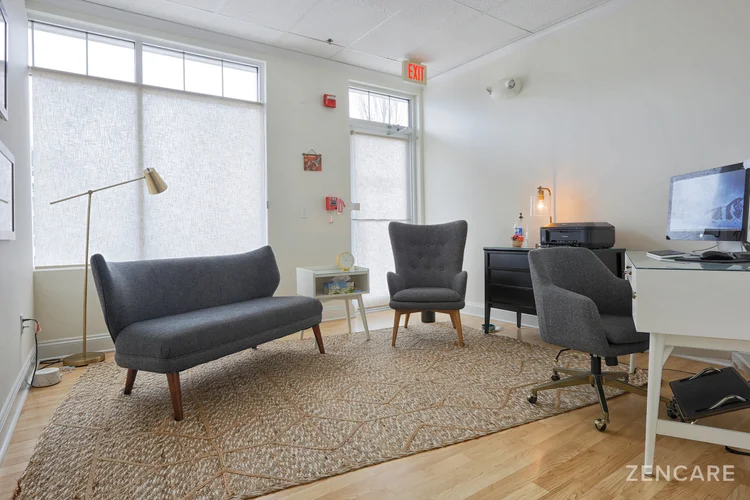
Your office is more than just a workspace—it’s a place where healing begins. How you decorate it can deeply affect the comfort and trust your clients feel the moment they walk in.
If you want to create a warm, calming environment that helps your clients open up and feel safe, you’re in the right place. You’ll discover simple, powerful ways to decorate your office that support your work as a therapist and make every session more effective.
Ready to transform your space into a true haven? Let’s dive in.
Choose Soothing Colors
Choosing soothing colors for your therapy office is more than just a design choice—it’s about creating an environment that helps clients feel safe and relaxed. The right colors can ease anxiety, promote openness, and support emotional healing. Think about how colors affect your mood and those who walk through your door every day.
Best Paint Colors For Calmness
Soft, muted colors tend to work best in a therapy setting. Shades like pale blue, gentle green, and warm beige create a peaceful atmosphere without overwhelming the senses.
- Light Blue:Evokes tranquility and trust. It’s often linked with clear communication.
- Sage Green:Brings a natural, grounding feeling. It can reduce stress and promote balance.
- Warm Beige or Taupe:Offers warmth and comfort, making the space inviting.
- Lavender:Adds a subtle touch of calm and can help reduce nervous tension.
Imagine your clients walking into a room painted in these colors. How might it change their first impression or their ability to open up? Choosing your color palette thoughtfully can set the tone for every session.
Using Color Psychology
Colors speak to the subconscious mind. They influence emotions and behavior in ways you might not expect.
Blue, for example, often lowers heart rate and creates a sense of calm. Green connects people with nature, which can be grounding and restorative. Warm neutrals help people feel safe, a crucial factor for therapy work.
Ask yourself: What feelings do you want to inspire in your clients? Comfort? Safety? Openness? Use color psychology to guide your choices rather than picking what simply looks nice. This approach can transform your office into a supportive space that actively aids the therapeutic process.
Select Comfortable Furniture
Selecting comfortable furniture is essential for a therapist’s office. It creates a calm and welcoming space for clients. Comfortable furniture helps clients feel relaxed and open during sessions. The right pieces support good posture and reduce physical strain for both therapist and client.
Ergonomic Seating Options
Choose chairs that support the back and encourage good posture. Ergonomic seating reduces discomfort during long sessions. Look for adjustable chairs with lumbar support and soft cushions. Avoid stiff or overly soft seats that cause slouching. Consider using a mix of seating types for different needs. A comfortable chair helps clients stay focused and calm.
Arranging Furniture For Conversation
Arrange furniture to promote open and natural conversation. Place chairs at a comfortable distance, neither too close nor too far. Avoid barriers like desks between therapist and client. Position seats so that both can maintain eye contact easily. Use side tables for tissues, water, or personal items. Thoughtful arrangement encourages trust and connection.
Incorporate Natural Elements
Bring nature indoors with potted plants or small water fountains. Use natural light by placing desks near windows. Incorporate calming colors like green and blue to create a serene atmosphere.
Decorating your office as a therapist involves creating a soothing environment. Incorporating natural elements can enhance the healing space. These elements connect us to nature, boosting well-being and tranquility. They help clients feel more relaxed during sessions. Below are ways to integrate nature into your therapy office.Benefits Of Indoor Plants
Indoor plants bring life and color to your space. They purify the air and reduce stress levels. Plants like succulents and peace lilies are low-maintenance. They require little attention but offer great benefits. Their presence can elevate mood and increase focus. Greenery creates a peaceful atmosphere for therapy.Using Natural Light Effectively
Natural light brightens a room and lifts spirits. Position your desk near a window if possible. This allows sunlight to flood your workspace. Use sheer curtains to diffuse harsh light. They soften the room and maintain privacy. Mirrors can reflect light, making the space feel larger. Natural light reduces eye strain and promotes alertness.Add Soft Lighting
Soft lighting creates a calm and welcoming atmosphere in a therapist’s office. It helps clients feel safe and relaxed. Bright or harsh lights can cause stress or discomfort. Using gentle light sources sets a peaceful mood for therapy sessions. Light that is too dim can make the space feel gloomy. Balance is key to making the room cozy and inviting.
Choosing Warm Light Sources
Warm light has a yellow or amber tone. It feels natural and soothing to the eyes. Choose bulbs with a color temperature between 2700K and 3000K. These bulbs mimic the light of a sunset or candlelight. Avoid cool or blue-toned lights because they feel cold and clinical. Warm light helps reduce anxiety and promotes comfort. Use LED or incandescent bulbs for warm lighting.
Using Lamps And Dimmer Switches
Lamps add layers of soft light at different heights. Floor lamps, table lamps, and wall sconces work well. Place lamps near seating areas to create cozy spots. Use lamps with fabric or frosted shades to soften the glow. Install dimmer switches to control light levels easily. Dimmers allow adjustment from bright to very soft light. This flexibility helps create the right mood for each session.
Use Calming Textures
Textures play a crucial role in shaping the atmosphere of your therapy office. They can instantly make the space feel more inviting and soothing without overwhelming the senses. Using calming textures helps clients relax and feel comfortable, creating a safe environment for open conversations.
Incorporating Soft Fabrics
Soft fabrics bring warmth and comfort to your office. Choose materials like cotton, linen, or velvet for upholstery and curtains to create a gentle touch. I once added a velvet throw blanket on my therapy chair, and clients often mentioned how it made them feel more at ease during sessions.
Pay attention to the colors and patterns of these fabrics. Neutral tones or subtle prints work best to avoid distractions. You want your clients to focus on their thoughts, not the décor.
Adding Rugs And Cushions
Rugs and cushions add layers of softness that reduce harshness in a room. A plush area rug can soften hard floors and absorb sound, making your space quieter and more peaceful. I noticed that after placing a thick rug under the seating area, clients seemed less distracted by outside noises.
Cushions provide extra comfort and can be arranged to support different seating needs. Offering a variety of cushion sizes and textures lets clients adjust their comfort level, which shows your attention to their well-being. Think about combining smooth cotton cushions with a few textured ones like knit or faux fur to add subtle interest without overwhelming the senses.

Credit: www.pinterest.com
Display Meaningful Art
Displaying meaningful art in a therapist’s office creates a calming and welcoming atmosphere. Art can ease clients’ minds and promote a sense of safety. It also reflects your personality and approach to therapy. Choosing the right pieces helps build trust and comfort. Thoughtful artwork supports positive emotions and thoughtful reflection.
Selecting Relaxing Artwork
Choose art that brings peace and calm. Nature scenes like forests, oceans, or gentle hills work well. Soft colors such as blues, greens, and earth tones help lower stress. Avoid busy or loud images that may distract or overwhelm. Abstract art with flowing lines can also soothe the mind. Select pieces that invite quiet and ease.
Personalizing With Inspirational Pieces
Add artwork that inspires hope and growth. Quotes or symbols related to healing encourage positive feelings. Use images that reflect your values and therapy style. Personal touches make the space unique and warm. Include art that sparks conversation or reflection. Clients often appreciate seeing meaningful and uplifting visuals.
Organize For Minimal Clutter
Organizing your therapy office helps create a calm, welcoming space. Minimal clutter supports clear thinking and reduces stress for both you and your clients. A tidy room allows focus on the session without distractions. Smart storage and regular cleaning keep your space neat and professional. Here are ideas to organize for minimal clutter.
Storage Solutions For Therapists
Choose storage that fits your needs and style. Closed cabinets hide paperwork and supplies. Open shelves display books and calming decor. Use labeled boxes or baskets to group small items. Mobile carts can store tools and move easily. Vertical storage saves floor space and keeps things accessible.
- File cabinets for client files and documents
- Bookshelves for reference materials and décor
- Drawer organizers for pens, notes, and therapy tools
- Wall-mounted hooks or racks for coats and bags
Maintaining A Clean Space
Cleaning regularly prevents clutter buildup. Set a daily routine to clear surfaces and organize items. Remove anything not needed for sessions. Wipe down furniture and electronics often. Encourage clients to leave personal items in designated spots. A clean space feels inviting and professional.

Credit: www.tiktok.com
Introduce Calming Scents
Introducing calming scents into your therapy office can create a soothing atmosphere that helps clients feel safe and relaxed. Scents have a powerful impact on mood and can gently support the therapeutic process without overwhelming the senses. Choosing the right way to add these scents requires thoughtfulness and care.
Using Essential Oils And Diffusers
Essential oils are a natural way to add calming aromas to your space. Using a diffuser allows the scent to spread evenly without being overpowering. Ultrasonic diffusers are popular because they quietly release a fine mist, maintaining a peaceful environment.
Try oils like lavender, chamomile, or sandalwood, which are known for their relaxing properties. I once noticed a client visibly relax after I diffused lavender during a session, which reminded me how subtle scents can support emotional ease. You can adjust the intensity by changing the number of drops or the diffuser’s settings.
Choosing Non-intrusive Fragrances
Not all scents suit every client. Some people are sensitive or may have allergies, so it’s important to pick fragrances that don’t distract or cause discomfort. Avoid strong or artificial smells that might trigger headaches or unease.
- Stick to light, natural fragrances that blend into the background.
- Consider asking clients if they have any scent preferences or sensitivities.
- Rotate scents occasionally to keep the environment fresh but subtle.
Have you ever walked into a space and instantly felt off because of a strong smell? Your therapy office should be the opposite—a place that invites calm and focus. By carefully selecting and managing scents, you enhance your clients’ comfort and your overall therapeutic space.
Create A Welcoming Entry
Creating a welcoming entry sets the tone for your therapy office. It shapes how clients feel before sessions begin. A warm and calming entry invites trust and comfort. Focus on simple, clear design choices that promote ease and peace. This area is the first chance to show your care and professionalism.
Inviting Reception Area Ideas
Choose soft, neutral colors for walls and furniture. Use comfortable seating with plush cushions. Add a small table with magazines or calming books. Include plants to bring life and freshness to the space. Soft lighting helps reduce stress and creates a soothing mood. Display clear signs for easy navigation. Keep the area clutter-free and neat at all times.
First Impressions Matter
The entry is the first thing clients see and feel. A clean, organized space shows respect and professionalism. Pleasant scents like lavender or chamomile can relax visitors. Friendly greetings and a smile make clients feel valued. Use artwork that inspires calm and positive feelings. Ensure the temperature is comfortable for everyone. These small details build trust before any session starts.

Credit: www.tiktok.com
Frequently Asked Questions
How Can I Create A Calming Therapy Office Environment?
Use soft lighting, neutral colors, and natural elements. Add comfortable seating and calming artwork. These elements help clients feel relaxed and safe during sessions.
What Colors Work Best In A Therapist’s Office?
Choose soothing colors like blues, greens, or soft neutrals. These shades promote relaxation and reduce stress. Avoid bright or harsh colors that can distract or overwhelm clients.
How Important Is Furniture Selection For A Therapy Office?
Furniture should be comfortable, professional, and inviting. Choose pieces that encourage open communication and support good posture. Avoid cluttered or overly formal setups to keep the space welcoming.
What Role Do Decorations Play In A Therapist’s Office?
Decorations personalize the space and create warmth. Use meaningful art, plants, and calming objects to foster trust. Avoid overly busy or distracting decorations to maintain focus on therapy.
Conclusion
Creating a warm and calm office helps clients feel safe. Choose colors and furniture that bring peace and comfort. Add personal touches that show your care and professionalism. Keep the space tidy and welcoming every day. Small changes can make a big difference in mood.
Your office should reflect your therapy style clearly. This helps build trust and makes clients relax. Decorating thoughtfully supports better sessions and client care. Take time to arrange your space with care. A well-decorated office supports healing and connection.