
Are you wondering if the money you spend on office decor can actually help reduce your taxes? You’re not alone.
Many business owners ask themselves this question when they want to spruce up their workspace without breaking the bank. Understanding whether you can write off office decor could save you a surprising amount of money. You’ll discover the simple rules that decide what counts as a deductible expense—and how to make the most of them for your business.
Keep reading to find out how your office style can work in your favor come tax time.

Credit: m.facebook.com
Tax Rules For Office Decor
Understanding the tax rules for office decor can save you money and prevent headaches during tax season. The IRS allows deductions for certain office decorations, but only if they meet specific criteria. Knowing what qualifies, how to separate business and personal use, and the limits on deductions will help you make smart choices for your workspace.
What Qualifies As Office Decor
Office decor includes items that enhance the look and functionality of your workspace. This can be artwork, plants, rugs, lamps, or even small furniture pieces like shelves and chairs. However, the item must be directly related to your business environment and not for purely personal enjoyment.
Think about whether the decor improves your workspace’s professionalism or comfort in a way that benefits your business. For example, a motivational poster in a client meeting room usually qualifies, but a family photo frame likely does not. Keep receipts and document how each item supports your business to back up your deductions.
Business Vs Personal Use
Separating business use from personal use is crucial when claiming office decor expenses. If an item serves both purposes, you can only deduct the portion used for business. For instance, if you buy a decorative chair that you use 60% of the time for client meetings and 40% for personal use, only 60% of the cost is deductible.
Do you have areas in your home that double as workspaces? Be mindful that the IRS requires a clear distinction between personal and business use areas. Keeping your workspace organized and dedicated helps simplify this process.
Limits On Deductions
There are limits on how much you can deduct for office decor. Generally, expenses under $2,500 per item can be deducted in full during the year of purchase. For items costing more, you may need to depreciate the expense over several years.
Also, avoid claiming extravagant decorations that do not serve a clear business purpose. The IRS may disallow deductions for lavish or unnecessary items. Always ask yourself: does this purchase genuinely support my business image or function?
Types Of Deductible Office Decor
Office decor can be more than just a style choice. Some items may qualify as deductible expenses. Understanding which types of decor count helps you manage your business taxes better.
Deductible office decor usually includes items that improve your workspace and support your work activities. These items must be used mainly for business purposes. Personal use can limit or eliminate the deduction.
Furniture And Fixtures
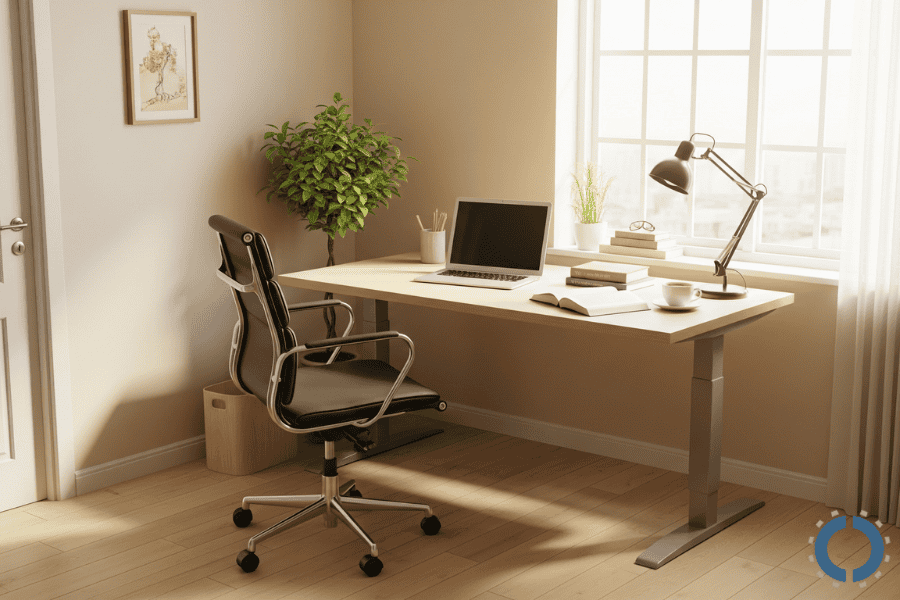
Furniture like desks, chairs, and filing cabinets often count as deductible. These items create a functional work environment. Fixtures such as built-in shelves or cabinets may also qualify. They must be used in your office space and serve a business function.
Artwork And Decorative Items
Artwork that enhances the office ambiance can be deductible. This includes paintings, sculptures, and wall hangings. The art should reflect the professional nature of the space. Decorations that create a welcoming, professional atmosphere support your business image.
Lighting And Accessories
Proper lighting is essential for a productive office. Lamps, light fixtures, and other lighting equipment used in your workspace can be deductible. Accessories like clocks, rugs, and plants may also qualify if they serve a clear business purpose. These items help maintain a comfortable and efficient office.
Home Office Deduction Tips
Home office deductions can save you money during tax season. Understanding these deductions can help maximize benefits. Knowing what qualifies can make a big difference.
Setting Up A Deductible Space
Ensure your home office is exclusively for work. This means no personal use. A separate room works best. Measure the space accurately. Deduct only the portion used for business.
- Keep the area distinct from living spaces.
- Document room dimensions for tax purposes.
- Ensure the space meets IRS requirements.
Record-keeping Best Practices
Good records are essential for home office deductions. Keep track of expenses related to office decor. Maintain receipts and invoices. Use a dedicated folder for organization.
- Log expenses regularly to avoid losing track.
- Store digital copies for backup.
- Review records before filing taxes.
Common Mistakes To Avoid
Many make errors in claiming home office deductions. Don’t claim personal items as business expenses. Ensure your space meets IRS standards. Avoid overestimating the office size.
- Verify that decor is necessary for business.
- Keep personal and business expenses separate.
- Double-check your calculations for accuracy.
Credit: collaborative-office.com
Depreciation And Office Decor
Understanding how depreciation works with your office decor can save you money and simplify your tax process. Instead of deducting the full cost of items like desks, chairs, or artwork in one go, depreciation lets you spread out the expense over several years. This approach matches the gradual wear and tear of your office decor with your tax deductions, giving you a clearer financial picture.
When To Depreciate Items
Not all office decor qualifies for immediate deduction. Items with a useful life extending beyond one year usually need to be depreciated. For example, a high-end office chair or a custom-built desk typically falls into this category.
If you buy something small and inexpensive, like a lamp under a certain price threshold, you might deduct it fully in the year you bought it. But for bigger ticket decor, depreciation is the way to go.
Section 179 Expensing
Section 179 offers a way to expense the full cost of certain office items right away instead of depreciating them over time. This can be a game-changer when you want to reduce your taxable income quickly.
However, not every piece of decor qualifies, and there are limits on how much you can claim annually. For instance, you might be able to deduct the full price of a new office sofa if it meets the IRS criteria.
Impact On Tax Returns
Choosing between immediate expensing and depreciation affects your tax returns differently. Depreciation spreads deductions, which can reduce taxable income steadily over several years. This is useful if you want to keep your tax burden balanced year to year.
On the other hand, expensing under Section 179 can lower your tax bill significantly in the purchase year but leaves fewer deductions for the future. Think about how this fits your business’s cash flow and tax strategy before deciding.
Consulting A Tax Professional
Consulting a tax professional can help clarify if office decor is deductible. Tax rules can be complex and change often. A qualified expert offers advice tailored to your situation. This ensures you claim deductions correctly and avoid mistakes.
When To Seek Advice
Ask for help before you buy or claim office decor. Consult a tax expert if your expenses are large. Also, talk to one if you are unsure about what counts as a deductible item. Early advice saves time and money.
Questions To Ask Your Accountant
- Can I deduct the cost of my office decorations?
- Are there limits on how much I can claim?
- Should I expense or depreciate these items?
- What records do I need to keep for these deductions?
- Have recent tax law changes affected office decor deductions?
Staying Updated On Tax Laws
Tax laws change every year. A tax professional stays current with new rules. Regular consultations help you avoid missing new deductions or making errors. Set reminders to review your tax strategy annually with your accountant.
Credit: collaborative-office.com
Frequently Asked Questions
Can Office Decor Be Tax Deductible?
Yes, office decor can be tax deductible if it is used exclusively for business purposes. The IRS allows deductions on items that enhance your workspace. Keep receipts and document how each item supports your business to claim these deductions accurately.
What Types Of Office Decor Qualify For Write-offs?
Qualifying office decor includes furniture, artwork, rugs, and lighting used in your workspace. These items must be ordinary and necessary for your business operations. Personal items or decor used outside the office are not deductible.
How To Document Office Decor Expenses For Tax Purposes?
Keep detailed receipts, invoices, and proof of purchase for all office decor. Note the business use percentage if items serve dual purposes. Proper documentation helps substantiate your deductions during tax filing or audits.
Are Home Office Decor Expenses Deductible?
Home office decor expenses are deductible if you have a dedicated workspace. The decor must be used exclusively for business activities. Only the portion related to the home office can be written off, not the entire home.
Conclusion
Office decor expenses can often qualify as tax deductions. Keep receipts and document how items relate to work. Small touches can make your workspace better and save money. Always check the latest tax rules or ask a tax expert. Smart choices help balance comfort and tax benefits.
Writing off office decor is possible with the right approach.