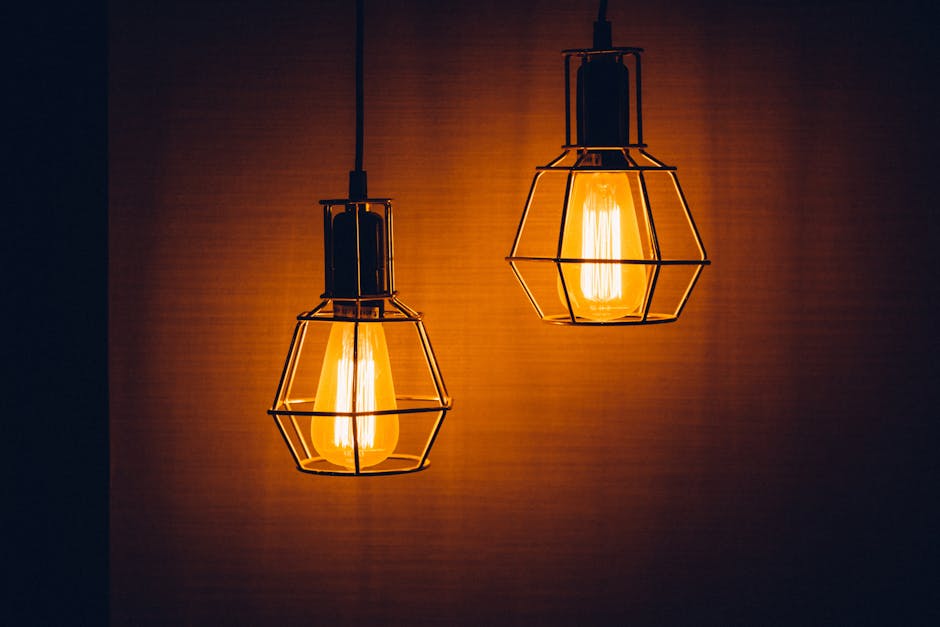
Have you ever wondered if those beautiful decorative light bulbs in your home actually give off enough light? You want your space to look great, but you also need it to be bright enough for reading, working, or relaxing.
It’s frustrating when a bulb looks amazing but leaves your room dim and gloomy. You’ll discover the truth about decorative light bulbs and whether they can truly light up your space the way you need. Keep reading to find out how to balance style and brightness perfectly.

Credit: hirosarts.com
Types Of Decorative Bulbs
Decorative light bulbs come in various types, each offering a unique look and lighting effect. Understanding these types can help you choose bulbs that not only enhance your space visually but also provide the right amount of light. Let’s break down the most popular decorative bulbs you might consider for your home or project.
Filament Bulbs
Filament bulbs, also known as vintage or antique bulbs, have visible glowing filaments inside. They create a warm, soft light that sets a cozy mood but generally emit less brightness than standard bulbs. If you want ambiance without overpowering light, filament bulbs could be your go-to choice.
Led Decorative Bulbs
LED decorative bulbs combine style with energy efficiency. They come in various shapes and colors, often mimicking traditional filament looks while using less power. These bulbs last longer and provide brighter light, making them practical for both decoration and everyday use.
Edison Style Bulbs
Edison style bulbs are a specific type of filament bulb known for their nostalgic, industrial look. Their intricate filament designs are eye-catching, adding character to any fixture. Keep in mind, their brightness is usually lower, so they work best in spaces where mood lighting is preferred over task lighting.
Colored And Frosted Bulbs
Colored and frosted bulbs alter the light quality and atmosphere dramatically. Colored bulbs can add fun or dramatic effects, perfect for parties or themed rooms. Frosted bulbs diffuse light evenly, reducing harsh shadows and glare, which makes them ideal for soft, ambient lighting.

Credit: www.amazon.com
Measuring Brightness
Decorative light bulbs often focus on style, so their brightness may be lower than standard bulbs. Measuring light output helps decide if they provide enough illumination for a space. Checking lumens is a simple way to compare brightness levels effectively.
Measuring brightness in decorative light bulbs can be tricky. These bulbs often prioritize aesthetics over function. But can they still provide enough light? Let’s explore how brightness is determined.Lumens Vs Watts
Lumens measure light output. Watts measure energy use. A bulb with higher lumens shines brighter. It’s important to check lumens, not watts, for brightness. Decorative bulbs may have lower lumens. This means they might not light up a room well. Always compare lumens to ensure adequate lighting.Brightness Per Bulb Type
Different bulb types emit varied brightness levels. LED bulbs often have higher lumens. Incandescent bulbs might offer softer light. Choose bulb type based on desired brightness. Each type serves a different purpose. LEDs are energy-efficient and bright. Incandescents are warm and mellow. Evaluate the space to decide which bulb fits best.Impact Of Bulb Coating On Light Output
Bulb coatings affect brightness. Frosted coatings diffuse light. Clear bulbs shine more directly. Coated bulbs can dim brightness. Consider the bulb’s coating for the intended ambiance. Frosted bulbs give a soft glow. Clear bulbs offer sharper light. Choose a coating that complements your lighting needs.Light Quality And Ambiance
Decorative light bulbs do more than brighten a space. They shape the room’s feel and style. The quality of light they produce affects how we see colors, textures, and shapes around us. This influences our mood and comfort. Understanding light quality and ambiance helps choose the right bulb for every setting.
Warmth And Color Temperature
Color temperature measures light’s warmth or coolness. It is shown in Kelvins (K). Lower values (2700K-3000K) give warm, yellowish light. Higher values (4000K-5000K) create cool, bluish light. Warm light feels cozy and inviting. Cool light feels bright and alert. Decorative bulbs often have warm tones to enhance comfort.
Glow And Light Diffusion
Glow describes how soft or harsh the light appears. Decorative bulbs usually emit a soft glow. They spread light gently through frosted or patterned glass. This reduces sharp shadows and glare. Light diffusion helps fill the room evenly. It creates a smooth, welcoming atmosphere without harsh spots.
Mood Effects Of Decorative Lighting
Decorative lighting sets the tone of a room. It can make spaces feel calm, cheerful, or romantic. Soft light calms the mind and eases stress. Warm colors create a sense of closeness. Dimmer bulbs help relax and unwind. Bright, cool bulbs encourage focus and energy. The right decorative bulb changes how a room feels instantly.
Practical Uses
Decorative light bulbs often raise the question: do they offer enough light for practical use? While they shine in style, their brightness may not always meet your everyday needs. Understanding where and how to use these bulbs can help you get the best of both worlds—ambiance and function.
Accent Lighting
Decorative bulbs excel at accent lighting. They create cozy corners and highlight artwork or plants without overwhelming the space.
Think about a softly glowing Edison bulb in your living room. It sets a relaxed mood and draws attention to the details around it.
Are you using your decorative bulbs to add character or just for basic illumination? The answer shapes how you place them.
Task Lighting Limitations
These bulbs usually fall short when it comes to task lighting. Their lower brightness can strain your eyes during reading or cooking.
If you rely on decorative bulbs at your desk or kitchen counter, consider adding a brighter, more focused light source nearby.
Can decorative bulbs alone support your daily activities, or do you need a layered lighting setup?
Outdoor Decorative Lighting
Decorative bulbs can beautifully enhance outdoor spaces. String lights with these bulbs add charm and a festive vibe to patios or gardens.
However, remember that outdoor areas often need stronger lighting for safety and security. Decorative bulbs should complement, not replace, brighter fixtures.
Have you thought about balancing style and visibility in your outdoor lighting plan?
Energy Efficiency
Energy efficiency is a key factor when choosing decorative light bulbs. These bulbs often focus on style and shape, but their power use matters too. Understanding how much energy they consume helps you pick bulbs that save electricity and lower bills. Efficiency also affects how bright the bulb feels in your space, balancing beauty and function.
Comparing Energy Use
Decorative bulbs come in many types, such as LED, incandescent, and CFL. LED bulbs use the least energy, often 75% less than incandescent bulbs. Incandescent bulbs burn more power but offer a warm glow. CFLs sit between LEDs and incandescent in energy use. Choose LEDs for the best savings and lower electricity use.
Lifespan Of Decorative Bulbs
Energy efficiency ties closely to bulb lifespan. LEDs last around 15,000 to 25,000 hours. Incandescent bulbs last about 1,000 hours. CFLs last near 8,000 hours. Longer life means fewer replacements and less waste. Even if decorative bulbs cost more, a longer lifespan adds value over time.
Cost Vs Brightness Trade-offs
Decorative bulbs often cost more than regular bulbs. Brightness can also be lower in stylish shapes. LEDs usually offer good brightness with low cost over time. Incandescent bulbs provide bright light but use more power and cost more to run. Consider both upfront price and energy bills to find the best bulb for your needs.

Credit: www.amazon.com
Choosing The Right Bulb
Choosing the right decorative light bulb affects both the look and brightness of a room. Not all bulbs offer enough light for every space. The key is to find a bulb that fits the room’s size and purpose without losing style. Understanding how to match bulbs to different areas helps in picking the best option. Balancing light output and design keeps the space both bright and beautiful. Simple tips can also boost the light a decorative bulb gives off.
Matching Bulb To Space
Choose bulbs based on the room size and use. Large rooms need bulbs with higher brightness. Small spaces work well with softer light bulbs. Consider the fixture’s style and how the bulb fits inside. Open fixtures need bulbs that spread light widely. Covered fixtures may require bulbs that shine through shades. Measure the area to decide on the right bulb wattage. Brightness is often listed in lumens on the packaging.
Balancing Style And Function
Decorative bulbs come in many shapes and colors. Select a bulb that matches your decor style. Vintage bulbs add charm but may give less light. Modern bulbs often offer better brightness with stylish designs. Clear glass bulbs show filaments and add warmth. Frosted bulbs soften glare and spread light evenly. Choose bulbs that look good and provide enough light. Avoid bulbs that only focus on style but fail in brightness.
Tips For Maximizing Light Output
- Use bulbs with higher lumens for brighter light.
- Pick LED bulbs for energy efficiency and brightness.
- Clean bulbs and fixtures regularly to remove dust.
- Choose bulbs with a color temperature around 2700K to 3000K for cozy light.
- Combine decorative bulbs with other light sources in the room.
- Adjust lamp height or shade size to improve light spread.
Frequently Asked Questions
Do Decorative Light Bulbs Provide Sufficient Brightness?
Decorative light bulbs often emit softer, ambient light. They may not offer enough brightness for tasks. Use them in combination with brighter bulbs for balanced lighting.
How Do Decorative Bulbs Affect Room Lighting?
Decorative bulbs create a warm, cozy atmosphere. They diffuse light softly, reducing glare. However, they might not illuminate large spaces effectively.
Can Decorative Bulbs Replace Standard Bulbs?
Decorative bulbs are mainly for aesthetics, not replacement. They lack the brightness of standard bulbs. Use them to enhance style, not for primary lighting.
What Types Of Decorative Bulbs Offer Better Light Output?
LED filament and vintage-style bulbs provide better brightness. They combine decorative appeal with efficient light. Choose higher lumen ratings for improved illumination.
Conclusion
Decorative light bulbs add style but often give less light. They work well for mood and soft lighting needs. Bright tasks may need stronger bulbs or extra lights. Choose bulbs that fit your space and purpose best. Balance looks with light to make rooms cozy and useful.
Small changes can improve both the feel and function of your lighting. Think about what you need before picking bulbs. Lighting should be both nice to see and helpful to use.