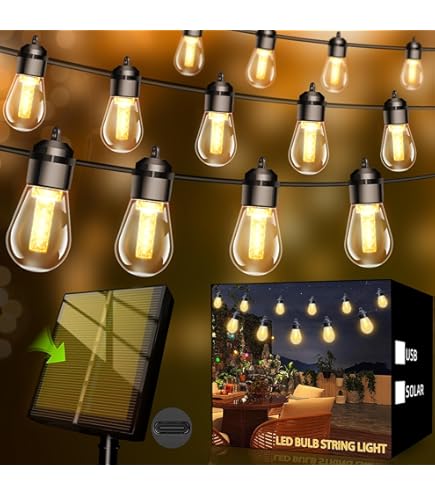
Are you wondering if decorative solar lights need batteries to shine bright? You’re not alone.
Many people ask this question because it affects how easy these lights are to use and maintain. Understanding how these lights work can save you time and money, and help you choose the best lighting for your space. Keep reading, and you’ll discover the simple truth about decorative solar lights and their power source—knowledge that will make your next lighting decision a breeze.
How Decorative Solar Lights Work
Decorative solar lights use sunlight to create beautiful lighting effects outdoors. They work by capturing sunlight and turning it into electricity. This electricity powers the lights at night without needing external power sources. Understanding how these lights work helps in knowing whether they need batteries or not.
Solar Panels And Energy Conversion
Solar panels collect sunlight during the day. They contain special cells called photovoltaic cells. These cells convert sunlight into electrical energy. This energy powers the lights after dark. The efficiency of solar panels affects how bright the light will be.
Built-in Rechargeable Batteries
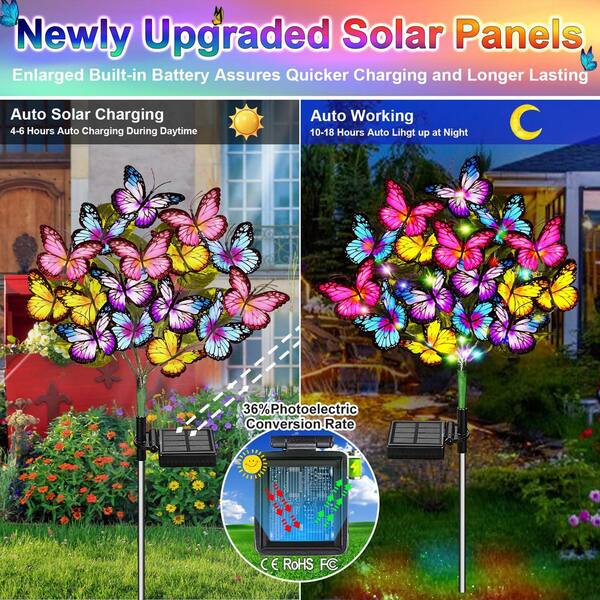
Decorative solar lights have built-in rechargeable batteries. These batteries store the energy collected by the solar panels. They release this energy to power the lights at night. The batteries recharge every day using sunlight. This makes external batteries unnecessary.
Light Sensors And Automatic Operation
Light sensors detect the surrounding light levels. They turn the solar lights on at dusk. The sensors switch the lights off at dawn. This automatic operation saves energy and extends battery life. It also means no manual switching is needed.
Battery Types In Solar Lights
When it comes to illuminating your garden or walkway with decorative solar lights, batteries play a crucial role in ensuring they shine brightly throughout the night. Understanding the different types of batteries used in solar lights can help you make informed decisions about their efficiency and longevity. Let’s dive into the types of batteries commonly found in solar lights.
Nickel-metal Hydride (nimh) Batteries
NiMH batteries are a popular choice for solar lights due to their reliability and cost-effectiveness. They offer a good balance between capacity and durability, making them ideal for consistent performance. Unlike older nickel-cadmium (NiCd) batteries, NiMH batteries are more environmentally friendly, as they have a lower risk of leaking harmful chemicals. If you want a dependable battery with a decent lifespan, NiMH could be your go-to option.
Lithium-ion Batteries
Lithium-ion batteries are known for their high energy density, meaning they can store more energy than other types. This makes them perfect for solar lights that need to shine bright for longer periods. Though they are typically more expensive, their efficiency and longevity often justify the cost. Have you ever considered investing a little more upfront for better performance? Lithium-ion batteries might be worth the splurge.
Disposable Vs Rechargeable Batteries
Disposable batteries might seem convenient, but they can be less economical and environmentally friendly in the long run. They require frequent replacements, which not only adds to your expense but also contributes to more waste. Rechargeable batteries, on the other hand, offer sustainability and savings over time. Many solar lights come equipped with rechargeable options, allowing you to enjoy your lights without the constant hassle of changing batteries. Wouldn’t it be great to have a solution that saves both your wallet and the planet?
Do All Decorative Solar Lights Have Batteries?
Decorative solar lights brighten outdoor spaces with eco-friendly power. Many wonder if these lights always need batteries. Understanding their design helps clarify this question. Solar lights store energy to shine after dark. This storage is often in batteries, but not always. Exploring common styles reveals how batteries fit into solar lighting.
Common Designs And Battery Integration
Most decorative solar lights include a small rechargeable battery. This battery stores sunlight captured during the day. It powers the light at night. Common battery types are nickel-metal hydride (NiMH) or lithium-ion. These batteries last for several years with proper care.
Solar panels gather sunlight, converting it into electricity. The battery holds this energy until needed. Without batteries, lights cannot shine continuously after sunset. Some lights have removable batteries for easy replacement. Others have built-in batteries sealed inside for protection.
Battery-free Solar Lights: Are They Possible?
Battery-free solar lights are very rare. Without a battery, lights can only work while the sun shines. This means no light at night or during cloudy days. Some decorative solar gadgets use capacitors instead of batteries. Capacitors store less energy and work for shorter periods.
In general, batteries are essential for reliable nighttime lighting. They ensure consistent brightness and longer use. Battery-free options exist but are limited in function. For outdoor decorative lighting, batteries remain the most practical choice.
Advantages Of Built-in Batteries
Built-in batteries in decorative solar lights offer clear benefits. They store energy collected during the day. This energy powers the lights at night without extra wiring. The convenience and efficiency of built-in batteries make these lights popular for outdoor spaces.
Energy Storage For Nighttime Illumination
Built-in batteries absorb sunlight through solar panels. They convert solar energy into electrical power. This power is stored for use after sunset. Lights automatically turn on in the dark. This feature ensures a steady glow without manual switching.
Extended Light Duration
Batteries hold enough energy to keep lights shining longer. They provide illumination throughout the night. This means gardens and pathways stay lit for hours. Longer light duration improves safety and ambiance outdoors.
Maintenance And Replacement Considerations
Built-in batteries reduce frequent maintenance needs. Users do not need to replace batteries often. Most batteries last several years before needing change. Proper care extends battery life and light performance. This lowers overall cost and effort over time.
Signs Your Solar Light Battery Needs Replacement
Knowing when your decorative solar light battery needs replacement can save you time and frustration. Batteries don’t last forever, and their decline is often subtle at first. Watching for specific signs can help you decide the right moment to swap out the old battery and keep your lights shining bright.
Dimming Or Flickering Lights
If your solar lights start to dim noticeably or flicker, it’s a clear indicator the battery is struggling. The battery may no longer hold a full charge, causing inconsistent power output. Have you noticed your garden lights looking less vibrant than usual after a few hours of darkness?
Flickering can also mean the battery can’t supply steady energy, especially on cloudy days. Don’t ignore these signs, as continuing to use a weak battery can damage the light’s performance over time.
Reduced Lighting Time
One of the easiest ways to tell if your solar light battery needs replacement is if the lights don’t stay on as long as they used to. If your lights used to glow all night but now fade after just a couple of hours, the battery capacity has likely dropped.
Consider how long your lights typically last after a full day of charging. If that time gets shorter, it’s time to check the battery. Would you prefer to enjoy uninterrupted evening ambiance or deal with early darkness?
Charging Issues
When your solar lights take much longer than usual to charge or fail to charge at all, the battery is often the culprit. Even if the solar panel is clean and exposed to sunlight, a failing battery won’t store energy properly.
You might notice the light never reaches full brightness, or it doesn’t turn on at night despite sunny days. Have you inspected your solar panels but still faced poor lighting? Then it’s likely the battery needs replacement, not the panel itself.

Credit: www.amazon.com
Tips To Maximize Solar Light Battery Life
Maximizing the battery life of your decorative solar lights ensures they shine brightly when you need them most. Simple habits and careful attention can make a big difference in how long your solar light batteries last. Let’s dive into practical tips that help you get the most out of every charge.
Proper Placement For Sun Exposure
Your solar lights need direct sunlight to charge efficiently. Place them in spots where they receive at least 6 to 8 hours of sunlight daily. Avoid shaded areas or places blocked by trees, walls, or outdoor furniture.
Have you noticed some lights dimming faster than others? This often happens because they don’t get enough sun. Experiment with different locations and observe which spots yield the best brightness and longest runtime.
Regular Cleaning And Maintenance
Dirt and dust on the solar panel reduce its ability to capture sunlight. Clean the panels with a soft cloth and mild soapy water every few weeks. Avoid harsh chemicals that can scratch or damage the surface.
Check for debris or spider webs around the light sensor and battery compartment. Keeping these areas clear helps your solar lights work properly and prevents unnecessary battery drain.
Battery Care And Replacement Practices
Most decorative solar lights come with rechargeable batteries that lose capacity over time. If you notice shorter illumination periods, it might be time to replace the battery. Use the exact type specified by the manufacturer for the best results.
Store solar lights indoors during winter or extended rainy periods to protect the batteries from extreme cold and moisture. This simple step can significantly extend the lifespan of your batteries and keep your lights ready for the next season.
Alternatives To Battery-powered Solar Lights
Decorative solar lights often rely on batteries to store energy, but there are other options that can offer convenience and sustainability. If you want to avoid replacing batteries or dealing with their limited lifespan, consider these alternatives. They provide different ways to power your lights while still enjoying the benefits of solar energy.
Direct Power Solar Lighting Systems
Direct power solar lighting systems work by using solar panels that power the lights immediately without storing energy in batteries. This setup means your lights will only operate when the sun is shining or when there’s enough daylight captured. While this might limit their use at night, it removes the need for batteries altogether.
These systems are great for areas with consistent sunlight during the day and where lighting is needed only temporarily. For example, garden paths that require illumination during daylight hours or security lights that activate when enough solar energy is available. Have you considered how often you actually need your outdoor lights on after dark?
Hybrid Solar Lights
Hybrid solar lights combine solar power with another energy source, such as a direct electrical connection or rechargeable batteries. This means they can switch between solar energy and grid power, ensuring your decorative lights stay on even during cloudy days or extended nights.
With hybrids, you get the best of both worlds: eco-friendly solar energy and reliable backup power. If you’ve ever been disappointed by solar lights dimming early, this might be the solution you need. Wouldn’t it be helpful to have lights that adjust automatically based on available energy?

Credit: www.amazon.com
Credit: www.homedepot.com
Frequently Asked Questions
Do Decorative Solar Lights Require Batteries?
Most decorative solar lights have built-in rechargeable batteries. These batteries store solar energy collected during the day. They power the lights at night. Some models allow battery replacement, but usually, batteries are integrated and self-charging via solar panels.
Can Decorative Solar Lights Work Without Batteries?
No, decorative solar lights cannot work without batteries. Batteries store the energy collected by solar panels. Without batteries, lights cannot operate at night when sunlight is absent. Batteries ensure continuous illumination after sunset by providing stored power.
How Long Do Batteries In Solar Lights Last?
Batteries in decorative solar lights typically last 1 to 3 years. Their lifespan depends on battery type, usage, and weather conditions. Rechargeable batteries gradually lose capacity over time. Replacing batteries improves light performance and duration.
Are Replaceable Batteries Available For Solar Decorative Lights?
Yes, some solar decorative lights feature replaceable batteries. Check product specifications before purchase. Replaceable batteries extend the product’s life and maintain brightness. However, many models use sealed, non-replaceable rechargeable batteries.
Conclusion
Decorative solar lights usually do not need batteries to work. They use sunlight to charge during the day. This makes them easy to use and eco-friendly. Some models have built-in rechargeable batteries to store energy. These batteries help the lights shine at night.
Choosing the right solar light depends on your needs. Consider where you will place them and how much light you want. Solar lights offer a simple way to brighten outdoor spaces without extra costs. They combine style and function in a smart, green way.