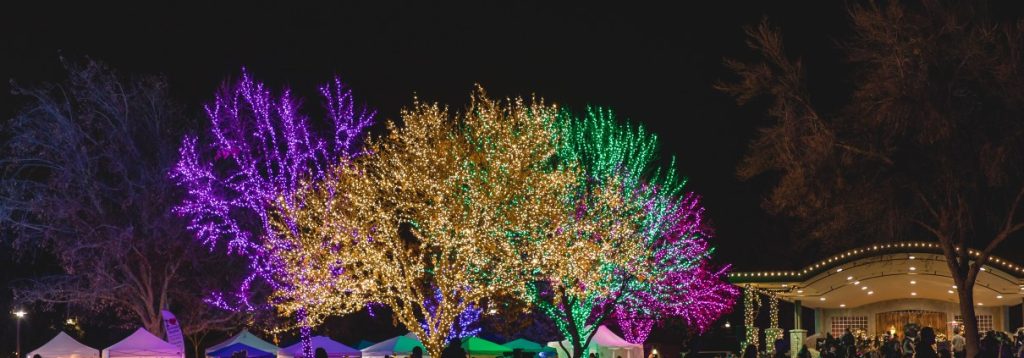
Have you ever wondered how decoration lights create that magical glow in your home or at special events? Whether it’s the twinkling fairy lights on your balcony or the vibrant colors at a party, these lights do more than just shine—they set the mood and bring your space to life.
Understanding how decoration lights work can help you choose the perfect lighting for your needs and even inspire you to get creative with your own setups. Keep reading, and you’ll discover the simple secrets behind these glowing wonders and how you can make the most of them.

Credit: www.youtube.com
Types Of Decoration Lights
Decoration lights come in various types, each designed to create a unique atmosphere and serve different purposes. Choosing the right type depends on your needs, whether it’s energy efficiency, brightness, or style. Let’s look at some popular options that you might consider for your space.
Led Lights
LED lights are a favorite for many because they use less energy and last longer than traditional bulbs. They produce bright, vibrant colors without heating up much, making them safe for indoor and outdoor use. Have you noticed how LED string lights can instantly brighten a room while keeping your electricity bill low?
Incandescent Lights
These are the classic bulbs that give off a warm, cozy glow. While they consume more power and have a shorter lifespan, many still prefer them for their soft light quality. Think about the comforting feel you get from the gentle flicker of incandescent bulbs during a quiet evening.
Solar-powered Lights
Solar-powered lights charge during the day and glow at night, making them eco-friendly and cost-effective. They are perfect for outdoor decoration, especially if you want to avoid complicated wiring. Wouldn’t it be great to have garden lights that turn on automatically without adding to your energy bill?
Fairy Lights
Fairy lights are delicate, tiny bulbs often used to add a magical touch to any setting. They are incredibly versatile—perfect for decorating shelves, plants, or even wrapping around furniture. Have you ever tried using fairy lights to create a cozy reading nook? It can transform your space instantly.

Credit: www.youtube.com
Basic Components
Decoration lights bring charm to any space. Understanding their basic components helps appreciate their function. These lights consist of three main parts. Each plays a vital role in their operation.
Light Source
The light source is the heart of decoration lights. It is where light is created. Most use LED bulbs. LEDs are energy-efficient and last long. They emit bright, colorful light. Some lights may use incandescent bulbs. These are less efficient but offer warm glow.
Power Supply
Power supply is essential for operation. It provides the energy needed to light up. Most lights connect to a wall outlet. Some are battery-operated for flexibility. Others may use solar power. This is eco-friendly and reduces electricity costs.
Control Mechanism
Control mechanism manages light behavior. It includes switches and timers. Switches turn lights on or off. Timers control when lights activate. Some lights have remote controls. These allow easy adjustment from a distance.
How Electricity Powers Lights
Electricity powers decoration lights by moving energy through a simple yet fascinating process. Understanding this process helps you appreciate how those twinkling bulbs come to life and why they sometimes flicker or fail. Let’s break down what happens behind the scenes when you switch on your lights.
Circuit Flow
Electricity flows in a circuit, which is a closed path that allows current to travel. When you plug in your decoration lights and switch them on, electricity begins its journey from the power source.
This flow moves through the wires and components, lighting up each bulb in its path. If the circuit breaks anywhere, the electricity stops, and the lights go out. Have you ever checked why a single burnt-out bulb can cause an entire string of lights to stop working? That’s the circuit flow at work.
Role Of Wires And Bulbs
The wires in decoration lights act as highways for electricity, guiding it safely to every bulb. These wires are usually made of copper or aluminum because these metals conduct electricity very well.
Each bulb contains a filament or LED that converts electrical energy into light. When electricity passes through the bulb’s filament, it heats up and glows, producing light. LEDs work differently by using semiconductors, making them more energy-efficient and longer-lasting.
Safety Features
Safety is a major concern with decoration lights, so many include built-in features to protect you and your home. Fuses or circuit breakers prevent electrical overload by shutting off power if something goes wrong.
Some lights use insulated wires and weatherproof coatings to avoid shocks and damage, especially for outdoor use. Next time you buy decoration lights, check for these safety features—they are your best defense against accidents.
Lighting Effects And Modes
Decoration lights offer a variety of lighting effects and modes that create different moods and atmospheres. These effects control how the lights turn on, change colors, or blink. Understanding these modes helps you choose the right style for any event or space.
Steady Glow
Steady glow mode means the lights stay on continuously without changing. This mode provides a calm and stable light source. It is perfect for creating a warm and inviting environment. Many people use steady glow for everyday decoration or simple lighting needs.
Flashing And Twinkling
Flashing mode makes the lights blink on and off at set intervals. Twinkling is a softer version where lights flicker randomly, like stars. These effects add energy and excitement to any setting. They work well for parties, holidays, and festive decorations.
Color Changing
Color changing mode cycles through different colors smoothly or in steps. Some lights allow users to pick specific colors or set custom sequences. This mode creates a dynamic and vibrant look. It suits celebrations and spaces needing colorful ambiance.
Energy Efficiency And Lifespan
Understanding the energy efficiency and lifespan of decoration lights can save you money and reduce hassle in the long run. Choosing the right type of light affects not just your electricity bill but also how often you need to replace bulbs. Let’s look at how different lighting options stack up in terms of power use and durability.
Led Vs Incandescent
LED lights use far less energy than incandescent bulbs. They convert most of the electricity into light, while incandescents waste a lot as heat. This means LEDs can lower your energy bills significantly.
In terms of lifespan, LEDs last much longer. A typical LED bulb can shine for up to 25,000 hours, compared to about 1,000 hours for an incandescent bulb. This reduces how often you need to replace bulbs, saving time and effort.
Have you noticed how some holiday lights burn out quickly? Switching to LEDs can prevent that frustration. Plus, LEDs are more durable and less likely to break, especially if you handle decorations frequently.
Battery Life For Solar Lights
Solar decoration lights depend on battery life, which varies based on battery type and sunlight exposure. Rechargeable batteries in these lights often last between 2 to 5 years before needing replacement.
How long a single charge lasts also depends on the battery capacity and LED efficiency. High-quality solar lights can run for 8 to 12 hours on a full charge, enough to light up your space through the night.
Think about your local weather. If your area gets limited sunlight, battery life will be shorter. Choosing lights with efficient solar panels and batteries can make a big difference in how well they perform.
Creative Uses For Decoration Lights
Decoration lights offer much more than just illumination. They have the power to transform spaces, highlight features, and create moods that suit any occasion. By using them creatively, you can make your environment feel inviting, festive, or even magical with just a few simple changes.
Indoor Ambiance
Think beyond the usual overhead lighting. String lights draped along bookshelves or around windows add warmth without overpowering a room.
Try placing fairy lights inside glass jars or bottles for a cozy corner accent. This subtle glow can make your living room or bedroom feel more intimate and relaxing.
Have you ever thought about using colored LED strips under cabinets or behind your TV? They create a modern vibe and reduce eye strain, especially during movie nights.
Outdoor Decorations
Outdoor lighting doesn’t have to be just functional. Wrapping fairy lights around tree trunks or lining pathways can make your garden or patio enchanting after dark.
Consider solar-powered lights for eco-friendly décor that also saves you from tangled cords. They come in various styles, from lanterns to string lights, perfect for setting an inviting mood.
What about using lights to highlight architectural details? Spotlights or LED strips along fences and walls can add depth and interest to your outdoor space.
Event And Holiday Styling
Decoration lights shine brightest during celebrations. For birthdays or parties, mix different light shapes and colors to create a fun and lively atmosphere.
During holidays like Christmas or Halloween, themed light displays instantly signal the festive spirit. Using timers can help you manage the lighting without hassle.
Have you tried layering lights with other decorations, like ribbons or ornaments? This adds texture and makes your setups more dynamic and eye-catching.

Credit: www.kingofchristmas.com
Frequently Asked Questions
How Do Decoration Lights Produce Illumination?
Decoration lights use electric current to power tiny bulbs or LEDs. These bulbs emit light when energized, creating bright, colorful displays.
What Types Of Bulbs Are Used In Decoration Lights?
Common bulbs include incandescent, LED, and fluorescent. LEDs are popular for energy efficiency and long-lasting, vibrant colors.
How Are Decoration Lights Powered?
They are powered by batteries, electrical outlets, or solar panels. Power sources depend on light type and placement needs.
Can Decoration Lights Be Controlled Remotely?
Yes, many modern decoration lights come with remote controls or smart apps for easy switching and color changes.
Conclusion
Decoration lights brighten up any space with simple technology. They use electricity to create light through bulbs or LEDs. Different types offer various colors and effects to match your mood. Understanding how they work helps you choose the right lights.
Safe use and proper installation keep your home secure. Now, you can enjoy beautiful lights that add warmth and charm. Simple, effective, and fun to use. Lighting made easy for every occasion.