
Creating a bedroom office that feels both cozy and productive can be a real game-changer for your daily routine. You want a space where work flows smoothly, but you also feel relaxed and comfortable.
If you’ve ever struggled to find the right balance between a restful bedroom and an efficient workspace, you’re not alone. This guide will show you simple, smart ways to decorate your bedroom office so it inspires focus without sacrificing comfort.
Keep reading, and you’ll discover practical tips that make your space work for you—whether it’s for Zoom calls, creative projects, or just clearing your inbox.
Choosing The Right Space
Choosing the right space for your bedroom office sets the foundation for productivity and comfort. It’s more than just picking a corner; it’s about understanding how the room works for your daily routine. Think about where you naturally spend time and how that space can support both rest and work without blending the two in a distracting way.
Assessing Room Layout
Start by looking at the shape and size of your bedroom. Is there a wall free from furniture where a desk can fit without blocking pathways? Avoid cramped spots that make you feel confined or areas that interfere with your bed’s peaceful zone.
Consider the flow of movement—your workspace should feel separate but still connected to your personal space. If your room has a nook or an unused corner, this might be the perfect quiet zone for work.
Ask yourself: Can you place your desk so you face the door? This simple change can help you feel more in control and focused. Also, think about storage—will you have enough room for office supplies without cluttering your bedroom?
Maximizing Natural Light
Natural light can boost your mood and keep you alert during work hours. Position your desk near a window if possible, but be mindful of glare on your computer screen. If direct sunlight hits your workspace, use blinds or sheer curtains to soften the light without blocking it entirely.
Observe how sunlight moves through your room during the day. You might find that morning light energizes you, while afternoon light feels too harsh. Adjust your setup accordingly to catch the best light when you need it most.
Think about how you can add reflective surfaces, like a mirror or light-colored walls, to spread natural light further into the room. This can make a small space feel brighter and more inviting without extra lamps.

Credit: www.designcafe.com
Selecting Functional Furniture
Choosing the right furniture for a bedroom office is key for comfort and productivity. Functional furniture saves space and keeps the area tidy. It helps create a balance between work and rest. Every piece should serve a purpose and fit well in the room.
Ergonomic Desk And Chair
An ergonomic desk supports good posture and reduces strain. Look for desks with adjustable height to suit sitting or standing. A compact desk fits well in small bedroom offices.
Choose a chair that offers good back support and comfort. Adjustable chairs help maintain a healthy sitting position. Padded seats and breathable fabric improve long hours of work.
Storage Solutions
Storage keeps your workspace organized and clutter-free. Use shelves, drawers, or cabinets to store office supplies neatly. Vertical storage saves floor space and makes items easy to reach.
Multi-functional furniture like beds with storage drawers or desks with shelves can maximize space. Label containers and boxes for quick access. Keep only essential items in your office area for a clean look.
Color Schemes For Focus
Soft blues and greens create a calm space that helps you stay focused. Choose neutral tones for a clean, distraction-free look in your bedroom office. Bright colors can energize, but use them sparingly to avoid feeling overwhelmed.
Creating an ideal bedroom office requires a balance between functionality and aesthetics. Color schemes play a crucial role in shaping your mental space, particularly influencing focus and productivity. Choosing the right colors can transform your room from a simple workspace to a hub of creativity and concentration. Whether you’re working on a tight deadline or brainstorming new ideas, the colors around you can make all the difference.Calming Tones
Calming tones such as soft blues, gentle greens, or muted grays can foster a serene environment. These colors have been known to reduce stress and promote a sense of tranquility. Imagine sitting in a room with light blue walls; it feels almost like you’re gazing at the sky or ocean, naturally soothing your mind. Consider using these colors for larger surfaces like walls or furniture pieces. A soft gray desk can be a neutral backdrop that won’t distract from your tasks. If you find yourself getting easily overwhelmed, these tones can help ground your thoughts and enhance your focus.Accent Colors
While calming tones set the stage, accent colors can provide the necessary spark to keep your energy levels up. Think of vibrant yellows, dynamic reds, or lively oranges. These colors can inspire creativity and keep your mind alert. You might add these accents through décor elements like pillows, artwork, or a quirky lamp. Imagine a pop of red in a sea of calm blue; it draws attention without being overpowering. How might a splash of color transform your productivity? Ultimately, the blend of calming tones with strategic accents can create a balanced atmosphere that keeps you relaxed yet engaged. This combination ensures that your bedroom office isn’t just a place to work, but a space where ideas flourish.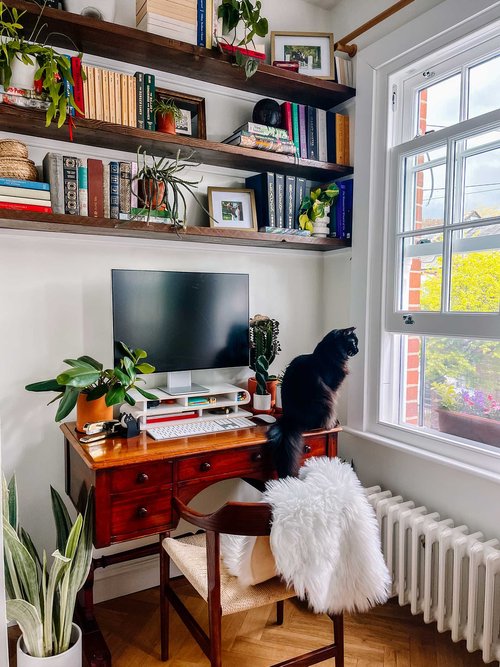
Credit: thegreenmadhouse.com
Lighting For Productivity
Lighting plays a crucial role in boosting your productivity when working in a bedroom office. The right lighting setup can reduce eye strain, improve focus, and create a comfortable atmosphere that keeps you motivated. Have you ever noticed how poor lighting makes you feel tired or distracted? That’s exactly why paying attention to your lighting can change your work experience.
Task Lighting
Task lighting is the focused light you need for specific activities like reading, writing, or using your computer. A good desk lamp with adjustable brightness and direction works wonders here. I used to struggle with shadows on my paperwork until I switched to a lamp with a flexible neck—now I can easily direct light exactly where I need it.
Look for LED lamps with warm to neutral white light, around 3000K to 4000K, to avoid harshness. Also, consider placing the lamp on the opposite side of your dominant hand to prevent casting shadows while you work.
Ambient Lighting
Ambient lighting provides overall illumination that fills your bedroom office evenly. Soft, diffused light helps create a calm environment and prevents the harsh contrast between bright task lights and dark corners. Overhead lights with dimmers are a smart choice because they let you adjust brightness depending on your mood or time of day.
Adding floor lamps or wall sconces can also balance the lighting without adding glare. Have you tried using smart bulbs? They can change color temperature throughout the day to keep your space lively and comfortable.
Incorporating Personal Touches
Adding personal touches to your bedroom office transforms it from a simple workspace into a space that inspires and motivates you daily. It reflects your personality and makes long hours more enjoyable. Think about what makes you feel comfortable and energized, then find ways to bring those elements into your room.
Artwork And Decor
Artwork can make a big difference in how your space feels. Choose pieces that resonate with you—whether it’s a favorite painting, a photo that brings back good memories, or even a framed quote that pushes you to do your best.
Don’t hesitate to mix styles. A modern print paired with vintage frames can create a unique vibe. You can also rotate artwork regularly to keep your environment fresh and stimulating.
- Consider a gallery wall with your favorite photos or prints.
- Add decorative items that reflect your hobbies or interests.
- Use colors in your decor that boost your mood and focus.
Plants And Greenery
Plants don’t just brighten up a room—they improve air quality and reduce stress. Choose low-maintenance plants if you’re not a green thumb, like succulents or snake plants.
Place plants strategically where they can catch natural light but won’t crowd your workspace. Even a small pot on your desk can bring a sense of calm and focus.
- Try hanging planters if floor space is limited.
- Use colorful pots to add a pop of personality.
- Think about adding a small herb garden for fresh scents and a touch of nature.
What items around your home make you feel most at ease? How can you bring those into your workspace to make it truly yours?
Keeping Clutter Under Control
Keeping clutter under control in your bedroom office is essential for maintaining focus and creating a calming environment. A cluttered space can distract you and reduce productivity. But managing clutter doesn’t mean sacrificing style or comfort—it’s about smart organization and thoughtful design.
Organizing Supplies
Think about the supplies you use daily and those you need occasionally. Store frequently used items within easy reach, like pens, notebooks, and chargers, using small containers or desk organizers. For less-used items, consider closed drawers or shelves to keep them out of sight but still accessible.
Labeling storage boxes or drawer compartments can save you time looking for things. I once kept my paperclips and sticky notes in a small divided tray—it made all the difference when I needed them quickly during calls. Could your workspace benefit from a similar setup?
Cable Management
Cables can quickly turn a neat desk into a tangled mess. Use cable clips, sleeves, or under-desk trays to keep wires organized and off your workspace. This not only improves the look of your office but also prevents cables from getting damaged or causing accidents.
Try grouping cables by device or purpose and securing them together. I started using color-coded ties for my charger cables, and it helped me unplug the right device without guessing. How much easier would your daily routine be without cable chaos?
Creating Zones For Work And Rest
Creating clear zones for work and rest in a bedroom office helps keep your mind sharp and your space organized. When these areas blend together without distinction, it’s easy to feel overwhelmed or distracted. Defining specific spots for each activity can boost productivity and ensure you still unwind properly after work.
Defining Work Area
Start by choosing a dedicated corner or wall for your desk and office supplies. Use a small rug or a different paint color to visually separate this zone from the rest of the room. Good lighting is key—natural light or a bright desk lamp keeps you alert and focused.
Keep only work essentials here to avoid clutter. Think laptop, notebooks, pens, and a plant or two for a touch of calm. Can you add shelves or storage boxes to keep paperwork out of sight? That makes it easier to switch off at the end of the day.
Maintaining Bedroom Comfort
Your rest zone should feel inviting and free from work-related distractions. Position your bed and relaxing furniture away from your desk space. Soft textures like cushions or a cozy throw can help signal it’s time to relax.
Consider blackout curtains or a white noise machine if your work hours sometimes stretch late. Do you have a habit of checking emails in bed? Try leaving your phone in the work zone to keep this area restful. Your brain needs this clear boundary to recharge properly.

Credit: www.blackandblooms.com
Frequently Asked Questions
How Can I Optimize Space In A Bedroom Office?
Use multifunctional furniture and vertical storage. Place a compact desk near natural light. Keep decor minimal to avoid clutter.
What Colors Work Best For A Bedroom Office?
Choose calming, neutral tones like soft gray, beige, or pastel shades. These colors boost focus and create a relaxing vibe.
How Do I Separate Work And Sleep Areas Effectively?
Use room dividers, curtains, or shelving units. Position your desk away from the bed to create clear zones.
What Lighting Is Ideal For A Bedroom Office?
Combine natural light with task lighting. Use adjustable desk lamps and soft overhead lights to reduce eye strain.
Conclusion
Creating a bedroom office can boost both comfort and productivity. Choose colors and furniture that suit your style and work needs. Keep the space tidy and organized to stay focused. Add personal touches to make the room inviting. Small changes can make a big difference in your workday.
Enjoy your new space and work with ease every day.