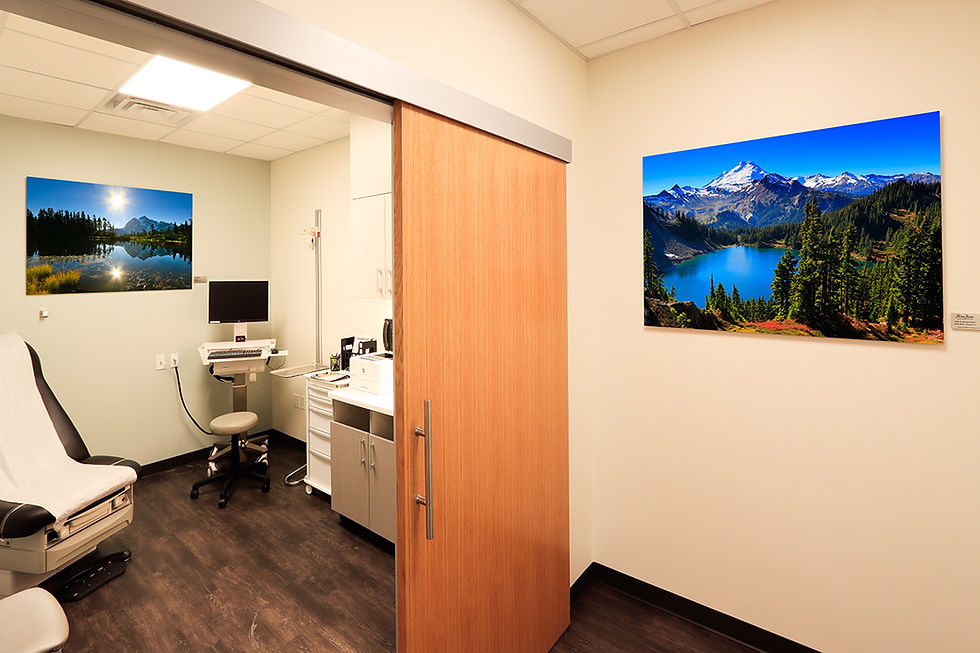
Your medical office is more than just a workspace—it’s a place where patients come for care, comfort, and trust. How you decorate it can make a huge difference in how your patients feel the moment they walk through the door.
You want your space to be inviting, calming, and professional all at once. But where do you start? You’ll discover simple, effective ways to transform your medical office into a welcoming environment that puts everyone at ease. Keep reading to find out how small changes can create a big impact on your patients’ experience and your practice’s success.

Credit: www.shutterstock.com
Choosing A Color Scheme
Choosing the right color scheme for your medical office sets the tone for every patient interaction. Colors can influence mood, comfort, and even perceptions of professionalism. When deciding on colors, think about the atmosphere you want to create and how different shades affect emotions.
Calming Neutrals
Neutral colors like soft grays, beiges, and off-whites create a peaceful and clean environment. These tones help reduce anxiety and keep the space feeling open and uncluttered. Have you noticed how a pale gray wall instantly feels less overwhelming than a bright color? Using neutrals as your base gives you flexibility to add other accents without overwhelming the senses.
Inviting Accent Colors
Adding accent colors brings personality and warmth to your office. Shades like muted blues, gentle greens, or soft terracotta can make the space feel more welcoming. Choose accents that complement your neutrals but also provide a subtle pop to catch the eye. Think about adding these colors through cushions, artwork, or even a feature wall to avoid overpowering the room.
Balancing Warm And Cool Tones
Finding the right balance between warm and cool tones can enhance comfort and energy levels. Warm tones like soft yellows or peach add friendliness, while cool tones like blues and greens promote calmness. Mixing these thoughtfully prevents the space from feeling too sterile or too busy. What combination would make your patients feel both relaxed and cared for?
Selecting Comfortable Furniture
Selecting comfortable furniture is key to creating a welcoming medical office. Patients and staff spend hours in this space. Comfort supports relaxation and reduces stress. It also improves overall satisfaction and productivity. Choosing the right pieces blends style with functionality. Thoughtful furniture choices enhance the entire atmosphere.
Ergonomic Seating Options
Ergonomic chairs support natural body posture. They reduce strain on the back and neck. Adjustable features like height and armrests improve comfort. For waiting areas, cushioned seats with lumbar support work well. Staff chairs should offer breathability and easy movement. Proper seating helps prevent fatigue during long shifts.
Durable And Stylish Materials
Materials must withstand frequent cleaning and use. Vinyl and leatherette are easy to wipe and sanitize. Look for fabrics that resist stains and wear. Choose colors that calm and create a professional look. Style should match the overall office design. Durable furniture saves money by lasting longer.
Arranging For Easy Movement
Furniture layout affects how people move through the space. Leave clear paths for patients and staff to walk freely. Avoid overcrowding seats or tables. Group chairs to encourage conversation but maintain personal space. Position desks and counters for quick access. A smooth flow reduces stress and confusion.
Incorporating Art And Decor
Art and decor create a welcoming and calm environment in a medical office. Choose soothing colors and simple artwork to make patients feel comfortable. Personal touches can brighten the space without overwhelming it.
Decorating a medical office goes beyond just making it look nice; it’s about creating a comforting environment for patients and staff. Art and decor play crucial roles in setting the tone and mood of the space. Thoughtful choices in this area can transform a sterile office into a welcoming sanctuary. Let’s explore how you can use art and decor to enhance your medical office.Soothing Artwork Choices
Choosing the right artwork can significantly impact the ambiance of your medical office. Opt for pieces that evoke calm and tranquility. Consider landscapes, abstract designs, or soft color palettes that help reduce stress and anxiety. A personal anecdote: I once visited a dentist whose waiting room featured serene beach scenes. The artwork made the wait less daunting and even sparked friendly conversations among patients. Think about the emotions you want to evoke in your patients. Does the art make them feel relaxed and at ease? A well-chosen piece can be a silent partner in your patients’ journey to wellness.Personal Touches For Warmth
Adding personal touches can make your office feel more inviting. Simple items like family photos or handcrafted ornaments can bring warmth to a clinical setting. They can humanize your space and make it feel less intimidating. You might hang a small photo gallery of your team in action or post a community board with positive patient feedback. These personal elements remind patients that they’re entering a space filled with genuine care. Consider what makes your office unique and share that with your visitors. A personal touch can foster a sense of belonging and comfort.Functional Decorative Items
Decorative items don’t just have to be pretty; they can be functional too. Think about adding stylish storage solutions that keep the office organized while enhancing its aesthetic. Plants are a great choice. They beautify the space and improve air quality. A strategically placed bookshelf can display medical journals and add a touch of sophistication. In one clinic, I noticed that wall hooks designed as playful shapes held patients’ coats, adding whimsy while serving a purpose. Functional decor can be practical and delightful, improving both the look and functionality of your office. Is your decor serving a dual purpose? By combining beauty with functionality, you can create an environment that’s not just visually appealing but also efficient.Optimizing Lighting
Lighting plays a key role in creating a calm and welcoming medical office. Good lighting makes the space feel clean, safe, and comfortable. Patients and staff benefit from well-planned lighting that reduces eye strain and improves mood. Optimizing lighting involves balancing natural light and artificial sources to suit different areas and tasks.
Natural Light Benefits
Natural light helps improve mood and energy for patients and staff. It creates a warm, inviting atmosphere that lowers stress levels. Large windows or skylights bring in daylight, reducing the need for artificial lighting. Natural light also supports the body’s internal clock, helping people feel more alert during the day. Place seating and workspaces near windows to maximize daylight exposure.
Layered Artificial Lighting
Use different types of lighting for various functions. Combine ambient lighting for general brightness with task lighting for detailed work. Accent lighting highlights artwork or plants, adding visual interest. Layered lighting offers flexibility and control over the atmosphere. Use dimmers to adjust light levels to suit time of day or specific needs. This setup improves comfort and efficiency in the office.
Adjustable And Energy-efficient Fixtures
Select fixtures that allow easy adjustment of brightness and direction. Adjustable lights help focus illumination where needed without glare. Choose LED bulbs for energy savings and long life. LED lighting runs cooler, reducing air conditioning costs. Use motion sensors or timers to turn lights off in empty rooms. This approach lowers energy bills and supports sustainable office design.
Maximizing Storage Solutions
Maximizing storage solutions in a medical office is crucial for maintaining a clean, efficient, and welcoming environment. Space is often limited, but smart storage choices can help you keep everything organized without sacrificing style. How can you cleverly use every inch of your office to store necessary supplies and equipment?
Hidden Storage Ideas
Hidden storage keeps your office looking tidy and professional. Consider furniture with built-in compartments like desks with drawers or seating that lifts up to reveal storage space. Wall-mounted cabinets with doors can store supplies out of sight but within easy reach.
Think about using under-counter storage in reception areas or exam rooms. These spaces often go unused and provide a perfect spot for items you want to keep close but not visible to patients. Have you noticed how much less cluttered a room feels when everything has a place behind closed doors?
Open Shelving For Display
Open shelves can serve double duty by offering storage and displaying items that add warmth to your office. Use them to showcase informative brochures, decorative plants, or awards. This makes your space feel more inviting while keeping essentials accessible.
Keep in mind that open shelving requires regular upkeep to avoid looking messy. Group similar items together and use baskets or boxes to contain smaller objects. How can you balance functionality and aesthetics with your display choices?
Keeping Clutter At Bay
Clutter can quickly make a medical office feel chaotic and stressful. Establish clear zones for paperwork, medical supplies, and personal items. Label containers and drawers to help staff quickly find what they need and return items to their rightful place.
Encourage a daily tidy-up routine to maintain order. Even five minutes at the end of the day can prevent clutter from piling up. What small habits can you introduce to keep your workspace consistently organized?

Credit: www.shutterstock.com
Creating Welcoming Waiting Areas
Creating welcoming waiting areas in a medical office is crucial for setting a positive tone for your patients’ visit. These spaces often shape first impressions and can reduce anxiety. Thoughtful design choices make patients feel comfortable and cared for even before they see a doctor.
Comfortable Seating Arrangements
Choose seating that supports different needs—some patients may prefer chairs with armrests while others might want more open space. Arrange seats in small clusters to encourage privacy and reduce the feeling of being in a crowded room.
Pay attention to the height and firmness of chairs; uncomfortable seating can increase stress and impatience. Adding a few cushioned options can make a big difference. Have you considered how the layout affects the flow of people entering and leaving the waiting area?
Entertainment And Reading Materials
Keep your waiting area engaging without overwhelming patients. Offer a mix of magazines, health brochures, and puzzles to suit various interests and age groups. Rotate reading materials regularly to keep content fresh and relevant.
Installing a TV or background music can help distract anxious patients, but make sure the volume is low and the content is appropriate. Think about what would calm your own nerves in a waiting room—would you prefer silence, soft music, or something else?
Incorporating Plants And Greenery
Adding plants brings life and warmth to a sterile medical environment. Choose low-maintenance greenery like snake plants or succulents, which thrive indoors and require minimal care.
Plants improve air quality and can subtly reduce stress. Position them near seating areas or windows where they can be easily seen and appreciated. Have you noticed how a simple plant can change the mood of a room?
Maintaining Cleanliness And Hygiene
Maintaining cleanliness and hygiene in a medical office is crucial for patient safety and creating a trustworthy atmosphere. A spotless environment not only reduces the risk of infections but also reassures patients that their health is your priority. How can you ensure your office stays clean while also feeling welcoming and professional?
Easy-to-clean Surfaces
Choose surfaces that wipe down quickly and resist stains. Materials like stainless steel, glass, and certain laminates make cleaning easier and prevent bacteria buildup.
For example, replace fabric-covered chairs with vinyl or leather options that you can disinfect regularly. Avoid carpets in patient areas since they trap dust and germs, opting instead for smooth flooring like tile or sealed wood.
Organized Sanitizing Stations
Set up clear, accessible spots for hand sanitizer and disinfectant wipes. Place these stations near entrances, waiting rooms, and exam rooms to encourage frequent use.
- Use wall-mounted dispensers to save space and reduce clutter.
- Label each station with simple instructions to remind patients and staff to clean hands.
- Keep the stations stocked and tidy to show that hygiene is a priority.
Promoting A Healthy Environment
Good hygiene involves more than just cleaning surfaces—it includes the air you breathe and how you manage waste. Use air purifiers with HEPA filters to reduce airborne germs and allergens.
Schedule regular cleaning of HVAC systems to maintain fresh airflow. Also, place covered trash bins with foot pedals to prevent direct hand contact and reduce contamination risks.
Are you confident that your cleaning routine covers all these critical areas? Sometimes, small adjustments can make a big difference in patient safety and comfort.

Credit: www.pinterest.com
Frequently Asked Questions
What Colors Are Best For A Medical Office?
Calming colors like blue, green, and neutral tones work best. They create a relaxing environment and reduce patient anxiety. Avoid overly bright or harsh colors to maintain a professional and welcoming atmosphere.
How Can I Make A Medical Office More Welcoming?
Use comfortable seating, soft lighting, and friendly artwork. Add plants and clear signage to improve the space. These elements help patients feel at ease and enhance their overall experience.
What Furniture Suits A Medical Office Waiting Room?
Choose durable, easy-to-clean chairs with ergonomic support. Arrange seating to allow privacy and social distancing. Incorporate small tables for magazines or hand sanitizers to keep the area functional and tidy.
How To Improve Lighting In A Medical Office?
Use a mix of natural and soft artificial lighting. Avoid harsh fluorescent lights that cause discomfort. Proper lighting boosts mood, visibility, and professionalism in the office.
Conclusion
Creating a welcoming medical office helps patients feel calm and cared for. Simple colors, clean spaces, and comfortable seating make a big difference. Add personal touches that show professionalism and warmth. Good lighting and clear signs improve the patient experience.
Keep the space organized to save time and reduce stress. Small changes can make your office inviting and efficient. Decorating thoughtfully supports both staff and patients every day. Take time to plan and enjoy the positive impact.