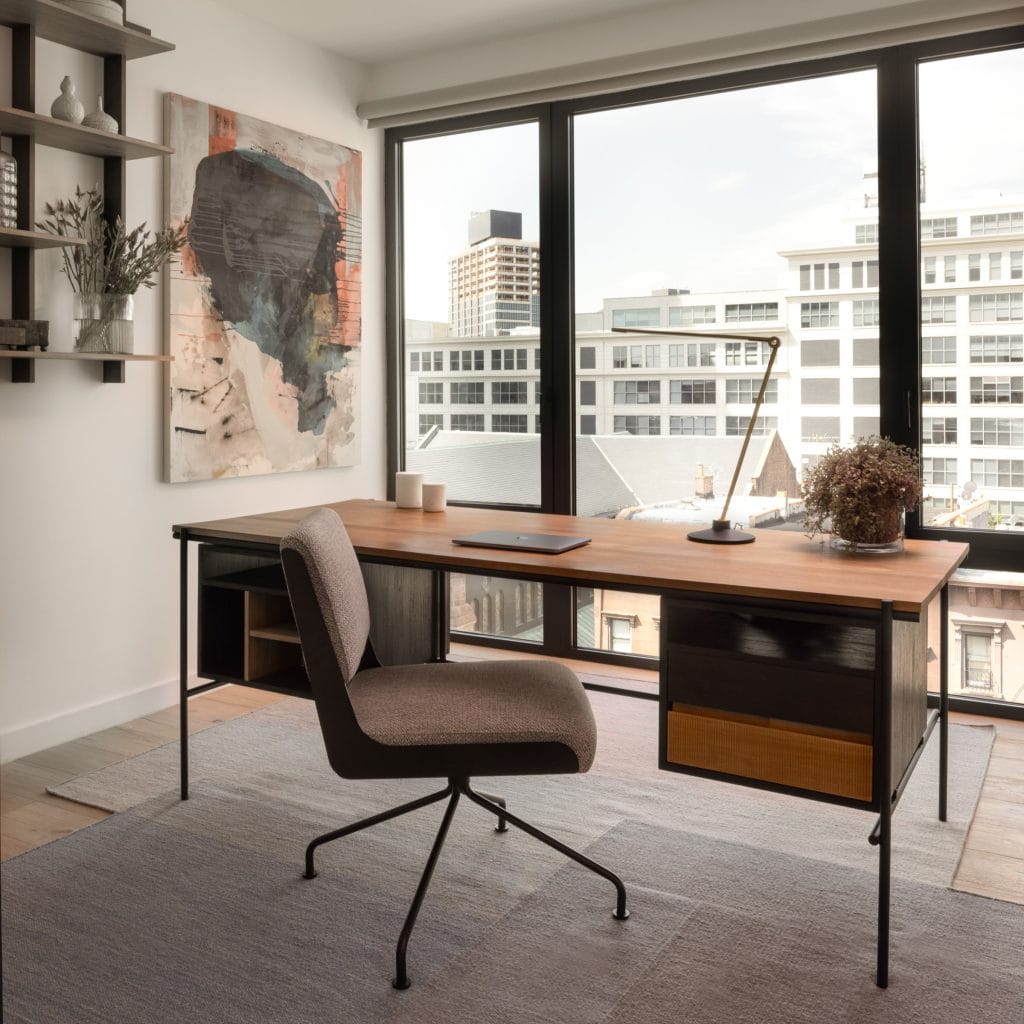
Your office says a lot about you before you even say a word. When clients or colleagues walk in, the space should reflect professionalism, creativity, and comfort—all at once.
But how do you create a look that’s inviting yet sharp? How do you balance style with function in a way that boosts your focus and leaves a lasting impression? If you want your workspace to work for you, keep reading.
This guide will show you simple, smart ways to decorate a professional office that feels just right for you and anyone who steps inside.

Credit: bymablegrace.com
Choosing The Right Color Palette
Choosing the right color palette sets the tone for any professional office. Colors influence mood and productivity. They create a welcoming environment for clients and employees. The palette should balance calmness with energy. It should also reflect your brand identity. Thoughtful color choices can make your office feel more organized and inspiring.
Neutral Tones For Calmness
Neutral colors like beige, gray, and soft white create a peaceful space. These tones reduce distractions and help focus. They also make rooms appear larger and brighter. Neutral walls and furniture provide a clean, professional look. They allow other design elements to stand out. Use neutral tones as a base for your office decor.
Bold Accents For Energy
Adding bold colors brings life to a neutral palette. Use accents in chairs, art, or cushions. Colors like red, blue, or green energize the room. They stimulate creativity and communication. Bold accents prevent the office from feeling dull. Balance is key—too many bright colors can overwhelm.
Brand Colors Integration
Incorporate your brand colors to strengthen identity. Use them in logos, wall art, or office supplies. This creates a cohesive and professional look. Brand colors help clients remember your business. They also boost employee pride and motivation. Match brand colors with neutral and bold tones for harmony.
Selecting Functional Furniture
Selecting functional furniture is essential for a professional office. It creates a workspace that supports productivity and comfort. The right furniture balances style with practical use. It helps keep the office organized and efficient.
Ergonomic Chairs And Desks
Ergonomic chairs support good posture and reduce back pain. Adjustable desks allow sitting or standing while working. Both help employees stay comfortable and focused. Choose chairs with lumbar support and adjustable height. Desks should have enough space for computers and paperwork.
Storage Solutions
Storage keeps the office neat and clutter-free. Use filing cabinets for important documents. Shelves and drawers hold office supplies and personal items. Closed storage hides clutter, open shelves display books or awards. Efficient storage saves time searching for needed items.
Multi-purpose Pieces
Furniture with more than one function saves space. Desks with built-in shelves reduce the need for extra storage. Foldable tables offer flexibility for meetings or projects. Seating that includes storage compartments is practical. Multi-purpose furniture adapts to changing office needs.
Optimizing Lighting
Bright, even lighting creates a welcoming and focused atmosphere in a professional office. Use natural light and adjustable fixtures to reduce glare and eye strain. Soft, warm lights help maintain comfort during long work hours.
Optimizing lighting in a professional office can significantly enhance productivity and create a welcoming atmosphere. Good lighting design is not just about aesthetics; it directly impacts mood, focus, and overall work performance. Let’s dive into the benefits of natural light, explore task lighting options, and brainstorm some ambient lighting ideas to brighten up your workspace.Natural Light Benefits
Natural light is more than a mood booster; it can reduce eye strain and fatigue. Position your desk near a window to soak in the sunlight. This simple act can improve your alertness and energy levels throughout the day. Consider installing blinds or shades that allow you to control the intensity of natural light. This flexibility ensures comfort during sunny afternoons while maintaining a connection with the outside world. Plants thrive in natural light too. Adding a few greenery elements not only beautifies your office but also boosts air quality and overall morale.Task Lighting Options
Task lighting is essential for focused activities like reading, writing, or computer work. Desk lamps with adjustable arms or dimmable features can be customized to suit your needs. Choose LED bulbs for energy efficiency and a clearer light source. If you have a shared office space, task lighting can be personalized for each workstation. This approach allows everyone to adjust their lighting preferences without affecting others. Wall-mounted lights are another great option. They save desk space and provide direct illumination, making them perfect for small offices or workstations.Ambient Lighting Ideas
Ambient lighting sets the overall tone of your office space. Consider using overhead lights with diffusers to create a soft glow that minimizes harsh shadows. This approach helps maintain a comfortable environment for extended work periods. You can also experiment with smart lighting systems. These systems allow you to change the color and intensity of the lights according to the time of day or mood. It’s a playful way to keep your office dynamic and lively. Pendant lights or chandeliers can add a touch of elegance. They serve as a stylish focal point while providing ample illumination, making your office inviting and professional. How do you want your office to feel? Think about the lighting that aligns with your vision and start experimenting!
Credit: www.pinterest.com
Incorporating Art And Decor
Incorporating art and decor in a professional office creates a welcoming and inspiring space. It reflects the company’s identity and culture. Thoughtful decoration boosts mood and productivity. The right choices balance style with professionalism.
Choosing Professional Artwork
Select artwork that matches the office’s tone. Abstract pieces and landscapes work well in many settings. Choose colors that complement the office palette. Avoid overly bright or distracting images. Consider local artists for a unique touch. Art should invite calm and focus.
Adding Plants For Freshness
Plants bring life and color to any office. They improve air quality and reduce stress. Use low-maintenance plants like succulents or snake plants. Place them near windows or on desks. Group small plants together for impact. Avoid large plants that block light or walkways.
Personal Touches Without Clutter
Add small, personal items to make the space inviting. Use tasteful photos or awards on shelves. Keep surfaces clear to maintain a neat look. Choose decor with simple designs and muted colors. Rotate items seasonally to keep the office fresh. Personal touches show care without distraction.
Creating Collaborative Spaces
Creating collaborative spaces in a professional office boosts teamwork and creativity. These spaces invite employees to share ideas and work closely. Designing these areas thoughtfully encourages open communication and a positive work culture.
Open Layouts
Open layouts remove barriers between team members. They use fewer walls and more shared areas. This design helps people connect easily and see each other’s work. It also makes the office feel larger and brighter. Use desks arranged in clusters or rows to promote interaction. Keep pathways clear to allow smooth movement.
Comfortable Meeting Areas
Meeting areas must be cozy and inviting. Use soft chairs and couches to make people feel relaxed. Add round tables to encourage equal participation. Include whiteboards or flip charts for quick note-taking. Keep these spaces quiet and free from distractions. Natural light and plants can make the area more pleasant.
Technology Integration
Technology supports collaboration by making communication easy. Equip spaces with large screens for video calls and presentations. Provide wireless charging stations and plenty of power outlets. Use sound systems for clear audio during meetings. Smart boards and interactive devices help share ideas quickly. Keep technology user-friendly to avoid frustration.
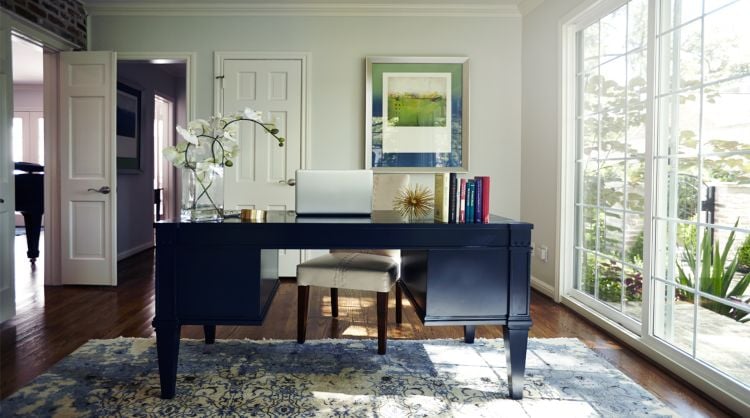
Credit: www.rugs-direct.com
Maintaining Cleanliness And Organization
Maintaining cleanliness and organization creates a professional and welcoming office. A tidy space helps employees focus and improves productivity. It also leaves a good impression on clients and visitors.
Simple habits and smart setups keep the office neat. Small efforts daily prevent clutter buildup. Clean and organized offices boost morale and reduce stress.
Decluttering Tips
- Sort through papers and throw away unneeded items.
- Use labeled storage boxes for important documents.
- Keep only essential items on desks.
- Donate or recycle unused office supplies regularly.
- Encourage employees to clean their workstations at day’s end.
Cable Management
- Use cable clips or ties to bundle wires together.
- Place power strips under desks to hide cords.
- Label cables for easy identification.
- Choose wireless devices when possible.
- Install cable trays to keep cords off the floor.
Regular Maintenance Routine
- Schedule daily quick cleanups for desks and common areas.
- Assign weekly tasks for deep cleaning and organizing.
- Check supplies and reorder before they run out.
- Inspect furniture and equipment for repairs.
- Encourage team participation in maintaining order.
Frequently Asked Questions
What Are Key Elements For Decorating A Professional Office?
Key elements include clean furniture, neutral colors, organized spaces, and tasteful art. These create a welcoming and productive environment for clients and employees.
How To Choose Colors For A Professional Office?
Select neutral tones like beige, gray, or soft blues. These colors promote calmness and professionalism without overwhelming the workspace.
What Lighting Suits A Professional Office Best?
Use a mix of natural light and soft, warm artificial lighting. Proper lighting reduces eye strain and enhances the office atmosphere.
How To Organize Office Furniture Effectively?
Arrange furniture to maximize space and encourage collaboration. Keep pathways clear and position desks for optimal natural light access.
Conclusion
Creating a professional office means balancing style and function. Choose colors that calm and inspire. Keep furniture simple, comfortable, and neat. Add personal touches, like plants or art, to make space inviting. Good lighting helps focus and mood. A clean, organized office boosts work and welcomes visitors.
Small changes bring big effects. Start with these tips to build a space you enjoy every day.