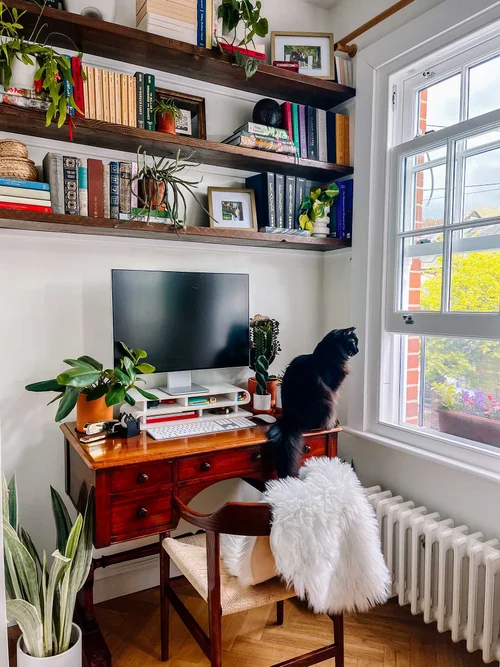
Struggling to turn your small room into a productive office? You’re not alone.
Making the most of limited space can feel tricky, but with the right tips, your tiny room can become a stylish and efficient workspace. Imagine having a spot where everything you need fits perfectly, helping you focus and get more done every day.
Ready to transform your small room into an office that works for you? Keep reading, and you’ll discover simple ideas that make a big difference.

Credit: www.instagram.com
Maximize Natural Light
Natural light can transform a small room into a bright, inviting office space. It not only boosts your mood but also reduces eye strain during long work hours. Focusing on maximizing the light that enters your room is a smart way to make the most of your limited space.
Choose Light Curtains
Opt for sheer or light-colored curtains to let in as much sunlight as possible. Heavy drapes block light and make the room feel smaller and darker. I once swapped dark curtains for white linen ones, and suddenly my tiny office felt twice as large and much more cheerful.
Consider curtains that can be fully pulled back during the day. This allows you to control light without sacrificing privacy. Also, avoid curtains with busy patterns that can distract or visually clutter your workspace.
Position Desk Near Window
Placing your desk close to a window lets you benefit from natural light throughout the day. This simple move can reduce your reliance on artificial lighting and make your workspace more pleasant. When I moved my desk near a sunny window, I noticed a boost in focus and energy.
Try to position your desk so that sunlight hits your side or front, not directly behind you to avoid screen glare. Think about how the sun moves during the day and arrange your setup accordingly. Even a small adjustment can improve your comfort and productivity.
Select Compact Furniture
Choosing the right furniture is key when turning a small room into an office. Bulky items can quickly make the space feel cramped and uncomfortable. Instead, focus on compact furniture that fits the room well and helps keep the area open and inviting.
Opt For Multifunctional Pieces
Multifunctional furniture saves space and adds value. A desk with built-in storage lets you keep supplies close without extra shelves. A fold-out chair or a bench with hidden compartments can serve multiple purposes without crowding your room.
I once used a fold-down wall desk in a tiny apartment, and it completely changed how I worked. It gave me enough space to spread out when needed but folded away to free up the room instantly. What could multifunctional furniture do for your workflow?
Use Floating Shelves
Floating shelves are perfect for small offices because they don’t take up floor space. They create storage above your desk for books, files, or decor. This keeps your workspace clear and your room feeling larger.
You can arrange floating shelves in different heights and lengths to match your needs. Try grouping a few small shelves instead of one large one to add visual interest without bulk. How might using vertical space change the way you organize your office?
Incorporate Smart Storage
Transforming a small room into an efficient office space often hinges on clever storage solutions. Smart storage not only maximizes space but also enhances productivity by minimizing clutter.Consider how your space can serve multiple functions with the right storage strategies.
Use Vertical Space
Vertical storage is your best friend in a small office. Shelves and wall-mounted units can provide ample storage without taking up valuable floor space. Think about installing floating shelves above your desk or using tall bookcases to hold office supplies.
Why not try a pegboard for hanging tools and accessories? It’s customizable and can adapt to your evolving needs. You might be surprised at how much unused vertical space you actually have.
Declutter Regularly
Keeping your small office tidy requires regular decluttering. Schedule time each month to review your items and decide what you genuinely need. Do those old files really belong on your desk?
Maintaining an organized space is easier when you’re ruthless about what stays and what goes. Consider the impact a clutter-free environment has on your focus and creativity.
Can you commit to a routine that ensures your office remains a productive sanctuary? Regular decluttering might be the key to unlocking your full potential in a compact space.
Choose A Cohesive Color Scheme
Choosing a cohesive color scheme helps make a small room feel organized and inviting. Colors affect mood and space perception. A well-planned palette creates a calm, productive office atmosphere. Keep the colors balanced and simple to avoid cluttered feeling.
Use Light And Neutral Tones
Light colors open up a small room visually. Whites, creams, soft grays, and beiges reflect natural light. They make walls and furniture seem less heavy. Neutral tones form a clean, fresh background. This allows other design elements to stand out without overwhelming the space.
Painting walls and choosing furniture in light shades keeps the room airy. It also helps reduce eye strain during work. These tones pair well with almost any accent color, giving flexibility in decor choices.
Add Pops Of Color
Small splashes of color add energy and personality. Use cushions, wall art, or desk accessories in bright hues. Colors like blue, green, or yellow can boost creativity and focus. Limit these accents to a few items to avoid chaos.
Consider a colorful chair or a vibrant lamp. These details create visual interest without shrinking the room. Keep the main palette neutral and add color thoughtfully. This balance keeps the office space cheerful and calm.
Enhance With Stylish Decor
Enhancing a small room with stylish decor transforms it into a cozy, productive office. Thoughtful decor makes the space inviting and functional. Choose items that reflect your style but don’t crowd the room. Balance is key to keep the area bright and open.
Add Plants For Freshness
Plants bring life and color to any small office. They improve air quality and reduce stress. Select small potted plants or hanging ones to save space. Succulents and ferns work well in low light. Place them near windows or on shelves for a natural touch.
Use Personal Touches
Personal items make the office feel unique and inspiring. Frame photos, artwork, or motivational quotes on the walls. Use colorful cushions or rugs to add warmth. Choose desk accessories that match your personality. These details create a space you love to work in.

Credit: www.hgtv.com
Optimize Lighting Options
Good lighting makes a small office feel bigger and more inviting. It also helps reduce eye strain during work. Choosing the right lighting types can create a balanced and productive space.
Use Task Lighting
Task lighting focuses light where you need it most. A desk lamp with adjustable brightness works well. Place it on your work surface to brighten papers and screens. LED lamps save energy and last longer. Choose a lamp with a flexible arm for better control. This lighting reduces shadows and glare on your workspace.
Incorporate Ambient Lights
Ambient lighting fills the entire room with soft light. It creates a warm and comfortable mood. Use ceiling lights or wall sconces to spread light evenly. Consider dimmable fixtures to change brightness throughout the day. String lights or small lamps can add a cozy feel. Layering ambient light with task light prevents harsh contrasts.
Create Defined Zones
Creating defined zones in a small room can dramatically improve your productivity and comfort. It helps separate your work tasks from your relaxation moments, making the space feel more organized and purposeful. You don’t need a large area to make this happen—just a few smart tricks to set clear boundaries.
Separate Work And Relaxation Areas
Think about your daily routine. You need a spot where you focus and another where you unwind. Even in a tiny room, placing your desk in one corner and a comfy chair or small sofa in another can make a big difference.
This separation trains your brain to switch between work mode and rest mode. When you sit at your desk, you’re ready to work. When you move to the relaxation spot, you give yourself permission to take a break.
Ask yourself: Does your current setup mix work and relaxation too much? If yes, try moving your chair or desk slightly apart to create that mental and physical divide.
Use Rugs Or Dividers
Rugs can visually separate zones without taking up space. Place a colorful rug under your desk and a different one under your reading chair. This simple trick tells your eyes and mind that these are two distinct areas.
If you want more privacy or a clearer boundary, try lightweight room dividers. Folding screens or even tall plants can act as subtle barriers. They keep your workspace from feeling cramped and make the room look intentional.
Think about what works for your style and needs. Would a soft rug or a sleek divider help you stay focused? Small touches like these can transform your small room into a productive office with a clear flow.
Maintain Ergonomic Comfort
Maintaining ergonomic comfort is essential when turning a small room into an office. A well-designed workspace reduces strain and boosts productivity. Comfort supports focus and prevents aches during long work hours.
Small spaces need smart choices to keep comfort without crowding. Ergonomic adjustments help the body stay relaxed and healthy. Paying attention to seating and desk height makes a big difference.
Choose Supportive Seating
Select a chair that supports your lower back well. Look for adjustable height and backrest options. Firm cushions reduce pressure on hips and thighs.
Armrests help ease shoulder tension. Avoid chairs that are too soft or too hard. Proper seating keeps your spine aligned and reduces fatigue.
Adjust Desk Height
Set the desk height so your elbows form a 90-degree angle. Keep wrists straight while typing or writing. The top of your screen should be at eye level.
Use desk risers or adjustable desks if needed. This prevents neck and shoulder strain. Correct desk height improves posture and comfort throughout the day.

Credit: www.pagointernational.com.au
Frequently Asked Questions
How Can I Maximize Space In A Small Office Room?
Use vertical storage like shelves and wall organizers. Choose multifunctional furniture to save space. Keep the layout open to avoid clutter and maintain an airy feel. Proper lighting also enhances the sense of space.
What Colors Work Best For A Small Office Room?
Light and neutral colors like white, beige, or pastels make the room feel bigger. Use accent colors sparingly to add personality without overwhelming the space. Bright colors can energize, but balance them with soft tones.
How Do I Create A Productive Workspace In A Small Room?
Choose ergonomic furniture that supports comfort. Keep your desk organized with minimal distractions. Add good lighting, preferably natural light, to reduce eye strain. Personalize with inspiring decor but avoid clutter.
What Are The Best Lighting Options For A Small Office?
Combine natural light with task lighting like desk lamps. Use LED bulbs for bright, energy-efficient illumination. Avoid harsh overhead lighting; instead, use soft ambient lights to create a cozy workspace.
Conclusion
Creating a small office space can be simple and fun. Use light colors to make the room feel bigger. Choose furniture that fits well and saves space. Good lighting helps you stay focused and alert. Keep your desk tidy to avoid distractions.
Add personal touches to make the space comfortable. A small room can become a productive office. Just plan well and use smart ideas. Your perfect workspace is closer than you think.