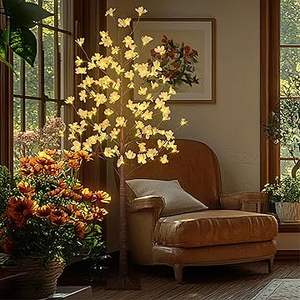
Looking to bring your artificial plants to life with a warm, inviting glow? You’re in the right place.
Adding lighting to your faux greenery can transform any space, making it feel cozy and vibrant without the hassle of real plant care. Imagine your room bathed in soft light that highlights every leaf and branch, creating a stunning focal point.
In this guide, you’ll discover simple, creative ways to decorate your artificial plants with lighting that anyone can do. Ready to brighten up your home and impress your guests? Let’s dive in!
Choosing The Right Artificial Plant
Choosing the right artificial plant sets the foundation for stunning lighting decoration. The plant should match the room’s style and lighting needs. Picking the correct type and size ensures the lights highlight the plant perfectly. This makes the space feel lively and cozy without real plant care.
Types Of Artificial Plants
Artificial plants come in many shapes and styles. Some popular choices include:
- Ferns – offer a lush, full look with delicate leaves.
- Succulents – small, sturdy, and easy to place anywhere.
- Palms – tall and elegant, good for corners and large rooms.
- Flowering plants – add color and charm with fake blooms.
- Vines – perfect for draping over shelves or hanging baskets.
Select a plant that fits the room’s mood and the lighting effect you want.
Sizing And Placement Tips
Choose a size that fits the available space without crowding. Small plants work well on desks or shelves. Large plants suit empty corners or entryways.
Place plants near light sources or where you can add string lights easily. Avoid spots with direct sunlight to keep the artificial plant looking new. Use stands or pots that complement the plant and lighting style.

Credit: www.theotheraesthetic.com
Selecting Suitable Lighting Options
Choosing soft, warm lights helps highlight an artificial plant’s natural look. Small LED string lights create a cozy, inviting glow without overheating. Select lighting that suits your room size and plant placement for the best effect.
Selecting suitable lighting options can enhance the beauty of artificial plants. The right lighting choice creates ambiance and highlights the plant’s features. Consider the environment and mood you wish to establish. Different lighting styles offer unique benefits.Led String Lights
LED string lights are versatile and energy-efficient. They can be wrapped around the plant to create a warm glow. These lights come in various colors and lengths. Choose neutral tones for a subtle effect or vibrant hues for a festive look. LED lights are safe and cool to touch, making them ideal for delicate plant materials.Fairy Lights
Fairy lights add a magical touch to any setting. These tiny lights are perfect for crafting a whimsical atmosphere. Drape them over the plant or weave them through the branches. Their soft illumination creates a dreamy vibe, ideal for relaxing spaces. Battery-operated fairy lights offer flexibility in placement.Spotlights And Uplights
Spotlights and uplights emphasize specific areas of the plant. Use them to highlight intricate details or unique shapes. Position spotlights at the base to project light upwards. This technique enhances the plant’s structure and adds drama. Opt for adjustable lights to customize the direction and intensity.Techniques To Attach Lights To Plants
Attaching lights to artificial plants can transform them from simple decor pieces into captivating focal points. Choosing the right technique to secure your lights ensures both safety and aesthetic appeal. Let’s look at practical ways you can attach lights without damaging your plant or losing that cozy glow.
Wrapping And Weaving Methods
Wrapping lights around the stems or branches is a straightforward way to highlight your artificial plant’s shape. Start at the base and gently coil the string lights upward, spacing the bulbs evenly for a balanced look.
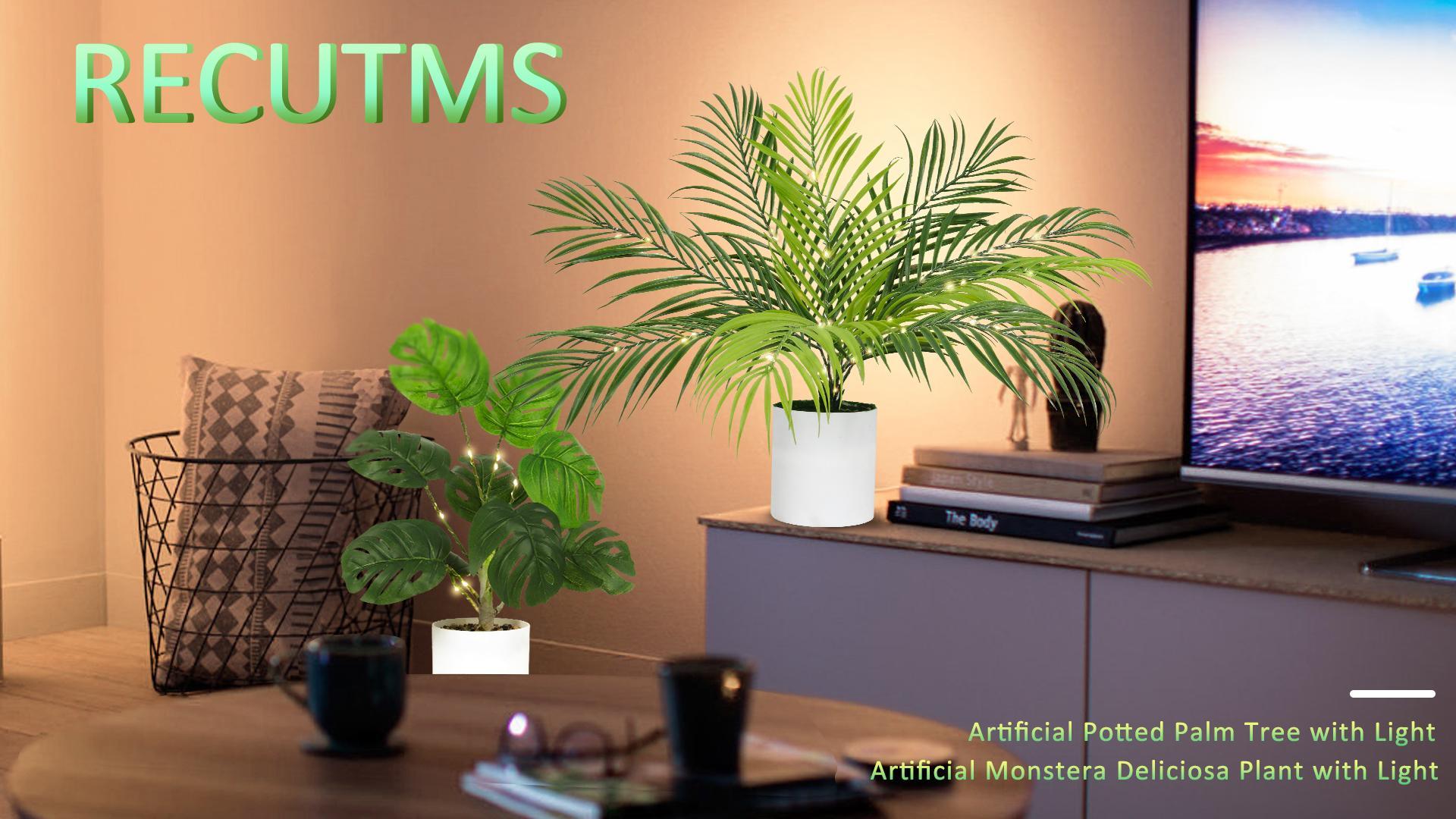
Weaving the lights through the leaves adds depth and creates a natural sparkle. This technique works especially well with plants that have larger leaves, like fiddle leaf figs or monstera. You can tuck the wire behind leaves to keep it hidden, making the bulbs appear like tiny glowing dew drops.
Have you tried adjusting the tightness of the wrap to change the light’s effect? A looser wrap gives a soft ambient glow, while a tighter wrap makes the plant shine brighter and more defined.
Using Clips And Adhesives
Clips are a handy option if you want to avoid wrapping wires too tightly or if your plant has thinner branches. Small, clear clips can hold the lights in place without being noticeable. You can find clips designed for holiday lights that easily snap onto branches without slipping.
Adhesives like double-sided tape or removable mounting putty work well for securing lights to flat surfaces or sturdier leaves. They help keep the wiring neat and prevent the lights from drooping. Just make sure the adhesive is safe for your plant’s material to avoid damage.
Have you considered mixing clips and adhesives to customize your setup? This combo gives you more control over light placement and stability, especially for complex plant shapes.
Creative Lighting Ideas
Lighting can completely transform the look of your artificial plants, giving them a lively and inviting feel. Creative lighting ideas don’t just brighten up the space—they make your plants stand out as a stylish decor element. How you choose and place your lights can change the mood and highlight the unique shapes and colors of your artificial greenery.
Color Themes And Effects
Choosing the right color theme for your lighting can set the entire tone of your room. Warm white lights create a cozy and natural vibe, perfect if you want the plant to blend seamlessly with your decor. On the other hand, cool white or blue lights give a modern, fresh look that makes the leaves pop.
Try experimenting with colored LED strips to add fun effects. Soft pink or purple can add a whimsical touch, while green lighting can enhance the plant’s natural appearance even more. Think about the atmosphere you want to create—do you want a calm, relaxing corner or a vibrant, energetic space?
You can even change colors throughout the day using smart bulbs. This dynamic lighting keeps your artificial plant looking interesting and makes your room feel alive without any extra effort.
Highlighting Plant Features
Use lighting to draw attention to the best parts of your artificial plant. Spotlights or small clip-on lamps work great to focus light on the leaves, stems, or flowers, making their details stand out. Placing lights below the plant can create dramatic shadows and depth, adding dimension to an otherwise flat surface.
Think about where natural light would hit your plant and mimic that with your artificial lighting. Angling the light to highlight textures or colors gives a more realistic and eye-catching effect. You might find that a simple table lamp or fairy lights wrapped around the branches can make a huge difference.
Have you tried layering different light sources? Combining overhead lights with subtle backlighting can create a stunning three-dimensional look. It’s a simple trick that makes your artificial plant feel like a living piece of art.
Safety Tips For Lighting Decorations
Decorating artificial plants with lights creates a warm and inviting atmosphere. Safety must be a priority to prevent accidents and damage. Follow basic safety tips to enjoy beautiful lighting without risks.
Avoiding Overheating
Choose LED lights as they produce less heat than traditional bulbs. Avoid wrapping lights too tightly around the plant, which traps heat. Keep lights away from flammable materials like fabric or paper. Turn off lights when not in use to reduce heat buildup. Check lights regularly for signs of damage or discoloration.
Proper Electrical Setup
Use lights designed for indoor use and check their voltage ratings. Plug lights into outlets with ground fault circuit interrupters (GFCI) for added safety. Avoid overloading electrical outlets with too many plugs. Use extension cords rated for the power load and keep them away from water sources. Inspect cords for frays or damage before use and replace if necessary.

Credit: www.evergreenwalls.com.au
Maintaining Your Lit Artificial Plants
Maintaining your lit artificial plants helps keep them vibrant and inviting. Proper care ensures the lights stay bright and the plants look fresh. Small efforts can extend the life of both the plants and the lighting.
Cleaning And Dusting
Dust can dull the leaves and block light from shining through. Use a soft cloth or a feather duster to gently remove dust. Wipe the leaves carefully to avoid damaging the lights.
- Turn off the lights before cleaning.
- Use a dry or slightly damp cloth for best results.
- Avoid harsh chemicals that may harm the materials.
Regular dusting keeps the plant looking natural and bright. Clean at least once a week or more in dusty areas.
Replacing And Upgrading Lights
Lights can lose brightness or stop working over time. Check your lights regularly for any dim or broken bulbs. Replace bulbs promptly to maintain a consistent glow.
- Choose LED lights for energy efficiency and longevity.
- Select warm or cool tones based on your room’s style.
- Upgrade to smart lights to control brightness and colors easily.
Proper light replacement keeps your artificial plants attractive and lively. Upgrading can enhance the plant’s look and your room’s atmosphere.
Credit: www.amazon.com
Frequently Asked Questions
What Types Of Lights Work Best For Artificial Plants?
LED string lights and fairy lights are ideal for artificial plants. They produce minimal heat and consume low power. These lights highlight the plant’s features without causing damage or fading.
How Can Lighting Enhance Artificial Plant Decor?
Lighting adds depth and creates ambiance around artificial plants. It highlights textures and colors, making the plants look more realistic and attractive. Proper lighting boosts room aesthetics and draws attention to your decor.
Can I Use Battery-operated Lights For Artificial Plants?
Yes, battery-operated lights are perfect for artificial plants. They offer flexibility without needing nearby power outlets. These lights are easy to install and safe for indoor use, enhancing plant decoration effectively.
Where Should I Place Lights On An Artificial Plant?
Position lights around the plant’s base and branches for balanced illumination. Ensure even light distribution to avoid shadows. This placement creates a natural glow, enhancing the artificial plant’s visual appeal.
Conclusion
Decorating artificial plants with lights adds charm and warmth to any space. Small LED lights create a cozy and inviting feel. Choose colors that match your room’s style. Wrap lights gently to avoid damage. Experiment with different lighting styles to find what you like best.
A well-lit plant brightens dark corners easily. This simple touch enhances your home’s look without much effort. Try these tips to make your plants stand out beautifully. Enjoy the soft glow and fresh look all year round.