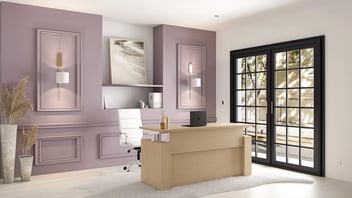
Your executive office is more than just a workspace—it’s a reflection of your leadership and style. How you decorate it can boost your confidence, impress visitors, and create an environment where you thrive.
But where do you start? This guide will show you simple, effective ways to transform your office into a powerful space that works for you. Keep reading, and discover how small changes can make a big impact on your daily success.
Choose A Strong Color Palette
Choosing a strong color palette sets the tone for an executive office. Colors influence mood, focus, and professionalism. A well-planned palette balances style and function, creating a space that impresses and inspires.
Neutral Tones With Bold Accents
Start with neutral tones like beige, gray, or white for walls and large furniture. These colors create a clean, sophisticated base. Add bold accents in deep blue, rich burgundy, or forest green. Use these on chairs, artwork, or rugs to add energy and character without overwhelming the space.
Incorporate Brand Colors
Include your company’s brand colors to reinforce identity. Use them subtly in accessories, cushions, or desk items. This approach ties the office to the business and builds a professional image. Keep the brand colors balanced to avoid overpowering the room.
Create A Calming Atmosphere
Choose colors that promote calm and focus, such as soft blues, greens, or warm taupes. These hues reduce stress and improve concentration. Use them on walls or in textiles for a soothing effect. A calming palette helps maintain productivity during busy days.
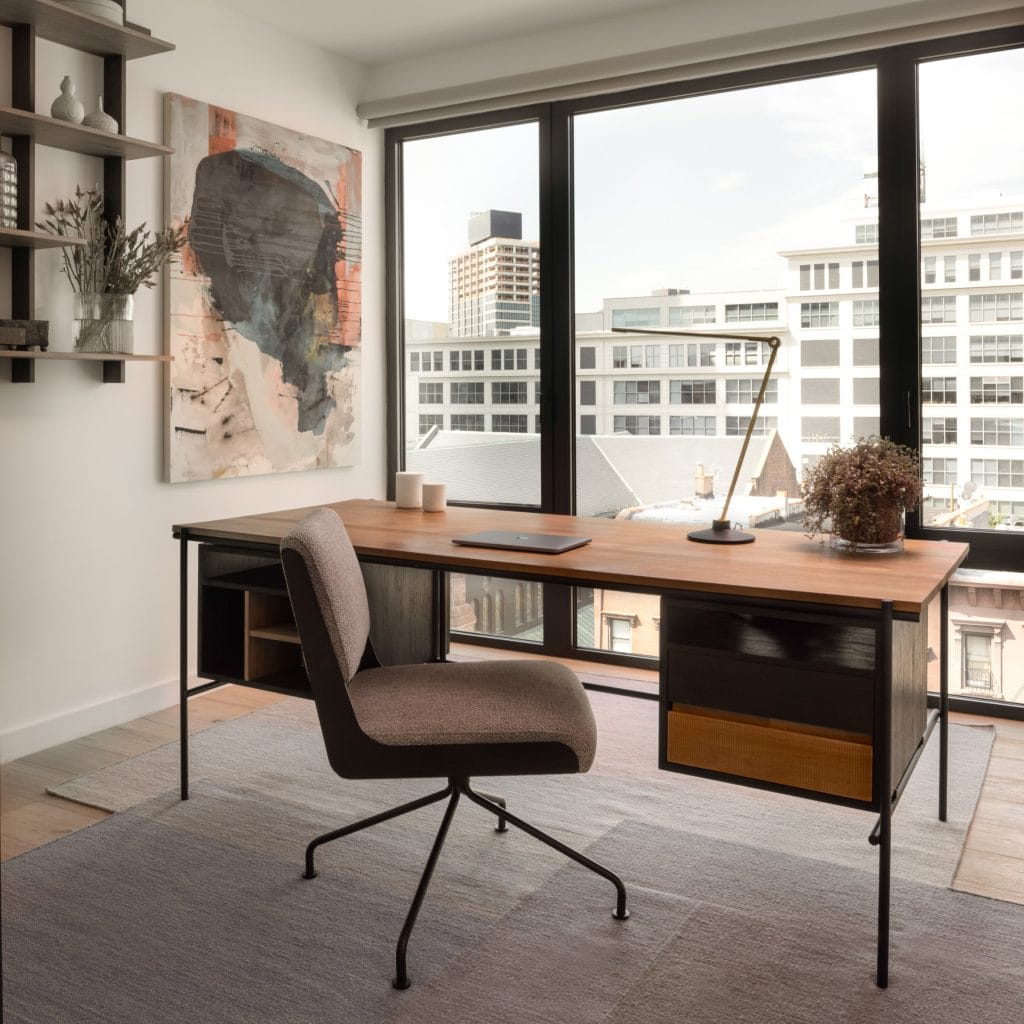
Credit: www.decorilla.com
Select Functional Furniture
Selecting functional furniture is the foundation of a well-designed executive office. Every piece should serve a clear purpose while enhancing comfort and productivity. The right furniture balances style with usability, helping you stay organized and focused throughout the workday.
Ergonomic Desk And Chair
Your desk and chair are the heart of your workspace. Choose an ergonomic chair that supports your posture and reduces strain on your back. Adjustable features like seat height and lumbar support make a big difference in comfort during long hours.
Opt for a desk with enough surface area for your computer, documents, and a few personal touches. Consider desks with adjustable heights if you want the option to switch between sitting and standing. How much time do you spend sitting? This question can guide your choice toward healthier furniture options.
Storage Solutions
Clutter kills focus, so smart storage is essential. Look for filing cabinets, shelves, or drawers that fit your needs without overcrowding the space. Vertical storage can save floor space and keep important documents within easy reach.
Think about your workflow: do you need quick access to files or prefer to keep most items out of sight? Adding labeled bins or trays can streamline your organization and reduce time spent searching for essentials.
Statement Pieces
A statement piece reflects your personality and creates a memorable impression on visitors. This could be an elegant leather chair, a unique coffee table, or a bold artwork. Choose items that complement your overall office theme while standing out enough to spark conversation.
Have you ever noticed how one striking item in a room can change the entire vibe? That’s the power of a statement piece—it adds character without sacrificing function. Just ensure it doesn’t overwhelm the space or interfere with your daily tasks.
Incorporate Art And Decor
Art and decor bring personality and warmth to an executive office. Choose pieces that inspire focus and reflect professionalism without clutter. Simple, elegant artwork can create a welcoming atmosphere for both you and your guests.
Incorporating art and decor into an executive office adds personality and style. It creates a welcoming atmosphere and reflects the company’s identity. Carefully selected pieces can inspire creativity and convey professionalism. Let’s explore how different art forms can elevate your office environment.Original Artwork And Prints
Displaying original artwork or prints can make a significant impact. Choose pieces that resonate with your company’s values. Vibrant colors can energize the space, while calming tones offer tranquility. Consider local artists to support the community and add unique flair.Sculptures And Decorative Objects
Sculptures bring dimension and character to an office. They can be focal points or subtle accents. Opt for materials that complement existing furniture. Metals and ceramics often blend well with modern office designs. Arrange them thoughtfully to avoid clutter and maintain a sleek appearance.Personalized Touches
Personalized decor creates a sense of ownership and belonging. Photos, awards, or certificates add a personal touch. Use custom frames or plaques to display achievements. These elements celebrate successes and motivate employees. Keep personal items balanced for a professional look.Optimize Lighting
Lighting shapes the mood and functionality of an executive office. Proper lighting boosts focus and creates a welcoming atmosphere. It blends style with practicality to enhance work efficiency and comfort.
Natural Light Maximization
Natural light improves mood and reduces eye strain. Position desks near windows to capture daylight. Use sheer curtains to soften harsh sunlight without blocking it. Mirrors help reflect light deeper into the room. Keep window areas clear of heavy furniture or decorations.
Task And Ambient Lighting
Task lighting targets specific work areas. Desk lamps with adjustable arms direct light where needed. Ambient lighting provides overall illumination. Use ceiling lights or wall sconces to fill the room evenly. Combine both for a balanced, productive environment.
Stylish Light Fixtures
Light fixtures add personality and professionalism. Choose designs that match the office style—modern, classic, or minimalist. Consider materials like metal, glass, or wood for texture. Select warm or cool bulbs based on the desired ambiance. Stylish fixtures can serve as focal points while providing good light.
Add Greenery
Adding greenery to an executive office brings life and calmness to the space. Plants create a welcoming and fresh atmosphere. They soften the formal look of an office and add a touch of nature. Greenery also improves air quality and can boost mood and focus. Choose the right plants and place them thoughtfully for the best effect.
Low-maintenance Plants
Choose plants that need little care to keep your office neat. These plants survive with minimal watering and light.
- Snake Plant: Tolerates low light and infrequent watering.
- ZZ Plant: Thrives in shade and resists drought.
- Pothos: Grows well indoors and requires little attention.
- Succulents: Need bright light but little water.
- Spider Plant: Easy to grow and cleans indoor air.
Strategic Plant Placement
Place plants where they add beauty and function. Use corners to fill empty spaces. Put small plants on desks to brighten work areas. Larger plants near windows catch natural light and create a natural divider. Avoid blocking walkways or screens with plants. Group plants of different sizes for visual interest.
Benefits Of Office Plants
Plants improve air quality by filtering toxins and adding oxygen. They reduce stress and help employees feel calm. Greenery increases productivity and creativity by making the environment pleasant. Plants also absorb noise, helping to create a quieter workspace. A well-decorated office with plants shows care for health and style.

Credit: bestinteriordesign.com.bd
Organize With Style
Keeping your executive office organized doesn’t mean sacrificing style. The right organization tools can enhance your workspace’s look while boosting your productivity. Imagine walking into a neat, stylish office where every item has its place—how much more focused could you be?
Desk Organizers
Desk organizers help you keep important items within reach without cluttering your workspace. Choose organizers that match your office decor, such as sleek metal trays or leather-bound pen holders. A well-organized desk reduces distractions and makes it easier to find what you need quickly.
Consider multi-level trays for papers and a dedicated spot for your phone and business cards. These small touches make your desk look intentional and polished.
Cable Management
Messy cables can ruin the clean look of any executive office. Use cable clips, sleeves, or under-desk trays to keep wires hidden and untangled. Not only does this improve aesthetics, but it also prevents damage to cables and reduces tripping hazards.
Try labeling cables to avoid confusion later—this saves time when unplugging or moving devices. Would you prefer a desk that looks sleek or a chaotic tangle of cords?
Minimalist Approach
Sometimes less is more. A minimalist approach to organization means keeping only essential items on display. This reduces visual noise and creates a calm environment that helps you think clearly.
Choose a few meaningful decor pieces and store away everything else. This method encourages you to regularly assess what you truly need, which keeps your office fresh and functional.
Create A Comfortable Meeting Area
Creating a comfortable meeting area in an executive office boosts productivity and makes guests feel welcome. This space should invite conversation and collaboration. Thoughtful choices in seating, tables, and privacy help achieve a balanced, professional setting.
Seating Options
Choose chairs that offer both style and comfort. Soft cushions and good back support matter most. Arrange chairs in a way that encourages eye contact and easy interaction. Mix executive chairs with lounge seating for a relaxed feel. Use durable materials that match the office decor.
Coffee Table And Accessories
Select a coffee table that fits the room size without crowding. A sleek wooden or glass table works well in modern offices. Keep the table clear, but add simple accessories like a small plant or a magazine holder. Avoid clutter to maintain a clean, professional look. Accessories should enhance, not distract.
Privacy Considerations
Privacy is key for confidential talks. Position the meeting area away from the main door or high-traffic zones. Use partitions or screens to create a cozy enclosure. Soundproofing elements, like rugs or curtains, help reduce noise. Ensure the space feels private without isolating participants.

Credit: timbur.co.za
Incorporate Technology Elegantly
Incorporating technology into an executive office requires balance. Technology should enhance the space without overwhelming it. The goal is to keep the office sleek and professional. Smart choices create a modern, efficient workspace. Elegance in tech means hiding clutter and choosing stylish devices.
Cable Concealment
Visible cables create a messy look. Use cable management solutions to keep wires hidden. Cable trays under desks or behind furniture work well. Velcro straps or cable sleeves bundle cords neatly. Wall-mounted channels help guide cables along surfaces. Keeping cables out of sight maintains a clean office appearance.
Smart Office Devices
Choose devices that combine function with style. Wireless chargers reduce clutter on desks. Smart speakers offer voice control for lighting and music. Digital assistants help manage schedules and reminders. Smart thermostats keep the room comfortable. These devices add convenience without sacrificing elegance.
Clean Tech Integration
Embed technology into furniture for a seamless look. Desks with built-in charging ports keep gadgets ready. Monitor arms free desk space and improve ergonomics. Use wireless keyboards and mice to avoid cord tangles. Opt for flat-screen monitors with thin bezels. Clean integration creates a minimalist, professional office space.
Frequently Asked Questions
What Are The Key Elements Of Executive Office Decor?
Key elements include stylish furniture, quality lighting, and tasteful artwork. A balance of functionality and aesthetics is essential for a professional atmosphere. Incorporate personal touches like plants or awards to enhance the space.
How To Choose Colors For An Executive Office?
Select neutral tones with bold accent colors to convey professionalism and creativity. Shades like gray, navy, and beige work well. Use colors that promote focus and calm, such as soft blues or greens.
What Furniture Suits An Executive Office Best?
Opt for ergonomic chairs, large desks, and ample storage solutions. Choose high-quality materials like leather and wood for a sophisticated look. Furniture should support productivity and comfort.
How To Incorporate Technology In Office Decoration?
Integrate devices seamlessly with cable management and stylish accessories. Use wireless gadgets and sleek monitors to reduce clutter. Ensure tech placement enhances workflow without compromising aesthetics.
Conclusion
Creating a stylish executive office boosts focus and confidence. Choose furniture that fits your space and work style. Add personal touches to make the room inviting. Good lighting helps reduce eye strain and lifts mood. Keep the area tidy to stay productive and calm.
Simple decor with a few key pieces works best. A well-planned office reflects professionalism and success. Take time to arrange your office with care. Your workspace should inspire and support your daily tasks.