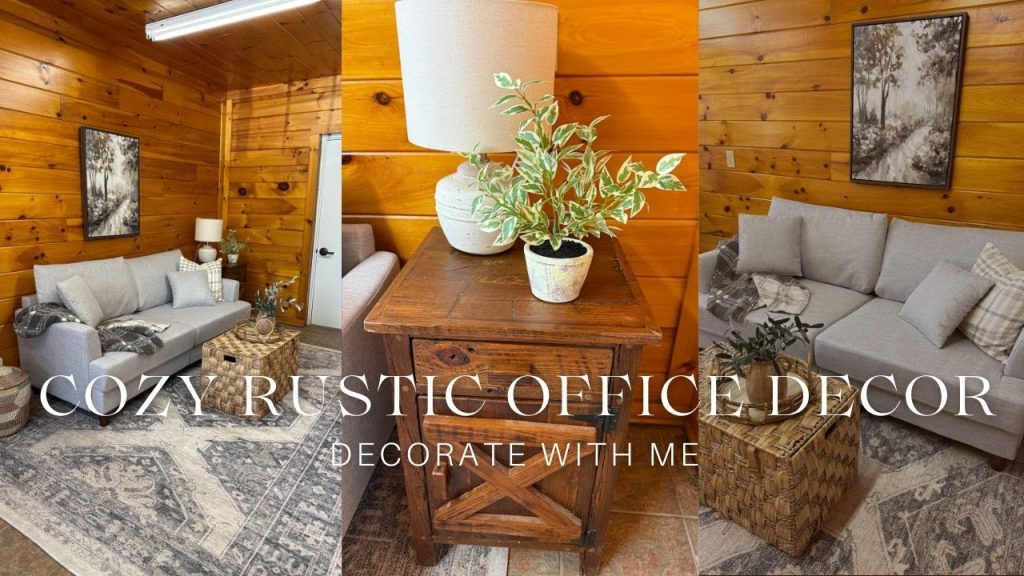
Are you struggling to create a space that feels both comfortable for living and productive for work? Finding the perfect balance between a cozy living area and an efficient office can be tricky.
But imagine walking into a room that inspires you, helps you relax, and boosts your focus all at once. In this guide, you’ll discover simple, practical tips to transform your living and office area into a stylish and functional space you’ll love.
Keep reading to unlock the secrets that make decorating easy and enjoyable for your unique needs.
Credit: royaletouche.com
Choosing A Cohesive Color Scheme
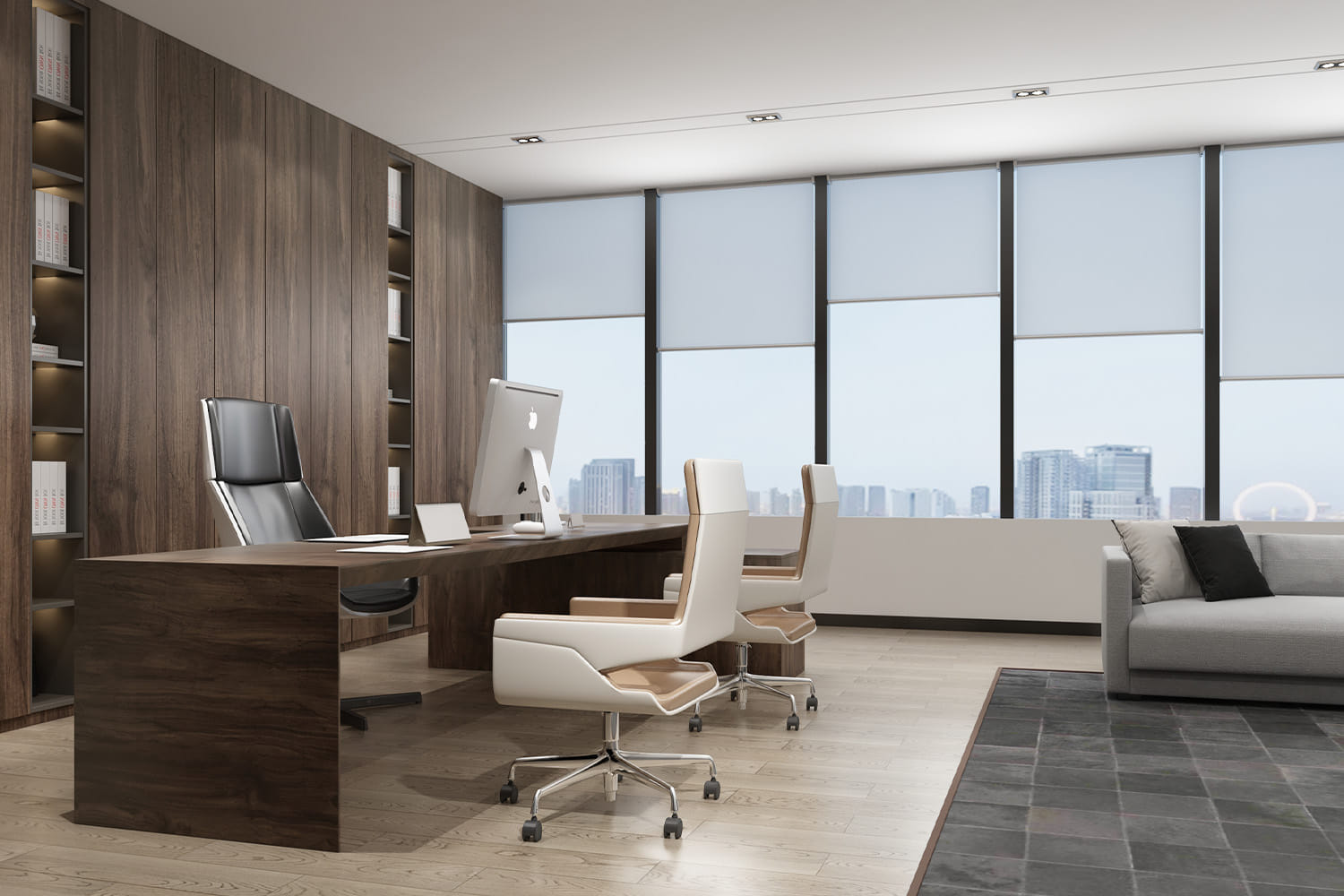
Choosing a cohesive color scheme brings harmony to both living and office areas. It creates a smooth flow between spaces. Colors influence mood and productivity. A well-planned palette balances style and function. This helps the area feel inviting and organized.
Balancing Bold And Neutral Tones
Bold colors add personality and energy to a room. Neutrals provide calm and balance. Use bold tones on smaller areas like cushions or artwork. Let neutral shades cover walls and larger furniture. This mix prevents overwhelming the space. It keeps the atmosphere lively yet comfortable.
Using Accent Colors Effectively
Accent colors highlight important features and details. Choose one or two accent shades that complement the main palette. Apply them in accessories, rugs, or lamps. This approach adds depth and interest. Accent colors guide the eye and define zones within the room.
Selecting Functional Furniture
Selecting functional furniture is key to creating a living and office space that feels both practical and inviting. The right pieces help maximize space, improve comfort, and support daily activities. Choosing furniture that serves more than one purpose saves room and adds value to your area.
Multi-purpose Pieces For Small Spaces
Multi-purpose furniture fits perfectly in small living and work areas. These pieces offer more than one function, saving space and reducing clutter.
- Sofa beds provide seating by day and a bed by night.
- Storage ottomans hold items and act as footrests or extra seating.
- Fold-out desks transform a small corner into a workspace.
- Nesting tables offer flexibility and can be tucked away easily.
Choosing versatile furniture keeps the space neat and adaptable. It allows smooth transitions between work and relaxation without overcrowding.
Ergonomic Choices For Comfort
Ergonomic furniture supports good posture and reduces discomfort during long work hours. Comfort is vital for productivity and well-being.
- Adjustable chairs support the back and encourage proper sitting.
- Desks with height options fit different tasks and preferences.
- Footrests improve circulation and reduce strain.
- Monitor stands help keep screens at eye level.
Investing in ergonomic pieces creates a healthy environment. This helps maintain focus and energy throughout the day.
Maximizing Natural Light
Natural light brightens spaces and boosts mood in both living and office areas. Position furniture near windows and use light curtains to let sunlight flow freely. Mirrors reflect light, making rooms feel larger and more welcoming.
Maximizing natural light in your living and office area can completely transform the space. Natural light not only makes a room feel larger and more inviting, but it also boosts your mood and productivity. The key is to optimize every bit of sunlight that enters your space. Ever noticed how a room with ample sunlight feels more lively? Let’s explore some practical ways to enhance the brightness in your area.Window Treatments That Enhance Brightness
Choosing the right window treatments can greatly affect the amount of light entering a room. Opt for sheer or light-colored curtains to allow maximum sunlight through. Consider using blinds that can be easily adjusted to control the light. Vertical blinds offer an excellent balance of privacy and brightness. If privacy isn’t a concern, you might skip heavy drapes altogether. This will let natural light flood in, illuminating every corner of the room.Mirrors To Reflect Light
Mirrors are a secret weapon when it comes to maximizing natural light. Placing a mirror opposite a window can reflect sunlight throughout the room, making it feel brighter and more spacious. Think creatively about mirror placement. A strategically hung mirror in a hallway can direct light into darker areas. Have you ever noticed how a mirror can transform a dull corner into a vibrant space? Mirrors don’t just reflect light; they also create a sense of depth and openness. What would happen if you experimented with different mirror shapes? A round mirror might offer a unique aesthetic, while a large rectangular mirror can amplify brightness.Incorporating Stylish Storage Solutions
Adding stylish storage solutions can transform your living and office space into a neat, organized, and visually appealing environment. Storage doesn’t have to be boring or bulky; it can enhance the overall design while keeping clutter out of sight. Think about how much easier your daily routine can be with smart storage that fits your style and needs.
Hidden Storage Ideas
Hidden storage is perfect for keeping your space tidy without sacrificing aesthetics. Look for furniture pieces with built-in compartments, such as ottomans with lift-up lids or coffee tables with drawers underneath. These options let you stash away office supplies, magazines, or blankets without disrupting the room’s flow.
Another idea is to use wall panels or benches that open to reveal storage inside. I once used a bench near my desk to hide files and cords, which cleared up my workspace instantly. Could a piece like this help you maintain a cleaner, calmer environment?
Open Shelving For Display
Open shelving offers a stylish way to keep important items accessible and add personality to your area. Use shelves to display books, plants, or unique decor that inspires creativity during work and relaxation. It’s a chance to showcase what matters to you while keeping essentials within reach.
Consider mixing decorative objects with functional items like storage baskets or boxes to avoid a cluttered look. I like to balance colorful art pieces with neutral containers, creating a visually pleasing and practical setup. What items in your space deserve to be both seen and stored?
Adding Personal Touches
Adding personal touches to your living and office area transforms a generic space into one that truly feels like yours. These details speak about your personality and make the environment comfortable and inspiring. What small additions could make your space feel more like home or boost your work mood?
Artwork And Wall Decor
Your walls offer a blank canvas to showcase your style and interests. Choose artwork that resonates with you—whether it’s a vibrant painting, a framed photograph, or a unique print.
Consider mixing different sizes and styles to create an engaging gallery wall. Personal photos or travel souvenirs framed on the wall can spark joy and memories during work breaks or relaxation time.
Don’t hesitate to swap out pieces seasonally or as your tastes evolve. This keeps your environment fresh and reflects your current mood or goals.
Plants And Greenery
Adding plants to your living and office space does more than improve air quality—it brings life and calm to your surroundings. Even a small cactus or succulent on your desk can brighten your mood and increase productivity.
Try placing a tall plant near a window or a hanging planter to save floor space. The green color reduces eye strain and helps you feel connected to nature, which can be grounding during busy days.
Choose plants that are easy to care for if you’re new to gardening, like snake plants or pothos. Their low maintenance means you get the benefits without added stress.

Credit: www.designcafe.com
Creating Defined Zones
Creating defined zones in a combined living and office area helps you stay organized and focused. It separates work from relaxation, making each space feel purposeful and inviting. Defining these zones clearly can also improve your productivity and comfort.
Using Rugs And Lighting
Rugs are an easy way to mark different zones visually without building walls. Choose a bold, textured rug for your office area to create a sense of focus. A softer, plush rug in the living area invites relaxation and comfort.
Lighting plays a key role too. Use brighter, cooler lights over your workspace to keep you alert. Warm, dimmable lights in the living area help you unwind. You might even add a desk lamp with adjustable settings for flexibility.
Furniture Arrangement Tips
Arrange your furniture to clearly separate work and leisure. Position your desk facing away from the living area to reduce distractions. Use shelves or bookcases as natural dividers between zones.
Try placing a comfortable chair or small sofa near the living zone to create a cozy corner distinct from your office. Avoid cluttering the space; keep only work essentials in the office area. This helps your brain switch between ‘work mode’ and ‘relax mode’ effortlessly.
Balancing Work And Relaxation Areas
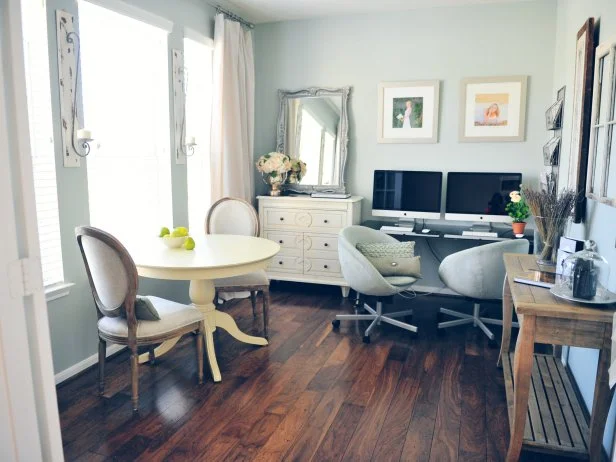
Balancing work and relaxation areas in a shared living and office space can be challenging but rewarding. You want a place that sparks focus without draining your energy and a spot that invites rest without distracting your work. Getting this balance right means you can switch modes easily and feel comfortable all day long.
Designing A Productive Workspace
Your workspace should make it easy to concentrate. Choose a desk with enough surface area for your laptop, notes, and a few personal items that motivate you.
Good lighting is key. Natural light boosts alertness, so position your desk near a window if possible. Add a desk lamp for late hours to reduce eye strain.
Keep clutter out of sight but within reach. Use organizers or small shelves to store documents and supplies, so your desk stays clean and inviting.
Think about your chair comfort. Sitting for long hours demands good back support, so invest in a chair that encourages good posture.
Comfortable Lounge Spots
After work, your brain needs a break. Create a lounge area that invites you to relax and recharge, separate from your work zone.
Soft seating like a cozy armchair or a small sofa works well. Add cushions and a throw to make it even more inviting.
Place a small side table nearby for your coffee, book, or phone. This keeps essentials handy without cluttering the space.
Consider plants or calming decor here. Greenery can lower stress and improve air quality, helping your relaxation truly take hold.
How do you currently switch between work and downtime in your space? Could a clear physical boundary help your mind reset better?
Credit: www.hgtv.com
Frequently Asked Questions
How To Combine Living And Office Areas Effectively?
To combine living and office areas, use multifunctional furniture and clear zoning. Maintain a consistent color palette to unify spaces and ensure good lighting for both work and relaxation.
What Are The Best Colors For Living And Office Spaces?
Choose neutral or calming colors like beige, gray, or soft blues. These shades boost focus and create a relaxing atmosphere, ideal for both living and office environments.
How Can I Maximize Space In A Dual-purpose Room?
Use vertical storage and multi-use furniture like foldable desks or sofa beds. Keep clutter minimal to maintain a clean, spacious feel in the combined living and office area.
What Lighting Works Best For A Living And Office Area?
Use layered lighting: ambient for living, task lighting for work. Adjustable LED lamps and natural light improve productivity and comfort in dual-purpose spaces.
Conclusion
Creating a space that fits both work and life needs is important. Choose colors and furniture that suit both areas well. Keep the design simple to avoid clutter. Use good lighting to help focus and relax. Add personal touches to make the space feel warm.
Balance comfort with functionality for the best results. A well-decorated area can boost mood and productivity. Small changes can make a big difference in your space. Enjoy making your living and office area your own.