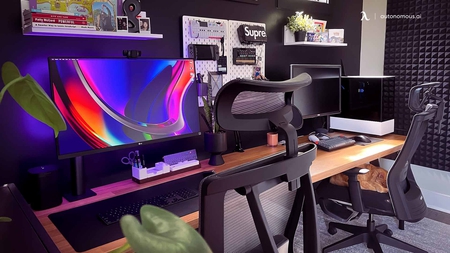
Sharing an office space with someone else can be a fun challenge, but it also means you need to get creative with your decorating. How do you make sure the room feels comfortable, organized, and inspiring for both of you?
You want a space that boosts productivity without feeling crowded or chaotic. You’ll discover simple and smart ways to decorate an office for two that balance style and function perfectly. Keep reading, and you’ll find easy ideas to transform your shared workspace into a place where both of you can thrive.
Choosing The Right Layout
Choosing the right layout for an office shared by two people is a crucial step. It shapes how you collaborate, focus, and feel throughout the workday. The right design balances personal space with shared areas to boost productivity and comfort.
Maximizing Small Spaces
Working with limited space means every inch counts. Think vertical—use shelves and wall-mounted organizers to keep desks clear. A clutter-free area helps both of you stay focused and reduces distractions.
Consider multifunctional furniture like desks with built-in storage or foldable tables. These pieces save space and keep essentials within reach. Have you noticed how a tidy desk changes your work mood?
Open Vs. Partitioned Areas
Open layouts encourage easy communication and a sense of teamwork. But they can also lead to noise and distractions. If you and your partner need quiet focus, adding a low divider or a portable screen might help.
Partitions don’t have to feel isolating. Transparent or semi-transparent dividers let light flow while defining personal zones. Which setup helps you balance collaboration with concentration better?
Selecting Dual Workstations
Selecting dual workstations for an office shared by two people requires careful thought. The desks and chairs must fit the space well and support productivity. Space-saving designs help keep the room open and organized. Comfort is key for long hours of work. Each person should have enough room to work freely without feeling cramped.
Compact Desk Options
Choose desks that maximize workspace without taking too much room. Corner desks fit neatly into small spaces. Desks with built-in storage reduce clutter. Wall-mounted desks free floor space and add a modern touch. Shared tables with divider panels create personal zones. Look for desks with clean lines and simple designs. They help the office look tidy and professional.
Adjustable Seating Solutions
Comfortable chairs support good posture and focus. Adjustable chairs let each person change height and backrest angle. Swivel chairs offer easy movement and access to desk areas. Chairs with wheels help shift positions without strain. Consider seats with breathable fabric for long use. Ergonomic designs reduce body pain and fatigue. A good chair boosts comfort and work output.
Incorporating Storage Solutions
Smart storage solutions keep shared office spaces neat and organized. Using shelves, drawers, and bins helps separate personal items and maximize space efficiently. This creates a tidy, comfortable work area for two.
Incorporating smart storage solutions can transform a shared office space. Maximizing storage allows each person to maintain organization and efficiency. Keeping the office tidy creates an environment conducive to productivity. Strategic storage solutions enhance functionality without sacrificing style.Vertical Shelving Ideas
Vertical shelving utilizes wall space efficiently. Installing tall shelves keeps the floor uncluttered. Floating shelves can hold books, files, and decorative items. Adjustable shelves offer flexibility, adapting to varying needs. Corner shelves make use of often neglected spaces.Multi-functional Furniture
Furniture that serves dual purposes maximizes space. Desks with built-in drawers reduce clutter. Storage ottomans provide seating and hidden storage. Foldable tables can be stowed away when not in use. Cabinets with pull-out desks save space while offering functionality.
Credit: www.architectureartdesigns.com
Enhancing Lighting And Ambiance
Lighting and ambiance play a crucial role in creating a productive and comfortable office space for two. The right lighting can boost focus, reduce eye strain, and even enhance the mood of the workspace. Paying attention to how you light your office will make a noticeable difference in how both of you feel during long work hours.
Natural Light Utilization
Maximize the use of natural light by positioning desks near windows. Natural light helps regulate your body clock and keeps energy levels steady throughout the day. If glare becomes an issue, consider adjustable blinds or light curtains to soften the brightness without blocking it entirely.
Think about how the sunlight moves across the room during different times. You might want to arrange seating so both people get enough daylight without direct sun causing discomfort. Adding reflective surfaces like light-colored walls or mirrors can also help spread natural light more evenly.
Task And Accent Lighting
Task lighting is essential for focused work areas. Use adjustable desk lamps that allow each person to control their own light intensity and direction. This flexibility prevents shadows and reduces eye strain, especially during detailed tasks.
Accent lighting can enhance the overall ambiance and make the office feel more inviting. Consider LED strip lights under shelves or soft wall sconces to add warmth without overpowering the space. This layered lighting approach ensures your office is both functional and pleasant.
Adding Personal Touches
Adding personal touches to an office shared by two people can transform a plain workspace into a motivating and comfortable environment. It’s not just about making the space look good—it’s about making both of you feel at home and inspired. Personal touches help balance individual styles while fostering a sense of collaboration.
Coordinated Décor Themes
Choosing a coordinated décor theme creates harmony in a shared office. You don’t have to match everything exactly, but using complementary colors or styles can make the space feel unified. For example, if one person prefers modern minimalism and the other enjoys rustic elements, find a middle ground like sleek wooden furniture with clean lines.
Think about your shared interests or work goals as inspiration for the theme. You might pick calming shades like soft blues and grays to keep stress low or bold colors to boost energy. Coordinated décor also helps prevent the room from feeling cluttered or chaotic.
Shared And Individual Accessories
Balancing shared and individual accessories lets each person’s personality shine while keeping the space functional. Use shared items like a central organizer or a communal whiteboard to enhance teamwork. At the same time, allow space for personal items such as photos, plants, or favorite desk gadgets.
Consider each person’s workflow and preferences when choosing accessories. One might prefer a standing lamp for better lighting, while the other needs extra drawer storage. Giving everyone a dedicated spot for their items reduces clutter and makes the office feel more personalized.
Maintaining Organization
Keeping your shared office space organized can feel like a challenge, especially when two people work side by side. But a tidy environment does more than just look good—it boosts productivity and reduces stress. You don’t need a big budget or fancy tools to maintain order; simple habits and smart setups can make a big difference.
Cable Management Tips
Cables can quickly turn your workspace into a tangled mess. Use cable clips or adhesive hooks to guide cords along the edges of desks or underneath surfaces. This keeps them off your work area and prevents accidental unplugging.
Label each cable with color-coded tags or small labels to know which cord belongs to which device. This saves time when unplugging or troubleshooting. Also, consider using a cable box to hide power strips and excess wires—this keeps everything neat and safe.
Desk Decluttering Strategies
Clear desks help clear your mind. Set a daily or weekly routine to put away items that don’t need to be out. Use desk organizers with compartments for stationery, documents, and gadgets to keep everything in its place.
Try the “one in, one out” rule: if you bring in a new item, remove something else to avoid clutter buildup. You can also designate specific zones on the desk for each person, so there’s no mix-up about whose stuff is whose. How would your workflow improve if every item had a dedicated spot?
Promoting Comfort And Ergonomics
Creating a shared office space that feels comfortable and supports good posture is essential for productivity and health. When two people use the same room, paying attention to ergonomics ensures both can work without strain or discomfort. Think about how your body feels after a long workday—does your chair support your back? Is your screen at the right height? These small details make a big difference.
Ergonomic Chair Choices
Choosing the right chairs is the foundation of comfort for any office setup. Look for chairs with adjustable height, lumbar support, and armrests that move. This allows each person to customize their seat to fit their body perfectly.
Consider chairs with breathable fabric to keep you cool during long hours. If possible, test chairs before buying to see how they feel when sitting for extended periods. Your back will thank you, and you’ll notice increased focus and less fatigue.
Proper Monitor Placement
Monitor placement affects your neck and eye strain more than you might expect. Position your screens so the top is at or just below eye level, about an arm’s length away. This setup helps maintain a neutral neck position and reduces the chance of headaches.
If the desk space is tight, use adjustable monitor arms to move screens easily depending on who’s using the desk. You might also add a second monitor for each person if space allows, which can boost efficiency. How often do you adjust your screen during the day? Small tweaks can prevent discomfort.
Credit: www.architectureartdesigns.com
Credit: www.architectureartdesigns.com
Frequently Asked Questions
How To Maximize Space In A Shared Office?
Use multifunctional furniture and vertical storage to save space. Keep desks organized and use room dividers for personal zones. Prioritize compact, ergonomic chairs and shared equipment to avoid clutter. Efficient layout planning enhances comfort and productivity for two people working together.
What Colors Suit A Two-person Office Best?
Choose neutral tones with calming accents like blue or green. These colors boost focus and reduce stress. Use contrasting colors to define individual workspaces. Light colors improve lighting and make the room feel larger and more inviting for both occupants.
How To Maintain Privacy In A Shared Office?
Use partitions, screens, or plants to create visual barriers. Noise-canceling headphones can reduce auditory distractions. Arrange desks to face away from each other. Establish clear boundaries and respect personal space to ensure comfort and privacy for both users.
What Storage Solutions Work For Two People?
Opt for shared filing cabinets and individual drawers. Use wall-mounted shelves to free up floor space. Label storage clearly to avoid mix-ups. Efficient storage keeps the office tidy and ensures both users have easy access to their materials.
Conclusion
Creating a shared office space can be simple and fun. Focus on balance and comfort for both people. Choose furniture and colors that suit two styles well. Keep the area tidy and organized every day. Small touches make a big difference in teamwork.
Enjoy a space where ideas grow and flow. Decorating together helps build a friendly work mood. Your office can be both useful and cozy. Try different layouts until it feels just right. A well-planned office helps everyone work better.